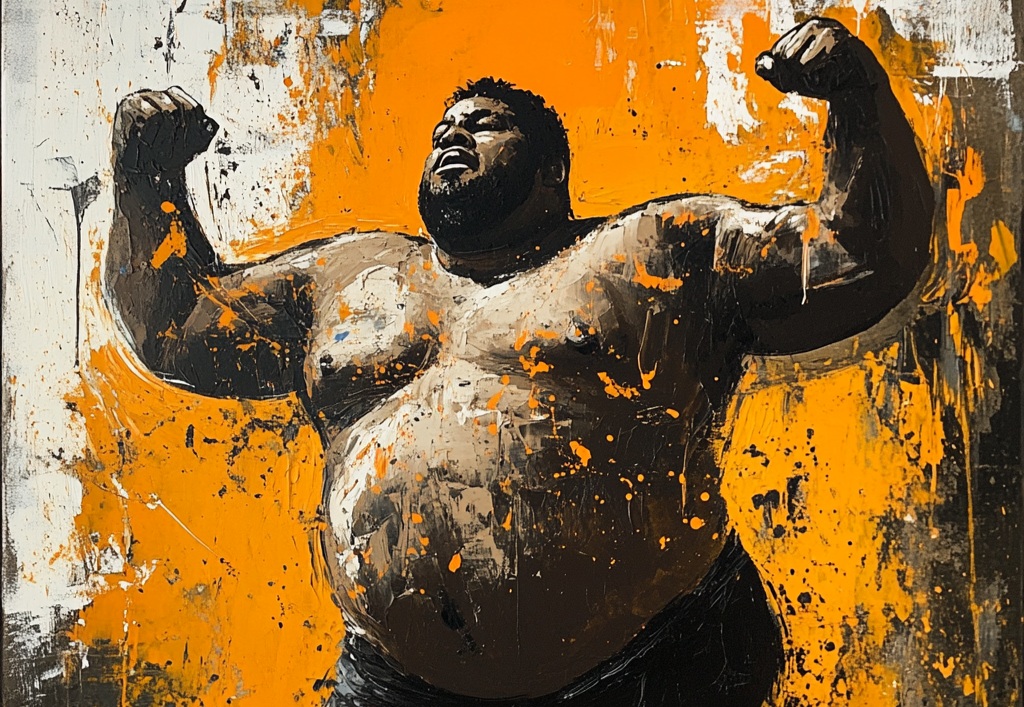
The Honest Truth: It’s Hard to Start When You Feel Too Big
If you’ve ever thought, “I’ll start working out when I lose a little weight first”—you’re not alone. For many big and tall men, the hardest part of fitness isn’t the workout itself. It’s overcoming the mental and physical barriers that come with starting at a larger size.
Whether it’s gym anxiety, joint pain, or feeling out of place in fitness spaces that weren’t designed for your body—the pressure can be overwhelming.
But you don’t need to be smaller to start. You just need a plan that works with your body, not against it.
You’re Not “Too Big” to Begin
Here’s the truth: Your size does not disqualify you from getting stronger, more mobile, or more energized. You don’t need to look like a fitness influencer to start moving. You just need to start exactly where you are—with respect for your current body and realistic expectations.
Step 1: Set Goals That Don’t Involve the Scale
Focusing only on weight loss can lead to burnout and frustration. Instead, aim for goals like:
- Moving your body for 10–15 minutes a day
- Increasing flexibility or reducing joint stiffness
- Building strength to carry groceries or climb stairs more easily
- Sleeping better or improving mood
These are real results that matter, especially when you’re rebuilding your relationship with fitness.
Related: The Power of Small Wins: Why Micro Goals Lead to Major Changes
Step 2: Choose Joint-Friendly, Low-Barrier Workouts
The best workouts for big and tall men starting again are low-impact, strength-based, and flexible. You want to build momentum without injury or exhaustion.
Great options include:
- Walking (start with 5–10 minutes and build up)
- Chair-assisted squats or wall sits
- Wall push-ups or incline push-ups
- Resistance band routines (gentle on joints, easy to scale)
- Water aerobics or swimming (zero impact, great for heavier bodies)
Related: How to Train With Joint Pain and Mobility Issues
Step 3: Start With 10 Minutes a Day
Forget 60-minute routines or aggressive bootcamps. You don’t need to “earn” your place in fitness with intensity.
Try this beginner routine to build confidence and consistency:
Big Guy Beginner Routine (10–15 minutes):
- March in place – 2 minutes
- Wall push-ups – 2 sets of 10
- Seated or chair squats – 2 sets of 8
- Arm circles + deep breathing – 2 minutes
- Optional: Gentle stretching for back and hips
Do this 3–4 times per week. Add 2 minutes each week if it feels good.
Step 4: Create a Private, Judgment-Free Space
If the gym feels too uncomfortable, don’t go yet. You can start in your living room, backyard, or garage.
If you’re ready to try a gym but feel self-conscious, consider:
- Going during off-peak hours
- Using a buddy system for accountability
- Hiring a trainer who specializes in working with bigger bodies
- Choosing fitness spaces that are body-positive and inclusive
Remember: You don’t owe anyone an explanation for why you’re there. You belong.
Step 5: Track Non-Scale Victories
Focus on what’s improving—regardless of your weight. Try tracking:
- Improved energy throughout the day
- Less joint or back pain
- Better sleep
- Increased mobility or flexibility
- Mental health improvements
These are powerful indicators of progress, especially when you’re rebuilding strength from a bigger starting point.
You Don’t Need to Shrink to Start
The fitness world often sends the wrong message to bigger men: that you need to become smaller to be successful. That couldn’t be further from the truth.
You’re not too big to begin. You’re strong enough to begin now, exactly where you are.
Fitness isn’t about punishment or perfection—it’s about taking ownership of your health in a way that supports your body, not shames it.

Leave a comment