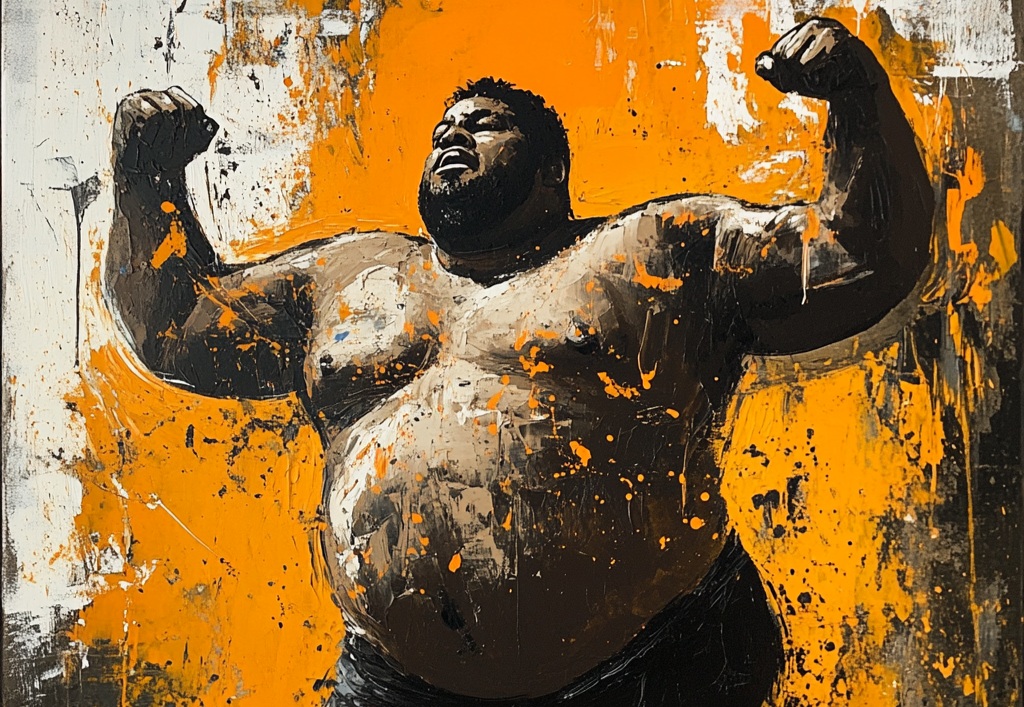
Why Cardio Still Reigns Supreme
Cardiovascular exercise — or simply “cardio” — is the backbone of nearly every successful fitness program. Strength training gets a lot of attention these days (deservedly so), but cardio remains unmatched for improving heart health, endurance, fat loss, and overall longevity.
Decades of research confirm that consistent cardiovascular exercise reduces the risk of heart disease, stroke, diabetes, and premature death. But beyond the science, cardio improves quality of life: climbing stairs without huffing, keeping up with your kids, or building the stamina to enjoy active hobbies.
So, what are the best cardiovascular exercises in 2025? Let’s break it down.
The Criteria: What Makes an Exercise “The Best”?
Not all cardio is equal. To fairly rank options, we’ll evaluate exercises on four criteria:
- Accessibility: Can beginners or people with joint limitations do it?
- Calorie Burn: How efficient is it for fat loss and conditioning?
- Impact on Joints: Safe for long-term sustainability?
- Enjoyment Factor: If you don’t like it, you won’t stick with it.
Related: The Best Cardio Workouts for Bigger Bodies (That Won’t Destroy Your Joints)
The 10 Best Cardiovascular Exercises (Explained in Depth)
1. Walking (The King of Sustainability)
Why it works: Walking is low-impact, beginner-friendly, and sustainable at any age or body size. Studies show brisk walking for 150 minutes per week can reduce cardiovascular disease risk by up to 30%.
- Calories burned: ~200–300/hour at a moderate pace.
- Best for: Beginners, overweight individuals, or those recovering from injury.
- Progression: Add distance, pace, or inclines (outdoor hills or treadmill settings).
Titan Tip: Walking may not have the calorie burn of running, but its adherence rate is higher. People stick to walking more than almost any other cardio activity.
2. Running and Jogging
Why it works: Running is one of the most effective ways to improve VO₂ max (a measure of aerobic capacity) and burn calories quickly.
- Calories burned: ~500–700/hour (jogging), ~700–1,000/hour (running).
- Best for: Intermediate to advanced fitness levels with healthy joints.
- Caution: High impact on knees, hips, and ankles.
Titan Tip: Beginners can use interval methods like Couch to 5K, alternating walking and jogging to build endurance safely.
3. Cycling (Stationary or Outdoor)
Why it works: Cycling is low-impact, making it joint-friendly while still providing a major cardio and leg workout. Spin classes and stationary bikes offer controlled, measurable sessions.
- Calories burned: ~400–600/hour moderate pace.
- Best for: Overweight individuals or those who want joint-friendly cardio.
- Progression: Increase resistance, add sprints, or tackle hills outdoors.
Related: Best Cardio Machines for Overweight Beginners: Which One Should You Start With?
4. Swimming (The Total-Body Workout)
Why it works: Swimming uses every major muscle group while being zero-impact on the joints. It’s often recommended for obese individuals or those with arthritis.
- Calories burned: ~500–700/hour moderate pace.
- Best for: People with joint pain, or those looking for variety.
- Extra benefit: Builds upper-body endurance, unlike many cardio options.
5. Rowing
Why it works: A rowing machine combines strength and cardio, engaging legs, core, back, and arms. It’s efficient for fat loss and conditioning.
- Calories burned: ~600–800/hour.
- Best for: Intermediate users seeking a total-body challenge.
- Technique tip: Push with legs, hinge with hips, then pull with arms — not the other way around.
6. High-Intensity Interval Training (HIIT)
Why it works: Short bursts of maximum effort alternated with recovery periods improve conditioning and calorie burn in less time.
- Calories burned: 400–600 in a 30-minute session.
- Best for: Time-crunched individuals, fat loss.
- Caution: Not suitable for absolute beginners or those with heart conditions without medical clearance.
7. Jump Rope
Why it works: Jump rope isn’t just for boxers — it’s one of the most calorie-dense workouts you can do.
- Calories burned: ~600–900/hour.
- Best for: Coordination, athletic conditioning, and short, high-intensity workouts.
- Caution: High impact; not ideal for those with knee or ankle issues.
8. Elliptical Training
Why it works: Provides a running-like motion without impact stress. Handles allow for upper-body involvement.
- Calories burned: ~400–600/hour.
- Best for: Beginners, overweight individuals, joint-friendly cardio.
- Extra benefit: Adjustable resistance for progression.
9. Stair Climbing
Why it works: Builds lower-body strength while driving cardiovascular effort. Great for calorie burn in short sessions.
- Calories burned: ~500–700/hour.
- Best for: Fat loss, leg endurance.
- Options: Stair climber machine, stadium stairs, or flights at home.
10. Dance Workouts (Zumba, Cardio Dance, TikTok Trends)
Why it works: Cardio doesn’t have to feel like cardio. Dance-based workouts are engaging and sustainable.
- Calories burned: ~300–500/hour depending on intensity.
- Best for: People who struggle with traditional cardio but love movement.
Special Considerations by Body Type
- For Beginners / Overweight Individuals: Walking, cycling, swimming, elliptical.
- For Bad Knees or Joints: Swimming, cycling, elliptical, rowing.
- For Busy Schedules: HIIT, jump rope, stair climbing.
- For All-Around Fitness: Rowing and swimming (strength + cardio combined).
The Science of Cardio Intensity
Understanding intensity makes cardio more effective:
- Low-Intensity Steady State (LISS): Long sessions at 50–65% max heart rate. Best for fat burning and recovery.
- Moderate-Intensity: 65–75% max heart rate. Great for health and endurance.
- High-Intensity: 80–95% max heart rate. Best for VO₂ max improvement and calorie burn.
Titan Tip: Use heart rate monitors or wearable fitness trackers to stay in the right zone.
How Much Cardio Do You Really Need?
- For Health: 150 minutes of moderate cardio OR 75 minutes of vigorous cardio per week (CDC/WHO guidelines).
- For Weight Loss: 200–300 minutes per week for significant fat loss.
- For Performance: Mix steady-state and HIIT for balanced conditioning.
Sample Weekly Cardio Plan
Beginner (3 Days/Week):
- 30 min brisk walk
- 20 min elliptical
- 30 min swim
Intermediate (4–5 Days/Week):
- 2 x 40 min cycling sessions
- 1 x 20 min HIIT
- 1 x 30 min run
Advanced (5–6 Days/Week):
- 2 x HIIT sessions (rowing or bike)
- 2 x long runs or swims
- 1 x stair climb / functional circuit
What’s Trending in 2025 Cardio?
- Gamified Fitness: VR cycling and dance workouts (Zwift, FitXR).
- Wearable Integration: Precision heart rate and recovery tracking.
- Hybrid Classes: Strength + cardio blends dominating gyms.
- Outdoor Revival: Walking and hiking seeing resurgence post-pandemic.
Related: Fitocracy Alternatives in 2025: The Best Apps for Gamified Fitness
The Best Cardio Is the One You’ll Do
The “best cardiovascular exercise” depends on your goals, body type, and preferences. Running may burn the most calories, but if you hate it, it’s not the best choice for you. Walking, swimming, cycling, rowing, and HIIT are all powerful options — but the exercise you’ll stick to consistently will always deliver the best results.
In 2025, the future of cardio is choice, variety, and personalization. Build your plan around the activities that keep you moving, and you’ll unlock not just fitness progress, but a healthier, longer life.

Leave a comment