Finding the right shoes as a bigger guy isn’t just about style—it’s about protecting your knees, your back, and your progress.
When you’re carrying more weight, impact hits harder. Joints absorb more force. Cheap shoes break down faster. And if you’re doing real work—lifting, walking, running, or just trying to stay consistent—you need shoes that won’t quit after two weeks.
Most “best training shoes” lists don’t even consider bigger bodies. So we built one that does.
Before we jump into our top picks, here’s what actually matters in a training shoe for heavier lifters:
Cushion that doesn’t flatten out after a few sessions
Stability through the midsole and heel, especially during lifts or uneven surfaces
A wide enough fit—because narrow toe boxes are a no-go when your feet are putting in work
Durability: Shoes that actually last longer than your first month back in the gym
Whether you’re lifting heavy, walking for cardio, or just looking for everyday support, these options hold up under pressure—literally.
Our Top Picks: Best Shoes for Heavy Guys in 2025
Brooks Beast 20
A favorite for a reason. This shoe is built for max support, especially for guys who overpronate (your ankles roll inward). The cushioning is thick but responsive, and the wider build makes it feel stable even during long walks or light cardio.
Great for: Walking, steady-state cardio, daily wear
This one’s built for lifters. The Nano X4 has a sturdy base that makes it feel planted during squats and deadlifts, but it’s flexible enough for circuit training or quick transitions. If you lift heavy but still like to move, this is a solid pick.
Great for: Strength training, circuits, light conditioning
Best feature: Roomier toe box than most lifting shoes
This is a serious running shoe—but don’t let that scare you off. The Gel-Kayano is all about shock absorption, arch support, and heel stability. It’s a great pick for bigger guys doing light cardio or looking for something with all-day comfort.
Great for: Cardio, errands, being on your feet all day
This shoe gets joked on for being the “dad shoe,” but here’s the truth: dads know comfort. The Monarch has a thick sole, wide fit, and plenty of cushion. It’s not flashy, but it’s one of the most reliable budget options for heavier guys.
Great for: General training, walking, everyday errands
This shoe is for the guys who love barbell work. It has a low-to-the-ground feel that keeps you stable, especially during lifts. The sole is rigid in all the right places, and the outer shell is durable enough for serious training volume.
Great for: Deadlifts, squats, functional strength training
Ultra-minimal shoes: Not enough cushion or support
Narrow fits: Cause blisters, limit your balance
Lightweight foam soles: They flatten out way too fast for heavier lifters
If you’ve ever had your shoes feel “mushy” after two weeks—it’s not in your head. Most shoes just aren’t made for guys with real mass.
The Right Shoes Make the Work Feel Easier
If you’re doing the work—whether that’s walking more, hitting PRs, or just showing up—your shoes shouldn’t be the thing holding you back. The best shoes for bigger guys aren’t about hype. They’re about giving your body the base it needs to perform and recover better.
This list will keep evolving based on what real guys in our community are using. If you’ve got a go-to pair we missed, let us know—we’ll update it.
Updated May 7, 2025:Since its initial release, Fitocracy has seen several changes, and the fitness app landscape has evolved significantly. In this updated version of our review, we dive into what’s new with Fitocracy in 2025, including the app’s current features, its shift away from community engagement, and the rise of more inclusive fitness platforms. We also explore the growing demand for apps that cater to people of all body types and fitness levels, offering alternatives to Fitocracy that may better align with your goals for real progress, not pressure. Whether you’re looking for motivation through gamification or seeking a more supportive and body-positive environment, this guide will help you decide if Fitocracy is still worth it in 2025 or if there’s a better fit for your fitness journey.
If you’re a bigger guy trying to get healthier in 2025, you’re probably sick of apps and fitness communities that don’t actually get you. They push six-pack dreams, diet culture, and unrealistic expectations. So where does that leave platforms like Fitocracy, the once-popular app that gamified fitness?
Let’s break down whether Fitocracy is still worth your time in 2025—especially if you’re tired of being overlooked and just want real progress.
What Is Fitocracy? A Blast From the Past
Fitocracy launched over a decade ago as a social fitness app that Fitocracy was a pioneer when it launched over a decade ago. It was marketed as a social fitness app designed to gamify your workouts. Picture this: you log your exercise sessions, earn points, level up, and unlock achievements. Sounds fun, right? It was like turning your fitness routine into an RPG, but with dumbbells instead of dragons.
The app became a go-to for fitness enthusiasts who wanted to stay motivated and accountable. Fitocracy combined:
Workout tracking: Log your exercises, sets, and reps to keep tabs on your progress.
Community engagement: Connect with others through forums, challenges, and social encouragement.
Gamification: Get rewarded with points, badges, and levels to keep the motivation high.
At its peak, Fitocracy wasn’t just an app—it was a thriving community. People would cheer each other on, share tips, and celebrate milestones. But, as is the case with many apps, things started to slow down. The user base decreased, updates were few and far between, and many of the forums and social features lost their spark. So, what’s left in 2025?
The Evolution of Fitness Apps: How Fitocracy Fits Into the Bigger Picture
In the last decade, the landscape of fitness apps has evolved significantly. With the rise of health tracking, virtual coaching, and specialized communities, it’s essential to look at how Fitocracy compares to newer platforms. Apps like Peloton, Strava, and Fitbit have taken a more comprehensive approach by integrating live classes, social interaction, and community support. Fitocracy’s legacy—a focus on gamification and community-based progress tracking—pioneered an idea, but it hasn’t kept up with these evolving trends.
What Fitocracy Offers Today (And Where It Falls Short)
Today, Fitocracy still exists. You can still log workouts, join challenges, and message people. But let’s be honest—it feels like a gIn 2025, Fitocracy is still around, but it’s not the vibrant platform it once was. Yes, you can log your workouts, join a few challenges, and message other users, but if you’re looking for a truly engaging experience, it might feel like a bit of a ghost town. The core features haven’t evolved significantly, and many of the original users have moved on.
Pros:
Gamification still works for some: If you enjoy earning points and leveling up, Fitocracy’s gamified structure can still be motivating.
Workout tracking is decent: It still tracks your exercises and can help keep you on top of your workouts.
Niche coaching options: There are still some coaching options available, especially for those who enjoy the self-guided route.
Cons:
Outdated interface: The app feels like it’s stuck in the past, and the user experience doesn’t align with modern fitness apps.host town. The core features haven’t been updated significantly, and many of the original users have moved on.
Community vibe has almost vanished: The forums are nearly empty, and interactions with other users are rare.
Limited body-inclusive language and support: Fitocracy hasn’t evolved much in terms of inclusive language or beginner-friendly advice.
Lack of accountability and coaching: If you need constant support or personalized coaching, Fitocracy is not ideal.
Fitness Gamification: Does It Actually Work?
Gamification is at the heart of Fitocracy’s appeal, but does it really work? Research shows that gamifying fitness can help some people stay motivated, but others find it doesn’t lead to lasting habits. This section can explore the psychological aspect of gamification in fitness apps.
Discuss studies or opinions about how gamification works in health and fitness.
Mention apps that use gamification well and how it’s adapted to fit more modern needs.
Real Talk: Fitocracy vs Alternatives
Here’s how Fitocracy stacks up today against other options:
Feature
Fitocracy
Strong
MyFitnessPal
Community Support
❌ Declined
❌ None
⚠️ Generic
Gamification
✅ Yes
❌
❌
Progress Tracking
⚠️ Basic
✅ Advanced
✅ Decent
Beginner-Friendly
⚠️ Mid
✅
⚠️ Mid
Body-Inclusive
❌ No
❌ No
❌ No
Legend: ✅ = Strong | ⚠️ = Average | ❌ = Lacking
Community Support: While Fitocracy once thrived with social interaction, it now feels abandoned. Apps like MyFitnessPal offer a more active community, though still generic.
Gamification: Fitocracy still offers the gamification aspect, but MyFitnessPal and Strong focus more on straightforward fitness tracking.
Progress Tracking: Fitocracy’s tracking is basic, with MyFitnessPal offering more advanced analytics. Strong provides solid tracking for strength training.
Beginner-Friendly: Fitocracy and Strong cater well to intermediate users, while MyFitnessPal offers more beginner-friendly resources.
How Fitocracy Stacks Up in Terms of Fitness Goals: Weight Loss, Strength, and Overall Health
Everyone has different fitness goals—whether it’s weight loss, building strength, or improving cardiovascular health. In this section, you can go into detail about which types of goals Fitocracy supports and where it falls short.
For example:
Weight Loss: Fitocracy’s focus on tracking workouts is great for calories burned, but it doesn’t offer the advanced nutrition tracking that newer apps provide.
Strength Training: While Fitocracy offers some progress tracking, apps like Strong provide more targeted support for weightlifters, tracking sets, reps, and rest time more effectively.
So, Is Fitocracy Still Worth It?
If you’re a tech-savvy lifter who likes gamification and doesn’t If you’re tech-savvy and enjoy the gamified aspect of fitness, Fitocracy might still work for you. It can be a fun way to track workouts and level up, especially if you don’t need a community or personalized coaching.
But here’s the real question: If you’re looking for something more than just points and badges—something that helps you feel seen, supported, and genuinely progressing—then Fitocracy is probably not the app you need in 2025.
What to Look for in a Fitness App in 2025
If you’re done with the pressure, shame spirals, and one-size-fits-all advice, it’s time to find an app that truly understands you. You deserve a platform that:
Supports bigger bodies: Look for apps that promote body inclusivity and don’t push unrealistic goals.
Offers real accountability: You need support beyond a like or an upvote. Look for apps that offer personalized coaching, progress tracking, and clear steps.
Provides genuine progress: Fitness should be about real, measurable progress—not chasing unrealistic ideals. Find platforms that focus on what truly matters: your growth.
What Are the Best Alternatives to Fitocracy for Bigger Guys?
If you’re not sure if Fitocracy fits your needs in 2025, there are plenty of alternatives that cater to people looking for inclusivity, support, and realistic goals. Here’s a breakdown of some of the best fitness apps for bigger guys:
MyFitnessPal: A comprehensive calorie tracker with community support.
Strong: A great app for weight training, progress tracking, and beginners.
Nike Training Club: Offers a wide range of workouts, including body-positive, beginner-friendly programs.
JEFIT: A well-rounded app for strength training with extensive exercise libraries.
Frequently Asked Questions About Fitocracy and Fitness Apps
Another SEO-boosting section that adds value and relevance is an FAQ. People often search for specific questions, and addressing them directly in your post can help you rank for those queries. Some FAQ suggestions:
Is Fitocracy free? Fitocracy offers a basic version for free, but premium features require a subscription.
Can Fitocracy help me lose weight? Fitocracy can help you track workouts, but it doesn’t offer specialized features for weight loss like some other apps (e.g., nutrition tracking, meal planning).
Are there any body-positive fitness apps? Yes, there are several apps like Nike Training Club and JEFIT that offer inclusive workouts and community support for all body types.
Ready for Something That Actually Moves the Needle?
If you’re done with the shame spirals, the silent forums, and the one-size-fits-all advice, we’ve built something better.
The truth is, your fitness journey deserves a space that respects your body, your mindset, and your pace. Whether that’s with us or somewhere else, don’t settle for being overlooked. You deserve better.
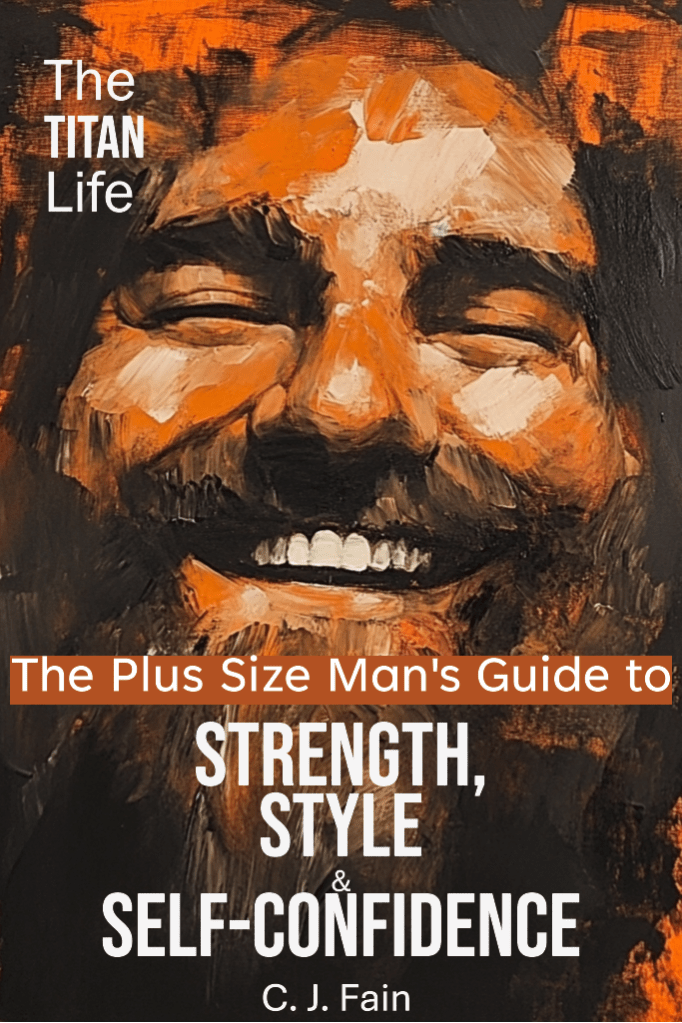
Introducing The Titan Life: The Plus Size Man’s Guide to Strength, Style, & Self-Confidence
We’re proud to announce the launch of The Titan Life, a new eBook created specifically for plus-size men who are ready to reclaim their strength, confidence, and style — without shrinking themselves to fit anyone else’s standards.
This isn’t your typical fitness guide. It’s a mindset shift. A performance plan. A confidence boost. A lifestyle.
Whether you’re just getting started or coming back after a break, this book meets you where you are — and helps you move forward with intention.
What’s Inside the Book
The Titan Life is packed with real, practical guidance for plus-size men who want to build a better relationship with fitness, nutrition, style, and self-respect. Inside, you’ll find:
Fitness routines tailored for bigger bodies
Joint-friendly workout modifications
Nutrition tips without the crash-diet nonsense
Style advice for confidence and comfort
Mental strategies for long-term motivation
A 30-day kickstart plan with printable tools
You’ll also hear from other plus-size men who are redefining what strength looks like — and how community support changes everything.
Get Chapter One for Free
To celebrate the launch, we’re offering Chapter One: “Building a Fitness Routine That Works for You” completely free.
In this chapter, you’ll learn:
Why most fitness plans fail plus-size men
How to start strong with bodyweight, pool, and resistance band workouts
There are endless fitness guides out there — but almost none written by and for men with bigger builds. This book was born from frustration with generic advice and unrealistic standards. It’s about giving men the tools to move, eat, and live in a way that works for them — no shrinking required.
It’s not about perfection. It’s about progress. Not about fitting in. About standing out.
Want the Full Book?
If you love Chapter One, the full eBook is available now. It’s over 9,500 words of no-nonsense support, strategies, and tools — plus worksheets, trackers, and a 30-day plan to help you take action.
Whether you’re showing up at the gym, walking the block, cooking a better meal, or just learning how to feel good in your skin, this guide is here to walk with you.
Layering is often seen as a style move — but for plus-size men, it’s also about function. The wrong layers can make you overheat, feel restricted, or look bulkier than you actually are. But the right layers? They can regulate your temperature, streamline your shape, and elevate your personal style.
This guide breaks down how to master layering for comfort, movement, and confidence — without compromising your fit or style.
The Three-Layer Rule (And How to Adapt It)
Most layering systems follow this basic formula:
Base Layer – sits closest to your skin
Mid Layer – provides insulation
Outer Layer – protects from the elements
Here’s how to make each layer work specifically for bigger bodies.
Function: Sweat-wicking, temperature-regulating, and smoothing
What to Look For:
Moisture-wicking fabrics like polyester blends, bamboo, or merino wool
Seamless or flat-seam construction to avoid friction points
Longer hems that don’t ride up or roll
Fit Tip:
Choose a base layer that fits close to the skin without being tight. It should support, not squeeze. Look for shirts marketed as “performance” or “active base” — not shapewear.
Function: Traps body heat, adds structure to your look
Best Picks for Big Builds:
Lightweight hoodies or quarter-zips in breathable fleece or cotton-poly blends
Stretch woven button-ups that can layer open or closed
Vests with insulated cores and side stretch panels
Fit Tip:
Avoid thick, heavy layers like chunky sweaters or stiff denim — they add volume and limit range of motion. Go for midweight and stretchy materials that move with you.
Layering gives you a chance to play with contrast — which flatters bigger frames when done right.
Go-To Tips:
Use darker colors at your base layer to streamline your shape
Add interest with textures and prints in mid or outer layers
Vertical elements like zippers, open flannels, or lapel lines draw the eye up and down (a plus!)
Final Tips for Layering Like a Pro
✔ Size up wisely – your base should fit snug, mids can be more relaxed, and outers should close without strain ✔ Stick to three layers max to avoid overheating ✔ Roll, push, or cuff sleeves to break up bulk and add style ✔ Try your full outfit sitting down – if it bunches or pulls, swap layers ✔ Invest in essentials – a few great pieces go further than a closet full of “maybe” items
Your Style, Your Fit
Layering isn’t about hiding your body. It’s about honoring it — by choosing fabrics, fits, and looks that work with your shape, not against it. Whether you’re dressing for the gym, streetwear, or a chill night out, layering gives you versatility and confidence.
Too often, bigger guys are taught to shrink themselves—physically and emotionally. Whether it’s avoiding tank tops in the summer, skipping beach trips, or second-guessing a gym session, the message has been: don’t be “too much.”
That ends here.
Confidence isn’t about being the loudest in the room—it’s about being fully present in your life. Let’s break down what showing up bold actually looks like, and how to practice it in everyday moments.
1. Wear the Tank Top (or Whatever You’ve Been Avoiding)
The Challenge: You’ve got the tank. It fits. But you keep reaching for sleeves because you’re worried about what people will think.
The Shift: Confidence isn’t about what others see—it’s about how you feel. The truth? Most people are too focused on their own insecurities to care what you’re wearing. The right fit and breathable fabric (like moisture-wicking cotton blends) can make a huge difference in how you carry yourself.
Titan Tip: Try layering a tank under an open button-down or pairing it with athletic shorts you actually like. Style builds confidence.
2. Take the Trip—Yes, Even the Flight
The Challenge: You want to travel, but worries about fitting in seats, uncomfortable stares, or limited clothing options hold you back.
The Shift: You don’t owe anyone smallness. The world is meant for you to explore, too. Research airlines with roomy seating or bring a seatbelt extender if needed (many are free to request). Book the beach trip. Wear the swim trunks.
Titan Tip: Pack versatile, sweat-friendly pieces like mesh-lined shorts and lightweight button-ups that keep you cool and confident.
3. Own the Gym, the Beach, or Wherever You Show Up
The Challenge: Public spaces, especially fitness and beach environments, can feel hyper-judgmental.
The Shift: Walk in like you’ve got just as much right to be there as anyone else—because you do. Bold doesn’t mean arrogant. It means present. Focus on how movement makes you feel, not how it makes you look.
Titan Tip: If mirrors throw you off, choose a workout area without them. Find one go-to outfit that makes you feel strong—like a sweat-wicking tank and fitted joggers with stretch.
The Challenge: You’ve spent years trying to be invisible.
The Shift: Confidence is a muscle. Start flexing it. Post the photo. Introduce yourself first. Say “yes” to more.
Titan Tip: Start with one bold choice a week—whether that’s wearing the bright color, asking the question, or standing closer to the front in group settings. Small wins add up.
5. Surround Yourself with Real Support
The Challenge: You’re trying to do this confidence thing solo.
The Shift: You need people who see you, hype you, and hold you accountable to your goals. Follow body-diverse creators. Join communities that get it. Filter your feed like your life depends on it—because mentally, it does.
Titan Tip: Search hashtags like #PlusSizeMen or #BigAndBold for inspiration. Curate a social media environment that lifts, not limits, your self-perception.
Showing up bold isn’t about having it all figured out. It’s about choosing yourself—every day. The tank top, the trip, the gym session—they’re not just actions. They’re statements. You’re here. You’re worthy. And you’re not waiting for a “goal weight” to live life out loud.
Resistance bands offer a joint-friendly, low-impact way to build strength and improve mobility. They’re portable, versatile, and scalable — making them perfect for plus-size men looking to get stronger without stressing the joints. Whether you’re new to fitness or getting back into a routine, band-based training helps develop muscle and coordination while reducing injury risk.
1. Banded Squats
What It Targets: Glutes, quads, hamstrings, and core stability How to Do It:
Stand on the middle of the resistance band with feet shoulder-width apart
Hold the handles or ends at shoulder height
Slowly lower into a squat, keeping your chest up and knees tracking outward
Press back up through your heels Reps: 3 sets of 10–12
Fitness Should Be for Every Body—Not Just One Body Type
Walking into a gym as a plus-size man can be intimidating. The loud clanking of weights, mirrors lining the walls, and rows of ultra-fit bodies can make even the most determined person hesitate. But here’s the truth: fitness isn’t exclusive. And you deserve a space where you feel empowered, not judged.
The good news? Inclusive fitness spaces are on the rise. Whether you’re just starting your journey or already on the grind, there are gyms, trainers, and communities built with your needs in mind.
In this post, we’re sharing where to find body-positive, plus-size-friendly fitness spaces that focus on support, strength, and sustainability—not shame.
Before we dive into where to look, let’s define what to look for:
Trainers who understand larger bodies and offer modifications without judgment
Equipment that accommodates all sizes comfortably and safely
Marketing that features diverse bodies, not just thin or shredded physiques
A culture of encouragement, not comparison
Focus on functionality and health, not just aesthetics
1. Local Gyms That Prioritize Inclusivity
Community-Based Fitness Centers
Check out YMCA locations or community rec centers. Many offer beginner-level classes and emphasize health at every size. Ask if they offer adaptive workouts or trainers with experience working with plus-size clients.
Women’s and Co-Ed Body Positive Gyms
While some are women-focused, many co-ed gyms are taking a body-positive approach. Look for phrases like:
“All bodies welcome”
“Size-inclusive training”
“Health at Every Size (HAES) certified”
2. Personal Trainers Who Specialize in Plus-Size Clients
Many personal trainers now specialize in adaptive fitness and body-positive coaching. You can find them by searching:
“Plus-size friendly personal trainer near me” “Body positive fitness coach” “HAES certified trainer + [your city]”
Look for Certifications Like:
NASM or ACE with additional training in adaptive fitness
Sometimes, it’s not about the location—it’s about the people. These online communities create spaces where encouragement and accountability are the norm.
4. What to Ask Before You Commit to a Gym or Trainer
Not sure if a space is right for you? Here are some questions to ask:
“Do you have experience training plus-size clients?”
“Are there modification options for joint support or mobility needs?”
“Is your equipment accessible for all sizes and fitness levels?”
“Can I try a session before committing?”
If they hesitate or dismiss your questions—that’s a red flag. Keep looking. You deserve better.
You Belong in the Gym. Period.
Fitness isn’t a look. It’s a lifestyle. Whether you’re training to walk up stairs without pain, play with your kids, or just feel stronger every day—your goals are valid, and your body is worthy of that effort right now.
Finding a space that sees your potential, not your weight, can be a game-changer. Don’t settle for less.
Breaking the Stereotypes: Fitness Is for Every Body
For too long, the fitness industry has pushed an unrealistic ideal — one that leaves many plus size men feeling left out. But times are changing. More and more men are stepping into the spotlight, owning their space in the gym, and building strong, supportive communities that say: “Fitness is for everyone.”
Whether you’re just starting your wellness journey or looking for fresh motivation, building and joining a like-minded fitness community can completely change your experience.
Why Community Support Matters for Plus Size Men
1. Encouragement Over Judgment Too many fitness spaces can feel intimidating. But in a body-positive fitness community, support replaces shame. Encouragement comes from people who understand your journey — not those who expect overnight transformations.
2. Realistic, Sustainable Progress No crash diets. No “summer shred in 7 days.” Just honest, steady progress. In these communities, it’s not about perfection — it’s about consistency, movement, and celebrating every win.
3. Shared Experience = Stronger Motivation It’s empowering to hear from someone who’s been where you are — who understands joint pain, limited mobility, or the fear of stepping into a gym. These shared stories create a safe space where vulnerability turns into strength.
2. Local Gyms with Inclusive Trainers Some gyms now market themselves as inclusive or body-positive. Look for those that highlight personal training tailored to individual ability, or offer small group classes with a welcoming vibe.
3. Specialized Fitness Apps and Platforms Apps like FitBod, Future, or even YouTube channels focused on beginner and plus size workouts can foster a sense of connection and progress — especially if paired with community features or comment sections.
Inspiring Plus Size Fitness Influencers to Follow
These creators are real, authentic, and redefining what fitness looks like:
Kelvin Davis (@notoriouslydapper): A pioneer in plus-size male fashion and body positivity, Kelvin mixes dapper style with powerful confidence-boosting messages. He’s been featured in GQ, Huffington Post, and Buzzfeed.
Steven Green (@theofficialsteveng): Known for his incredible fitness transformation, Steven promotes movement at every size and encourages men to embrace strength and growth, not just aesthetics.
Zach Miko (@zachmiko): Zach was the first plus-size male model signed to a major agency. He’s also a podcaster, actor, and fierce advocate for inclusive sizing in menswear.
How to Build Your Own Support System
1. Start Small — Even One Friend Helps Accountability doesn’t require a massive group. A friend who checks in or walks with you weekly can make a big impact.
2. Share Your Journey (If You’re Comfortable) Even simple posts like “First gym day in years” can spark engagement and help you connect with others doing the same.
3. Be a Voice for Others Once you find confidence in your space, offer encouragement to someone just starting out. That full-circle moment? That’s where the real inspiration happens.
Fitness doesn’t have to be a lonely grind. For plus size men, especially, the support of a like-minded community can make the difference between burning out and breaking through.
So whether you’re lifting, walking, swimming, or just starting to move again — remember: you’re not alone. The journey is better when we lift each other up.
Looking to shed fat and build strength without wrecking your knees? High-Intensity Interval Training (HIIT) doesn’t have to mean burpees and box jumps. If you’re a plus size man who wants to get results without joint pain, low-impact HIIT is the perfect solution. In this guide, we’ll break down everything you need to know — including the best exercises and how to do them safely.
Why Low-Impact HIIT Works for Plus Size Men
Low-impact HIIT delivers serious fat-burning potential with shorter, more manageable workouts. It alternates between bursts of effort and rest, keeping your heart rate high without putting too much stress on your joints.
You don’t need to punish your body to get fit. With these low-impact HIIT workouts, plus size men can lose fat, build strength, and feel more confident — all while keeping knees and joints safe. Start slow, stay consistent, and the results will follow.
Every summer, the pressure ramps up. Social media, ads, and fitness culture start pushing the same outdated message: get a “beach body” or stay covered. But for plus size men, it’s time to shift that narrative. A beach body isn’t defined by abs or a number on the scale. A beach body is any body — at the beach.
This post challenges toxic standards and offers a fresh perspective on body confidence, specifically geared toward plus size men navigating the summer season.
Why Summer Can Feel Especially Challenging
Warmer weather usually means fewer layers, more social events, and pool or beach invites. For many plus size men, this can trigger self-consciousness or anxiety around body image. The pressure to hide, cover up, or skip events altogether is real — but it doesn’t have to be the norm.
Confidence isn’t about looking a certain way — it’s about feeling secure in your own skin. Here are practical mindset shifts to build real confidence this season:
1. Focus on Comfort, Not Comparison
Stop comparing yourself to fitness influencers or mainstream ads. Wear what feels good and fits your body comfortably. Confidence begins with comfort.
2. Own Your Space
Take up space unapologetically — whether that’s sitting poolside, hitting the beach, or showing up to a BBQ. Everyone belongs, and no one has a monopoly on summer.
3. Reframe the Mirror Talk
Instead of criticizing perceived flaws, appreciate what your body does. Strength, resilience, movement — those are things worth celebrating.
Surround yourself with friends or community members who celebrate all body types and understand what true confidence looks like. Energy matters.
5. Dress for Empowerment
Moisture-wicking shirts, comfortable shorts, and tailored swimwear designed for big and tall bodies can make a huge difference. When clothes fit well, confidence comes naturally.
Building a Summer Routine That Supports Confidence
Confidence also comes from consistency. Here’s how to build a summer rhythm that supports both physical and mental well-being:
Move in ways you enjoy – walking, swimming, lifting, or yoga.
Stay hydrated – feeling good often starts with basic wellness.
Practice mindfulness – daily affirmations, journaling, or unplugging from toxic content.
Confidence Doesn’t Wait on a Six-Pack
There’s no deadline for feeling good. Confidence is a mindset, not a body type. This summer, let go of unrealistic expectations and show up as you are — not just at the beach, but in every area of life.