Author: Admin

  • Embracing the Mirror: Body Positivity for Plus-Size Men

    Embracing the Mirror: Body Positivity for Plus-Size Men

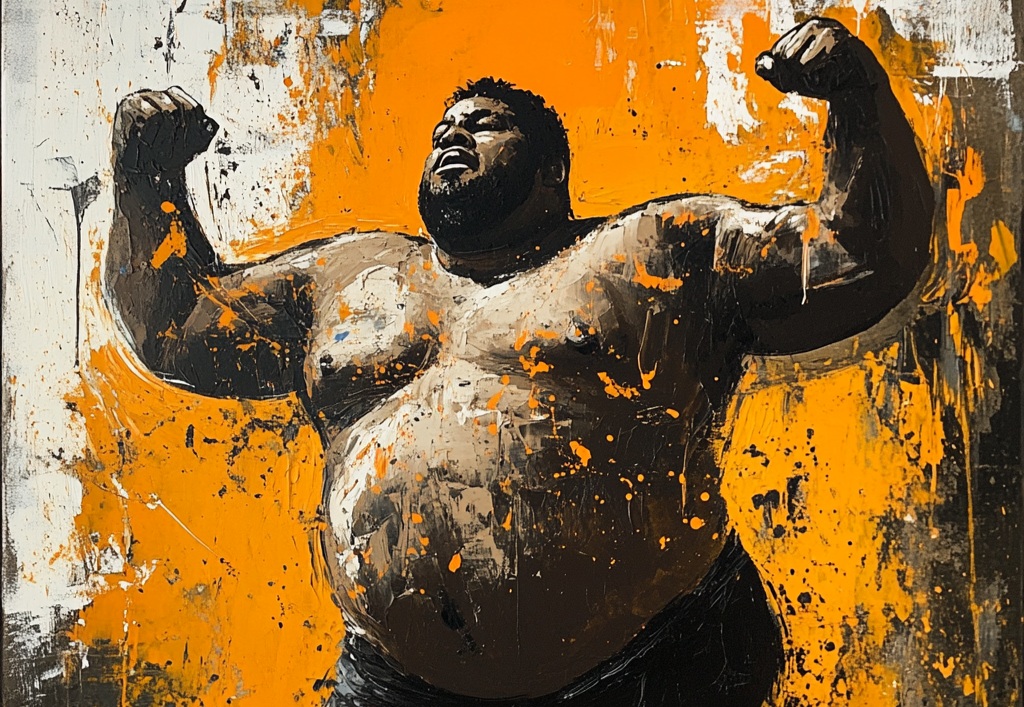
    In a culture that often idolizes a single body type, plus-size men are frequently left out of the conversation around confidence, fashion, and fitness. But times are changing — and body positivity isn’t reserved for just one group. For plus-size men, embracing the mirror and building self-confidence is more than possible — it’s powerful.

    Understanding Body Positivity

    Body positivity is about respecting and accepting all bodies, regardless of size, shape, or appearance. It’s not about ignoring health — it’s about rejecting shame. For plus-size men, this means unlearning toxic stereotypes and embracing strength, style, and self-worth at any size.

    Why Representation Matters

    One of the biggest challenges is lack of representation. Fitness campaigns, fashion ads, and lifestyle branding rarely show plus-size male bodies. This absence can silently reinforce the idea that larger bodies don’t belong in those spaces — the gym, the runway, or even in the conversation.

    That’s why representation matters. Seeing plus-size men confidently owning their space encourages others to do the same. Whether it’s an athlete, influencer, or neighbor — confidence is contagious.


    National Eating Disorders Association: Body Image and Eating Disorders


    The Mirror Isn’t the Enemy

    For many, the mirror becomes a tool for self-criticism. But it can become a tool for power.

    Instead of fixating on flaws, use the mirror to:

    • Appreciate progress (no matter how small)
    • Recognize strong features
    • Get comfortable seeing yourself with compassion

    Clothes that fit well, postures that exude strength, and routines that make you feel good all contribute to building a positive self-image.

    Style and Strength at Every Size

    Confidence isn’t about wearing smaller clothes — it’s about wearing what makes you feel strong. Well-fitted athletic gear, breathable fabrics, and modern cuts allow plus-size men to train, walk, or chill in comfort and confidence. When style works with the body instead of against it, it becomes a tool of empowerment.


    Related: The Ultimate Guide to Moisture-Wicking Clothing: A Deep Dive for Plus-Size Men


    Combining Fitness with Self-Acceptance

    Fitness doesn’t have to start from a place of shame. Instead of working out to “fix” something, try training to feel more energy, move better, and celebrate what your body can do. When fitness becomes a form of self-respect, rather than punishment, it becomes sustainable — and deeply rewarding.

    Confidence Looks Good on Everyone

    Body positivity isn’t about settling — it’s about thriving. Plus-size men deserve to feel seen, stylish, and strong. Confidence isn’t a result of perfection; it comes from accepting where you are and building from there.


    Related: Morning Routines That Boost Confidence for Plus Size Men


    Embrace the mirror. Embrace the journey. Confidence starts now.

  • Moisture-Wicking vs. Cotton: What Plus-Size Men Need to Know About Workout Fabrics

    Moisture-Wicking vs. Cotton: What Plus-Size Men Need to Know About Workout Fabrics

    When it comes to performance and comfort during workouts, choosing the right fabric can make all the difference—especially for plus-size men. Not all materials are created equal, and the wrong choice can lead to discomfort, overheating, or even skin irritation. Two of the most common fabrics seen in gym wear are cotton and moisture-wicking synthetic blends, but which one should take up space in the fitness wardrobe?

    Here’s a breakdown of how these fabrics perform, and why moisture-wicking clothing may be a better fit for plus-size men focused on functionality and long-term comfort.


    Why Fabric Choice Matters for Plus-Size Athletes

    The more intense the workout, the more the body sweats—and with increased body surface area, plus-size men often experience more sweat retention and chafing. Fabric plays a huge role in managing that sweat and keeping the skin dry, cool, and free from irritation. Choosing between cotton and moisture-wicking fabrics isn’t just about fashion—it directly impacts performance and overall comfort.


    Related: The Best Plus-Size Workout Clothes for Comfort & Performance


    Cotton: Natural but Not Always Ideal

    Cotton is a soft, breathable natural fiber that feels comfortable when dry. It’s often used in basic t-shirts and lounge wear. However, for active use, it presents several challenges:

    • Absorbs moisture: Cotton holds onto sweat, becoming heavy and clingy.
    • Dries slowly: Once wet, cotton takes a long time to dry, which can lead to skin discomfort.
    • Increases friction: Wet cotton increases the chances of chafing, particularly in areas like the inner thighs and underarms.

    Cotton may feel great at first, but it’s not built for high-performance workouts, especially for those who need extended comfort and dryness.


    Moisture-Wicking Fabrics: Engineered for Performance

    Moisture-wicking fabrics, like polyester blends or technical synthetics, are designed to pull sweat away from the skin and dry quickly. These materials offer several key benefits for plus-size men:

    • Keeps the skin dry: Sweat is transported to the surface of the fabric where it evaporates faster.
    • Reduces chafing: Drier skin and smoother materials mean less friction during movement.
    • Maintains temperature regulation: Helps prevent overheating during intense sessions.
    • Lighter feel: Even during heavy activity, these fabrics remain breathable and light.

    Moisture-wicking gear is a game-changer for comfort, especially during weightlifting, cardio, or extended gym sessions.


    When to Choose Each Fabric

    ActivityRecommended Fabric
    High-intensity workoutsMoisture-wicking
    Outdoor trainingMoisture-wicking
    Lifting with minimal sweatEither, depending on comfort
    Lounging or light walksCotton may be fine

    Tips for Buying Moisture-Wicking Clothes for Bigger Builds

    1. Look for “technical” or “performance” fabric blends like polyester, spandex, or nylon.
    2. Choose flatlock seams to minimize skin irritation and improve durability.
    3. Avoid overly tight fits—opt for performance fits that allow airflow and mobility.
    4. Prioritize stretch and flexibility to ensure full range of motion during workouts.
    5. Stick with trusted brands that offer extended sizes and build with body diversity in mind.

    Related: How to Layer Gym Wear Without Overheating: Style Tips for Bigger Builds


    Trusted Brands Offering Plus-Size Moisture-Wicking Apparel


    Ready to Upgrade the Gym Wardrobe?

    While cotton has its place in casual comfort, moisture-wicking fabric is the clear winner for plus-size men seeking performance and comfort in the gym. The right fabric not only boosts confidence but also supports longer, more effective workouts by minimizing discomfort and maximizing mobility.

    Choosing high-performance, moisture-wicking clothing built for bigger bodies can make every session more enjoyable—and more effective. Invest in gear that works as hard as the body does.

  • Why Representation Matters in Fitness: Breaking Stereotypes Together

    Why Representation Matters in Fitness: Breaking Stereotypes Together

    Redefining the Face of Fitness

    The fitness industry has long showcased a narrow standard of what strength, health, and athleticism “should” look like. For plus-size men, this lack of visible representation can create barriers before the first workout even begins. But the tide is turning—and it’s time to highlight why inclusive representation in fitness isn’t just important, it’s transformational.


    The Problem with One-Size-Fits-All Fitness Imagery

    Scroll through most fitness ads or Instagram hashtags, and the results are predictable: lean, chiseled bodies with six-packs and minimal body fat. This kind of uniform imagery sends an unspoken message—this is what fit looks like.

    For plus-size individuals, especially men, this creates:

    • Unrealistic comparisons
    • Feelings of invisibility
    • A belief that fitness spaces aren’t for everyone

    Why Representation Empowers Action

    When men of different shapes and sizes are visible in fitness spaces—whether online or in person—it validates that strength and health can come in all forms.

    Here’s what authentic representation makes possible:

    • Inspiration: Seeing someone who looks like you achieving their goals builds belief in what’s possible.
    • Belonging: Representation signals that fitness isn’t an exclusive club—everyone deserves a seat at the table.
    • Confidence: Visibility encourages participation, helping more people take that first step without shame or hesitation.

    Related: 10 Ways to Combat Negative Self-Talk and Boost Confidence in Fitness


    Plus-Size Men Changing the Narrative

    Today, more plus-size men are becoming vocal, visible leaders in the fitness community. Whether through personal blogs, social media, or training certifications, these individuals are reshaping the idea of what “fit” looks like.

    Examples include:

    • Influencers showcasing real-time progress, workouts, and setbacks
    • Trainers specializing in inclusive fitness programs
    • Communities and hashtags like #FatAthlete and #PlusSizeFitness creating space and visibility

    How to Be Part of the Change

    Every reader has the power to move this movement forward. Here’s how to make a difference:

    • Support inclusive brands that feature real bodies, not just ideals
    • Share your journey, even if it’s just starting out—visibility inspires
    • Challenge stereotypes when they show up in conversation, media, or marketing
    • Join or create spaces where every body is welcome—from gym meetups to online forums

    Related: The Power of Accountability: How to Build a Supportive Fitness Community


    Building a Stronger, More Inclusive Fitness Culture

    Representation isn’t about checking boxes—it’s about changing lives. When plus-size men see themselves reflected in the fitness world, it removes shame and replaces it with strength, motivation, and pride. By challenging outdated norms and embracing diversity, fitness becomes more than a destination—it becomes a movement.

  • Low-Impact Cardio Workouts That Actually Burn Fat (Especially for Plus-Size Men)

    Low-Impact Cardio Workouts That Actually Burn Fat (Especially for Plus-Size Men)

    Why Low-Impact Cardio Matters

    For plus-size men looking to burn fat, build endurance, and improve heart health, low-impact cardio is an effective and joint-friendly solution. These exercises reduce strain on the knees, ankles, and hips while still delivering serious calorie burn. This guide breaks down the top low-impact cardio workouts, how to perform them, and why they’re ideal for sustainable fat loss.

    Benefits of Low-Impact Cardio for Plus-Size Men

    • Protects joints while still promoting fat loss
    • Helps build cardiovascular endurance
    • Supports sustainable weight management
    • Ideal for beginners and those easing back into fitness
    • Encourages consistency without risk of burnout

    1. Walking (Treadmill or Outdoors)

    Why it works: Walking is one of the most accessible low-impact cardio exercises. It’s easy to scale up or down based on fitness level and can be done virtually anywhere.

    How to do it:

    • Start at a comfortable pace for 20–30 minutes
    • Gradually increase time or intensity by adding hills or intervals
    • Focus on good posture and consistent breathing

    Titan Tip: Using a treadmill allows you to control speed and incline without joint shock.


    Related: Knee-Friendly Leg Day: Exercises That Spare the Joints but Build Mass


    2. Elliptical Training

    Why it works: The elliptical provides a full-body, joint-friendly workout. It mimics running without the impact and includes upper-body engagement for added calorie burn.

    How to do it:

    • Step onto the machine and select a beginner-level resistance
    • Use both arms and legs for a total-body movement
    • Maintain a steady pace for 20–40 minutes depending on fitness level

    Titan Tip: Focus on keeping your feet flat and avoid leaning too heavily on the handles.


    3. Cycling (Stationary or Outdoor Bike)

    Why it works: Cycling is a great way to torch calories and build leg strength while seated, which eases pressure on the joints.

    How to do it:

    • Start with 10–15 minutes of light cycling
    • Aim for a cadence of 60–80 RPM
    • Increase resistance or time as your stamina improves

    Titan Tip: Stationary bikes allow you to train indoors regardless of weather and let you monitor progress in real-time.


    Related: Beginner-Friendly Workouts for Plus-Size Men: Starting Your Fitness Journey with Confidence


    4. Water Aerobics or Swimming

    Why it works: Water reduces the effect of gravity on the joints while adding resistance, making every movement count without stress on the body.

    How to do it:

    • Choose water-walking, basic swim strokes, or instructor-led aqua classes
    • Aim for 30-minute sessions, 2–3 times a week
    • Use pool noodles or water weights for added resistance if available

    Titan Tip: Swimming is also excellent for improving lung capacity and flexibility.


    5. Step Aerobics (Low Step)

    Why it works: Step aerobics can be modified for low-impact use while still delivering a great cardio burn. It also improves coordination and balance.

    How to do it:

    • Use a step platform no higher than 4–6 inches
    • Step up with one foot, then the other, and step back down
    • Keep movements controlled and knees soft
    • Perform in intervals: 1–2 minutes of stepping followed by 30 seconds of rest

    Titan Tip: Start slow and use a mirror if available to maintain good form.


    Burn Fat Without the Impact

    Low-impact cardio workouts provide a powerful and practical path to better fitness for plus-size men. Whether it’s walking, swimming, or cycling, consistency is key. By choosing exercises that are gentle on the joints yet tough on calories, long-term progress becomes sustainable—and injury-free.

  • The Power of Small Wins: Why Micro Goals Lead to Major Changes

    The Power of Small Wins: Why Micro Goals Lead to Major Changes

    In the world of fitness, it’s easy to get caught up in the big picture—dramatic weight loss, lifting heavy, or running for miles without stopping. But for plus-size men starting a fitness journey, lasting progress often comes from a less flashy but far more sustainable strategy: small wins.

    This post explores how setting micro goals builds momentum, reinforces confidence, and creates meaningful long-term results.


    Why Small Wins Matter in Fitness and Mindset

    Small wins are defined as achievable, incremental goals that lead toward a larger objective. For example:

    • Showing up at the gym three times this week
    • Drinking more water daily
    • Choosing one healthy meal per day
    • Stretching for 10 minutes before bed

    Each one seems simple, but they form the foundation for real transformation.

    These wins build trust in the process and help establish consistent habits—key elements for plus-size individuals who may feel overwhelmed or discouraged at the start.


    Related: Reframing Failure: How Setbacks Can Fuel Your Fitness Journey


    The Psychology Behind Micro Goals

    Research shows that the brain releases dopamine—the feel-good chemical—when a task is completed. Hitting a small goal gives an instant reward, which makes it more likely the behavior will be repeated. This creates a positive feedback loop that helps fuel motivation.

    More importantly, small goals reduce the fear of failure. Big resolutions often feel intimidating, but micro goals break down the path into something manageable and encouraging.


    Harvard Business Review: The Power of Small Wins


    Examples of Micro Goals That Make a Big Impact

    Here are some realistic goals tailored to plus-size men beginning their fitness or wellness journey:

    • Walk for 15 minutes a day for one week
    • Track meals 3 days a week using a basic food journal or app
    • Do 3 bodyweight exercises at home, like wall push-ups or chair squats
    • Replace one sugary drink per day with water or a no-calorie alternative
    • Try one new vegetable per week to expand nutrition habits
    • Wake up 30 minutes earlier twice a week to prep a healthy breakfast or stretch

    Each small step reinforces progress and sets up a mental environment where fitness feels achievable, not punishing.


    Stacking Wins for Bigger Results

    One win leads to another. Once walking for 15 minutes feels easy, it becomes 30. Once one healthy meal a day becomes routine, it grows into two. This is called habit stacking, and it’s a powerful tool for lifestyle change.

    The compounding effect of these habits doesn’t just improve physical health—it strengthens self-discipline, mindset, and confidence.


    Tips for Setting Effective Micro Goals

    • Be Specific: “Work out more” is vague. “Walk for 10 minutes before dinner” is measurable.
    • Keep It Realistic: Set goals that fit your current routine and physical ability.
    • Track Progress: Use a notebook, app, or calendar to visually see progress.
    • Celebrate the Win: No goal is too small to be proud of. Acknowledge every step forward.

    Related: How to Set Realistic Fitness Goals and Stay Motivated Along the Way


    Building Big Change, One Win at a Time

    Transformation doesn’t happen overnight—but every step taken in the right direction matters. For plus-size men working toward better fitness, small wins aren’t just preparation for success—they are success.

    Momentum is built through movement, not perfection. So set that first micro goal, crush it, and keep going. The confidence built from these early victories fuels everything that comes next.

  • How to Layer Gym Wear Without Overheating: Style Tips for Bigger Builds

    How to Layer Gym Wear Without Overheating: Style Tips for Bigger Builds

    When it comes to working out, dressing in layers can feel counterintuitive—especially for plus-size men who already run warm. But proper layering isn’t about adding bulk—it’s about regulating temperature, staying dry, and looking sharp while getting the job done in the gym.

    This guide breaks down how to layer gym wear without overheating, with practical tips tailored for bigger builds who prioritize both performance and confidence.


    Why Layering Matters in the Gym

    Layering helps manage body temperature during different phases of a workout: the warm-up, peak intensity, and cool-down. For plus-size athletes, it also offers:

    • Moisture control
    • Coverage and support
    • Style versatility
    • Confidence boost

    But the key is choosing the right pieces and fabrics to avoid overheating.


    Related: The Best Plus-Size Workout Clothes for Comfort & Performance


    The Foundation: Moisture-Wicking Base Layer

    The base layer should fit close to the body and wick sweat away from the skin. For plus-size men, look for:

    • Breathable synthetics like polyester or nylon blends
    • Seamless or flatlock stitching to prevent chafing
    • Extended sizing for a snug fit without restriction

    Titan Tip: Avoid cotton—once it’s wet, it stays wet. Opt for brands that specialize in moisture-wicking apparel for larger bodies.


    Mid-Layer Options: Breathable and Lightweight

    The mid-layer helps trap warmth during warm-ups or outdoor sessions but should be easy to shed as your body temperature rises.

    Ideal mid-layer choices:

    • Mesh-panel hoodies
    • Performance long sleeves
    • Quarter-zips with ventilation features

    Look for stretch panels and side vents for increased airflow.


    Outer Layer: Only When Necessary

    If you’re exercising outdoors in cool weather, a light outer shell can be useful—but make sure it’s:

    • Wind-resistant but breathable
    • Water-repellent, not waterproof (to allow heat to escape)
    • Easy to remove and stash

    Titan Tip: Choose an outer layer with armpit zips or mesh lining to enhance ventilation.


    Smart Fabric Choices for Bigger Bodies

    For maximum breathability and flexibility, prioritize fabrics like:

    • Polyester mesh
    • Bamboo blends (naturally breathable and soft)
    • Spandex-infused knits for stretch and ease of movement

    Check labels for terms like “moisture-wicking,” “quick-dry,” and “climate control.”


    Related: The Ultimate Guide to Moisture-Wicking Clothing: A Deep Dive for Plus-Size Men


    Tips to Avoid Overheating While Layering

    • Dress for your environment: Gym workouts require fewer layers than outdoor runs.
    • Start light, add only if needed: Don’t layer out of habit—layer with purpose.
    • Use zippered styles: Easy to regulate temperature mid-workout.
    • Pay attention to color: Lighter tones reflect heat better in the sun.

    Trusted Brands That Offer Extended Sizes

    Some brands doing it right for plus-size activewear include:


    Confidence and Function: A Balanced Approach

    Layering gym wear for plus-size men is about balance—staying comfortable without overheating while looking put-together and strong. With the right fabrics, cuts, and techniques, layering becomes a tool to enhance both performance and confidence.


    Stay Cool, Stay Confident

    Ditch the bulk and master the art of layering with smart, breathable choices. Whether hitting the gym or training outdoors, the right approach to gym wear keeps movement easy, sweat under control, and style on point.

  • The Ultimate Guide to Moisture-Wicking Clothing: A Deep Dive for Plus-Size Men

    The Ultimate Guide to Moisture-Wicking Clothing: A Deep Dive for Plus-Size Men

    For plus-size men, finding the right workout gear is crucial to staying comfortable and motivated. One of the most important factors to consider when choosing athletic apparel is moisture-wicking fabric. Whether you’re hitting the gym or going for a run, moisture-wicking clothes can make all the difference in your performance and comfort. In this guide, we’ll explore what moisture-wicking clothes are, how they work, and why they’re essential for anyone who exercises—especially for plus-size men.

    What Is Moisture-Wicking Fabric?

    Moisture-wicking fabric refers to a type of material designed to pull sweat away from the skin and onto the surface of the fabric. This process helps the sweat to evaporate more quickly, keeping your body dry and comfortable during physical activities. Instead of absorbing moisture like cotton, moisture-wicking clothes transport it to the surface, where it can evaporate faster.


    Related: Moisture-Wicking Clothes for Bigger Guys: Stay Dry, Cool, and Comfortable


    How Moisture-Wicking Fabric Works

    The magic of moisture-wicking clothing lies in its construction. These fabrics are typically made from synthetic materials like polyester, nylon, or blends that feature hydrophobic (water-repelling) properties. This enables the fabric to “wick” moisture from your skin. In addition, moisture-wicking fabrics often feature special knitting techniques that increase the surface area of the fabric, allowing more sweat to be drawn out and evaporated.

    Benefits of Moisture-Wicking Clothing for Plus-Size Men

    For plus-size men, comfort and performance are paramount when choosing workout gear. Here’s why moisture-wicking clothing is a game-changer:

    1. Keeps You Dry and Comfortable
      Sweating during a workout is natural, but it can quickly lead to discomfort, chafing, and even overheating. Moisture-wicking fabrics help keep you dry by pulling moisture away from the body. This is especially important for plus-size individuals who may experience more sweat buildup.
    2. Reduces Chafing
      Chafing can occur when sweat-soaked fabrics rub against the skin. Moisture-wicking clothing helps reduce this issue by preventing sweat buildup and ensuring that the fabric stays dry against your skin.
    3. Helps Maintain Body Temperature
      Staying cool is essential for optimal performance during a workout. Moisture-wicking clothes help regulate body temperature by promoting evaporation, which can prevent overheating.
    4. Quick-Drying and Breathable
      Unlike cotton, moisture-wicking fabrics dry quickly, allowing you to stay comfortable even after a heavy workout. The breathable nature of these fabrics also helps air circulation, ensuring you’re never trapped in a hot, sweaty mess.
    5. Longer Durability
      Moisture-wicking fabrics are designed to withstand frequent washing and heavy workouts. They don’t lose their shape or performance over time like cotton-based clothing can.

    The Best Moisture-Wicking Fabrics for Plus-Size Men

    Different fabrics offer varying levels of moisture-wicking performance. Let’s take a look at some of the most common types of materials used in moisture-wicking clothing:

    • Polyester
      Polyester is one of the most popular materials for moisture-wicking workout clothes. It’s durable, lightweight, and highly effective at pulling moisture away from the skin.
    • Nylon
      Nylon is another moisture-wicking fabric that is known for its smooth texture, lightweight feel, and breathability. It’s also quick-drying, making it a great option for high-intensity workouts.
    • Merino Wool
      Merino wool is a natural moisture-wicking fabric that has gained popularity in activewear. It’s ideal for colder weather since it traps heat while also pulling sweat away from the body.
    • Spandex/Elastane
      Often blended with polyester or nylon, spandex adds flexibility and stretch to moisture-wicking clothes, ensuring a comfortable fit during any movement.
    • Bamboo Fiber
      Bamboo is a sustainable, eco-friendly fabric that is naturally moisture-wicking and breathable. It’s also hypoallergenic, making it ideal for sensitive skin.

    How to Choose Moisture-Wicking Clothes

    When shopping for moisture-wicking clothing, especially as a plus-size man, there are a few key factors to consider:

    1. Fit and Comfort
      Always choose workout gear that fits comfortably. Look for clothes with a good balance of snugness and flexibility, which will allow you to move freely without restriction.
    2. Fabric Blend
      Look for moisture-wicking clothes made with a blend of synthetic materials like polyester and nylon for optimal moisture management. Avoid fabrics like cotton that absorb sweat and stay wet.
    3. Purpose of Activity
      For high-intensity workouts, look for clothes made from materials that can handle sweat buildup and dry quickly, such as polyester blends. For lower-intensity activities or cooler weather, Merino wool or bamboo fiber may be more comfortable.
    4. Breathability
      Consider fabrics with added ventilation or mesh panels that allow air to circulate, keeping you cool throughout your workout.

    Related: The Best Plus-Size Workout Clothes for Comfort & Performance


    Where to Buy Moisture-Wicking Clothes for Plus-Size Men

    There are several brands that offer great options for plus-size men looking for high-quality moisture-wicking apparel. Some of the top choices include:

    • Under Armour: Known for its durable, moisture-wicking clothing designed for high-performance athletes.
    • Nike: Offers a range of moisture-wicking apparel in inclusive sizes, making it accessible for plus-size men.
    • Old Navy: Provides affordable moisture-wicking options for plus-size men, with a focus on comfort and ease of movement.
    • Reebok: Offers moisture-wicking workout gear in various styles and sizes that are perfect for both intense and moderate workouts.

    Keep the Sweat Away

    Moisture-wicking clothing is an essential part of any workout wardrobe, especially for plus-size men who need clothing that promotes comfort, performance, and confidence. By choosing the right fabrics and understanding how they work, you can make sure you stay cool, dry, and comfortable during every workout. From polyester blends to Merino wool, there are numerous moisture-wicking options available to help you perform at your best.

  • How to Set Realistic Fitness Goals and Stay Motivated Along the Way

    How to Set Realistic Fitness Goals and Stay Motivated Along the Way

    Setting realistic fitness goals is crucial for success, especially for plus-size men beginning their fitness journeys. Whether aiming to lose weight, build muscle, or improve overall health, having clear, achievable goals can make a significant difference. This guide will help you set goals that are both realistic and motivating, along with tips to stay on track and achieve lasting results.


    Related: How to Stay Motivated When the Scale Isn’t Moving: A Guide for Plus-Size Men

    Why Realistic Fitness Goals Matter

    Realistic fitness goals are key to creating a sustainable workout routine. Unrealistic goals, like expecting to lose a large amount of weight in a short period, can lead to disappointment and burnout. Setting attainable fitness goals provides direction, helps track progress, and motivates continued effort.

    Achieving small, incremental goals keeps you motivated and reinforces the idea that progress takes time. For plus-size men, these goals may not only revolve around weight loss but also improving endurance, strength, and confidence.

    Step 1: Assess Your Current Fitness Level

    Before setting fitness goals, it’s important to understand your current fitness level. If you’re new to exercise or haven’t worked out in a while, starting slow and focusing on gradual improvement will make a huge difference.

    • Track your baseline metrics: Record your current weight, body measurements, stamina, and strength.
    • Test flexibility and mobility: See how far you can stretch or bend to assess your body’s flexibility.
    • Note energy levels: Pay attention to how you feel after a walk or workout—this will help you understand your starting point.

    Understanding where you are now will give you a better idea of what’s possible and allow you to set realistic fitness goals that are specific to your situation.

    Step 2: Define Your Fitness Goals

    Once you understand your fitness level, it’s time to define your fitness goals. These should be both realistic and specific. Break them down into short-term and long-term goals, making them measurable to track progress.

    Examples of Realistic Fitness Goals:

    • Short-Term Goals:
      • Walk 10,000 steps a day for the next two weeks.
      • Add 5 minutes to your workout time each week.
      • Do 3 sets of 10 squats by the end of the month.
    • Long-Term Goals:
      • Lose 10 pounds in 3 months through diet and exercise.
      • Build up to running a 5K within 6 months.
      • Increase overall strength (e.g., lifting heavier weights) by 20% in a year.

    Make sure your goals are S.M.A.R.T.:

    • Specific: Define exactly what you want to achieve.
    • Measurable: Track progress with numbers (e.g., weight lost, distance run).
    • Achievable: Ensure it’s within your current abilities and limitations.
    • Relevant: Align your goals with your broader fitness or health aspirations.
    • Time-Bound: Set deadlines for each goal to stay motivated.

    Related: How to Develop a Champion Mindset for Long-Term Success

    Step 3: Start Small and Build Gradually

    It’s essential to start with manageable goals and gradually increase the intensity or duration. If you’re new to exercise, this will prevent overwhelm and injuries, while helping you stay consistent.

    For example:

    • Start with low-impact activities like walking, cycling, or swimming.
    • Gradually add strength training with bodyweight exercises like squats, push-ups, or lunges.
    • Increase intensity as your body adapts, aiming to improve your performance weekly or monthly.

    By breaking down goals into smaller, digestible tasks, you’ll feel accomplished along the way and build momentum toward larger goals.

    Step 4: Track Your Progress

    Tracking your progress is essential to staying motivated and adjusting your goals as needed. Use a fitness journal, app, or spreadsheet to log your workouts, measurements, and achievements.

    • Record your workouts: Note the exercises, sets, reps, and weights lifted.
    • Track weight and measurements: While weight loss is a common goal, don’t forget to measure other markers like body fat percentage or muscle gain.
    • Celebrate small wins: Achieving small milestones, such as lifting heavier or running longer distances, will keep you motivated.

    Celebrating your progress boosts confidence and reinforces the importance of consistency and perseverance.

    Step 5: Stay Flexible and Adjust When Necessary

    It’s important to remember that life happens, and sometimes goals may need to be adjusted. Injuries, schedule changes, or life events can affect your progress, but this doesn’t mean failure. Stay flexible and reassess your goals when necessary.

    If a certain goal isn’t working out as planned, adjust it rather than giving up. For example, if you’re struggling to make time for workouts, aim for shorter but more frequent sessions, or modify your goal from weight loss to improving endurance.

    Step 6: Stay Consistent and Motivated

    Consistency is key to achieving long-term fitness goals. But staying motivated can be difficult, especially on days when progress feels slow. Here are some tips to stay consistent and motivated:

    • Find a workout buddy: Having a friend or fitness partner can keep you accountable.
    • Mix up your workouts: Try new exercises to keep things exciting and prevent boredom.
    • Join a fitness community: Connect with others online or at the gym who share similar goals and challenges.
    • Focus on the journey, not just the outcome: Celebrate non-scale victories, like increased energy, better mood, or improved sleep.

    Related: How to Maximize Your Workout Efficiency: Tips for Faster Results

    Realistic Fitness Goals Lead to Sustainable Results

    Setting realistic fitness goals and focusing on steady, incremental progress will lead to lasting results. For plus-size men, fitness is a personal journey that requires patience, consistency, and motivation. By defining specific, achievable goals and tracking progress, you can build a fitness routine that works for your body and your lifestyle.

  • Beginner-Friendly Workouts for Plus-Size Men: Starting Your Fitness Journey with Confidence

    Beginner-Friendly Workouts for Plus-Size Men: Starting Your Fitness Journey with Confidence

    Embarking on a fitness journey can feel overwhelming, especially for plus-size men who are new to working out or have been away from exercise for a while. The good news is that getting started doesn’t require extreme workouts or intense regimens. By starting slow and focusing on beginner-friendly workouts, anyone can build strength, improve cardiovascular health, and increase overall mobility — all at their own pace. This guide is designed to help plus-size men take the first step toward a healthier lifestyle by incorporating simple, effective exercises into their routine.

    Why Fitness Matters for Plus-Size Men

    Physical fitness offers a wide range of benefits for plus-size men, including:

    • Improved cardiovascular health: Regular exercise helps reduce the risk of heart disease, stroke, and high blood pressure.
    • Increased energy levels: Regular movement can reduce feelings of fatigue and boost your overall energy throughout the day.
    • Better mood and mental health: Exercise releases endorphins, which are natural mood boosters.
    • Enhanced strength and mobility: Building strength helps improve muscle tone and flexibility, making it easier to move and function day-to-day.

    By starting with simple, beginner-friendly workouts, you can build a solid foundation and work your way up to more advanced fitness levels over time.


    Related: Overcoming Fitness Plateaus with the Help of Your Fitness Circle: How Support Drives Success


    1. Walking: The Ultimate Low-Impact Cardio Exercise

    How to Do It

    Walking is one of the best and easiest forms of exercise for plus-size men. It’s a low-impact activity that gets your heart rate up without putting too much strain on your joints. To get started:

    • Choose a flat, comfortable route: Whether it’s around your neighborhood, a park, or on a treadmill, walking can be done anywhere.
    • Start with short intervals: Begin with a 10–15-minute walk, 3 to 5 times a week, and gradually increase the duration as you build stamina.
    • Maintain a brisk pace: Aim for a pace that makes you breathe a little harder but still allows you to talk comfortably. Aim for 3–4 mph if walking outside.
    • Wear supportive shoes: Proper footwear is essential for preventing injury and ensuring comfort during your walks.

    Benefits for Plus-Size Men

    Walking helps burn calories, promotes heart health, and increases endurance. Over time, you’ll be able to walk for longer periods or at a faster pace, which will help you progress in your fitness journey.


    Healthline: What Are the Benefits of Walking?


    2. Bodyweight Squats: Strengthen Your Lower Body and Core

    How to Do It

    Squats are a great way to build lower body strength and work your core. For plus-size men, bodyweight squats are an excellent beginner-friendly option since they don’t require equipment.

    • Stand with your feet shoulder-width apart: Keep your chest lifted and your back straight.
    • Lower your hips as if you’re sitting down in a chair: Bend your knees and push your hips back, keeping your knees aligned with your toes.
    • Go as low as you feel comfortable: Aim for a 90-degree angle at your knees, but only go as low as you can maintain good form.
    • Push through your heels to return to standing: Stand up slowly, fully extending your hips and knees at the top.

    Benefits for Plus-Size Men

    Bodyweight squats help tone your thighs, hips, and glutes, as well as improve balance and stability. They also activate your core, which is essential for overall strength and posture.


    Related: Knee-Friendly Leg Day: Exercises That Spare the Joints but Build Mass


    3. Modified Push-Ups: Build Upper Body Strength

    How to Do It

    Push-ups may seem intimidating, but they can be easily modified to suit all fitness levels. Modified push-ups are a great way for plus-size men to build upper body strength without overloading their joints.

    • Start on your hands and knees: Place your hands directly under your shoulders and your knees under your hips.
    • Lower your body toward the ground: Slowly bend your elbows and lower your chest towards the floor, keeping your body in a straight line from head to knees.
    • Push yourself back up: Push through your palms to return to the starting position, fully extending your arms.

    Benefits for Plus-Size Men

    Modified push-ups target the chest, shoulders, and triceps while also engaging your core and back. They’re a great way to build strength in the upper body and improve posture.


    4. Chair Dips: Build Triceps and Upper Body Strength

    How to Do It

    Chair dips are a simple yet effective exercise that focuses on your triceps, shoulders, and chest. This is an excellent exercise for plus-size men because it can be done anywhere with a sturdy chair.

    • Sit on the edge of a chair: Place your hands beside your hips for support.
    • Move your feet forward and bend your knees: Your body should be in a “L” shape, with your feet flat on the floor.
    • Lower your body: Slowly bend your elbows, lowering your body towards the ground while keeping your back close to the chair.
    • Push back up: Press through your palms to lift your body back to the starting position.

    Benefits for Plus-Size Men

    Chair dips strengthen the triceps and shoulders while also engaging the chest. It’s a simple move that works the upper body without requiring complex equipment.


    Related: How to Train With Joint Pain and Mobility Issues


    5. Gentle Yoga: Improve Flexibility and Reduce Stress

    How to Do It

    Yoga is an excellent choice for beginners, especially for plus-size men. It can improve flexibility, balance, and reduce stress, all while being gentle on the joints.

    • Choose a beginner-friendly yoga class or video: Many online platforms offer yoga classes specifically designed for beginners or plus-size individuals.
    • Focus on breathing: Yoga emphasizes deep, mindful breathing, which helps with relaxation and mental clarity.
    • Start with simple poses: Poses such as Cat-Cow (for spinal mobility), Child’s Pose (for relaxation), and Downward Dog (for stretching) are excellent starting points.
    • Hold each pose for a few breaths: Don’t rush — focus on form, breathing, and ease.

    Benefits for Plus-Size Men

    Yoga can enhance flexibility, relieve muscle tension, and improve joint mobility. It also promotes mindfulness and stress relief, helping you stay mentally strong during your fitness journey.


    6. Swimming: A Full-Body, Low-Impact Workout

    How to Do It

    Swimming is one of the best low-impact exercises for plus-size men, as it provides a full-body workout without placing strain on your joints.

    • Find a local pool: Look for a pool with a shallow end to start, especially if you’re new to swimming.
    • Start with basic strokes: Begin with simple strokes like the freestyle (front crawl) or backstroke, which are easy to learn and effective for cardio.
    • Swim at a comfortable pace: Aim for a moderate pace that allows you to maintain a steady rhythm without overexerting yourself.
    • Alternate with rest periods: Take breaks as needed to catch your breath and recover.

    Benefits for Plus-Size Men

    Swimming provides a full-body workout, toning muscles, improving cardiovascular health, and burning calories. Plus, the buoyancy of the water makes it gentle on the joints, making it ideal for plus-size individuals.


    Start Slow and Build Your Confidence

    Starting a fitness journey as a plus-size man doesn’t need to be overwhelming. By incorporating simple, beginner-friendly exercises like walking, squats, push-ups, chair dips, yoga, and swimming, you can build strength, improve mobility, and boost your overall health. The key is to start slow, listen to your body, and gradually increase intensity as you build confidence and stamina. Stay committed, and you’ll see progress — no matter where you start.

  • How to Stay Motivated When the Scale Isn’t Moving: A Guide for Plus-Size Men

    How to Stay Motivated When the Scale Isn’t Moving: A Guide for Plus-Size Men

    Progress isn’t always measured by the numbers on the scale. For plus-size men committed to a healthier lifestyle, it can be frustrating when the scale doesn’t seem to budge. However, the key to lasting success in any fitness journey is staying motivated even when immediate results are hard to see. This guide will help you stay focused and inspired when it feels like the scale isn’t reflecting your hard work.

    Why the Scale Isn’t the Best Indicator of Success

    It’s crucial to remember that the number on the scale only tells part of the story. Many factors contribute to how your body changes—muscle gain, water retention, hormonal fluctuations, and more. The scale doesn’t account for these changes. Here are some reasons why the scale might not move even though you’re making progress:

    • Muscle Gain: Muscle weighs more than fat, so as you build muscle, you might not see a drastic weight change.
    • Water Retention: Exercise, especially intense workouts, can cause temporary water retention, making it seem like you’re not losing weight.
    • Hormonal Changes: Fluctuations in hormones can affect weight loss and retention, which can make the scale seem unresponsive.
    • Plateaus: Weight loss is rarely linear. There will be periods when the body needs time to adjust before progressing further.

    1. Focus on Non-Scale Victories (NSVs)

    When the scale isn’t moving, it’s time to celebrate the victories that aren’t reflected by numbers. These non-scale victories (NSVs) are just as important for your motivation and can often be more significant than a number on a scale. Here are a few NSVs to look out for:

    • Increased Energy: Feeling more energetic and motivated throughout the day is a great sign of overall health improvement.
    • Improved Strength and Endurance: Whether you’re lifting heavier weights or feeling less winded during a workout, physical progress is happening.
    • Better Sleep: Many people report better quality sleep as they become more active and focused on their fitness.
    • Looser Clothes: While the scale may not show drastic changes, your clothes might fit more comfortably or start to feel looser.

    Related: Overcoming Fitness Plateaus with the Help of Your Fitness Circle: How Support Drives Success

    2. Set New, Achievable Goals

    Instead of focusing solely on weight loss, set other types of fitness goals that can help you stay on track. Some examples include:

    • Strength Goals: Aim to lift a specific weight or complete a certain number of push-ups or squats.
    • Endurance Goals: Challenge yourself to run a specific distance or improve your cardio fitness.
    • Body Measurements: Track changes in body measurements (waist, hips, chest) to monitor progress.
    • Habit-Based Goals: Focus on habits like working out a certain number of days per week, meal prepping regularly, or getting more steps each day.

    3. Track Progress in Different Ways

    Your fitness journey is multifaceted, and progress can come in many forms. Instead of relying on the scale, try tracking other aspects of your health and fitness, such as:

    • Workout Progress: Log your workouts to track your strength, endurance, and overall performance improvements.
    • Fitness Apps: Use fitness apps to monitor your calorie intake, activity level, and overall health.
    • Photographs: Take progress pictures regularly to see how your body is changing over time.

    4. Connect with a Community

    Having a support system can make a world of difference when you feel discouraged. Engage with a community of like-minded individuals who can offer encouragement and support. Whether through online forums, social media groups, or local fitness classes, finding people who understand your journey will provide inspiration and motivation to keep going.

    5. Practice Self-Compassion

    Your worth is not defined by the number on the scale. It’s important to be kind to yourself and recognize that progress takes time. Fitness journeys are rarely linear, and there will be ups and downs along the way. Remind yourself that every effort, no matter how small, is a step in the right direction.


    Related: Why Failure Is Your Best Teacher (and How to Use It to Your Advantage)


    6. Seek Professional Guidance

    If you find yourself stuck, it may be helpful to work with a fitness coach or a nutritionist. These professionals can provide personalized advice based on your body type, goals, and any unique challenges you may face. They can help adjust your workout routine or nutrition plan to break through plateaus and help you get back on track.

    7. Embrace the Journey, Not Just the Destination

    Fitness isn’t just about reaching a specific weight or body type—it’s about developing habits that support long-term health and well-being. Focus on the process of getting stronger, feeling healthier, and building a better lifestyle rather than obsessing over what the scale says. The journey itself is just as important as the destination.


    Stay the Course and Keep Moving Forward

    When the scale isn’t moving, it’s easy to feel disheartened, but the key to lasting success is persistence. Focus on the non-scale victories, set new goals, and remember that progress is a journey, not a race. Keep your mindset strong, celebrate every small victory, and continue pushing forward. By staying committed, you’ll find yourself reaching new heights, even when the scale doesn’t reflect it right away.