Category: Fitness & Performance

Workout routines, strength training, recovery, and performance tips.

  • The Best Cardio Workouts for Bigger Bodies (That Won’t Destroy Your Joints)

    The Best Cardio Workouts for Bigger Bodies (That Won’t Destroy Your Joints)

    Why Cardio Matters for Bigger Bodies

    Cardiovascular exercise is essential for heart health, endurance, and overall fitness, but not all cardio workouts are ideal for plus-size men. High-impact activities like running or plyometrics can put excessive stress on your joints, leading to discomfort or injury. The key is finding low-impact cardio workouts that are effective yet joint-friendly, so you can build stamina without unnecessary pain.

    1. Walking: The Underrated Powerhouse

    Walking is one of the most effective and sustainable forms of cardio for plus-size individuals. It’s low-impact, accessible, and can be adjusted based on your fitness level.

    How to Maximize Walking for Fitness:

    • Start with 20-30 minutes a day and gradually increase your pace and duration.
    • Add incline (hills or treadmill) to boost calorie burn without extra impact.
    • Use walking poles to engage your upper body and improve posture.

    Mayo Clinic: Walking: Trim Your Waistline, Improve Your Health


    2. Swimming & Water Aerobics

    Swimming is an excellent full-body workout that provides resistance training while eliminating impact on your joints. The buoyancy of water reduces stress on knees and ankles, making it perfect for plus-size men.

    Best Pool Workouts:

    • Laps at a steady pace for endurance and heart health.
    • Aqua jogging for a running alternative without joint stress.
    • Water aerobics classes for structured workouts in a supportive environment.

    3. Cycling: Low-Impact & High-Intensity

    Cycling is one of the best ways to get your heart rate up without pounding your joints. Whether you choose an indoor stationary bike or ride outdoors, it’s an efficient way to burn calories while improving leg strength.

    Tips for Plus-Size Cyclists:

    • Use a wide, cushioned saddle for comfort.
    • Adjust the seat height to ensure proper knee alignment and prevent strain.
    • Opt for a recumbent bike if you need extra lower-back support.

    4. Rowing: Full-Body Cardio with Strength Benefits

    Rowing is an underrated cardio exercise that engages your legs, core, and upper body, all while keeping the impact low. It’s especially great for plus-size men looking to improve endurance and strength at the same time.

    How to Get Started:

    • Focus on form first to avoid lower back strain.
    • Use a steady, controlled pace rather than rushing.
    • Set small time goals (5-10 minutes) and build up over time.

    5. Boxing & Shadowboxing

    Boxing is an engaging, high-energy cardio workout that improves coordination, burns calories, and strengthens your upper body. Shadowboxing (boxing movements without a bag or opponent) is a joint-friendly way to get started.

    Beginner’s Guide to Boxing Workouts:

    • Start with shadowboxing to practice form and footwork.
    • Use a heavy bag for resistance while keeping impact manageable.
    • Incorporate jump rope (optional) at a low pace for added cardio.

    6. Resistance-Based Cardio (Kettlebells & Battle Ropes)

    Traditional cardio isn’t the only way to improve endurance. Strength-based cardio using kettlebell swings, battle ropes, or sled pushes can offer a low-impact but high-intensity alternative.

    Benefits of Strength-Based Cardio:

    • Burns fat while preserving muscle.
    • Easier on joints than running.
    • Improves full-body power and endurance.

    Related: The Ultimate Guide to Strength Training for Bigger Bodies

    Cardio That Works for You

    Cardio doesn’t have to mean running until your knees ache. By choosing low-impact, joint-friendly workouts, you can improve your endurance, burn calories, and boost heart health without discomfort. Whether it’s walking, swimming, rowing, or boxing, the key is finding an activity you enjoy so you’ll stick with it in the long run.

  • The Ultimate Guide to Strength Training for Bigger Bodies

    The Ultimate Guide to Strength Training for Bigger Bodies

    Updated: April 7, 2025: This guide has been expanded and fully integrated with in-depth strategies tailored for bigger-bodied lifters. We’ve added practical training tips, foundational exercises, a structured beginner program, modifications for comfort, equipment recommendations, nutrition basics, mental health benefits, and more—designed to help you train smarter, stay consistent, and feel more confident in the gym.

    Strength training isn’t just for bodybuilders or elite athletes—it’s for everyone, regardless of size. In fact, plus-size individuals often have a natural strength advantage and can benefit immensely from a structured training program. Whether you’re looking to build muscle, improve mobility, or simply feel stronger in your daily life, this guide will give you everything you need to start and succeed.

    Why Strength Training is Perfect for Plus-Size Individuals

    You may have heard that cardio is the best way to lose weight, but strength training is just as—if not more—important for overall health and fitness. Here’s why:

    1. Strength Training Increases Muscle While Burning Fat

    Lifting weights increases muscle mass, which in turn boosts metabolism and helps the body burn fat more efficiently. A study published in the Journal of Applied Physiology found that resistance training significantly improves body composition, even without major changes in diet.

    2. Stronger Joints, Less Pain

    One of the biggest concerns for plus-size individuals is joint stress, especially in the knees and lower back. Strength training helps by reinforcing the muscles that support these joints, reducing pain, and improving overall stability.


    Related: Why Strength Training is Perfect for Plus-Size Men


    3. Improved Everyday Functionality

    Strength training isn’t just about lifting heavy weights—it directly improves daily activities. Carrying groceries, walking up stairs, or playing with your kids becomes easier when your body is stronger.

    4. It Boosts Confidence & Mental Strength

    Beyond physical changes, lifting weights has a profound impact on mental health. Setting and achieving strength goals builds confidence and helps reshape how you see yourself.


    Related: Breaking the Stigma – Why Every Body is a Fit Body


    Start With the Basics: Form Over Weight

    Before loading up the bar, it’s important to focus on form. Mastering your movement patterns will reduce the risk of injury and lay the foundation for progress. Prioritize:

    • Squat mechanics – Practice bodyweight or box squats to ensure depth and balance. Use a box or TRX straps for support.
    • Hip hinging – Learn this essential movement for deadlifts by practicing with a dowel or resistance band.
    • Pressing with control – Start with light dumbbells or resistance bands and focus on full range of motion.

    Titan Tip: Recording your lifts or working with a coach can help you assess and refine technique.


    How to Get Started with Strength Training

    Step 1: Master the Fundamental Movements

    Before jumping into a program, focus on these five foundational exercises that form the basis of most strength routines:

    • Squats (Box or Goblet): Sit back into a box or hold a dumbbell at your chest for goblet squats. Keep your feet shoulder-width and drive through your heels.
    • Deadlifts (Trap Bar, Conventional, or Romanian): Trap bar deadlifts reduce back strain. Keep your spine neutral and lift with your legs and hips.
    • Push-Ups (Incline or from knees): Modify by placing hands on a bench or wall. Keep your core tight and elbows at 45°.
    • Dumbbell Rows or Machine Rows: Support your chest on an incline bench or use a low row machine. Squeeze your shoulder blades together at the top.
    • Overhead Press (Seated or Standing): Use dumbbells or a barbell. Keep wrists neutral and avoid overarching the lower back.

    Titan Tip: Machines and cables are also excellent options for stability and progressive overload without excess strain.


    Step 2: Modify Exercises for Comfort & Performance

    Since plus-size bodies have different biomechanics, small modifications can improve comfort and effectiveness:

    Wider Stances for Squats & Deadlifts – Helps with balance and mobility
    Dumbbells Instead of Barbells – Allows for a greater range of motion and less wrist strain
    Incline Bench for Presses – Reduces shoulder discomfort and improves form


    Related: The Best Plus-Size Workout Clothes for Comfort & Performance


    The Best Strength Training Routine for Plus-Size Beginners

    Frequency: 3-4 Days per Week
    Focus: Full-body movements to build strength and endurance

    Workout Plan:

    Day 1 – Lower Body Strength

    • Goblet Squats – 3 sets of 12 reps
    • Deadlifts – 3 sets of 8 reps
    • Step-Ups – 3 sets of 10 reps per leg
    • Seated Calf Raises – 3 sets of 15 reps
    • Plank Holds – 3 rounds, 30 seconds each

    Day 2 – Upper Body Strength

    • Dumbbell Bench Press – 3 sets of 10 reps
    • Bent-over Rows – 3 sets of 10 reps
    • Overhead Dumbbell Press – 3 sets of 8 reps
    • Bicep Curls – 3 sets of 12 reps
    • Hanging Leg Raises – 3 sets of 12 reps

    Day 3 – Full Body & Conditioning

    • Kettlebell Swings – 3 sets of 15 reps
    • Goblet Squats – 3 sets of 12 reps
    • Dumbbell Deadlifts – 3 sets of 10 reps
    • Battle Ropes – 3 rounds, 30 seconds each

    Training Tips for Bigger Athletes

    • Modify Range of Motion: Use a box, pad, or block to reduce discomfort and keep movements joint-friendly.
    • Use Bands or Machines for Assistance: These can help with pull-ups, dips, and even bodyweight squats.
    • Prioritize Recovery: Warm up properly, stretch post-workout, and use active recovery on rest days.

    How to Prevent Injury & Stay Consistent

    1. Warm-Up Before Every Workout

    A proper warm-up is essential for performance and injury prevention. Try:

    • 5-10 minutes of cardio (walking, cycling, or rowing)
    • Dynamic stretches (leg swings, arm circles, hip openers)

    2. Prioritize Recovery

    Your muscles grow during rest, not just in the gym. Follow these recovery tips:

    • Sleep at least 7-9 hours per night
    • Take rest days to allow muscles to rebuild
    • Use foam rolling & stretching for muscle relief

    What to Eat for Strength & Recovery

    Your diet plays a huge role in how well you recover and perform. Here’s a simple breakdown:

    Protein: Chicken, eggs, tofu, Greek yogurt
    Carbs: Brown rice, quinoa, oats, fruits
    Healthy Fats: Nuts, avocados, olive oil


    Related: Meal Planning Tips for Bigger Guys: A Full Guide to Fueling Strength and Energy


    The Best Equipment for Plus-Size Lifters

    Not all gym equipment is built for bigger bodies. Here are some of the best options:

    • Trap Bars – Easier on the lower back than straight-bar deadlifts
    • Kettlebells – Great for dynamic strength training
    • Adjustable Benches – Allow for different angles and support

    Strength Training FAQs for Bigger Bodies

    Q: Can I do strength training even if I’m overweight?
    A: Absolutely! Strength training is beneficial for everyone and helps improve overall health.

    Q: Should I focus on losing weight first?
    A: No—focus on building strength and performance first. Fat loss can happen alongside muscle gain.

    Q: Will lifting weights make me bulky?
    A: Not unless you train specifically for size. Most people build lean muscle that enhances their shape.


    Every Body Can Be Strong

    You don’t have to look a certain way to be powerful. You don’t have to be a certain size to take up space in the gym. Strength training is about building your resilience, confidence, and independence—inside and outside the gym.

    So whether you’re lifting for the first time or getting back into it after a break, remember this: You belong here. You deserve to feel strong. And your journey is just beginning.
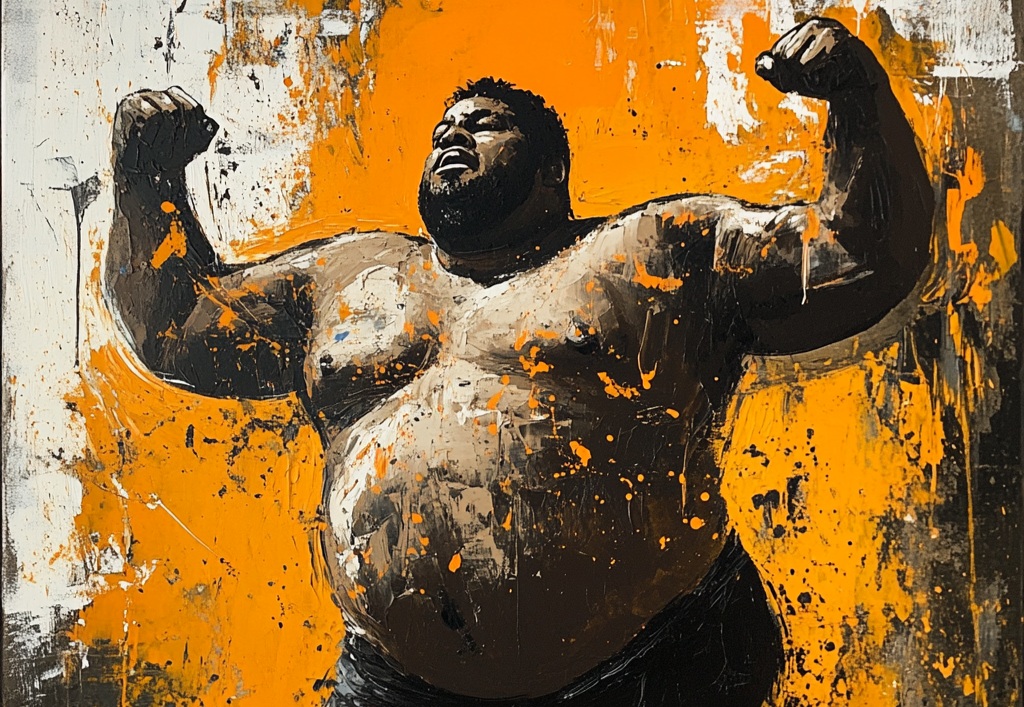
  • Why Strength Training is Perfect for Plus-Size Men

    Why Strength Training is Perfect for Plus-Size Men

    When it comes to strength training for plus-size men, the focus often goes straight to weight loss, but there’s so much more that strength training can offer. Whether you’re new to fitness or returning after a break, strength training isn’t just about building big muscles—it’s about improving your overall health, mobility, and confidence. Plus, it’s perfect for anyone looking to make real, lasting changes without the strain of high-impact cardio. In this post, we’ll explore why strength training is the perfect choice for plus-size men and how it can help you feel stronger, healthier, and more empowered.


    1. Strength Training Helps Build Muscle Mass

    One of the biggest benefits of strength training is its ability to help you build lean muscle mass. As we age, muscle mass naturally decreases, which can lead to a slower metabolism and loss of strength. For plus-size men, building muscle is even more important. Muscle tissue burns more calories at rest than fat tissue, so the more muscle you build, the higher your metabolism will be. Strength training helps combat muscle loss, boosts your metabolism, and can even aid in weight management over time.

    Muscle-Building Exercises for Beginners:
    Bodyweight Squats: Great for strengthening your lower body.
    Push-Ups: Modified push-ups or incline push-ups are a great way to start strengthening your chest and arms.
    Dumbbell Rows: Strengthen your back and improve posture.
    Glute Bridges: Great for your hips and lower back.

    Titan Tip: Focus on progressive overload—gradually increasing the weight or resistance in your workouts to build muscle effectively.


    2. Strength Training Improves Joint Health and Stability

    Carrying extra weight can put a lot of pressure on your joints, leading to discomfort or even injuries. But the right strength training exercises can improve joint health by strengthening the muscles that support your joints. Stronger muscles help protect your knees, hips, and back, which is essential for preventing injury and improving your ability to move comfortably. Exercises like squats and lunges target the lower body, while resistance band exercises are great for strengthening the upper body and core.

    Best Strength Training Moves for Joint Health:
    Leg Press Machine: A great way to strengthen the legs without too much impact on the knees.
    Wall Push-Ups: A great way to work your chest and arms while reducing strain.
    Seated Row Machine: Works the back and shoulders while supporting your posture.


    Healthline: 5 Ways to Strengthen Your Joints


    3. It’s Low Impact and Accessible for All Fitness Levels

    One of the main concerns for plus-size men when starting a fitness routine is the fear of high-impact exercises like running or jumping. Strength training is a low-impact activity that minimizes stress on the joints, making it a fantastic choice for beginners or anyone carrying extra weight. You can start with bodyweight exercises, which put less strain on your body, and as you progress, you can gradually add resistance in the form of dumbbells, resistance bands, or machines. The beauty of strength training is that you can scale the intensity to your fitness level.

    Beginner-Friendly Strength Training Exercises:
    Chair Squats: A modified version of squats using a chair for support.
    Bicep Curls with Dumbbells: Work the arms without high impact.
    Resistance Band Lateral Walks: Strengthen the glutes and legs without strain.
    Step-Ups: Use a low platform to work the legs with minimal impact.


    Mayo Clinic: 10 Weight Training Tips for Beginners


    4. Strength Training Boosts Mental Health and Confidence

    Strength training doesn’t just improve your physical health—it has a major impact on your mental well-being, too. Research shows that regular strength training can help reduce symptoms of anxiety, depression, and stress. As you see your strength increase and your body become more toned, your confidence will grow. Plus, knowing that you’re actively working toward a stronger, healthier body can improve your self-esteem and motivate you to stick with your fitness routine.

    Mental Health Benefits of Strength Training:
    ✔ Increased confidence and self-esteem.
    ✔ Improved mood through the release of endorphins.
    ✔ Better sleep quality due to regular physical activity.
    ✔ Reduced stress and anxiety through consistent exercise.

    Titan Tip: Start by focusing on the positive feelings that come with strength training, not just the physical results. The more you focus on progress, the more motivated you’ll be.


    5. It’s a Key Component of Long-Term Health and Wellness

    Strength training is essential for long-term health and can help reduce the risk of chronic conditions, such as heart disease, diabetes, and high blood pressure. By building lean muscle, you’ll improve your bone density, which is crucial as you age. Furthermore, strength training can help you maintain functional fitness, making everyday tasks (like carrying groceries or climbing stairs) easier. For plus-size men, strength training is about building resilience—physical and mental strength to tackle life’s challenges.

    Strength Training for Long-Term Wellness:
    ✔ Strengthens the bones, reducing the risk of osteoporosis.
    ✔ Supports healthy joints and muscles for better mobility.
    ✔ Helps maintain a healthy weight by boosting metabolism.
    ✔ Improves overall functional fitness for daily tasks.

    CDC: Physical Activity Among Adults Aged 18 and Over: United States, 2020


    Take the Next Step Towards a Stronger You

    Strength training is a powerful tool for any plus-size man looking to improve their overall health, build muscle, and boost their confidence. Whether you’re looking to improve joint health, burn more calories, or simply feel stronger, strength training is the perfect way to get started and keep progressing at your own pace. Don’t worry about lifting heavy weights right away—start with bodyweight exercises, work your way up, and focus on building consistency over perfection.
    Ready to start building strength? Bookmark Titan Life for more fitness tips and stay motivated on your journey to better health

  • How to Start a Fitness Routine as a Plus-Size Man

    How to Start a Fitness Routine as a Plus-Size Man

    Finding a fitness routine for plus-size men can feel overwhelming. Between workout programs designed for lean athletes and the pressure of gym culture, it’s easy to feel like fitness isn’t made for you. But here’s the truth—there’s no “one-size-fits-all” approach to getting active. Whether you’re looking to shed pounds, build muscle, or just feel better in your own skin, the key is starting in a way that works for your body, not against it. In this guide, we’ll break down how to ease into a sustainable fitness routine, build confidence, and see real progress. Let’s get moving.

    Step 1: Set Realistic Goals

    The biggest mistake beginners make? Diving in too hard, too fast. Fitness isn’t about extreme workouts or punishing yourself—it’s about progress. Start by setting clear, attainable goals that keep you motivated.

    Good Beginner Goals:
    ✔ Walk 10-15 minutes a day, three times a week.
    ✔ Complete two strength training sessions per week.
    ✔ Improve flexibility with basic stretching exercises.
    ✔ Track energy levels and mobility instead of just weight loss.

    Titan Tip: Break your goals into small wins. Hitting a goal, no matter how minor, boosts confidence and keeps you going.

    Step 2: Choose Low-Impact Cardio

    Cardio is a key part of any fitness routine, but running and high-intensity workouts can be tough on the joints. Instead, go for low-impact options that keep you moving without causing unnecessary strain.

    Best Low-Impact Cardio for Plus-Size Men:
    Walking: The easiest way to start. Aim for 20-30 minutes per session.
    Cycling: Great for endurance with minimal joint stress.
    Swimming: Full-body workout with zero impact on knees and ankles.
    Elliptical Training: A gym-friendly alternative to running.


    CNN: What You Should Know About the Most Underrated Form of Exercise


    Step 3: Start Strength Training (Without the Intimidation)

    Muscle burns more calories at rest, supports joint health, and makes everyday movements easier. Strength training doesn’t mean lifting heavy weights on day one—you can start small and scale up.

    Beginner-Friendly Strength Exercises:
    Bodyweight Squats: Strengthen your legs without added weight.
    Seated Dumbbell Press: Works your shoulders and chest with minimal strain.
    Resistance Band Rows: Improves posture and back strength.
    Incline Push-Ups: Modify traditional push-ups for better control.

    Titan Tip: Use machines or resistance bands instead of free weights at first. Machines provide support and reduce injury risk.


    Step 4: Stretch and Recover

    Stretching and recovery are just as important as workouts—especially if you’re carrying extra weight. A good stretching routine prevents injuries, improves mobility, and reduces soreness.

    Best Stretches for Plus-Size Beginners:
    Seated Hamstring Stretch – Improves lower body flexibility.
    Wall Shoulder Stretch – Relieves upper body tension.
    Standing Calf Stretch – Reduces tightness in legs.
    Child’s Pose – Loosens lower back and hips.

    Bonus Recovery Tips:
    ✔ Get at least 7-9 hours of sleep per night.
    ✔ Drink plenty of water—hydration aids recovery.
    ✔ Take rest days—your body needs time to repair.


    Step 5: Build Consistency, Not Perfection

    Fitness isn’t about getting it perfect—it’s about showing up. Some days will be harder than others, and that’s okay. The key to long-term success is consistency over intensity.

    How to Stay on Track:
    ✔ Schedule workouts like appointments—don’t skip them.
    ✔ Track progress (steps taken, weights lifted, etc.).
    ✔ Find an accountability partner (a friend, coach, or online community).
    ✔ Celebrate non-scale victories—better sleep, more energy, improved mobility.


    Healthline: The Science of Habit


    Common Myths About Fitness and Weight

    “I have to lose weight before I start working out.”
    ✅ Nope. Fitness helps you feel stronger, healthier, and more energetic—at any weight.

    “Lifting weights will make me bulky.”
    ✅ Strength training builds muscle, but it won’t turn you into a bodybuilder overnight.

    “I need to work out every day to see results.”
    ✅ Recovery is just as important as exercise. Aim for 3-4 days a week to start.


    Get Started Today

    Starting a fitness routine for plus-size men doesn’t have to be complicated. Focus on small, consistent efforts, find activities you enjoy, and listen to your body. Progress isn’t about hitting the gym seven days a week—it’s about moving in a way that makes you feel good and keeps you coming back for more.


    Want more fitness tips tailored for bigger guys? Bookmark Titan Life and check back weekly for fresh content!