Tag: fashion

  • Why Jeans Dig Into Your Stomach (And How to Fix It Without Sizing Up)

    Why Jeans Dig Into Your Stomach (And How to Fix It Without Sizing Up)

    If your jeans feel fine when you’re standing but start digging painfully into your stomach the moment you sit down, bend over, or move through your day, you’re not imagining it — and it’s not just about weight or waist size.

    For many men, especially those with a fuller midsection, jeans that “technically fit” still cause discomfort, pressure, and constant readjusting. This problem is incredibly common, yet rarely explained properly. Most advice stops at “size up,” which often creates new issues without solving the real one.

    This guide explains why jeans dig into your stomach, what’s actually happening with fit and construction, and how to fix the problem without jumping up multiple sizes or giving up on denim entirely.


    Why Jeans Dig Into Your Stomach in the First Place

    The waistband pressing into your stomach isn’t caused by one single factor. It’s usually the result of multiple design and fit issues working together.

    1. The Rise Is Too Low for Your Body Shape

    One of the most common causes is a low or mid-rise waistband on a body that needs more vertical room.

    When the rise is too low:

    • The waistband sits below the natural curve of your stomach
    • Sitting causes the fabric to press inward instead of resting on bone
    • The jeans get pulled down in the back, increasing front pressure

    Low-rise jeans are especially uncomfortable for men with:

    • A belly
    • A rounded midsection
    • Weight carried forward rather than evenly

    This isn’t a sizing issue — it’s a geometry issue.


    2. The Waistband Is Structurally Rigid

    Most traditional jeans use a non-flex waistband designed to hold shape, not adapt to movement.

    When you sit:

    • Your waist circumference increases slightly
    • Your stomach compresses and shifts forward
    • A rigid waistband resists that expansion

    That resistance translates directly into pressure. Stretch in the legs doesn’t help if the waistband itself doesn’t move.


    3. The Jeans Fit Standing, Not Sitting

    Many men try jeans on while standing straight in a fitting room. But daily life involves:

    • Sitting
    • Driving
    • Bending
    • Walking
    • Leaning forward

    Jeans that feel “snug but fine” while standing can become painful under movement because:

    • The rise doesn’t accommodate flexion
    • The waistband doesn’t expand
    • The seat pulls downward when you sit

    A proper fit must work in motion, not just at rest.


    Related: Why Fit Matters More Than Size: A Style Guide for Big Men


    4. The Waist Is the Right Size — But the Seat Is Too Small

    This is a hidden issue many people miss.

    If the seat (the area around the hips and backside) is too tight:

    • The jeans get pulled downward when you sit
    • That downward force increases tension across the stomach
    • The waistband presses inward harder than it should

    You can size up the waist and still have this problem if the cut doesn’t allow enough room in the seat.


    5. The Rise in the Back Is Too Short

    Some jeans have a slightly higher rise in front but a shorter back rise.

    When this happens:

    • The back of the jeans dips when you sit
    • The front waistband compensates by pulling tighter
    • Pressure increases directly over the stomach

    This is why some jeans feel like they’re trying to slide down in back while stabbing you in front.


    Why Sizing Up Often Makes Things Worse

    Sizing up seems logical, but it frequently introduces new problems:

    • Extra fabric bunching under shirts
    • Waist gapping when standing
    • Belt dependence
    • Sloppy fit through the legs
    • Continued discomfort when sitting

    The pressure may reduce slightly, but the underlying structural issues remain. The jeans still weren’t built for your body’s shape and movement.

    The solution isn’t always more room — it’s better distribution of space.


    How to Fix Jeans Digging Into Your Stomach (Without Going Up a Size)

    Here’s how to solve the problem properly.


    1. Choose a Higher Rise (This Is the Biggest Fix)

    A mid-rise to high-rise jean sits higher on the torso, often closer to the natural waist.

    Benefits:

    • The waistband rests on bone instead of soft tissue
    • Less inward pressure when sitting
    • Better balance between front and back

    Look for terms like:

    • “Mid-rise”
    • “High-rise”
    • “Comfort rise”
    • “Classic rise”

    Avoid:

    • “Low-rise”
    • “Modern rise” (often still low)
    • “Slim rise”

    A higher rise alone can eliminate most stomach pressure issues.


    2. Look for a Comfort or Flex Waistband

    Some brands now design waistbands with:

    • Hidden elastic panels
    • Stretch woven directly into the waistband
    • Curved waist shaping

    These allow the waistband to expand slightly when you sit and contract when you stand — without looking like elastic pants.

    This feature is especially helpful if your weight fluctuates or if you spend long periods sitting.


    3. Prioritize Seat Room, Not Just Waist Size

    When trying on jeans:

    • Sit down fully
    • Lean forward slightly
    • Pay attention to how the waistband behaves

    If the waistband pulls downward or digs in more when sitting, the seat is too tight, even if the waist feels correct.

    Look for:

    • Athletic fit
    • Relaxed seat
    • Roomy hip descriptions

    This redistributes tension away from the stomach.


    4. Choose Stretch Denim Strategically

    Stretch matters — but only if it’s in the right places.

    Ideal stretch specs:

    • 1–3% elastane
    • Stretch through the waist and seat, not just the legs
    • Fabric that snaps back after movement

    Avoid ultra-soft, high-stretch denim that:

    • Loses structure
    • Sags during the day
    • Requires constant pulling up

    Related: Denim Maintenance Tips for Big & Tall Guys: Care That Keeps Jeans Lasting


    5. Pay Attention to Back Rise Measurements

    Some jeans quietly list front rise and back rise measurements online.

    If possible:

    • Look for a slightly higher back rise than front
    • Avoid jeans known for low back coverage

    This keeps the waistband level and prevents front pressure when sitting.


    6. Adjust Where You Wear Your Jeans (Slightly)

    Many men wear jeans lower than intended because of habit.

    If your jeans:

    • Sit below your stomach curve
    • Require frequent pulling up
    • Dig in when sitting

    Try wearing them ½–1 inch higher on the waist. Combined with a higher-rise cut, this often improves comfort dramatically.


    Signs You’ve Fixed the Problem

    You’ve found the right jeans if:

    • You can sit without adjusting the waistband
    • There’s no sharp pressure across the stomach
    • The back doesn’t dip when sitting
    • The jeans stay put without a belt
    • Movement feels natural instead of restrictive

    Comfort should be automatic, not something you “get used to.”


    Final Thoughts

    Jeans digging into your stomach isn’t a personal failing, a weight issue, or a sign you need to size up endlessly. It’s usually a design mismatch between the jeans and your body’s shape and movement.

    When you focus on:

    • rise
    • seat room
    • waistband structure
    • fabric behavior

    you can wear jeans comfortably again — without sacrificing style or fit.

    The right pair should support your body, not fight it.

  • How to Stop Jeans From Wearing Out Between the Thighs: A Complete Guide for Plus-Size Men

    How to Stop Jeans From Wearing Out Between the Thighs: A Complete Guide for Plus-Size Men

    No part of jeans takes more damage than the inner thighs. For plus-size men — and for any man with large or muscular thighs — that inner-thigh friction zone becomes a high-stress environment where denim weakens, thins, pills, and inevitably tears. If you’ve ever lost a great pair of jeans to the dreaded “thigh blowout,” you know how frustrating (and expensive) it can be.

    The truth is simple: the thighs wear out before anything else because denim wasn’t originally designed for friction-heavy movement or bigger bodies. But that doesn’t mean you’re stuck replacing your jeans every few months.

    This guide will not only explain why this happens but give you a detailed strategy to prevent it — from choosing the right fabric, to smart fit choices, to reinforcement methods professionals use.


    Related: The Best Jeans for Big & Tall Guys (That Don’t Look Like Dad Jeans)


    Why Jeans Wear Out Between the Thighs

    Understanding the cause is how you prevent it. Inner-thigh denim damage happens for five main reasons — and each one deserves more detail than most style blogs provide.


    1. Constant, Repetitive Friction

    The inside thighs touch and rub with every single step, especially for men with:

    • fuller thighs
    • wider hips
    • muscular legs
    • plus-size or big-and-tall proportions

    This constant friction breaks down cotton fibers. Cotton is soft, and while it’s durable at first, the repeated rubbing causes:

    • fuzzing
    • pilling
    • gradual thinning
    • small thread pops
    • final tearing

    In other words, the thigh area experiences hundreds of micro-abrasions every day. The damage is gradual but guaranteed unless reinforced.


    2. Heat and Moisture Accelerate Wear

    Moisture weakens cotton fibers. Add heat (from the body, from movement, from warm weather), and the problem accelerates.

    Inside the thigh area, you have:

    • heat buildup
    • sweat absorption
    • trapped humidity
    • compressed fabric (due to movement)

    The result: the fibers lose their strength far faster than in other areas like knees or pockets. Even men who don’t sweat heavily experience micro-moisture degradation.


    3. Low-Quality Denim or Weak Fabric Blends

    Not all denim is created equal.

    Cheaper jeans often use:

    • short-staple cotton (weaker)
    • thin denim (7–11 oz)
    • looser weaves
    • no reinforcement stitching
    • weak synthetic blends

    Those fabrics simply cannot stand up to friction.

    High-quality denim lasts longer because it uses:

    • long-staple cotton
    • tighter weaves
    • stronger warp/weft structure
    • reinforced seams
    • more durable yarns

    The average shopper doesn’t know this — but your thighs do.


    4. Incorrect Fit: Too Tight or Too Loose

    Fit plays a massive role in denim longevity.

    Too Tight:

    When thighs are squeezed, every step grinds the denim more aggressively.

    Too Loose:

    When jeans sag, bunch, or droop, the fabric folds inward — creating friction points that thin out even faster.

    Crotch Drop Issues:

    If the jean crotch sits too low, walking creates a constant tension pulling up combined with fabric rubbing inward.

    The right fit minimizes contact, supports movement, and keeps the denim in the correct position.


    5. No Reinforcement in High-Wear Zones

    Most jeans aren’t designed for bigger bodies or men with larger legs. The thigh area is often:

    • single-layer
    • low-stretch
    • no gusset
    • no double-stitching
    • no panel reinforcement

    Workwear brands solve this with reinforced inner panels — and that’s why their jeans almost never blow out.

    Regular jeans? Not built the same.


    The Best Ways to Prevent Jeans From Wearing Out Between the Thighs

    These are the most effective strategies, expanded with actionable depth to help jeans last years longer.


    1. Choose the Right Denim Fabric

    Most jeans only fail because of fabric choice. Choose high-quality denim and your jeans can last 3–5 times longer.

    Let’s break down what to look for.


    High-Density Denim (12–14 oz)

    Heavy denim (often used in workwear) lasts dramatically longer because:

    • the fibers are thicker
    • the weave is tighter
    • friction takes longer to break through

    Lightweight denim (7–11 oz), often used in fast fashion brands, will always wear out faster.

    Best weight ranges:

    • Everyday wear: 12 oz
    • Heavy-duty wear: 13–14 oz

    Durable Stretch Denim (1–3% Elastane)

    A tiny bit of stretch prevents the fabric from pulling or tearing under pressure.

    Stretch also lets thighs slide rather than drag.

    Avoid jeans with over 4% elastane — too much stretch makes the jeans soft and vulnerable.


    Cotton/Synthetic Blends for Reinforcement

    Some of the longest-lasting jeans include small amounts of:

    • polyester
    • nylon
    • cordura
    • rayon

    These fibers resist abrasion and keep the fabric strong.

    Brands like Lee Extreme Motion and Wrangler use blends built for longevity — especially for men with big legs.


    Related: Denim Maintenance Tips for Big & Tall Guys: Care That Keeps Jeans Lasting


    Avoid Ultra-Soft “Comfort Denim”

    While soft denim feels great, it often contains:

    • light fibers
    • loose weave
    • high elastane
    • quick breakdown

    Softness = fragility. Not good for inner thighs.


    2. Pick the Correct Fit for Your Body

    Let’s go deeper, because fit is a huge factor few blogs truly explain.


    Straight, Athletic, or Relaxed Fits Are Best

    Straight Fit:

    Balanced through the thighs, preventing squeeze.

    Athletic Fit:

    Cut specifically for bigger thighs — great for plus-size men AND muscular men.

    Relaxed Fit:

    Gives more room without creating sag.


    Avoid Skinny or Super-Slim Cuts

    They accelerate wear due to exaggerated friction and limited mobility.


    Choose the Right Rise

    High-Rise:

    Best for men with a belly.
    It sits above the stomach and prevents downward pressure.

    Mid-Rise:

    Good for men with straight builds.

    Avoid Low-Rise:

    Creates tension across the crotch and thigh area.


    Check the Crotch Depth

    A proper crotch depth reduces:

    • drag
    • fabric folding
    • constant upward tension

    If your jeans feel “tight at the crotch but loose at the thighs,” the rise or crotch shape is wrong.


    Related: How to Find the Perfect Fit: A Guide to Big and Tall Jeans for Every Body Type


    3. Reinforce High-Wear Areas Before They Wear Out

    This section is critical — and most men never do it.

    Let’s expand it fully.


    Iron-On Denim Patches (Inside the Thigh Area)

    Here’s what makes this so effective:

    • It doubles the material thickness
    • Adds friction resistance
    • Prevents early thinning
    • You never see it from the outside

    Choose heavy-duty iron-on fabric that matches your denim’s weight.

    Reinforce when jeans are new, or shortly after purchase — not after a hole appears.


    Sew-In Reinforcement Panels

    A professional tailor can:

    • add denim gussets
    • reinforce inner seams
    • apply abrasion-resistant patches
    • replace worn panels entirely

    Tailoring costs $10–$25 but can extend jeans life by years.


    Anti-Chafe Underlayers

    The easiest solution: reduce skin-to-denim friction.

    Look for long-leg shorts with:

    • smooth fabric (nylon or poly blends)
    • flat seams
    • moisture-wicking properties
    • 7–9 inch inseams

    These create a friction-resistant barrier, drastically reducing thigh wear.


    Reinforced Jeans Made Specifically for Thigh Durability

    Some brands build thigh reinforcement into their design:

    • Carhartt
    • Wrangler Riggs
    • Duluth Trading Co
    • Lee Extreme Motion

    These often last 2–4× longer than standard fashion denim.

    Related: Best Big and Tall Jeans for 2025: Top Picks for Fit, Comfort & Style


    4. Wash Jeans Correctly to Stop Fiber Damage

    Washing is an invisible destroyer. Here’s the expanded guide.


    Wash Cold Always

    Hot water breaks down cotton and elastane, weakening fabric structure.


    Turn the Jeans Inside Out

    This protects the outer thigh area from agitation.


    Use Gentle Detergent

    Harsh detergents can strip fibers, making them fuzzy and prone to tearing.


    Avoid Fabric Softener

    It breaks down elastane and weakens stitching.


    Never Use the Dryer

    Heat is denim’s worst enemy. It:

    • contracts fibers
    • makes them brittle
    • accelerates wear

    Air-dry only — ideally flat or on a hanger.


    Wash Less Frequently

    Each wash shortens denim lifespan. Instead:

    • spot clean dirt
    • steam the jeans
    • air them out
    • freeze them (optional for odor control)

    Less washing = stronger denim.


    5. Rotate Your Jeans for Maximum Lifespan

    Wearing the same pair every day guarantees rapid thigh wear.

    Rotating looks like:

    • 2–3 pairs in weekly rotation
    • 1 “premium” pair for social outings
    • 1 “workhorse” pair for daily wear

    Spreading out friction extends total lifespan dramatically — sometimes doubling or tripling it.


    6. Choose Brands Known for Thigh Durability

    Here’s a deeper breakdown of the best brands for men with larger thighs.


    Wrangler

    Known for:

    • reinforced seams
    • dense denim
    • workwear-level durability

    Great for men who want rugged jeans.

    Shop men’s jeans at Wrangler.


    Lee Extreme Motion

    Known for:

    • stretch + strength blend
    • comfort waistband
    • extra thigh room

    One of the best values for plus-size men.

    Shop men’s jeans at Lee.


    DXL Private Labels

    Known for:

    • cuts specifically for big & tall men
    • proper seat and thigh proportions

    Heavy-duty and comfortable.

    Shop men’s jeans at DXL.


    Carhartt

    Known for:

    • industrial fabric
    • reinforced thigh panels
    • extremely long life

    Ideal for men who are rough on denim.

    Shop men’s jeans at Carhartt.


    ASOS Design Plus

    Known for:

    • fashion-forward styles
    • good cuts
    • decent durability

    Better for style than extreme wear, but still solid.

    Shop men’s jeans at ASOS.


    American Eagle AirFlex

    Known for:

    • excellent stretch
    • comfort
    • decent thigh durability

    Great for everyday use.

    Shop men’s jeans at American Eagle.


    Levi’s 541

    Known for:

    • athletic fit
    • wider thighs + tapered leg
    • high thigh mobility

    Very popular with men who lift or have thicker legs.

    Shop men’s jeans at Levi.


    7. Use Fabric Guard Sprays for Extra Durability

    These sprays — often used for furniture or car seats — create a thin protective coating on denim.

    Benefits include:

    • reduced friction
    • water resistance
    • less staining
    • stronger fiber structure

    Look for fabric protector sprays that won’t discolor denim.


    8. Fix Small Damage Immediately

    Waiting until a hole forms makes repair harder.

    Signs your jeans need reinforcement:

    • color fading in a circular patch
    • fuzzing
    • pilling
    • thinning that feels “soft”
    • tiny horizontal thread breaks

    Patch these early to prevent full blowouts.


    What to Do If Your Jeans Already Have a Hole

    Expanded repair options:


    1. Iron-On Patch (Inside or Outside)

    Inside patches look clean.
    Outside patches can be styled as “distressed denim.”


    2. Tailor Repair

    Professional reinforcement lasts longer and can restore the jeans fully.


    3. Denim-On-Denim Reconstruction

    Some tailors sew in a new thigh piece entirely — ideal for expensive jeans.


    4. Repurpose

    Turn heavily damaged jeans into:

    • work jeans
    • yard jeans
    • craft or painting jeans

    Preserve your newer pairs by keeping old ones in rotation.


    Yes, You Can Stop Thigh Blowouts

    If you’re a plus-size man, someone with muscular legs, or simply someone who wears jeans often, the inner thigh area will always be the highest-wear zone — but with the strategies above, you can dramatically extend the life of your denim.

    The right fabric, the right fit, and the right care routine can turn a 3-month pair of jeans into a 2-year pair.

    And the more you learn about how jeans are constructed — and what your body type needs — the easier it becomes to choose denim that supports your lifestyle and daily movement.

  • Gifts for Plus-Size Men 2025: The Ultimate Holiday Buying Guide

    Gifts for Plus-Size Men 2025: The Ultimate Holiday Buying Guide

    Finding the right gift for a plus-size man isn’t always easy — not because he’s hard to shop for, but because most mainstream gift guides ignore the realities of comfort, fit, sizing, and everyday practicality. In 2025, the best gifts aren’t novelty items or generic gadgets. They’re products that make life easier, make clothing more comfortable, and make fitness or travel more accessible for men with larger bodies.

    This Ultimate Holiday Buying Guide was created with real needs in mind — whether you’re shopping for a partner, family member, friend, or yourself. From clothing that actually fits to performance gear that supports bigger frames, this guide covers the best, most thoughtful options to make gifting easier than ever.


    1. Clothing That Actually Fits: Practical, High-Quality Plus-Size Apparel

    Most plus-size men struggle to find well-fitting clothing, especially during the holidays when sweaters, jackets, and dress shirts become gifting staples. Choosing brands that prioritize extended sizing is one of the most meaningful ways to show you care.

    Best Brands for Plus-Size Men in 2025

    1. DXL – The Industry Standard

    • One of the largest extended-size ranges
    • High-quality private labels
    • Great for dress clothes, sweaters, jackets, and everyday wear
    • DXL Winter Must-Haves

    2. ASOS Design Plus

    • Trend-forward options
    • Inclusive sizing without “boxy” fits
    • Excellent for younger shoppers or stylish dressers
    • ASOS Black Friday Sale

    3. Goodfellow & Co (Target)

    • Budget-friendly
    • Surprisingly good fit in 3XL–5XL
    • Ideal for basics, layering pieces, and loungewear
    • Shop Goodfellow & Co

    4. Columbia Big & Tall

    Ideal Gifts in This Category:

    • Flannel shirts in extended sizes
    • Fleece-lined joggers
    • Puffer vests with stretch side panels
    • Relaxed-fit sweaters that don’t cling

    Why these work:
    They’re stylish, functional, and specifically built with proper ease and proportions for plus-size frames.


    2. Comfort Essentials: Products That Make Daily Life Easier

    Comfort is a high-value gift category for plus-size men — especially items that improve mobility, reduce friction, or make clothing fit better.

    Best Comfort-Focused Gifts for Plus-Size Men

    1. High-Quality Anti-Chafe Shorts

    • Ideal for everyday wear, especially during travel
    • Brands like Knix, Thigh Society, and Under Armour offer great options

    2. Moisture-Wicking Underwear (3XL–6XL)

    Look for:

    • Flat seams
    • Stretch waistbands
    • Breathable fabrics

    Saxx, Separatec, and PSD now offer expanded sizing.

    3. Compression Socks for Improved Circulation

    These are excellent for:

    • Travel
    • Long workdays
    • Men who stand frequently

    4. Wide-Band Belts and Adjustable Belts

    A belt that doesn’t dig in is a game-changer. ‘Nuff said.

    5. Oversized Robes or Lounge Sets

    High-comfort gifts that feel luxurious but are still practical.

    Why these work:
    They directly address comfort challenges larger men face — without being condescending or gimmicky.


    3. Fitness Gifts Designed for Larger Bodies

    Many plus-size men are active or beginning their fitness journeys, but they need equipment that supports more weight, more torque, and more strain. Thoughtful fitness gifts can motivate without pressure.

    Best Fitness Gear for Plus-Size Men

    1. Heavy-Duty Resistance Bands (High Tensile Strength)

    Great for:

    • Beginners starting strength training
    • Home workouts
    • Travel fitness

    2. Extra-Wide Yoga or Exercise Mats

    Look for:

    • A width of 30–36 inches
    • Thick cushioned support
    • Non-slip texture

    3. XL Weight-Lifting Straps or Grip Support

    Improves safety and reduces pressure on hands.

    4. Plus-Size-Friendly Foam Rollers

    A firmer density allows better support for larger bodies.

    5. Smartwatches With Larger Bands

    Apple, Fitbit, and Garmin all offer extended or XL bands for comfort.

    Why these work:
    Fitness becomes more accessible when equipment fits properly. These items allow plus-size men to train confidently and safely.


    4. Sleep and Relaxation Gifts: The Underrated Essentials

    Gift guides often overlook sleep — but plus-size men benefit significantly from bedding and furniture designed with additional support or comfort in mind.

    Top Sleep-Related Gifts

    1. Weighted Blankets in 20–30 lbs

    Choose a blanket based on 8–10% of body weight.

    2. Cooling Sheets and Comforters

    Ideal for men who run hot at night.

    3. High-Strength Bed Pillows

    Look for pillows designed to maintain height and structure under more weight.

    4. Adjustable Bed Wedges

    Great for:

    • Snoring
    • Back pain
    • Better sleep posture

    Why these work:
    Good sleep is foundational for health, and these items deliver daily comfort and relief.


    5. Tech and Lifestyle Gifts That Are Always a Hit

    Not everything has to be clothing or comfort-related. These general lifestyle gifts are universally appreciated — and require no sizing guesswork.

    Best Neutral Gifts for Plus-Size Men

    1. Quality Headphones (Over-Ear Design Preferred)

    More comfortable for all-day wear.


    2. Smart Home Fitness Mirrors or Subscriptions

    Great for guided beginner workouts.

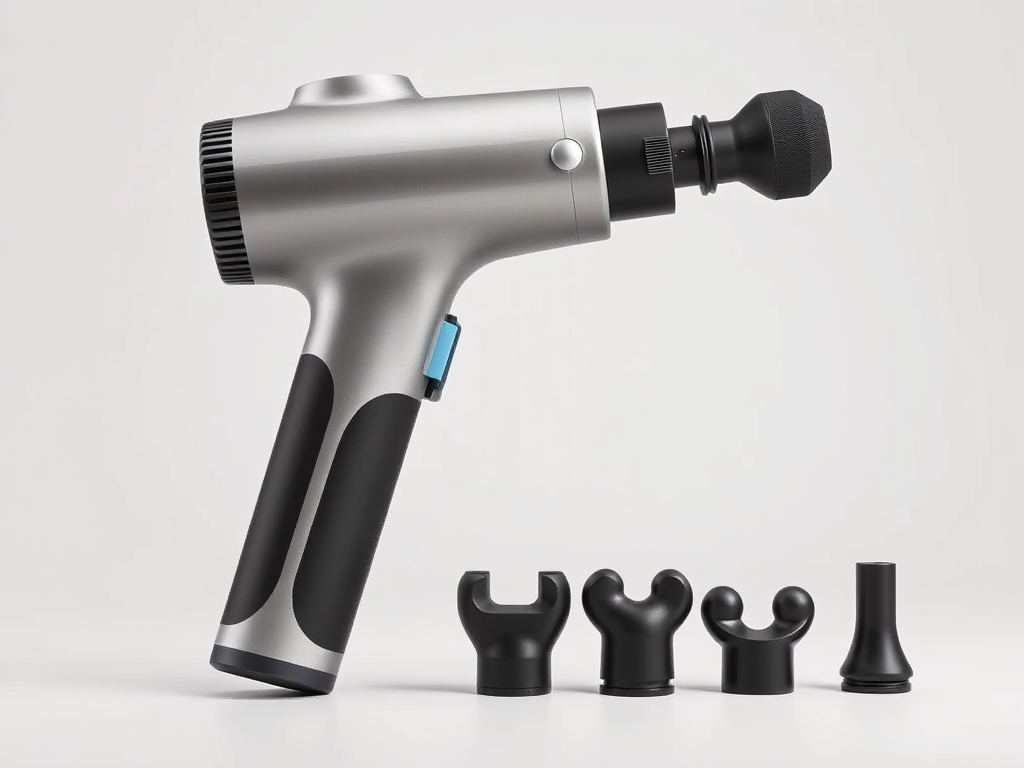
    3. High-Capacity Massage Guns

    Look for:

    • Stronger torque
    • Extended battery life
    • Sturdy grips for larger hands

    4. Travel Gear Designed for Comfort

    Neck pillows, seat-belt extenders, or wider travel bags without awkward proportions.

    5. Grooming Kits

    Beard care, skincare, or cologne sets — always popular and easy to personalize.


    6. Plus-Size Fashion Accessories That Elevate Any Outfit

    Accessories are some of the safest, most universally useful gifts because they aren’t size-dependent.

    Top Accessory Gifts for Plus-Size Men

    • Extra-long scarves
    • Stretch-fit beanies
    • Wide-fit shoes or boots
    • Adjustable suspenders (great for dresswear)
    • Leather weekend bags
    • Oversized watches

    Why these work:
    They add style, comfort, and personality—without the sizing stress.


    7. Thoughtful Gifts That Show You Truly Understand Him

    The best gifts are the ones that show awareness of his lifestyle, challenges, and preferences.

    Ideas That Always Land Well

    • A gift card to a trusted big & tall retailer
    • A custom tailoring credit
    • A premium gym bag with wide shoulder straps
    • A comfortable office chair with higher weight capacity
    • A winter jacket built for movement and warmth

    These gifts are meaningful, practical, and genuinely useful.


    Final Thoughts

    Shopping for a plus-size man doesn’t have to be complicated — it just requires intention. The right gift can make his daily life easier, elevate his confidence, or support his fitness and lifestyle goals. Whether you’re choosing clothing that actually fits, fitness gear built for larger bodies, or comfort items that make everyday routines better, every pick in this guide is designed to be functional, stylish, and long-lasting.

  • Denim Maintenance Tips for Big & Tall Guys: Care That Keeps Jeans Lasting

    Denim Maintenance Tips for Big & Tall Guys: Care That Keeps Jeans Lasting

    A great pair of jeans can become a wardrobe essential — but if you’re a big or tall man, keeping them looking and fitting right takes a little extra attention. The truth is, denim faces more stress on larger frames: more stretch at the seams, more friction between thighs, and more wear at stress points like pockets and knees.

    The good news? With proper care, your favorite jeans can last for years — staying comfortable, structured, and stylish through repeated wear. Here’s how to make that happen.


    Reminder: How to Choose Big & Tall Jeans That Fit Your Waist, Seat, and Length


    1. Wash Less — But Smarter

    One of the biggest denim mistakes is overwashing. Frequent washing breaks down the fibers, fades color, and weakens seams. Instead:

    • Spot clean when possible. Use a damp cloth or mild detergent on stains instead of full washes.
    • Aim for every 5–8 wears. Unless your jeans get visibly dirty or start to smell, this frequency helps them retain shape.
    • Turn them inside out before washing. This prevents color fading and protects the outer surface.
    • Use cold water and a gentle cycle. Hot water shrinks denim and weakens elasticity in stretch jeans.

    Titan Tip: Add a tablespoon of distilled white vinegar to the wash. It locks in color and helps neutralize odor — especially useful for dark denim.


    2. Air Dry Always

    The dryer is denim’s worst enemy — particularly for big and tall sizes, where heat can warp fit and shrink critical areas like the waistband or thighs.

    Instead:

    • Hang jeans to dry over a towel bar or drying rack.
    • Avoid direct sunlight to preserve dye and prevent stiffness.
    • If you must tumble dry, use the lowest possible heat and remove them while slightly damp. Lay them flat or hang immediately to avoid creases.

    Titan Tip: Dry jeans upside down to maintain the natural drape and prevent waistband sagging.


    3. Reinforce Before You Need To

    For plus-size and tall men, friction and fabric tension are the main culprits behind premature wear. Prevent damage before it starts:

    • Patch or reinforce inner thighs. Denim repair kits or a tailor can add a thin cotton lining where jeans rub most.
    • Strengthen belt loops and pockets. A quick reinforcing stitch extends their lifespan dramatically.
    • Check for seam stress regularly. Early repairs cost less and keep jeans structurally sound.

    This small maintenance habit can double the life of your favorite pair.


    Related: Best Big and Tall Jeans for 2025: Top Picks for Fit, Comfort & Style


    4. Handle Stretch Denim With Care

    Stretch denim (usually containing spandex, elastane, or Lycra) is a staple for big and tall men’s jeans — it moves with you and improves comfort. But it also requires gentler care:

    • Avoid fabric softeners. They break down elastic fibers.
    • Never wring out stretch jeans. Press water out gently after washing.
    • Don’t hang from the waistband when wet. It can stretch unevenly. Hang them from the knees or fold them over a rack instead.

    Titan Tip: If your jeans start to lose their shape, wash them once in cold water and air dry completely — it helps the fibers “reset” and recover.


    5. Storage Matters More Than You Think

    Most men fold jeans and stack them — but how you store them affects their longevity.

    • Hang premium denim. Use sturdy hangers that support the waistband evenly.
    • Avoid cramped drawers. Excess pressure along folded seams leads to permanent creases.
    • Rotate your jeans. Wearing the same pair every day wears out the fibers faster than washing does.

    If you have several pairs, rotate them weekly to give each pair time to rest and recover.


    6. Know When to Tailor or Retire Them

    Even well-maintained jeans have a lifespan. For big and tall guys, a skilled tailor can extend that lifespan substantially — hemming, tapering, or repairing without compromising fit.

    When to consider tailoring:

    • When knees start to bag or stretch out.
    • When the waist loosens after multiple wears.
    • When the length isn’t quite right for your shoes or boots.

    When to retire:

    • When tears appear across seams (not along them).
    • When the fabric feels thin or weak at high-friction zones.
    • When repairs start costing more than a replacement pair.

    A good rule: if your jeans lose structure, not just color, it’s time to replace them.


    Related: How to Find the Perfect Fit: A Guide to Big and Tall Jeans for Every Body Type


    7. Build a Simple Denim Care Routine

    To summarize:

    1. Wash infrequently, with cold water.
    2. Air dry only.
    3. Reinforce stress areas.
    4. Avoid harsh detergents and softeners.
    5. Store properly — don’t cram or crease.
    6. Repair before replacing.

    Following these six steps adds years to the life of your jeans — and saves money in the long run.


    Final Thoughts

    Caring for denim isn’t about being delicate — it’s about being deliberate. For big and tall men, small adjustments in how you wash, dry, and store jeans can make a massive difference in comfort, longevity, and fit.

    A well-maintained pair of jeans molds to your body, softens in all the right places, and looks better with time. So treat your denim like an investment — because for men built to live big, the right jeans are more than just fabric. They’re part of your identity.

  • How to Choose Big & Tall Jeans That Fit Your Waist, Seat, and Length

    How to Choose Big & Tall Jeans That Fit Your Waist, Seat, and Length

    Finding jeans that fit properly can feel impossible when you’re a big or tall man. Too often, the waistband digs in, the thighs feel tight, or the legs are so long that they bunch at your shoes. The truth is, most brands design jeans for average builds — not men with larger frames or longer inseams. But the right jeans do exist, and once you understand what to look for, shopping gets a lot easier.

    This guide breaks down everything you need to know to find jeans that fit your waist, seat, and length perfectly — without sacrificing comfort or style.


    1. Understanding Big & Tall Sizing

    Before diving into fit, it helps to understand how “big” and “tall” sizing actually works. Many men assume they’re one or the other — but in reality, you might fall into both categories.

    • Big sizes focus on wider waists and more room through the hips and thighs.
      These are often labeled waist-first (like 44×32 or 46×30).
    • Tall sizes add extra length through the inseam and rise.
      A 36-inch inseam is common for tall builds.

    If you’re both wide and tall (for example, a 42×36), you need jeans that account for both proportions — not just one dimension. Many brands that claim to carry “extended sizes” only adjust waistbands, not leg or rise proportions. That’s why choosing a brand that specializes in big and tall sizing matters.


    Related: Best Big and Tall Jeans for 2025: Top Picks for Fit, Comfort & Style


    2. Finding the Right Waist Fit

    The waistband is the foundation of your fit. Too tight, and it pinches or rolls; too loose, and you’re constantly tugging your jeans up.

    Here’s how to get it right:

    • Measure where your jeans naturally sit, not where you want them to sit. For most plus-size men, jeans should rest slightly below the natural waist — roughly one inch below the navel.
    • Look for stretch denim (1–3% elastane or spandex). It provides give without losing structure.
    • Avoid low-rise jeans unless you’re tall and lean through the midsection. A mid- to high-rise waist prevents the waistband from dipping when you sit.
    • Prioritize comfort waistbands — some big and tall jeans have hidden elastic or “comfort stretch” panels that expand an inch or two when sitting.

    Titan Tip: If you often find jeans tight at the waist but loose everywhere else, consider trying an athletic fit or relaxed straight cut — these are made for men with bigger waists and thicker thighs.


    Related: Why Fit Matters More Than Size: A Style Guide for Big Men


    3. Getting the Seat and Thighs Right

    One of the biggest challenges for plus-size men is finding jeans that fit comfortably through the seat and thighs without looking baggy.

    Here’s what to look for:

    • Full-cut seats with reinforced seams — this provides space without stressing the fabric when you move.
    • Relaxed or athletic fits — ideal for men with stronger legs or larger glutes.
    • Contoured seats that curve slightly instead of going straight down from the waistband — they follow your body’s natural shape.

    A proper seat fit means your jeans should move with you when you sit or bend, without pulling at the crotch or gaping at the waistband.

    Titan Tip: Sit down when trying on jeans. If the waistband rides down or the seat feels tight, size up or look for jeans with a higher back rise (often listed as “comfort rise” or “action fit”).


    4. Choosing the Right Inseam and Leg Shape

    Length is where most tall men struggle — but inseam alone doesn’t tell the whole story. You also need to consider rise (the distance from the crotch seam to the waistband) and leg shape.

    Inseam Tips:

    • Measure your inseam from the crotch seam to where your heel meets your shoe.
    • Jeans shrink slightly after the first wash, so if you’re between sizes, round up.
    • For boots, aim for an inseam ½–1 inch longer than your usual pants length.

    Leg Shape Guide:

    • Straight fit: Timeless and balanced — ideal for most builds.
    • Relaxed fit: More room in the thigh, slightly looser from knee to hem.
    • Tapered fit: Works if you have large thighs but slimmer calves; prevents “stacking.”
    • Bootcut: Great for taller men or anyone wearing wider shoes.

    Titan Tip: Avoid skinny jeans that taper aggressively — they emphasize the upper leg and restrict movement. A straight or athletic cut gives a more proportional look.


    5. Fabric and Construction Details That Matter

    Fit starts with fabric. Not all denim is created equal — and the wrong type can feel restrictive, heavy, or unflattering.

    Best fabrics for plus-size men:

    • Stretch denim: A blend with 1–3% spandex or elastane for movement and recovery.
    • Mid-weight denim (12–14 oz): Heavy enough to be durable, but not so stiff it limits mobility.
    • Soft washes: Pre-washed or enzyme-washed denim feels broken in from day one.

    Reinforced construction to look for:

    • Double-stitched seams for durability.
    • Bar-tack reinforcements at stress points (pockets, belt loops).
    • Slightly deeper front pockets for functionality.

    These features not only improve comfort but also make your jeans last longer — a key consideration when investing in premium denim.


    6. Try These Brands for a Reliable Fit

    Not every brand understands how to tailor denim for bigger or taller frames. Here are a few that consistently get it right:

    • Levi’s Big & Tall: Classic cuts (541, 559) with excellent fabric recovery.
    • Lee Extreme Motion: Lightweight, stretch-infused denim for comfort and mobility.
    • Wrangler Authentics: Affordable, durable options with wide waist availability.
    • Good American: Premium stretch and contoured seat design for comfort.
    • Duluth Trading Co. Ballroom Jeans: Known for extra thigh room and gusseted crotch for movement.
    • American Eagle AirFlex 360: Stylish with added stretch, great for casual wear.

    Titan Tip: When you find a brand and cut that works, buy multiple washes — consistent fits are gold in big and tall denim.


    7. Final Fit Checklist

    Before checking out, test your jeans against these fit standards:

    • You can sit without pinching or sliding.
    • The waistband stays level — no dip in back.
    • The thighs feel snug but never tight.
    • The inseam length allows a clean break at your shoes (no puddling).
    • You can squat, bend, and move comfortably.

    If a pair meets all five, you’ve found your ideal fit.


    Discover the Right Jeans for You

    Finding jeans as a big or tall man doesn’t have to feel impossible. Once you understand how waist, seat, rise, and inseam work together, you can shop with confidence. Skip the frustration of “almost fits” and start investing in denim that moves, stretches, and lasts.

    The right pair of jeans should make you feel comfortable, confident, and ready for anything — whether that’s a night out or a day at the office. When denim fits your body, it fits your life.

  • Best Big and Tall Jeans for 2025: Top Picks for Fit, Comfort & Style

    Best Big and Tall Jeans for 2025: Top Picks for Fit, Comfort & Style

    Finding jeans that truly fit well when you’re in the big & tall size range can feel like hunting for unicorns. Between inseam lengths, thigh room, waistband stretch, and style, there are many ways a pair can fail you. But 2025 has seen some strong contenders — denim that balances structure, flexibility, and proportion for larger builds.

    In this guide, I’ll walk you through what to look for in big & tall jeans, the technical details that matter, and top picks right now that deserve your attention.


    Related: The Best Jeans for Big & Tall Guys (That Don’t Look Like Dad Jeans)


    What Makes a Great Big & Tall Jean (More Than Just Size)

    Before you pick a brand or style, there are a handful of features that separate a “meh” pair from a keeper. Use these as your checklist:

    FeatureWhy It MattersWhat to Look For
    Stretch & RecoveryJeans that stretch without bagging out ensure comfort and longevity.1–3 % elastane or performance denim blends.
    Thigh / Seat RoomingMany jeans are cut too narrow through thighs, causing pull lines or discomfort.“Relaxed,” “athletic,” or “relaxed straight” cuts.
    Long Inseam / Tall OptionsToo often jeans stop short.Inseams of 34″, 36″, 38″, or “tall” size labels.
    Waistband DesignRigid waistbands can dig in or pinch, especially when sitting.Stretch waistbands, C-shaped comfort waists, or hidden elastic details.
    Rise / Fly OptionsHigher or mid-rises often provide better coverage and proportion for larger torsos.Mid-rise or “comfort rise” options.
    DurabilityStronger denim helps resist tearing or wearing out at stress points.Reinforced pockets, heavier weave, tougher stitching.

    A jean that nails most of those is one worth trying.


    Top Big & Tall Jeans for 2025

    Below are standout options currently available — each with something unique going for them. Use these examples not just to shop, but to understand what “good big & tall denim” can look like.

    Each of these pairs illustrates one or more of the features in our “what matters” table above.


    How to Test Jeans on Yourself (Don’t Rely Only on Specs)

    When the jeans arrive, give them a real test — sitting, squatting, walking. Here’s a smart checklist:

    1. Sit Test: Do they pinch at the thighs or waist when seated?
    2. Knee Bend Test: In a partial squat or kneel, does fabric pull or restrict?
    3. Back Rise: Does the back stay high enough or does it gap open?
    4. Pocket Distortion: Do front pockets sag or pull when used?
    5. Waistband Behavior: Does the waist dig when bending? A little stretch here is golden.
    6. Break & Cuff Test: Let the legs hang — is the length reasonable or too short/long?

    If a pair fails two or more of those, it probably isn’t a keeper — even if specs look good on paper.


    Fit Styles & When to Choose Them

    Understanding fits helps narrow your choices. Here’s a quick guide:

    • Relaxed / Loose: Generous cut through seat/thigh. Great for comfort, mobility, and muscular legs.
    • Straight: Same width down leg. Balanced for those who don’t want excess fabric or snug fits.
    • Athletic / Tapered: More space in seat/thigh, narrowing toward the leg opening. Slimmer silhouette with room where needed.
    • Motion / Stretch: Any of the above styles with enhanced stretch technology for active comfort.

    Pick the style that fits your body shape and daily needs — work, sitting, driving, walking — and use the stretch/durability as the tiebreaker.


    Related: Why Fit Matters More Than Size: A Style Guide for Big Men


    Denim Trends & What’s New in 2025

    • Performance Stretch Denim: More big & tall jeans now include spandex blends, giving up to ~3% stretch without losing shape.
    • Comfort Waistbands: Hidden elastics or partial flex zones are more common to accommodate slight waist expansion throughout the day.
    • Eco / Recycled Denim: Brands are adding sustainable cotton or recycled fibers to reduce environmental impact.
    • Tailored Tall Cuts: Greater experimentation with proportions — longer rises, longer inseams, but slimmer frames so the jeans don’t look baggy or oversized.

    While many fashion articles focus on women’s denim trends, the same fabric and sustainability trends apply to men’s denim across size ranges. For example, stretch levels and sustainable materials are now central selling points.


    Common Mistakes Big & Tall Shoppers Make (And How to Avoid Them)

    MistakeConsequenceSolution
    Choosing rigid jean cut onlyPoor comfort, tightnessStart with stretch or motion lines
    Ignoring thigh-roomPulling and strain linesOpt for athletic or relaxed styles
    Letting inseam be too shortCropped look or forced cuffingOrder tall + longer inseams
    Overlooking durabilityQuick wear-outCheck reviews for stitching, pocket stress points
    Skipping return/trialSettling for imperfect fitsAlways keep receipts and test at home

    Don’t compromise — a good jean will serve you better than two that almost work.


    Your Roadmap

    By 2025, big & tall men no longer have to choose between comfort and style in denim. The options listed above combine modern stretches, proportional cuts, and durability built with larger bodies in mind.

    When shopping:

    1. Filter by big & tall / tall inseam
    2. Use the “what matters” feature checklist
    3. Order multiple styles if possible
    4. Test them thoroughly during your first wear

    Done right, you’ll end up with jeans that feel like they were made for you. That’s the goal — not just size, but alignment, comfort, and confidence.

  • Layering for Big & Tall Men: How to Stay Warm Without Looking Bulky

    Layering for Big & Tall Men: How to Stay Warm Without Looking Bulky

    Why Layering Matters (Especially for Bigger Frames)

    Layering is more than a seasonal style trick. For big and tall men, it’s a way to balance warmth, proportion, and confidence in colder months. Done poorly, layering adds unnecessary width and bulk. Done well, it creates vertical lines, elongates your silhouette, and ensures you stay comfortable whether you’re outdoors in the cold or indoors with the heat blasting.

    Unlike leaner frames, larger builds require a more strategic approach: fabric weight, cut, and length matter more. The wrong hoodie under a jacket can turn into an unflattering block of fabric, while the right merino sweater under a tailored coat creates clean, sharp lines.


    The Three-Layer System: Tailored for Big & Tall Bodies

    The classic three-layer system—base, mid, outer—works universally, but bigger men need to think carefully about fit and proportion at each stage.

    1. Base Layer: Function Without Cling

    • Merino Wool: Naturally insulating, moisture-regulating, and odor-resistant. Its thin fibers mean warmth without bulk.
    • Performance Synthetics: Polyester blends (like Under Armour’s HeatGear) wick sweat effectively but look for cuts labeled “fitted” or “athletic” rather than “compression” to avoid overly tight lines.

    Titan Tip: Avoid heavy cotton undershirts that bunch or trap sweat. For tall men, prioritize longline base layers to prevent riding up.

    2. Mid Layer: Insulation That Flatters

    This is the layer that adds both warmth and style — and where most bulk happens.

    • Fine-Gauge Sweaters: Merino or cashmere crewnecks and v-necks add insulation without thickness.
    • Shirt Jackets (Shackets): Provide structure and warmth while still lying flat under a coat.
    • Fleece Mid-Layers: Choose smooth-faced technical fleece rather than thick, fluffy pile fleece that widens your frame.

    Titan Tip: Stick with single layers here — don’t stack hoodies under sweaters. A single, well-chosen insulating piece is enough.

    3. Outer Layer: Protection and Proportion

    Your outer layer sets the tone for the entire outfit.

    • Topcoats & Overcoats: Long vertical lines elongate the torso and balance proportions.
    • Technical Parkas: Look for adjustable waists and streamlined designs. Skip cropped puffers that stop at the waist.
    • Wool Pea Coats: Timeless, but single-breasted versions are more slimming than double-breasted cuts.

    Titan Tip: The hemline should ideally cover the seat. Shorter cuts often broaden the waist visually.


    The Science of Fabrics: Warmth Without Bulk

    Fabric choice is where you win or lose the layering battle:

    • Merino Wool: Traps heat in tiny air pockets without thickness. Ideal for base and mid-layers.
    • Down Alternatives (Primaloft, Thinsulate): Provide lightweight insulation without the puff of traditional down.
    • Wool Blends: Mix durability and warmth; avoid pure heavy wool for layering, which adds too much structure.
    • Stretch Fabrics: Elastane blends move with you and prevent seams from straining on larger frames.

    Related: 6 Hot Weather Layering Tips to Stay Cool, Protected, and Comfortable


    Tailoring and Fit: The Overlooked Secret

    Most layering mistakes aren’t about fabric, but fit. Off-the-rack garments rarely scale well for larger bodies, so simple alterations can transform your look:

    • Sleeve and Hem Adjustments: Prevent shirts from billowing and jackets from looking boxy.
    • Darts and Seams: Adding subtle shaping at the waist of a shirt or coat creates vertical lines.
    • Shoulder Fit: Always prioritize the shoulders — too wide makes you look slouched, too narrow makes layering impossible.

    Titan Tip: A $30 alteration often makes a $100 coat look like a $500 one.


    Layering in Practice: Three Outfit Formulas

    1. Casual Weekend
      • Base: Long-sleeve merino tee
      • Mid: Flannel overshirt
      • Outer: Streamlined parka with drawcord waist
      • Accessories: Wide wool scarf
    2. Smart Casual Workday
      • Base: Performance undershirt
      • Mid: Fine-gauge v-neck sweater
      • Outer: Wool topcoat
      • Accessories: Leather gloves, knit beanie
    3. Active Outdoors
      • Base: Synthetic moisture-wicking long sleeve
      • Mid: Smooth-faced fleece quarter-zip
      • Outer: Waterproof shell with taped seams
      • Accessories: Technical gloves, insulated hat

    Each balances warmth, proportion, and style.


    Related: The Ultimate Guide to Layering for Bigger Builds: Stay Comfortable, Look Sharp


    Accessories for Scale and Balance

    Big and tall men often overlook accessories, but they’re essential for proportional layering:

    • Scarves: Oversized or wide scarves work better than thin ones, which can look undersized.
    • Beanies and Hats: Stick to classic, full-coverage fits. Tiny caps make the head appear small against a large frame.
    • Gloves: Leather or insulated gloves in extended sizes prevent tightness and allow layering under coats.

    Common Layering Mistakes for Bigger Builds

    1. Stacking Hoodies and Bulky Sweaters Together → Creates a blocky look.
    2. Cropped Outerwear → Emphasizes width at the midsection.
    3. Heavy Cotton Layers → Retain sweat, add weight, and don’t insulate well.
    4. Ignoring Tailoring → Off-the-rack layering often looks sloppy without small adjustments.

    Layering as Style Strategy

    Layering isn’t just about staying warm — it’s about controlling proportion and silhouette. For big and tall men, the key lies in:

    • Lightweight, high-efficiency fabrics.
    • Long, vertical outerwear lines.
    • Smart tailoring to streamline bulk.
    • Accessories that balance proportions.

    Done right, layering makes you look intentional, stylish, and confident — not just bundled up. This winter, think beyond warmth: use layers as a tool to define your style.

  • Hot Weather Layering for Big & Tall Men: How to Stay Cool and Look Sharp in the Heat

    Hot Weather Layering for Big & Tall Men: How to Stay Cool and Look Sharp in the Heat

    When temperatures climb, layering might be the last thing on your mind. Most bigger guys default to the lightest T-shirt they can find and call it a day. But here’s the problem: going ultra-casual can leave you feeling underdressed, while heavy fabrics or poor layering choices can make you miserable in the heat.

    The truth is, smart layering in hot weather isn’t about piling on clothes. It’s about choosing breathable, lightweight pieces that help manage sweat, create shape, and elevate your look without adding bulk. Here’s how big and tall men can layer effectively in summer and still stay cool.


    Why Layering Matters in Hot Weather

    • Shape and proportion: Layers break up your frame visually and create structure, which is especially helpful for bigger builds.
    • Sweat management: The right base layer can absorb moisture and keep your outer shirt fresh.
    • Style upgrade: A camp-collar shirt over a fitted tee instantly looks intentional, not accidental.

    Done right, layering in summer adds polish without punishment.


    Related: 6 Hot Weather Layering Tips to Stay Cool, Protected, and Comfortable


    Start With the Right Base Layer

    A good base layer keeps you cool, absorbs sweat, and prevents your outer layer from sticking.

    • Moisture-wicking undershirts: Look for brands that specialize in performance fabrics. They’re thin, breathable, and prevent sweat stains.
    • Fitted tanks: Great under open shirts for ventilation, but make sure they fit snugly and don’t roll up.
    • Skip heavy cotton tees: Standard thick undershirts trap heat and moisture.

    Titan Tip: Choose undershirts in colors close to your skin tone if you’ll be layering with light-colored fabrics. It prevents that “shadow” look through your shirt.


    Related: Moisture-Wicking Clothes for Bigger Guys: Stay Dry, Cool, and Comfortable


    Choose Lightweight Outer Layers

    Not all fabrics are equal in hot weather. For summer layering, opt for:

    • Linen shirts: The classic summer layer. Wears cool, breathes well, and looks effortless.
    • Cotton poplin or seersucker: Crisp but lightweight, great for button-downs.
    • Performance blends: Technical fabrics designed to wick sweat while still looking structured.

    Stick to unlined or single-layer garments. Unstructured blazers or overshirts made with summer fabrics add polish without insulation.

    Titan Tip: Size inclusivity matters. Look for “big & tall linen shirts” rather than trying to size up in standard cuts — you’ll get extra length where you need it without drowning in fabric.


    Related: Moisture-Wicking vs. Cotton: What Plus-Size Men Need to Know About Workout Fabrics


    Smarter Mid-Layer Options

    While not always necessary, a mid-layer can help in certain situations (like work, travel, or evening outings):

    • Unlined blazers: Skip wool. Go with cotton or linen, and preferably something with stretch.
    • Open camp-collar shirts: Worn over a tee or tank, this is a casual layering staple.
    • Lightweight vests: For a more rugged look, try breathable cotton vests that add visual shape without sleeves trapping heat.

    Titan Tip: Leave your mid-layer unbuttoned whenever possible. This allows airflow and creates vertical lines that slim the torso visually.


    Manage Color and Pattern

    Hot weather layering isn’t just about fabric — color and design matter too.

    • Lighter colors = cooler wear. Whites, pastels, and soft earth tones reflect heat better than black.
    • Vertical patterns elongate. Stripes, pinstripes, and narrow plaids draw the eye up and down, not side to side.
    • One bold piece at a time. Keep the rest of your outfit neutral if your layer has a strong print.

    Titan Tip: Monochrome layering (different shades of the same color) is flattering and sophisticated without looking heavy.


    Accessories and Finishing Touches

    Small details can make layering more functional:

    • Breathable hats: Wide brims or caps protect from sun while balancing proportions.
    • Moisture-wicking boxers/shorts: Prevent heat build-up at the core.
    • Lightweight shoes: Canvas sneakers, leather sandals, or slip-ons keep the look polished but cool.

    Mistakes to Avoid

    • Heavy denim jackets in 90°F heat. They’ll overheat you fast.
    • Baggy undershirts. They bunch and trap heat instead of managing sweat.
    • Synthetic-only fabrics. Cheap polyester blends trap moisture and odor.

    Related: The Worst Summer Fabrics for Bigger Bodies (and What to Wear Instead)


    Final Word

    Layering in hot weather doesn’t have to mean sweating through your clothes. With the right base layers, breathable fabrics, and intentional styling, big and tall men can look sharp, stay cool, and feel confident all summer long.

    Instead of avoiding layers altogether, think of them as tools to control comfort, shape, and style. Once you master hot weather layering, you’ll never go back to just throwing on a T-shirt and hoping for the best.

  • Big & Tall Men’s Guide to Smart Casual: Look Sharp Without Overheating

    Big & Tall Men’s Guide to Smart Casual: Look Sharp Without Overheating

    For big and tall men, dressing “smart casual” can feel like a puzzle. Too formal, and you look like you’re overdressed. Too casual, and you risk looking sloppy. Add in summer heat or crowded events, and comfort becomes just as important as style.

    The good news is that smart casual isn’t about squeezing into clothes that don’t fit or layering up in heavy fabrics. It’s about finding pieces that balance structure and comfort while flattering a bigger build. Here’s how big and tall men can master the smart casual dress code — and do it without overheating.


    What Does Smart Casual Really Mean?

    Smart casual sits right in the middle of the style spectrum. Think of it as:

    • More elevated than jeans and a graphic tee
    • Less formal than a suit and tie

    For big and tall men, the challenge is finding pieces that look polished without adding bulk or making you feel like you’re suffocating. Lightweight fabrics, breathable cuts, and a few structured staples will get you there.


    Related: Hot Weather Layers That Won’t Make You Sweat: A Guide for Big and Tall Men


    Core Smart Casual Pieces for Big & Tall Men

    1. Lightweight Button-Down Shirts

    Instead of heavy cotton dress shirts, look for:

    • Linen or linen-blend button-downs
    • Short-sleeve camp collar shirts
    • Pima cotton polos

    These breathe better and look sharp untucked, especially if you’re tall and want to avoid that “boxy” silhouette.

    Titan Tip: Stick with solid colors or subtle patterns. Busy prints can exaggerate width on a bigger frame.


    2. Tailored Chinos and Dark Jeans

    Skip stiff dress pants. Instead:

    • Chinos with stretch move with you and breathe in warm weather.
    • Dark, straight-leg jeans pair well with polos or blazers for cooler evenings.
    • Avoid overly skinny or baggy fits — both emphasize bulk in the wrong ways.

    Titan Tip: Ask for an extra inch in the waist and get pants tailored. The difference in comfort and clean lines is worth it.


    Related: 10 Wardrobe Essentials Every Big and Tall Man Should Own


    3. Polished Footwear That’s Comfortable

    Shoes can make or break a smart casual look.

    • Leather sneakers for modern polish
    • Loafers or slip-ons for breathable summer style
    • Desert boots or Chelsea boots for cooler weather

    Titan Tip: Make sure shoes have proper width options. Pinched feet lead to discomfort, and it shows in how you carry yourself.


    Related: Best Shoes for Bigger Guys (That Actually Support Your Weight)


    4. Lightweight Blazers or Overshirts

    You don’t always need a jacket, but when you do, choose breathable layers:

    • Unlined cotton or linen blazers
    • Knit blazers with stretch
    • Lightweight overshirts or chore coats

    These add structure without turning you into a sweaty mess.

    Titan Tip: Look for blazers cut with more room in the shoulders and chest. Many “big and tall” brands now design with stretch fabrics that solve this issue.


    Avoid These Common Smart Casual Mistakes

    • Over-layering in hot weather. A simple button-down and chinos beat a blazer you regret putting on.
    • Ignoring fit. Too-tight pulls at buttons; too-loose swallows your frame. Tailoring is your best friend.
    • Cheap fabrics. Synthetic blends that trap heat will make you sweat more and look less polished.

    Seasonal Smart Casual Adjustments

    • Summer: Stick with linen shirts, polos, and loafers. No ties required.
    • Fall: Add a lightweight blazer or cardigan with dark jeans.
    • Winter: Flannel button-downs and structured jackets elevate without overdressing.
    • Spring: Roll sleeves, add breathable layers, and choose lighter colors.

    Comfort and Confidence First

    Smart casual for big and tall men isn’t about forcing yourself into a narrow definition of style. It’s about creating a balance — structured enough to look intentional, relaxed enough to be comfortable, and breathable enough to keep you cool.

    When you nail the right fabrics, fits, and footwear, you’ll look sharp without overheating, no matter the occasion.

  • The Worst Summer Fabrics for Bigger Bodies (and What to Wear Instead)

    The Worst Summer Fabrics for Bigger Bodies (and What to Wear Instead)

    When you’re a big and tall guy, dressing for hot weather isn’t just about looking good—it’s about staying cool, comfortable, and confident. Unfortunately, not all fabrics are your friend in the summer heat. Some materials trap sweat, cling to your body, or make you feel like you’re wearing a furnace.

    Let’s break down the worst summer fabrics for bigger bodies—and what you should be wearing instead to survive the heat in comfort and style.


    🧵 Worst Summer Fabrics for Big and Tall Men

    1. Polyester

    Polyester is cheap, durable, and often used in workout gear and polos—but it’s also one of the worst offenders in hot weather. It doesn’t breathe well, traps heat, and holds onto odors like a sponge.

    Why it’s bad:

    • Poor ventilation
    • Traps sweat against the skin
    • Can cause overheating and skin irritation

    Avoid in:
    Cheap button-downs, athletic shirts, undershirts


    Related: 6 Hot Weather Layering Tips to Stay Cool, Protected, and Comfortable


    2. Nylon

    Nylon is another synthetic fabric that doesn’t do well in high temps. While it’s lightweight and often used in athletic wear, it tends to stick to your skin when you sweat and doesn’t absorb moisture.

    Why it’s bad:

    • Feels clammy when wet
    • Sticks to the body
    • Triggers chafing and discomfort

    Avoid in:
    Windbreakers, joggers, compression gear (unless labeled “moisture-wicking”)


    3. Heavy Denim

    We all love a solid pair of jeans, but heavy denim can be unbearable in hot, humid weather—especially for bigger guys. It doesn’t stretch, it holds heat, and it gets stiff and uncomfortable fast.

    Why it’s bad:

    • Non-breathable
    • Traps body heat
    • Causes sweat buildup in all the wrong places

    Avoid in:
    Classic denim jeans, heavy jean jackets


    Related: The Best Jeans for Big & Tall Guys (That Don’t Look Like Dad Jeans)


    4. Wool (Unless It’s Tropical Wool)

    Wool is great for winter—but not summer. It’s insulating and heavy, making it a bad option for warm-weather outfits unless it’s a lightweight “tropical wool,” which is designed to be breathable.

    Why it’s bad:

    • Too insulating
    • Adds bulk and warmth
    • Dries slowly if you sweat

    Avoid in:
    Traditional suits, trousers, and blazers


    Best Fabrics to Wear Instead

    If you’re looking to stay cool, dry, and comfortable, here’s what to wear instead:

    1. Cotton (Especially Lightweight or Pima Cotton)

    Cotton is breathable, soft, and absorbs sweat. Look for lightweight or combed cotton for tees and button-downs, and avoid the thick, stiff kind.

    Why it’s great:

    • Breathable
    • Comfortable on larger frames
    • Easy to layer or wear solo

    2. Linen

    Linen is your summer MVP. It’s lightweight, loose, and allows for airflow—perfect for bigger bodies that run hot.

    Why it’s great:

    • Ultra-breathable
    • Moisture-wicking
    • Adds a relaxed, elevated style

    Bonus: Look for linen-cotton blends for fewer wrinkles and better structure.


    3. Bamboo or Modal

    These sustainable fabrics are soft, breathable, and naturally antimicrobial—ideal for hot climates and active days.

    Why they’re great:

    • Stay cool and dry
    • Gentle on skin
    • Perfect for underwear, tees, and base layers

    4. Performance Blends (But Read the Label)

    Not all synthetics are bad—moisture-wicking performance fabrics can work well when they’re designed to breathe and dry quickly. Look for blends labeled as “cooling,” “quick-dry,” or “mesh ventilated.”

    Why they’re great:

    • Designed for movement and sweat
    • Help reduce chafing
    • Great for workouts or outdoor events

    Final Tips for Summer Style Success

    • Fit matters. Tight clothes restrict airflow, but oversized ones can trap heat. Look for breathable cuts that follow your shape without clinging.
    • Layer smart. A lightweight cotton tank or performance undershirt can act as a sweat barrier under button-downs.
    • Go light. Light-colored clothing reflects heat, while dark colors absorb it.

    TL;DR – Know Your Fabrics, Stay Cool

    If you’re a big guy trying to beat the heat, ditch the heavy polyester and nylon and reach for cotton, linen, and moisture-wicking blends. The right fabric can make a huge difference in how you feel—and how you carry yourself—when the temperature climbs.

    👉 Titan Tip: Check your closet now. If most of your shirts say “100% polyester,” it’s time for a summer upgrade.