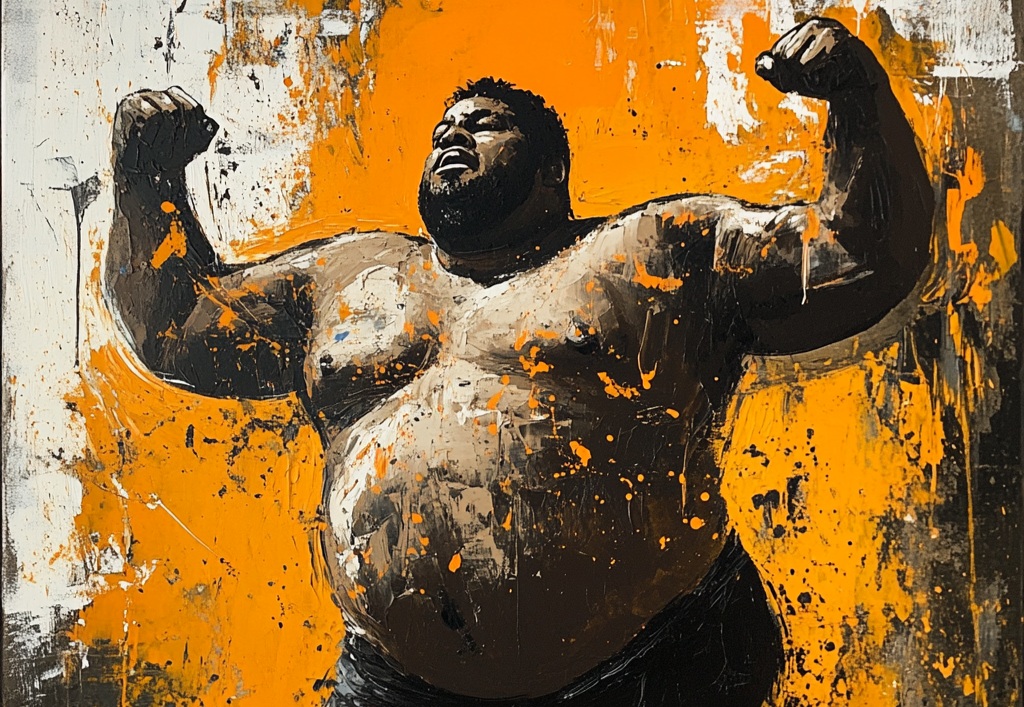
When it comes to strength training for plus-size men, the focus often goes straight to weight loss, but there’s so much more that strength training can offer. Whether you’re new to fitness or returning after a break, strength training isn’t just about building big muscles—it’s about improving your overall health, mobility, and confidence. Plus, it’s perfect for anyone looking to make real, lasting changes without the strain of high-impact cardio. In this post, we’ll explore why strength training is the perfect choice for plus-size men and how it can help you feel stronger, healthier, and more empowered.
1. Strength Training Helps Build Muscle Mass
One of the biggest benefits of strength training is its ability to help you build lean muscle mass. As we age, muscle mass naturally decreases, which can lead to a slower metabolism and loss of strength. For plus-size men, building muscle is even more important. Muscle tissue burns more calories at rest than fat tissue, so the more muscle you build, the higher your metabolism will be. Strength training helps combat muscle loss, boosts your metabolism, and can even aid in weight management over time.
Muscle-Building Exercises for Beginners:
✔ Bodyweight Squats: Great for strengthening your lower body.
✔ Push-Ups: Modified push-ups or incline push-ups are a great way to start strengthening your chest and arms.
✔ Dumbbell Rows: Strengthen your back and improve posture.
✔ Glute Bridges: Great for your hips and lower back.
Titan Tip: Focus on progressive overload—gradually increasing the weight or resistance in your workouts to build muscle effectively.
2. Strength Training Improves Joint Health and Stability
Carrying extra weight can put a lot of pressure on your joints, leading to discomfort or even injuries. But the right strength training exercises can improve joint health by strengthening the muscles that support your joints. Stronger muscles help protect your knees, hips, and back, which is essential for preventing injury and improving your ability to move comfortably. Exercises like squats and lunges target the lower body, while resistance band exercises are great for strengthening the upper body and core.
Best Strength Training Moves for Joint Health:
✔ Leg Press Machine: A great way to strengthen the legs without too much impact on the knees.
✔ Wall Push-Ups: A great way to work your chest and arms while reducing strain.
✔ Seated Row Machine: Works the back and shoulders while supporting your posture.
Healthline: 5 Ways to Strengthen Your Joints
3. It’s Low Impact and Accessible for All Fitness Levels
One of the main concerns for plus-size men when starting a fitness routine is the fear of high-impact exercises like running or jumping. Strength training is a low-impact activity that minimizes stress on the joints, making it a fantastic choice for beginners or anyone carrying extra weight. You can start with bodyweight exercises, which put less strain on your body, and as you progress, you can gradually add resistance in the form of dumbbells, resistance bands, or machines. The beauty of strength training is that you can scale the intensity to your fitness level.
Beginner-Friendly Strength Training Exercises:
✔ Chair Squats: A modified version of squats using a chair for support.
✔ Bicep Curls with Dumbbells: Work the arms without high impact.
✔ Resistance Band Lateral Walks: Strengthen the glutes and legs without strain.
✔ Step-Ups: Use a low platform to work the legs with minimal impact.
Mayo Clinic: 10 Weight Training Tips for Beginners
4. Strength Training Boosts Mental Health and Confidence
Strength training doesn’t just improve your physical health—it has a major impact on your mental well-being, too. Research shows that regular strength training can help reduce symptoms of anxiety, depression, and stress. As you see your strength increase and your body become more toned, your confidence will grow. Plus, knowing that you’re actively working toward a stronger, healthier body can improve your self-esteem and motivate you to stick with your fitness routine.
Mental Health Benefits of Strength Training:
✔ Increased confidence and self-esteem.
✔ Improved mood through the release of endorphins.
✔ Better sleep quality due to regular physical activity.
✔ Reduced stress and anxiety through consistent exercise.
Titan Tip: Start by focusing on the positive feelings that come with strength training, not just the physical results. The more you focus on progress, the more motivated you’ll be.
5. It’s a Key Component of Long-Term Health and Wellness
Strength training is essential for long-term health and can help reduce the risk of chronic conditions, such as heart disease, diabetes, and high blood pressure. By building lean muscle, you’ll improve your bone density, which is crucial as you age. Furthermore, strength training can help you maintain functional fitness, making everyday tasks (like carrying groceries or climbing stairs) easier. For plus-size men, strength training is about building resilience—physical and mental strength to tackle life’s challenges.
Strength Training for Long-Term Wellness:
✔ Strengthens the bones, reducing the risk of osteoporosis.
✔ Supports healthy joints and muscles for better mobility.
✔ Helps maintain a healthy weight by boosting metabolism.
✔ Improves overall functional fitness for daily tasks.
CDC: Physical Activity Among Adults Aged 18 and Over: United States, 2020
Take the Next Step Towards a Stronger You
Strength training is a powerful tool for any plus-size man looking to improve their overall health, build muscle, and boost their confidence. Whether you’re looking to improve joint health, burn more calories, or simply feel stronger, strength training is the perfect way to get started and keep progressing at your own pace. Don’t worry about lifting heavy weights right away—start with bodyweight exercises, work your way up, and focus on building consistency over perfection.
Ready to start building strength? Bookmark Titan Life for more fitness tips and stay motivated on your journey to better health
