Tag: health

  • The Best Plus-Size Workout Clothes for Comfort & Performance

    The Best Plus-Size Workout Clothes for Comfort & Performance

    Finding the best plus-size workout clothes can be a challenge—especially when you’re looking for a combination of comfort, performance, and style. You don’t want clothes that hold you back; you need gear that moves with you and supports your goals, whether you’re crushing cardio, hitting the weights, or simply feeling confident during your workout. The right clothes can make a world of difference in how you feel, perform, and look while training. In this guide, we’ll help you navigate the best options for plus-size men’s workout gear that keeps you comfortable and performing your best.


    1. Comfort Starts with the Right Fit

    Fit is everything when it comes to workout clothes, and this is especially important for plus-size men. Clothing that’s too tight can cause discomfort and restrict movement, while clothes that are too loose can get in the way and cause unnecessary chafing.

    Key Features to Look For in the Right Fit:

    • Stretchy Fabrics: Look for fabrics with some spandex or elastane to allow for movement and flexibility.
    • Elastic Waistbands: These will provide support without digging into your skin.
    • Room to Breathe: Choose workout pants, shirts, and shorts that allow your body to move freely without feeling suffocated.

    When you find the right fit, it can feel like you’re wearing a second skin—one that helps you perform better and stay comfortable throughout your workout.


    2. Moisture-Wicking Fabrics for Sweat Control

    Working out means breaking a sweat, and the right fabric will help you stay dry and comfortable. Moisture-wicking fabrics pull sweat away from the skin, allowing it to evaporate quickly, which reduces the risk of irritation and chafing.

    Best Moisture-Wicking Materials for Plus-Size Men’s Workout Clothes:

    • Polyester: A lightweight, breathable material that dries fast.
    • Nylon: Known for its moisture-wicking properties, ideal for compression garments.
    • Merino Wool: A natural material that not only wicks moisture but also regulates body temperature.

    These materials are perfect for plus-size men because they keep you dry and cool, which is especially important during high-intensity workouts.


    Read More: How to Start a Fitness Routine as a Plus-Size Man


    3. Compression Gear for Support and Recovery

    Compression gear is an excellent choice for plus-size men, as it provides support, reduces muscle fatigue, and helps with recovery. Compression pants, shirts, and sleeves can improve circulation, which speeds up recovery time between sets or after your workout.

    Benefits of Compression Gear:

    • Enhanced circulation: Helps reduce muscle soreness and inflammation.
    • Supports joints: Reduces the risk of injury by supporting key areas like knees, elbows, and back.
    • Muscle control: Keeps muscles from bouncing or chafing during intense movements.

    It’s not just about performance—compression gear can make a huge difference in your recovery time, helping you feel fresher and ready to take on your next workout.


    4. Breathable and Flexible Fabrics for Mobility

    When you’re working out, you need clothes that allow your body to move freely. Look for fabrics that breathe and stretch—they’ll give you the freedom to bend, twist, and lift without restrictions. This is especially crucial for exercises like squats, lunges, and overhead presses.

    Best Fabrics for Breathability and Flexibility:

    • Lycra/Spandex Blends: These fabrics have excellent stretch and move with your body, making them perfect for a variety of exercises.
    • Cotton-Blend Fabrics: While not always moisture-wicking, cotton blends are soft, breathable, and comfortable for lower-impact exercises.
    • Mesh Panels: Many activewear brands design clothes with mesh panels to allow air circulation in key areas like the back or sides, keeping you cool during high-energy sessions.

    When you’re comfortable, your movements flow more naturally, and you’ll be able to work out longer and harder.


    5. Supportive Athletic Shoes for Stability and Comfort

    Your workout clothes aren’t complete without the right shoes. Supportive athletic shoes are a must-have for plus-size men, as they offer both comfort and stability for a variety of workouts.

    What to Look for in Plus-Size Men’s Athletic Shoes:

    • Cushioning: Look for shoes with a thick, supportive insole to cushion your feet during high-impact activities.
    • Arch Support: This is especially important if you’re on your feet for long periods or doing exercises like running.
    • Wide Fit Options: Many athletic shoe brands offer wide-width shoes, which are perfect for men with broader feet.

    The right shoes are essential for providing proper foot support, preventing injuries, and keeping you comfortable throughout your workout.


    6. Stylish and Functional Options for Every Workout

    Who says plus-size men’s workout clothes can’t look good? The best workout gear doesn’t just perform well—it also makes you feel confident. Look for options that combine style and function to keep you feeling great both during and after your workout.

    Fashionable Yet Functional Workout Gear:

    • Athletic Tank Tops: Look for breathable, sleeveless options that show off your arms and keep you cool.
    • Tapered Leggings: Perfect for guys who want a sleek look without compromising on comfort.
    • Vests and Hoodies: Lightweight and stylish options that transition easily from the gym to running errands or hanging out.

    When you find clothes that fit your personal style, you’re more likely to feel motivated to work out, which helps you stay on track with your fitness goals.


    GQ: A Fat Dude’s Guide for Fat Dudes at the Gym


    Elevate Your Workout with the Right Gear

    Choosing the right plus-size workout clothes is essential for building a fitness routine that feels comfortable and empowering. Whether it’s moisture-wicking fabrics, compression gear, or flexible, breathable materials, the right gear can help you move better, recover faster, and feel confident while doing it.


    Start with the right workout gear and find clothes that work with your body, not against it. Explore the best plus-size workout clothes that give you comfort, performance, and style today!
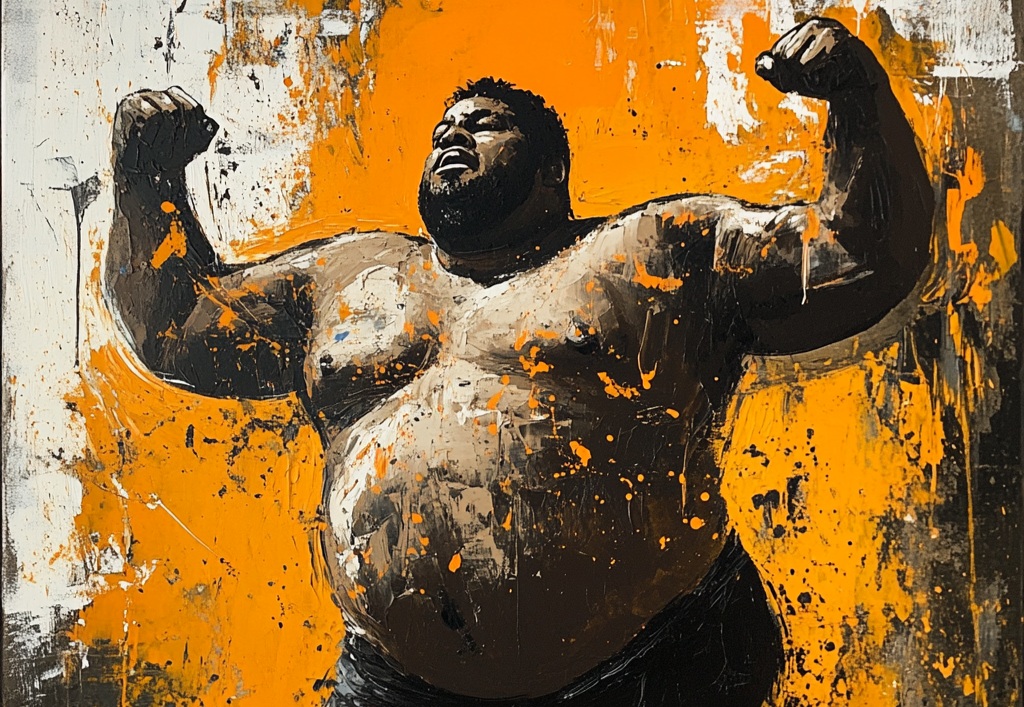
  • Why Strength Training is Perfect for Plus-Size Men

    Why Strength Training is Perfect for Plus-Size Men

    When it comes to strength training for plus-size men, the focus often goes straight to weight loss, but there’s so much more that strength training can offer. Whether you’re new to fitness or returning after a break, strength training isn’t just about building big muscles—it’s about improving your overall health, mobility, and confidence. Plus, it’s perfect for anyone looking to make real, lasting changes without the strain of high-impact cardio. In this post, we’ll explore why strength training is the perfect choice for plus-size men and how it can help you feel stronger, healthier, and more empowered.


    1. Strength Training Helps Build Muscle Mass

    One of the biggest benefits of strength training is its ability to help you build lean muscle mass. As we age, muscle mass naturally decreases, which can lead to a slower metabolism and loss of strength. For plus-size men, building muscle is even more important. Muscle tissue burns more calories at rest than fat tissue, so the more muscle you build, the higher your metabolism will be. Strength training helps combat muscle loss, boosts your metabolism, and can even aid in weight management over time.

    Muscle-Building Exercises for Beginners:
    Bodyweight Squats: Great for strengthening your lower body.
    Push-Ups: Modified push-ups or incline push-ups are a great way to start strengthening your chest and arms.
    Dumbbell Rows: Strengthen your back and improve posture.
    Glute Bridges: Great for your hips and lower back.

    Titan Tip: Focus on progressive overload—gradually increasing the weight or resistance in your workouts to build muscle effectively.


    2. Strength Training Improves Joint Health and Stability

    Carrying extra weight can put a lot of pressure on your joints, leading to discomfort or even injuries. But the right strength training exercises can improve joint health by strengthening the muscles that support your joints. Stronger muscles help protect your knees, hips, and back, which is essential for preventing injury and improving your ability to move comfortably. Exercises like squats and lunges target the lower body, while resistance band exercises are great for strengthening the upper body and core.

    Best Strength Training Moves for Joint Health:
    Leg Press Machine: A great way to strengthen the legs without too much impact on the knees.
    Wall Push-Ups: A great way to work your chest and arms while reducing strain.
    Seated Row Machine: Works the back and shoulders while supporting your posture.


    Healthline: 5 Ways to Strengthen Your Joints


    3. It’s Low Impact and Accessible for All Fitness Levels

    One of the main concerns for plus-size men when starting a fitness routine is the fear of high-impact exercises like running or jumping. Strength training is a low-impact activity that minimizes stress on the joints, making it a fantastic choice for beginners or anyone carrying extra weight. You can start with bodyweight exercises, which put less strain on your body, and as you progress, you can gradually add resistance in the form of dumbbells, resistance bands, or machines. The beauty of strength training is that you can scale the intensity to your fitness level.

    Beginner-Friendly Strength Training Exercises:
    Chair Squats: A modified version of squats using a chair for support.
    Bicep Curls with Dumbbells: Work the arms without high impact.
    Resistance Band Lateral Walks: Strengthen the glutes and legs without strain.
    Step-Ups: Use a low platform to work the legs with minimal impact.


    Mayo Clinic: 10 Weight Training Tips for Beginners


    4. Strength Training Boosts Mental Health and Confidence

    Strength training doesn’t just improve your physical health—it has a major impact on your mental well-being, too. Research shows that regular strength training can help reduce symptoms of anxiety, depression, and stress. As you see your strength increase and your body become more toned, your confidence will grow. Plus, knowing that you’re actively working toward a stronger, healthier body can improve your self-esteem and motivate you to stick with your fitness routine.

    Mental Health Benefits of Strength Training:
    ✔ Increased confidence and self-esteem.
    ✔ Improved mood through the release of endorphins.
    ✔ Better sleep quality due to regular physical activity.
    ✔ Reduced stress and anxiety through consistent exercise.

    Titan Tip: Start by focusing on the positive feelings that come with strength training, not just the physical results. The more you focus on progress, the more motivated you’ll be.


    5. It’s a Key Component of Long-Term Health and Wellness

    Strength training is essential for long-term health and can help reduce the risk of chronic conditions, such as heart disease, diabetes, and high blood pressure. By building lean muscle, you’ll improve your bone density, which is crucial as you age. Furthermore, strength training can help you maintain functional fitness, making everyday tasks (like carrying groceries or climbing stairs) easier. For plus-size men, strength training is about building resilience—physical and mental strength to tackle life’s challenges.

    Strength Training for Long-Term Wellness:
    ✔ Strengthens the bones, reducing the risk of osteoporosis.
    ✔ Supports healthy joints and muscles for better mobility.
    ✔ Helps maintain a healthy weight by boosting metabolism.
    ✔ Improves overall functional fitness for daily tasks.

    CDC: Physical Activity Among Adults Aged 18 and Over: United States, 2020


    Take the Next Step Towards a Stronger You

    Strength training is a powerful tool for any plus-size man looking to improve their overall health, build muscle, and boost their confidence. Whether you’re looking to improve joint health, burn more calories, or simply feel stronger, strength training is the perfect way to get started and keep progressing at your own pace. Don’t worry about lifting heavy weights right away—start with bodyweight exercises, work your way up, and focus on building consistency over perfection.
    Ready to start building strength? Bookmark Titan Life for more fitness tips and stay motivated on your journey to better health

  • How to Start a Fitness Routine as a Plus-Size Man

    How to Start a Fitness Routine as a Plus-Size Man

    Finding a fitness routine for plus-size men can feel overwhelming. Between workout programs designed for lean athletes and the pressure of gym culture, it’s easy to feel like fitness isn’t made for you. But here’s the truth—there’s no “one-size-fits-all” approach to getting active. Whether you’re looking to shed pounds, build muscle, or just feel better in your own skin, the key is starting in a way that works for your body, not against it. In this guide, we’ll break down how to ease into a sustainable fitness routine, build confidence, and see real progress. Let’s get moving.

    Step 1: Set Realistic Goals

    The biggest mistake beginners make? Diving in too hard, too fast. Fitness isn’t about extreme workouts or punishing yourself—it’s about progress. Start by setting clear, attainable goals that keep you motivated.

    Good Beginner Goals:
    ✔ Walk 10-15 minutes a day, three times a week.
    ✔ Complete two strength training sessions per week.
    ✔ Improve flexibility with basic stretching exercises.
    ✔ Track energy levels and mobility instead of just weight loss.

    Titan Tip: Break your goals into small wins. Hitting a goal, no matter how minor, boosts confidence and keeps you going.

    Step 2: Choose Low-Impact Cardio

    Cardio is a key part of any fitness routine, but running and high-intensity workouts can be tough on the joints. Instead, go for low-impact options that keep you moving without causing unnecessary strain.

    Best Low-Impact Cardio for Plus-Size Men:
    Walking: The easiest way to start. Aim for 20-30 minutes per session.
    Cycling: Great for endurance with minimal joint stress.
    Swimming: Full-body workout with zero impact on knees and ankles.
    Elliptical Training: A gym-friendly alternative to running.


    CNN: What You Should Know About the Most Underrated Form of Exercise


    Step 3: Start Strength Training (Without the Intimidation)

    Muscle burns more calories at rest, supports joint health, and makes everyday movements easier. Strength training doesn’t mean lifting heavy weights on day one—you can start small and scale up.

    Beginner-Friendly Strength Exercises:
    Bodyweight Squats: Strengthen your legs without added weight.
    Seated Dumbbell Press: Works your shoulders and chest with minimal strain.
    Resistance Band Rows: Improves posture and back strength.
    Incline Push-Ups: Modify traditional push-ups for better control.

    Titan Tip: Use machines or resistance bands instead of free weights at first. Machines provide support and reduce injury risk.


    Step 4: Stretch and Recover

    Stretching and recovery are just as important as workouts—especially if you’re carrying extra weight. A good stretching routine prevents injuries, improves mobility, and reduces soreness.

    Best Stretches for Plus-Size Beginners:
    Seated Hamstring Stretch – Improves lower body flexibility.
    Wall Shoulder Stretch – Relieves upper body tension.
    Standing Calf Stretch – Reduces tightness in legs.
    Child’s Pose – Loosens lower back and hips.

    Bonus Recovery Tips:
    ✔ Get at least 7-9 hours of sleep per night.
    ✔ Drink plenty of water—hydration aids recovery.
    ✔ Take rest days—your body needs time to repair.


    Step 5: Build Consistency, Not Perfection

    Fitness isn’t about getting it perfect—it’s about showing up. Some days will be harder than others, and that’s okay. The key to long-term success is consistency over intensity.

    How to Stay on Track:
    ✔ Schedule workouts like appointments—don’t skip them.
    ✔ Track progress (steps taken, weights lifted, etc.).
    ✔ Find an accountability partner (a friend, coach, or online community).
    ✔ Celebrate non-scale victories—better sleep, more energy, improved mobility.


    Healthline: The Science of Habit


    Common Myths About Fitness and Weight

    “I have to lose weight before I start working out.”
    ✅ Nope. Fitness helps you feel stronger, healthier, and more energetic—at any weight.

    “Lifting weights will make me bulky.”
    ✅ Strength training builds muscle, but it won’t turn you into a bodybuilder overnight.

    “I need to work out every day to see results.”
    ✅ Recovery is just as important as exercise. Aim for 3-4 days a week to start.


    Get Started Today

    Starting a fitness routine for plus-size men doesn’t have to be complicated. Focus on small, consistent efforts, find activities you enjoy, and listen to your body. Progress isn’t about hitting the gym seven days a week—it’s about moving in a way that makes you feel good and keeps you coming back for more.


    Want more fitness tips tailored for bigger guys? Bookmark Titan Life and check back weekly for fresh content!