Tag: nutrition

  • A High-Protein Thanksgiving Slaw Recipe That’s Fresh, Light, and Holiday-Ready

    A High-Protein Thanksgiving Slaw Recipe That’s Fresh, Light, and Holiday-Ready

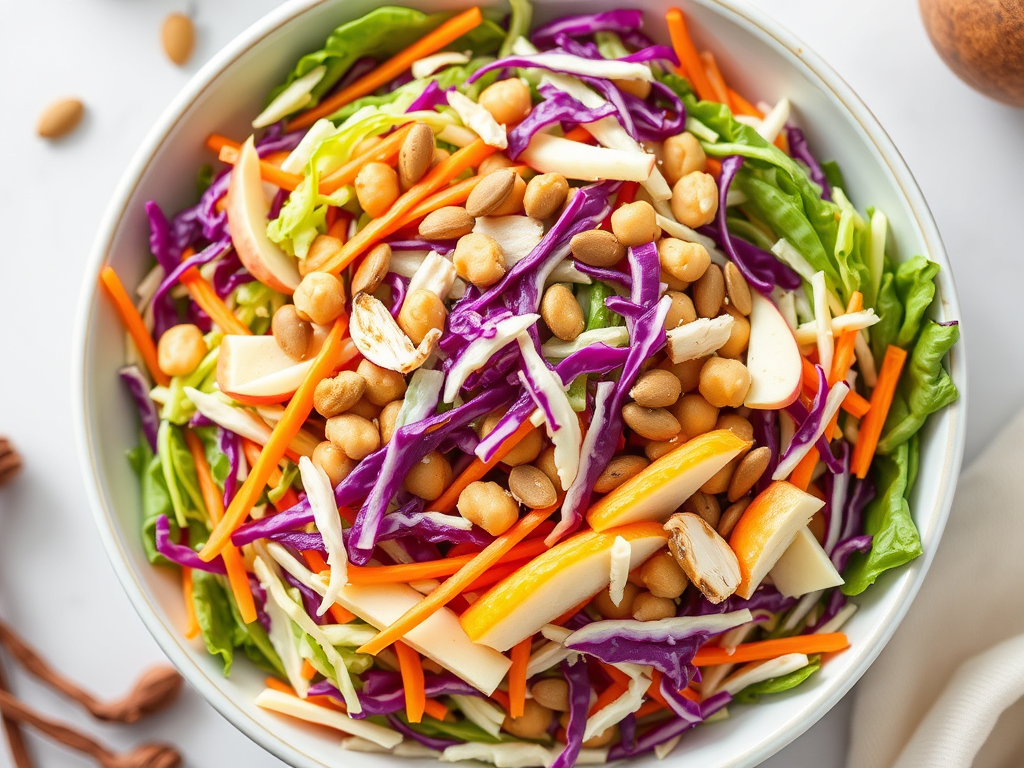
    If you want a side dish that isn’t heavy, creamy, or carb-loaded, this high-protein Thanksgiving slaw recipe is the perfect addition to your holiday table. It’s crisp, refreshing, nutrient-dense, and designed to complement all the classic dishes — without weighing you down.

    Unlike typical creamy slaws, this version uses a light dressing, crunchy seasonal ingredients, and an optional protein boost to help you stay fuller longer. Whether you’re trying to eat lighter during the holidays or simply want something refreshing between the stuffing and potatoes, this Thanksgiving slaw delivers big flavor with simple ingredients.


    Why This Thanksgiving Slaw Works

    • Light and refreshing: Cuts through heavier holiday food.
    • High in protein: Greek yogurt + seeds + optional shredded chicken or chickpeas.
    • Make-ahead friendly: Holds up well in the fridge.
    • Budget-friendly: Uses inexpensive fall ingredients (cabbage, apples, carrots).
    • Customizable: Easy to make dairy-free, vegan, or higher-protein.

    This is holiday food you can feel good about.


    Related: Nutrition for Plus Size Men: A Complete Guide to Fueling Strength, Performance, and Fat Loss


    High-Protein Thanksgiving Slaw Recipe

    Ingredients (Serves 6–8)

    For the slaw base:

    • 4 cups shredded green cabbage
    • 2 cups shredded red cabbage
    • 1 large carrot, grated
    • 1 Honeycrisp or Fuji apple, finely sliced
    • ¼ cup dried cranberries (optional for sweetness)
    • ¼ cup roasted pumpkin seeds (pepitas)
    • ¼ cup sunflower seeds
    • ¼ cup thinly sliced red onion

    Optional high-protein add-ins (choose one):

    • 1 cup shredded cooked chicken breast
    • 1 cup chickpeas (rinsed and drained)
    • ¾ cup cottage cheese (folded in carefully)
    • ½ cup sliced almonds (for extra crunch instead of animal protein)

    For the high-protein dressing:

    • ¾ cup plain Greek yogurt (2% or 5% works best)
    • 2 tablespoons apple cider vinegar
    • 1 tablespoon Dijon mustard
    • 1 tablespoon honey or maple syrup
    • 1 tablespoon olive oil
    • 1 teaspoon celery salt
    • ½ teaspoon black pepper
    • Optional: 1 teaspoon poppy seeds

    Instructions

    1. Prepare the slaw base
      Add the green cabbage, red cabbage, carrots, apple, cranberries, pumpkin seeds, sunflower seeds, and red onion to a large bowl. Toss to combine.
    2. Make the dressing
      In a separate bowl, whisk together the Greek yogurt, apple cider vinegar, Dijon mustard, honey, olive oil, celery salt, and black pepper. If using poppy seeds, whisk them in as well.
    3. Combine
      Pour the dressing over the slaw mixture. Toss thoroughly until all ingredients are well coated.
    4. Add protein (optional)
      Gently fold in your protein of choice — chicken, chickpeas, cottage cheese, or almonds. Don’t overmix if you’re adding cottage cheese, as it can break down.
    5. Chill
      Cover and refrigerate for at least 30 minutes. The flavors meld and the cabbage softens slightly, but still stays crunchy.
    6. Serve
      Serve cold or slightly chilled alongside turkey, ham, or any holiday spread.

    Nutritional Benefits

    This Thanksgiving slaw is built to be nutrient-dense and fitness-friendly:

    • High protein from Greek yogurt and add-ins
    • Fiber-rich from cabbage, apples, and seeds
    • Healthy fats from pumpkin seeds, sunflower seeds, and olive oil
    • Lower calorie compared to traditional creamy holiday sides
    • Great for blood sugar control because cabbage and protein slow digestion

    It’s a dish that keeps you satisfied without sabotaging your goals.


    Related: Cold Weather Workouts for Plus-Size Men: How to Stay Active When It’s Freezing Outside


    Variations to Try

    1. Make It Dairy-Free

    Swap Greek yogurt for:

    • Dairy-free yogurt
    • Tahini
    • Vegan mayo

    2. Add More Crunch

    Try sliced pears, toasted pecans, or crispy Brussels sprout shavings.

    3. Make It Sweeter

    Mix in:

    • A handful of grapes
    • A splash of orange juice in the dressing
    • Additional dried cranberries

    4. Make It Spicy

    Add chopped jalapeño or cayenne to the dressing.


    Make-Ahead and Storage Tips

    • Best made 4–24 hours ahead.
    • Keep protein separate until serving if using chicken or cottage cheese.
    • Stores in the fridge for up to 3 days.
    • Stir before serving to redistribute dressing.
    • Avoid freezing — cabbage loses texture.

    Why This Slaw Beats the Usual Holiday Sides

    Traditional holiday sides are delicious, but they’re often:

    • heavy with butter
    • high in sugar
    • carb-dense
    • low in protein

    This slaw gives your plate balance, and for many people, that’s the difference between feeling good after a meal and going into hibernation. It’s also crowd-friendly — most people love a fresh alternative to the usual lineup.


    Final Thoughts

    This high-protein Thanksgiving slaw recipe is simple, refreshing, and genuinely satisfying. It fits perfectly with traditional holiday dishes while offering a lighter option that supports your fitness goals. Whether you’re cooking for family, hosting Friendsgiving, or just trying to stay on track during the season, this slaw adds color, crunch, and nutrition to your plate.
  • Fitocracy Alternatives in 2025: The Best Apps for Gamified Fitness

    Fitocracy Alternatives in 2025: The Best Apps for Gamified Fitness

    For years, Fitocracy was more than just a fitness app — it was a movement. It turned workouts into quests, reps into XP, and built one of the most supportive online fitness communities ever. But with Fitocracy now essentially inactive, many former users (and newcomers who discover it too late) are asking the same question: what’s the best alternative today?

    The truth is, no app has replicated Fitocracy’s exact magic, but several have carried forward its DNA. Whether you loved the gamification, the community, or the accountability, here are the best Fitocracy alternatives in 2025 — apps and platforms that bring back the fun and support of fitness through levels, badges, and social connection.


    What Made Fitocracy Special?

    Before we dive into the alternatives, let’s remember why people loved Fitocracy in the first place:

    • Gamification: XP, levels, quests, and achievements made fitness addictive.
    • Community: Supportive forums where beginners and veterans encouraged each other.
    • Accessibility: It welcomed gamers, bigger bodies, and people who never felt at home in traditional gyms.
    • Progress Tracking: Logging workouts felt rewarding, not like a chore.

    Any true alternative has to hit at least two of those notes: motivation + community.


    The Best Fitocracy Alternatives in 2025

    1. Strong – Best for Serious Strength Training

    If you loved logging lifts and chasing PRs, Strong is the cleanest, most reliable tracker on the market.

    • Easy-to-use workout logging with templates.
    • Tracks progression over time with detailed analytics.
    • Great for powerlifting, bodybuilding, or anyone focused on strength.
      Why it’s a Fitocracy alternative: Strong doesn’t have community built in, but its polished logging and “personal best” tracking scratch the same achievement itch.

    2. Hevy – Best for Social Workout Logging

    Hevy looks like what Fitocracy might have evolved into if it had kept building:

    • Log workouts quickly with exercise libraries and templates.
    • Add friends, like/comment on workouts, and build a feed similar to Fitocracy’s.
    • Offers challenges, streaks, and progress graphs.
      Why it’s a Fitocracy alternative: It combines accurate tracking with a lightweight community feed — the closest social experience to old-school Fitocracy.

    3. Habitica – Best for Gamification Beyond Fitness

    While not a fitness-only app, Habitica gamifies habits and workouts by turning them into RPG-style quests.

    • Create daily habits, including exercise, and earn XP and gold for completing them.
    • Join “parties” for accountability and cooperative challenges.
    • Cross over into other lifestyle habits (diet, sleep, productivity).
      Why it’s a Fitocracy alternative: If what you miss most is turning fitness into an RPG, Habitica scratches that itch — though it’s broader than workouts alone.

    4. MyFitnessPal – Best for Nutrition + Tracking Combo

    While MyFitnessPal is primarily a nutrition tracker, it integrates with most fitness apps and devices.

    • Huge food database for calorie and macro tracking.
    • Basic exercise logging.
    • Community forums for accountability.
      Why it’s a Fitocracy alternative: On its own, it’s not gamified — but pair it with Strong or Hevy, and you get a powerful all-in-one alternative.

    Related: Fitocracy vs Strong vs MyFitnessPal: Which App Is Best for Bigger Beginners in 2025?


    5. Apple Fitness+ / Google Fit / Samsung Health – Best for Ecosystem Integration

    The major tech platforms have all leaned into gamified rings, badges, and streaks:

    • Apple’s “rings” close daily with activity goals.
    • Google Fit uses “heart points” and integrations with wearables.
    • Samsung Health gamifies daily steps and challenges.
      Why it’s a Fitocracy alternative: If you loved XP and badges, these ecosystem apps provide daily gamified goals — though without the deeper social element.

    6. Strava – Best for Endurance and Community

    Originally for runners and cyclists, Strava has expanded into other activities.

    • Logs runs, rides, walks, hikes, and more.
    • Leaderboards and segments gamify performance.
    • Clubs and challenges create community.
      Why it’s a Fitocracy alternative: It’s the gold standard for community-driven accountability and competition — though strength athletes may find it lacking.

    7. Thunderwave Fitness – Best Community-Driven Successor

    A smaller, indie project, Thunderwave Fitness was created by former Fitocracy fans.

    • Community-driven design, reminiscent of early Fitocracy forums.
    • Combines workout logging with gamification.
    • Smaller but loyal user base.
      Why it’s a Fitocracy alternative: It’s literally carrying on Fitocracy’s spirit — grassroots, inclusive, and designed by people who miss what Fitocracy was.

    Related: How to Build a Supportive Fitness Community as a Plus-Size Man


    Which Fitocracy Alternative Is Right for You?

    • If you loved the logging + PR system: Try Strong or Hevy.
    • If you miss the social feed: Hevy or Strava will feel familiar.
    • If you want pure gamification: Habitica is your best bet.
    • If you need nutrition included: Pair MyFitnessPal with a strength tracker.
    • If you want nostalgia with a modern twist: Explore Thunderwave Fitness.

    Fitocracy’s Legacy Lives On

    Fitocracy may be gone, but the ideas it pioneered — gamification, supportive community, and progress that feels like play — are everywhere in today’s fitness landscape. No single app has replaced it, but with the right combination of tools, you can recreate the Fitocracy experience in 2025 and beyond.

    And maybe that’s the real legacy: Fitocracy didn’t just gamify fitness. It proved that community and motivation matter as much as reps and sets.

  • Why Progress Photos Matter More Than the Scale (Especially for Big Men)

    Why Progress Photos Matter More Than the Scale (Especially for Big Men)

    If you’ve ever stepped on a scale after weeks of effort only to see the number barely move, you know how discouraging it can feel. For big and tall men, especially those starting their fitness journey at 250, 300 pounds or more, the scale can feel like the only measure of progress. But here’s the truth: the scale doesn’t tell the whole story — your progress photos often reveal far more about your real transformation.


    The Problem with the Scale

    The bathroom scale measures one thing: total body weight. That number lumps together:

    • Muscle mass
    • Body fat
    • Water retention
    • Food volume in your stomach
    • Even whether you weighed yourself before or after using the restroom

    For bigger guys, this can be misleading. If you start lifting weights, you might lose fat but gain muscle at the same time. The scale could stay the same while your body shape changes dramatically.

    Result: You’re making progress, but the scale convinces you you’re not.


    Related: How to Track Progress Without Obsessing Over the Scale


    Why Progress Photos Matter

    1. They Capture Visual Changes

    Clothes fitting looser around your waist. Shoulders looking broader. A face that looks sharper. These changes don’t always show up on the scale but are obvious in side-by-side photos.

    2. They Show Posture and Confidence

    Photos track more than size — they capture how you carry yourself. Standing taller, shoulders pulled back, and looking more comfortable in your own skin are huge non-scale wins.


    Related: Affirms With Confidence: The Power of Positive Self-Talk


    3. They Highlight Long-Term Progress

    You might not notice a change week to week, but six months later? Photos side by side reveal just how far you’ve come, even if you didn’t feel it day-to-day.

    4. They Encourage Consistency

    Knowing you’ll take a new photo every month gives you accountability without the stress of stepping on the scale daily.


    How to Take Progress Photos That Work

    1. Use the Same Setup Every Time
      • Same mirror, same lighting, same time of day.
      • Consistency makes changes clearer.
    2. Wear Fitted Clothing or Go Shirtless
      • Baggy clothes hide results.
      • Athletic shorts and a snug tee are a good middle ground if shirtless isn’t comfortable.
    3. Take Multiple Angles
      • Front, side, and back views show the full story.
    4. Set a Schedule
      • Once every 2–4 weeks is ideal.
      • More frequent than that, and the changes may be too subtle to keep you motivated.

    Why This Matters for Bigger Men

    For plus-size men, especially those new to fitness, progress is often about function and feeling more than shrinking. Progress photos help highlight:

    • Being able to move better
    • Looking stronger in the shoulders and chest
    • Losing inches around the waist even when the scale stalls
    • Visible proof that effort equals change

    In short: they validate what the mirror shows but the scale hides.


    Pairing Photos with Other Non-Scale Victories

    Progress photos are powerful, but they’re even better when paired with other markers:

    • Measurements: Waist, chest, and arms once a month.
    • Performance goals: How much you can lift, how far you can walk, or how long you can last on the bike.
    • Energy and mood: How you feel day to day is just as important as the numbers.

    Related: The Power of Small Wins: Why Micro Goals Lead to Major Changes


    Final Word

    If you’re a bigger guy frustrated by the scale, step back and reframe your progress. Take photos, track how your clothes fit, and measure your strength. You’ll find that your body tells a far more encouraging story than any single number ever could.

    Progress isn’t about shrinking into someone else’s idea of success — it’s about growing stronger, more confident, and more capable in your own body.

  • Hydration Hacks for Big & Tall Men: Staying Cool and Energized in the Summer Heat

    Hydration Hacks for Big & Tall Men: Staying Cool and Energized in the Summer Heat

    When you’re a bigger guy, summer heat hits differently. A quick walk outside can leave you sweaty, drained, and thirsty — and if you’re working out or staying active, hydration isn’t optional, it’s survival. The truth is, bigger bodies have unique hydration needs. More muscle mass (and fat mass) means your body generates more heat, and sweating can strip away essential fluids and electrolytes faster.

    Here’s how to stay hydrated, cool, and full of energy all summer long.


    1. Know How Much Water You Actually Need

    The old “8 glasses a day” rule doesn’t cut it for everyone — especially big & tall men. A better formula:

    • ½ your bodyweight in ounces per day.
      Example: A 300 lb man should aim for 150 oz of water daily.
      If you’re outside, sweating heavily, or exercising, you’ll need more.

    Titan Tip: Carry a gallon jug with markers (morning, noon, afternoon, evening). It’s a visual reminder that keeps you on track.


    Related: How Big and Tall Men Can Stay Cool and Prevent Chafing in Hot Weather


    2. Don’t Forget Electrolytes

    Plain water is great, but if you’re sweating buckets, you’re losing sodium, potassium, and magnesium. That’s why water alone sometimes leaves you feeling sluggish.

    • Sports drinks (look for low-sugar versions)
    • Electrolyte powders (LMNT, Liquid I.V., or store-brand packets work)
    • Coconut water (natural, lower sugar than soda)

    Titan Tip: Alternate between water and electrolytes — one bottle of each every other hour in extreme heat.


    3. Eat Your Hydration

    You don’t just have to drink your fluids — you can eat them too.

    • Watermelon, cucumber, oranges, strawberries, and celery are 90%+ water.
    • Salads, smoothies, and cold soups (like gazpacho) are refreshing ways to sneak in extra hydration.

    Titan Tip: Make a “hydration snack box” in your fridge with pre-cut fruit and veggies.


    Related: Summer Nutrition Tips for Plus Size Men: Fueling Your Fitness Journey in the Heat


    4. Chill Your Core, Not Just Your Skin

    Drinking ice water feels great, but you can also cool your body from the inside out:

    • Freeze grapes or watermelon chunks for cold snacks.
    • Keep a stainless steel water bottle in the freezer overnight and refill it throughout the day.
    • Toss ice cubes in your protein shakes or smoothies.

    Titan Tip: A slushy (crushed ice + electrolyte mix) cools you down faster than plain water.


    5. Hydrate Before You Feel Thirsty

    By the time you’re thirsty, you’re already dehydrated. Bigger bodies often need proactive hydration to avoid fatigue.

    • Pre-load water: Drink 16–20 oz first thing in the morning.
    • Pre-hydrate workouts: 16 oz about 30 minutes before exercise.
    • Recovery hydration: Another 16–24 oz post-workout.

    Titan Tip: Set reminders on your phone (or smart watch) to drink throughout the day.


    6. Watch the Hidden Dehydrators

    Some summer favorites sneakily dry you out:

    • Alcohol: Every drink = about 8–12 oz of water lost.
    • Coffee/Energy Drinks: Okay in moderation, but double up on water to balance caffeine’s diuretic effect.
    • Salty foods (BBQ, chips, fast food) can make you retain water but still dehydrate your system.

    Titan Tip: For every drink with caffeine or alcohol, follow it with a full glass of water.


    7. Gear Up for Hydration

    Having the right gear makes staying hydrated easier:

    • Large insulated water bottle (40+ oz) keeps water cold for hours.
    • Electrolyte packets — small enough to stash in your gym bag or glove box.
    • Cooling towel or neck fan — helps reduce sweating and water loss.

    Titan Tip: Keep a “hydration kit” in your car or backpack so you’re never caught without water.


    Hydrate Like It’s Your Job

    Being a bigger guy in the summer heat means you need a hydration strategy, not just a water bottle. With the right mix of fluids, electrolytes, hydrating foods, and cooling tricks, you’ll stay energized and ready to move — instead of feeling drained and overheated.

    Stay cool. Stay hydrated. Stay strong.

  • Mastering the 30 30 3 Diet: A Simple Formula for Men Who Want Real Results

    Mastering the 30 30 3 Diet: A Simple Formula for Men Who Want Real Results

    If you’re tired of complicated diet plans with rules you can’t pronounce or follow, the 30 30 3 diet might be the straightforward reset you’ve been looking for. Built for simplicity and designed to jumpstart fat loss, boost energy, and improve overall health, this method has been gaining attention for its no-nonsense structure. Here’s what you need to know.

    What Is the 30 30 3 Diet?

    The name says it all: 30 grams of protein, within 30 minutes of waking up, followed by 30 minutes of low-intensity exercise. This isn’t a full meal plan—it’s a kickstart protocol you can plug into your existing diet or lifestyle, especially if you’re aiming to cut fat, maintain lean muscle, and feel more energized.

    It’s a strategy built for guys who want to look better, feel stronger, and still live their life.


    Related: Summer Nutrition Tips for Plus Size Men: Fueling Your Fitness Journey in the Heat


    Why It Works

    Protein to power up: Starting your day with 30 grams of protein supports muscle growth and helps control hunger throughout the day. For men, this is key to preserving lean mass while cutting fat. Think eggs, protein shakes, Greek yogurt, or lean meats.

    Fast and early: Eating soon after waking stabilizes blood sugar and signals your metabolism to fire up. You won’t just feel more alert—you’ll also reduce cravings later on.

    Low-intensity exercise: A 30-minute walk, light jog, or session on a bike isn’t about killing yourself at the gym. It’s about consistent movement that burns fat and helps regulate hormones, especially when done in a fasted state or right after your protein boost.


    Related: Knee-Friendly Leg Day: Exercises That Spare the Joints but Build Mass


    Benefits of the 30 30 3 Diet for Men

    • Fat loss without crash dieting
    • More consistent energy levels
    • Improved muscle retention
    • Better focus and mood
    • Easy to implement and sustain

    Whether you’re getting back on track or leveling up your current routine, this plan offers real-world benefits without the burnout.

    How to Get Started

    1. Get your protein game on point: Stock up on quick, high-protein options like protein powder, eggs, or turkey sausage.
    2. Plan your mornings: Set your alarm 30–45 minutes earlier. Build the habit of eating and moving before your workday starts.
    3. Keep it consistent: Aim to follow this plan at least 5 days a week. You’ll start seeing and feeling the difference within a couple of weeks.

    Who Is This Diet Best For?

    The 30 30 3 diet is ideal for men who want structure without obsessing over macros all day. Whether you’re a busy professional, weekend warrior, or someone just getting started on your fitness journey, this method offers a sustainable approach to body transformation.

    Invest in a Diet That Actually Works

    The 30 30 3 diet isn’t a magic pill—but it’s pretty damn close to a magic formula if you stick to it. It’s about building momentum, owning your mornings, and setting the tone for the rest of your day. For guys who want to see progress without flipping their whole life upside down, this is the play.


  • Summer Nutrition Tips for Plus Size Men: Fueling Your Fitness Journey in the Heat

    Summer Nutrition Tips for Plus Size Men: Fueling Your Fitness Journey in the Heat

    As the temperature rises and summer approaches, it’s the perfect time to focus on improving your nutrition and gearing up for outdoor activities. For plus-size men, the summer season offers a unique opportunity to reset, refocus, and fuel your body in ways that support both your fitness goals and overall health.

    Nutrition plays a pivotal role in maintaining energy, supporting muscle growth, and aiding weight management, especially when temperatures soar. Whether you’re planning on taking your workouts outdoors, enjoying beach days, or simply focusing on feeling good in your own skin, these summer nutrition tips for plus-size men will help you stay hydrated, energized, and healthy all season long.

    Why Nutrition Matters During the Summer

    Summer brings a mix of outdoor activities, increased exercise routines, and warmer temperatures. For plus-size men, it’s essential to adjust your nutrition to account for heat, higher activity levels, and hydration needs. Eating the right foods will ensure you’re fueling your body properly, while keeping you cool, energized, and on track with your goals.

    During the summer months, it’s not just about eating the right foods—it’s about staying hydrated, choosing lighter meals, and focusing on nutrient-dense foods that will keep you feeling energized during your workouts or outdoor adventures. Here’s how to make the most of summer nutrition.


    Related: Nutrition for Plus Size Men: A Complete Guide to Fueling Strength, Performance, and Fat Loss


    Key Summer Nutrition Tips for Plus Size Men

    1. Stay Hydrated with Water-Rich Foods As temperatures climb, staying hydrated becomes even more critical. Dehydration can leave you feeling sluggish, hinder workout performance, and even impact digestion. To keep your body cool and your energy high, incorporate hydrating foods into your diet, such as cucumbers, watermelon, and citrus fruits. These foods are not only packed with water, but they also provide essential vitamins and antioxidants that support your body in the heat. Hydrating Foods for Summer:
      • Watermelon
      • Cucumbers
      • Oranges and grapefruits
      • Strawberries
      • Celery
      • Tomatoes
    2. Focus on Lean Protein to Fuel Outdoor Activities Summer is the perfect time to enjoy activities like hiking, swimming, and outdoor sports. Fueling your body with lean proteins ensures you have the strength and endurance for these activities. Plus, protein helps with muscle recovery, so you’re ready for your next adventure. Opt for lighter protein sources like grilled chicken, turkey, tofu, and fish, which are easy to prepare and great for your summer fitness goals. Lean Protein Sources for Summer:
      • Grilled chicken or turkey breast
      • Grilled fish (salmon, tuna, tilapia)
      • Plant-based protein (tofu, tempeh, lentils)
      • Eggs and egg whites
      • Greek yogurt
    3. Load Up on Fiber for Satiety and Digestion Hot weather means lighter meals, but that doesn’t mean you should skimp on fiber. Fiber-rich foods help with digestion, maintain fullness, and support weight loss, all of which are important as you move through the summer months. Fruits, vegetables, legumes, and whole grains should make up the bulk of your meals. High-Fiber Foods to Enjoy This Summer:
      • Fresh greens (spinach, arugula, kale)
      • Berries (blueberries, blackberries, raspberries)
      • Summer squash and zucchini
      • Whole grains (quinoa, brown rice, oats)
      • Beans and legumes (chickpeas, black beans, lentils)
    4. Enjoy Light, Low-Glycemic Carbs for Sustained Energy With more outdoor workouts and summer activities, it’s important to fuel your body with low-glycemic carbohydrates that provide long-lasting energy without spikes in blood sugar. Carbs like sweet potatoes, quinoa, and whole grains will keep you energized throughout the day, while avoiding the crash that comes from simple sugars and processed foods. Best Low-Glycemic Carbs for Plus Size Men:
      • Sweet potatoes
      • Quinoa and brown rice
      • Whole wheat pasta
      • Oats
      • Non-starchy vegetables (spinach, peppers, cucumbers)
    5. Opt for Lighter, Grilled Meals Summer is the perfect time to take advantage of the grill. Grilled meals are typically lighter and healthier, as they require less oil and fat than traditional cooking methods. Grilling lean proteins like chicken, fish, or even vegetables adds a smoky flavor while keeping meals satisfying but light. You can pair grilled foods with fresh salads, veggie kabobs, and whole grains for balanced meals that won’t leave you feeling sluggish. Grilled Meal Ideas for Summer:
      • Grilled chicken or turkey breast with a side of quinoa and grilled vegetables
      • Grilled salmon with a fresh cucumber and tomato salad
      • Grilled veggie skewers with a side of whole wheat couscous
      • Grilled shrimp with a spinach and avocado salad
    6. Practice Portion Control with Seasonal Produce Summer brings an abundance of fresh produce, making it easy to eat nutrient-dense meals without overloading on calories. Take advantage of seasonal fruits and vegetables, which can help you manage portion sizes while still giving you a variety of flavors and nutrients. Eating fresh salads with colorful vegetables, fruit smoothies, or homemade salsas will ensure you stay satisfied and nourished. Seasonal Produce to Incorporate:
      • Berries (blueberries, raspberries, strawberries)
      • Tomatoes, cucumbers, and bell peppers
      • Peaches, plums, and nectarines
      • Leafy greens (lettuce, spinach, arugula)
      • Fresh herbs (mint, basil, cilantro)
    7. Enjoy Cool, Refreshing Snacks Summer is the season for enjoying cool, refreshing snacks. Swap heavy, high-calorie snacks for light, nutrient-dense options. Try fresh fruit popsicles, frozen yogurt, or veggie sticks with hummus for a satisfying treat. These options are hydrating, low in calories, and packed with vitamins and minerals. Healthy Summer Snack Ideas:
      • Frozen fruit popsicles made from blended berries and coconut water
      • Cucumber slices with a sprinkle of sea salt
      • Greek yogurt with honey and mixed berries
      • Carrot and celery sticks with hummus
      • Sliced watermelon with a dash of chili powder

    Sample Summer Meal Plan for Plus Size Men

    Breakfast:

    • Smoothie made with spinach, berries, Greek yogurt, and almond milk
    • 1 slice of whole-grain toast with avocado

    Lunch:

    • Grilled chicken salad with mixed greens, tomatoes, cucumbers, and olive oil dressing
    • A small serving of quinoa

    Snack:

    • A handful of strawberries with a spoonful of peanut butter

    Dinner:

    • Grilled salmon with roasted sweet potatoes and a side of grilled asparagus

    Snack (Optional):

    • Fresh fruit popsicle or a small bowl of Greek yogurt

    Related: Meal Planning Tips for Bigger Guys: A Full Guide to Fueling Strength and Energy


    Stay Energized and Healthy All Summer Long

    Summer is a great time to optimize your nutrition and fuel your body with fresh, hydrating, and energizing foods. By focusing on lean proteins, fiber-rich vegetables, whole grains, and hydration, you’ll support your fitness goals and feel your best all season long. Enjoy the summer months by making healthier food choices that will keep you active, confident, and ready to take on any adventure.

  • How to Stay Motivated When the Scale Isn’t Moving: A Guide for Plus-Size Men

    How to Stay Motivated When the Scale Isn’t Moving: A Guide for Plus-Size Men

    Progress isn’t always measured by the numbers on the scale. For plus-size men committed to a healthier lifestyle, it can be frustrating when the scale doesn’t seem to budge. However, the key to lasting success in any fitness journey is staying motivated even when immediate results are hard to see. This guide will help you stay focused and inspired when it feels like the scale isn’t reflecting your hard work.

    Why the Scale Isn’t the Best Indicator of Success

    It’s crucial to remember that the number on the scale only tells part of the story. Many factors contribute to how your body changes—muscle gain, water retention, hormonal fluctuations, and more. The scale doesn’t account for these changes. Here are some reasons why the scale might not move even though you’re making progress:

    • Muscle Gain: Muscle weighs more than fat, so as you build muscle, you might not see a drastic weight change.
    • Water Retention: Exercise, especially intense workouts, can cause temporary water retention, making it seem like you’re not losing weight.
    • Hormonal Changes: Fluctuations in hormones can affect weight loss and retention, which can make the scale seem unresponsive.
    • Plateaus: Weight loss is rarely linear. There will be periods when the body needs time to adjust before progressing further.

    1. Focus on Non-Scale Victories (NSVs)

    When the scale isn’t moving, it’s time to celebrate the victories that aren’t reflected by numbers. These non-scale victories (NSVs) are just as important for your motivation and can often be more significant than a number on a scale. Here are a few NSVs to look out for:

    • Increased Energy: Feeling more energetic and motivated throughout the day is a great sign of overall health improvement.
    • Improved Strength and Endurance: Whether you’re lifting heavier weights or feeling less winded during a workout, physical progress is happening.
    • Better Sleep: Many people report better quality sleep as they become more active and focused on their fitness.
    • Looser Clothes: While the scale may not show drastic changes, your clothes might fit more comfortably or start to feel looser.

    Related: Overcoming Fitness Plateaus with the Help of Your Fitness Circle: How Support Drives Success

    2. Set New, Achievable Goals

    Instead of focusing solely on weight loss, set other types of fitness goals that can help you stay on track. Some examples include:

    • Strength Goals: Aim to lift a specific weight or complete a certain number of push-ups or squats.
    • Endurance Goals: Challenge yourself to run a specific distance or improve your cardio fitness.
    • Body Measurements: Track changes in body measurements (waist, hips, chest) to monitor progress.
    • Habit-Based Goals: Focus on habits like working out a certain number of days per week, meal prepping regularly, or getting more steps each day.

    3. Track Progress in Different Ways

    Your fitness journey is multifaceted, and progress can come in many forms. Instead of relying on the scale, try tracking other aspects of your health and fitness, such as:

    • Workout Progress: Log your workouts to track your strength, endurance, and overall performance improvements.
    • Fitness Apps: Use fitness apps to monitor your calorie intake, activity level, and overall health.
    • Photographs: Take progress pictures regularly to see how your body is changing over time.

    4. Connect with a Community

    Having a support system can make a world of difference when you feel discouraged. Engage with a community of like-minded individuals who can offer encouragement and support. Whether through online forums, social media groups, or local fitness classes, finding people who understand your journey will provide inspiration and motivation to keep going.

    5. Practice Self-Compassion

    Your worth is not defined by the number on the scale. It’s important to be kind to yourself and recognize that progress takes time. Fitness journeys are rarely linear, and there will be ups and downs along the way. Remind yourself that every effort, no matter how small, is a step in the right direction.


    Related: Why Failure Is Your Best Teacher (and How to Use It to Your Advantage)


    6. Seek Professional Guidance

    If you find yourself stuck, it may be helpful to work with a fitness coach or a nutritionist. These professionals can provide personalized advice based on your body type, goals, and any unique challenges you may face. They can help adjust your workout routine or nutrition plan to break through plateaus and help you get back on track.

    7. Embrace the Journey, Not Just the Destination

    Fitness isn’t just about reaching a specific weight or body type—it’s about developing habits that support long-term health and well-being. Focus on the process of getting stronger, feeling healthier, and building a better lifestyle rather than obsessing over what the scale says. The journey itself is just as important as the destination.


    Stay the Course and Keep Moving Forward

    When the scale isn’t moving, it’s easy to feel disheartened, but the key to lasting success is persistence. Focus on the non-scale victories, set new goals, and remember that progress is a journey, not a race. Keep your mindset strong, celebrate every small victory, and continue pushing forward. By staying committed, you’ll find yourself reaching new heights, even when the scale doesn’t reflect it right away.

  • Nutrition for Plus Size Men: A Complete Guide to Fueling Strength, Performance, and Fat Loss

    Nutrition for Plus Size Men: A Complete Guide to Fueling Strength, Performance, and Fat Loss

    Nutrition is one of the most powerful tools in achieving health, performance, and confidence—especially for plus size men. Whether the goal is fat loss, muscle retention, improved energy, or better overall health, making informed food choices can spark lasting results. This deep dive provides a science-backed, realistic approach to nutrition that supports the lifestyle of bigger bodies without extreme restriction or fad diets.


    Why Tailored Nutrition Matters for Plus Size Men

    Generic meal plans often fail to account for the unique needs of plus size individuals. Larger bodies typically have:

    • Higher calorie needs (even at rest)
    • Different macronutrient distribution requirements
    • A higher risk of inflammation, insulin resistance, and nutrient deficiencies

    A personalized nutrition strategy can:

    • Preserve lean muscle while reducing fat
    • Stabilize blood sugar and improve mood
    • Reduce joint stress and inflammation
    • Support long-term sustainable results

    National Institute of Health: Why is Healthy Weight Important?


    1. Understanding Caloric Needs

    Basal Metabolic Rate (BMR)

    BMR is the number of calories burned at rest. For plus size men, BMR is usually higher due to increased body mass. But the goal isn’t to starve the body—it’s to create a controlled deficit.

    How to Find Your Calorie Target

    Use the Mifflin-St Jeor formula or a reliable online TDEE calculator, and subtract 10–20% for fat loss. For maintenance or muscle gain, stay at or slightly above TDEE.

    Example: A 300 lb man with moderate activity might need:

    • Maintenance: 3,200–3,400 calories/day
    • Fat loss (modest deficit): 2,600–2,900 calories/day

    2. Macronutrients: What to Eat and How Much

    Protein: The Foundation

    • Why it matters: Supports muscle retention, appetite control, and recovery
    • Target: 0.7–1g per pound of lean body mass (not total body weight)
    • Sources: Chicken, turkey, Greek yogurt, eggs, tofu, lean beef, protein shakes

    Carbohydrates: Fuel the Engine

    • Why it matters: Provides energy for workouts and daily function
    • Target: Moderate intake based on activity (35–50% of total intake)
    • Sources: Brown rice, oats, sweet potatoes, fruit, beans, whole grains

    Fats: Hormonal Balance and Satiety

    • Why it matters: Supports hormones, brain health, and satiety
    • Target: 20–30% of total calories
    • Sources: Avocado, nuts, seeds, olive oil, fatty fish

    3. Sample Meal Plan for Plus Size Men (Approx. 2,800 Calories)

    Meal 1 – Breakfast

    • 4 scrambled eggs
    • 1 slice whole grain toast with avocado
    • 1 serving mixed berries
    • Black coffee or green tea

    Meal 2 – Lunch

    • Grilled chicken breast
    • 1 cup quinoa
    • Steamed broccoli with olive oil
    • Greek yogurt on the side

    Meal 3 – Snack

    • Protein shake with almond milk
    • 1 banana
    • Handful of almonds

    Meal 4 – Dinner

    • Baked salmon
    • 1 cup roasted sweet potatoes
    • Mixed greens with vinaigrette

    Meal 5 – Optional Snack

    • Cottage cheese with cinnamon
    • A few walnuts or dark chocolate square

    Mayo Clinic: Healthy Diets


    4. Hydration and Supplementation

    Water Intake

    • General target: Half body weight (lbs) in ounces per day
    • Example: A 280 lb man → ~140 oz daily

    Helpful Supplements

    (Not mandatory, but can fill gaps)

    • Protein powder: Supports intake on busy days
    • Omega-3: Reduces inflammation
    • Magnesium: Supports sleep and recovery
    • Creatine: Improves strength and muscle retention

    5. Nutrition Pitfalls to Avoid

    • Skipping meals: Leads to overeating later
    • Under-eating protein: Slows muscle preservation
    • Relying on processed foods: Increases inflammation
    • Extreme low-carb or crash diets: Not sustainable or necessary

    6. Eating for Performance and Confidence

    A focus on whole foods, realistic planning, and meal consistency leads to:

    • More energy in the gym
    • Improved sleep and digestion
    • Steady fat loss without muscle waste
    • Stronger confidence through better body awareness

    Sustainable Nutrition Builds a Stronger Body from the Inside Out

    Nutrition doesn’t have to be restrictive or complicated to be effective. For plus size men, the right approach is one that emphasizes nourishment over punishment. By focusing on high-protein meals, quality carbs, and healthy fats—paired with proper hydration and realistic goals—progress becomes inevitable.

  • Meal Planning Tips for Bigger Guys: A Full Guide to Fueling Strength and Energy

    Meal Planning Tips for Bigger Guys: A Full Guide to Fueling Strength and Energy

    Why Meal Planning Matters for Bigger Bodies

    Meal planning isn’t about restriction—it’s about preparation, consistency, and fueling your body with purpose. For bigger guys, eating enough of the right foods at the right times can:

    • Maximize muscle gain and fat loss
    • Keep energy levels steady throughout the day
    • Support joint health and recovery
    • Prevent mindless snacking or late-night binges

    Related: Nutrition for Plus Size Men: A Complete Guide to Fueling Strength, Performance, and Fat Loss


    Step 1: Know Your Goals

    Are you trying to build muscle? Lose fat? Improve performance? Your goals will influence your calorie intake and macronutrient ratios:

    • Muscle Gain: Slight calorie surplus with a protein and carb emphasis
    • Fat Loss: Moderate calorie deficit, higher protein, balanced carbs and fats
    • Maintenance/Performance: Balanced calories with consistent fueling

    Use an online macro calculator to estimate your needs based on your body weight, activity level, and goals.


    Step 2: Build a Balanced Plate

    A good rule of thumb: structure every meal with the “Power Plate” method:

    • Protein (Palm-sized portion): Chicken, turkey, lean beef, tofu, eggs, Greek yogurt
    • Complex Carbs (Fist-sized portion): Brown rice, quinoa, sweet potatoes, oats
    • Healthy Fats (Thumb-sized portion): Avocado, olive oil, nuts, seeds
    • Vegetables (2 fist-sized portions): Leafy greens, peppers, broccoli, carrots

    This helps regulate portion sizes without obsessing over counting calories.


    Step 3: Meal Timing & Frequency

    For bigger guys with high energy needs, spacing meals throughout the day can help maintain energy and prevent overeating:

    • 3 Main Meals + 2 Snacks is a solid framework
    • Pre- and post-workout meals should include fast-digesting carbs and protein
    • Avoid going too long without food—4–5 hours max between meals

    Step 4: Smart Grocery Shopping

    Stick to whole, minimally processed foods as much as possible. Create a grocery list with:

    • Proteins: Chicken breast, ground turkey, eggs, salmon, Greek yogurt
    • Carbs: Brown rice, potatoes, oatmeal, beans, whole grain bread
    • Fats: Nut butter, olive oil, avocado, seeds
    • Veggies/Fruits: Spinach, kale, peppers, carrots, bananas, apples
    • Meal Prep Staples: Frozen veggies, low-sugar sauces, spice blends, pre-cooked grains

    Titan Tip: Don’t shop hungry. Stick to your list and avoid impulse snacks.


    Step 5: Easy Meal Prep Tips

    Meal prep doesn’t have to take over your weekend. Try these time-saving strategies:

    • Batch cook proteins (grill or bake multiple servings)
    • Use sheet pan meals for quick cooking and easy clean-up
    • Prep 2–3 days at a time to keep meals fresh
    • Invest in quality containers for grab-and-go convenience

    Meal prep breakfasts like overnight oats or egg muffins can save you time in the morning.


    Step 6: Snack Smarter

    Avoid the vending machine by keeping nutrient-dense snacks on hand:

    • Greek yogurt with fruit
    • Protein shakes or bars
    • Hard-boiled eggs
    • Trail mix (watch the portion size)
    • Cottage cheese with berries

    Step 7: Stay Hydrated

    Hydration plays a huge role in appetite regulation, performance, and recovery. Bigger guys often require more water to stay properly hydrated:

    • Aim for half your body weight in ounces of water per day
    • Add electrolytes if you sweat a lot or train intensely
    • Keep a refillable water bottle nearby at all times

    Sample Meal Ideas for Bigger Guys

    Here are some easy, satisfying, and nutrient-packed meals to inspire your weekly planning. Use these as building blocks to mix and match throughout the week:

    Protein-Packed Breakfasts

    • Savory Breakfast Bowl: Scrambled eggs, turkey sausage, sautéed spinach, and roasted sweet potatoes. Add avocado for healthy fats.
    • Greek Yogurt Power Bowl: Full-fat Greek yogurt with mixed berries, a sprinkle of granola, and a spoonful of peanut butter.
    • Hearty Oatmeal: Rolled oats cooked with milk or almond milk, topped with banana slices, cinnamon, and a scoop of protein powder or chopped nuts.

    Satisfying Lunches

    • Chicken & Quinoa Power Plate: Grilled chicken thighs over quinoa, with roasted broccoli and tahini dressing.
    • Steak & Rice Bowl: Sliced lean steak, jasmine rice, grilled peppers, and guacamole. Add black beans for extra fiber.
    • Big Salad with Protein: Mixed greens, grilled salmon or chicken, hard-boiled eggs, cucumbers, cherry tomatoes, and olive oil vinaigrette. Toss in seeds or nuts for crunch.

    Refueling Snacks

    • Beef Jerky + Fruit: High-protein and portable, paired with an apple or banana.
    • Protein Shake with Almond Butter: Ideal post-workout or in between meals.
    • Cottage Cheese & Pineapple: Creamy, tangy, and loaded with protein.
    • Hard-Boiled Eggs & Whole Grain Crackers: Quick, easy, and keeps hunger at bay.

    Muscle-Building Dinners

    • Sheet Pan Salmon & Veggies: Baked salmon with olive oil, garlic, and lemon. Add roasted Brussels sprouts and red potatoes on the side.
    • Ground Turkey Stir-Fry: Cooked in sesame oil with green beans, carrots, and brown rice or cauliflower rice.
    • Pasta with Protein: Whole grain pasta with lean ground beef or turkey, marinara sauce, and sautéed spinach.

    Evening Fuel (Optional)

    Casein Protein Shake: Great if you’re trying to build or maintain muscle overnight.

    Cottage Cheese & Berries: Slow-digesting protein to support overnight recovery.


    Fueling Big, Living Strong

    Meal planning isn’t about being perfect—it’s about being prepared. Bigger guys need more fuel, not less, to support performance and long-term health. Focus on balance, consistency, and enjoying the process. With the right strategy, meal prep becomes a tool—not a chore.