Tag: weight-loss

  • Best Cardiovascular Exercises for 2025: What Really Works for Health, Weight Loss, and Endurance

    Best Cardiovascular Exercises for 2025: What Really Works for Health, Weight Loss, and Endurance

    Why Cardio Still Reigns Supreme

    Cardiovascular exercise — or simply “cardio” — is the backbone of nearly every successful fitness program. Strength training gets a lot of attention these days (deservedly so), but cardio remains unmatched for improving heart health, endurance, fat loss, and overall longevity.

    Decades of research confirm that consistent cardiovascular exercise reduces the risk of heart disease, stroke, diabetes, and premature death. But beyond the science, cardio improves quality of life: climbing stairs without huffing, keeping up with your kids, or building the stamina to enjoy active hobbies.

    So, what are the best cardiovascular exercises in 2025? Let’s break it down.


    The Criteria: What Makes an Exercise “The Best”?

    Not all cardio is equal. To fairly rank options, we’ll evaluate exercises on four criteria:

    1. Accessibility: Can beginners or people with joint limitations do it?
    2. Calorie Burn: How efficient is it for fat loss and conditioning?
    3. Impact on Joints: Safe for long-term sustainability?
    4. Enjoyment Factor: If you don’t like it, you won’t stick with it.

    Related: The Best Cardio Workouts for Bigger Bodies (That Won’t Destroy Your Joints)


    The 10 Best Cardiovascular Exercises (Explained in Depth)

    1. Walking (The King of Sustainability)

    Why it works: Walking is low-impact, beginner-friendly, and sustainable at any age or body size. Studies show brisk walking for 150 minutes per week can reduce cardiovascular disease risk by up to 30%.

    • Calories burned: ~200–300/hour at a moderate pace.
    • Best for: Beginners, overweight individuals, or those recovering from injury.
    • Progression: Add distance, pace, or inclines (outdoor hills or treadmill settings).

    Titan Tip: Walking may not have the calorie burn of running, but its adherence rate is higher. People stick to walking more than almost any other cardio activity.


    2. Running and Jogging

    Why it works: Running is one of the most effective ways to improve VO₂ max (a measure of aerobic capacity) and burn calories quickly.

    • Calories burned: ~500–700/hour (jogging), ~700–1,000/hour (running).
    • Best for: Intermediate to advanced fitness levels with healthy joints.
    • Caution: High impact on knees, hips, and ankles.

    Titan Tip: Beginners can use interval methods like Couch to 5K, alternating walking and jogging to build endurance safely.


    3. Cycling (Stationary or Outdoor)

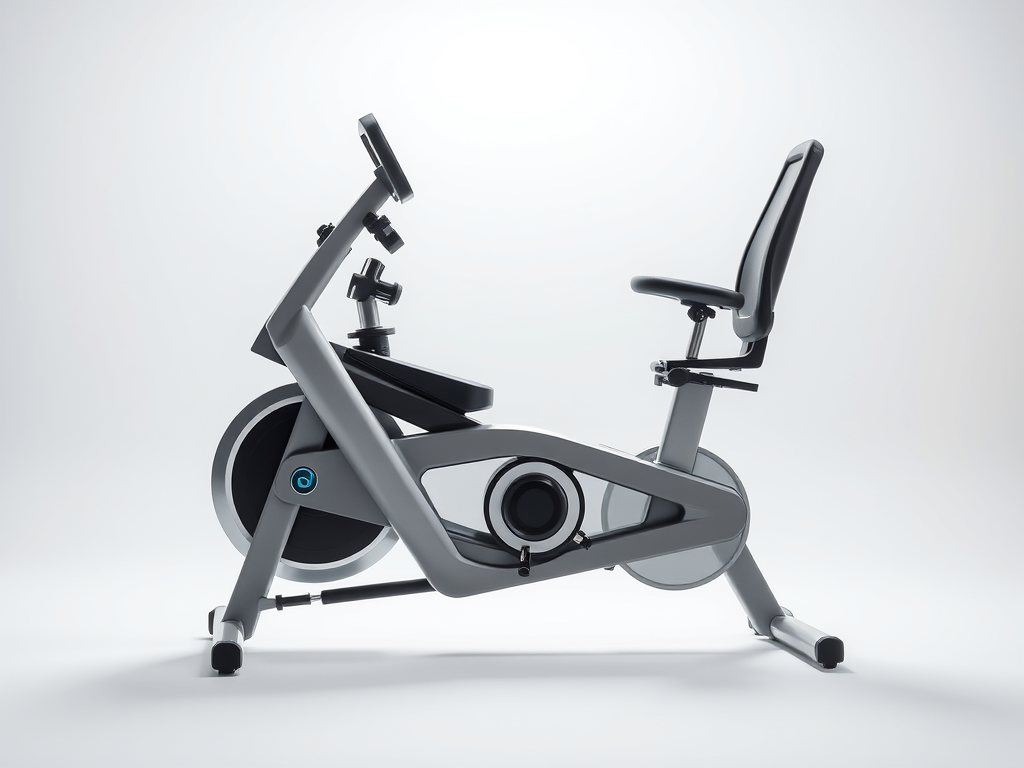
    Why it works: Cycling is low-impact, making it joint-friendly while still providing a major cardio and leg workout. Spin classes and stationary bikes offer controlled, measurable sessions.

    • Calories burned: ~400–600/hour moderate pace.
    • Best for: Overweight individuals or those who want joint-friendly cardio.
    • Progression: Increase resistance, add sprints, or tackle hills outdoors.

    Related: Best Cardio Machines for Overweight Beginners: Which One Should You Start With?


    4. Swimming (The Total-Body Workout)

    Why it works: Swimming uses every major muscle group while being zero-impact on the joints. It’s often recommended for obese individuals or those with arthritis.

    • Calories burned: ~500–700/hour moderate pace.
    • Best for: People with joint pain, or those looking for variety.
    • Extra benefit: Builds upper-body endurance, unlike many cardio options.

    5. Rowing

    Why it works: A rowing machine combines strength and cardio, engaging legs, core, back, and arms. It’s efficient for fat loss and conditioning.

    • Calories burned: ~600–800/hour.
    • Best for: Intermediate users seeking a total-body challenge.
    • Technique tip: Push with legs, hinge with hips, then pull with arms — not the other way around.

    6. High-Intensity Interval Training (HIIT)

    Why it works: Short bursts of maximum effort alternated with recovery periods improve conditioning and calorie burn in less time.

    • Calories burned: 400–600 in a 30-minute session.
    • Best for: Time-crunched individuals, fat loss.
    • Caution: Not suitable for absolute beginners or those with heart conditions without medical clearance.

    7. Jump Rope

    Why it works: Jump rope isn’t just for boxers — it’s one of the most calorie-dense workouts you can do.

    • Calories burned: ~600–900/hour.
    • Best for: Coordination, athletic conditioning, and short, high-intensity workouts.
    • Caution: High impact; not ideal for those with knee or ankle issues.

    8. Elliptical Training

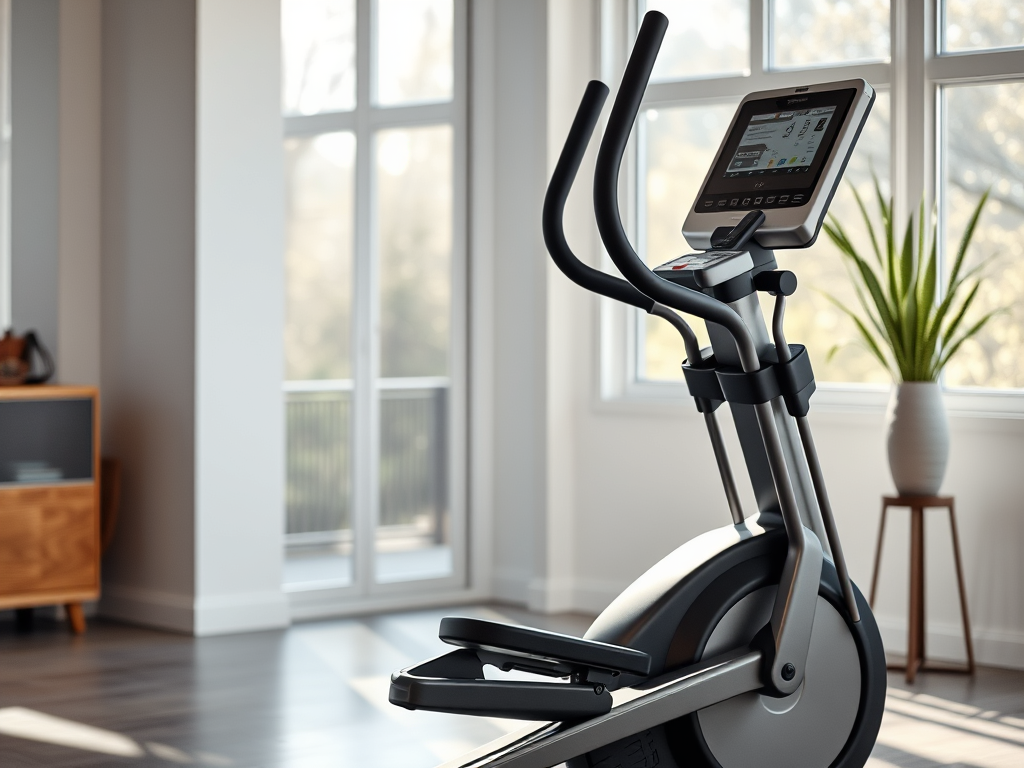
    Why it works: Provides a running-like motion without impact stress. Handles allow for upper-body involvement.

    • Calories burned: ~400–600/hour.
    • Best for: Beginners, overweight individuals, joint-friendly cardio.
    • Extra benefit: Adjustable resistance for progression.

    9. Stair Climbing

    Why it works: Builds lower-body strength while driving cardiovascular effort. Great for calorie burn in short sessions.

    • Calories burned: ~500–700/hour.
    • Best for: Fat loss, leg endurance.
    • Options: Stair climber machine, stadium stairs, or flights at home.

    10. Dance Workouts (Zumba, Cardio Dance, TikTok Trends)

    Why it works: Cardio doesn’t have to feel like cardio. Dance-based workouts are engaging and sustainable.

    • Calories burned: ~300–500/hour depending on intensity.
    • Best for: People who struggle with traditional cardio but love movement.

    Special Considerations by Body Type

    • For Beginners / Overweight Individuals: Walking, cycling, swimming, elliptical.
    • For Bad Knees or Joints: Swimming, cycling, elliptical, rowing.
    • For Busy Schedules: HIIT, jump rope, stair climbing.
    • For All-Around Fitness: Rowing and swimming (strength + cardio combined).

    The Science of Cardio Intensity

    Understanding intensity makes cardio more effective:

    • Low-Intensity Steady State (LISS): Long sessions at 50–65% max heart rate. Best for fat burning and recovery.
    • Moderate-Intensity: 65–75% max heart rate. Great for health and endurance.
    • High-Intensity: 80–95% max heart rate. Best for VO₂ max improvement and calorie burn.

    Titan Tip: Use heart rate monitors or wearable fitness trackers to stay in the right zone.


    How Much Cardio Do You Really Need?

    • For Health: 150 minutes of moderate cardio OR 75 minutes of vigorous cardio per week (CDC/WHO guidelines).
    • For Weight Loss: 200–300 minutes per week for significant fat loss.
    • For Performance: Mix steady-state and HIIT for balanced conditioning.

    Sample Weekly Cardio Plan

    Beginner (3 Days/Week):

    • 30 min brisk walk
    • 20 min elliptical
    • 30 min swim

    Intermediate (4–5 Days/Week):

    • 2 x 40 min cycling sessions
    • 1 x 20 min HIIT
    • 1 x 30 min run

    Advanced (5–6 Days/Week):

    • 2 x HIIT sessions (rowing or bike)
    • 2 x long runs or swims
    • 1 x stair climb / functional circuit

    What’s Trending in 2025 Cardio?

    • Gamified Fitness: VR cycling and dance workouts (Zwift, FitXR).
    • Wearable Integration: Precision heart rate and recovery tracking.
    • Hybrid Classes: Strength + cardio blends dominating gyms.
    • Outdoor Revival: Walking and hiking seeing resurgence post-pandemic.

    Related: Fitocracy Alternatives in 2025: The Best Apps for Gamified Fitness


    The Best Cardio Is the One You’ll Do

    The “best cardiovascular exercise” depends on your goals, body type, and preferences. Running may burn the most calories, but if you hate it, it’s not the best choice for you. Walking, swimming, cycling, rowing, and HIIT are all powerful options — but the exercise you’ll stick to consistently will always deliver the best results.

    In 2025, the future of cardio is choice, variety, and personalization. Build your plan around the activities that keep you moving, and you’ll unlock not just fitness progress, but a healthier, longer life.
  • Why Fitocracy’s Community Model Still Matters in 2025 Fitness Apps

    Why Fitocracy’s Community Model Still Matters in 2025 Fitness Apps

    More Than Points and Levels

    When people talk about Fitocracy, they often reduce it to its game mechanics—points, levels, and quests. But the real secret sauce wasn’t just gamification. It was community. Fitocracy created a sense of belonging that most modern apps still struggle to replicate. In 2025, when fitness apps dominate app stores and AI-driven programs promise personalization, it’s worth asking: why hasn’t any platform rebuilt the kind of community Fitocracy fostered? And why does that model still matter?


    The Early Days of Fitocracy: A Pioneer in Fitness Tech

    Launched in 2011, Fitocracy was more than another workout tracker. It combined two worlds: fitness logging and the social networks that were exploding at the time. The platform drew in gamers, beginners, and outsiders who didn’t feel at home in traditional gyms.

    Key innovations:

    • Gamified leveling system that turned workouts into achievements.
    • Quests and challenges that gave users structure and a sense of progression.
    • Community groups where people shared goals, struggles, and progress.

    At its peak, Fitocracy wasn’t just an app — it was a movement. Members logged workouts because they knew someone else would “prop” them, cheer them on, or share their own story.


    Related: Is Fitocracy Dead? The Real Story Behind the App’s Rise and Fall


    What Made the Community Special

    Most fitness apps have some kind of “social feature” today. But Fitocracy’s community stood out in several ways:

    1. Encouragement Over Comparison

    Unlike Instagram or TikTok fitness culture, Fitocracy wasn’t about showing off physiques. It was about showing up. A 10-minute walk could get the same kind of support as a heavy deadlift PR.

    2. Micro-Communities

    Groups like “Fitocrats Over 300 Pounds” or “Nerd Fitness” gave people spaces where they felt safe, understood, and supported. That kind of segmentation built real bonds.

    3. Peer Accountability

    Props and comments acted like mini dopamine boosts. Instead of a faceless algorithm reminding you to log in, people did.

    4. Shared Language and Identity

    Members identified as “Fitocrats.” It wasn’t just an app you used — it was an identity you claimed. That level of buy-in is rare in today’s app ecosystem.


    The Psychology Behind Community Fitness

    Research consistently shows that social support is one of the strongest predictors of long-term exercise adherence.

    • Accountability: When people know others are watching, they’re more likely to stick with habits.
    • Belonging: Fitness feels less like a punishment and more like a shared journey when you’re part of a group.
    • Validation: Achievements, no matter how small, feel more meaningful when celebrated by peers.

    Fitocracy understood these principles instinctively. Modern platforms, in contrast, often emphasize data, AI, and tracking — features that, while powerful, rarely replace human connection.


    Related: The Power of Accountability: How to Build a Supportive Fitness Community


    The Gap in Today’s Fitness Apps

    Fast-forward to 2025, and the fitness app market is saturated. Peloton, Strava, MyFitnessPal, Strong, Apple Fitness+ — they’re polished, data-driven, and feature-rich. But their “community” features often feel like afterthoughts:

    • Strava: Great for endurance athletes, but often intimidating to beginners.
    • Peloton: Focused more on instructor-led energy than peer-to-peer support.
    • Strong: A strong workout tracker, but its community feels thin compared to Fitocracy’s heyday.
    • MyFitnessPal: Massive, but its forums can be chaotic and unmoderated.

    What’s missing is the inclusive, gamified, and peer-driven accountability that Fitocracy nailed.


    Related: Fitocracy Alternatives in 2025: The Best Apps for Gamified Fitness


    Why This Matters Even More in 2025

    For many people — especially beginners, bigger bodies, or those intimidated by gym culture — a welcoming community is the difference between quitting and continuing.

    • Accessibility: A beginner logging knee push-ups should get as much encouragement as a veteran posting Olympic lifts.
    • Inclusivity: Communities need spaces where people of different body types, abilities, and goals feel represented.
    • Consistency: Apps that foster connection keep users longer, leading to better health outcomes.

    In an era when loneliness and burnout are at all-time highs, fitness communities can double as mental health support. That’s something tech-driven AI workouts can’t replicate.


    Lessons Modern Apps Should Learn from Fitocracy

    If today’s apps want to build lasting user bases, they should revisit Fitocracy’s playbook:

    1. Reward Effort, Not Just Output
      Progress logs should be celebrated no matter the numbers.
    2. Segment Communities
      Groups around shared identity, goals, or challenges make members feel seen.
    3. Make Social Native, Not Optional
      The app should nudge users toward interaction, not bury community in a sidebar.
    4. Foster Identity
      Give users a reason to say, “I’m not just using this app — I’m part of this movement.”

    The Future: Can Fitocracy’s Spirit Live On?

    Is Fitocracy itself dead? Maybe. But its influence still echoes. Any app that blends gamification, community, and inclusivity has the potential to carry the torch. Some of this spirit lives on in Discord servers, Reddit fitness subs, and boutique apps — but none have fully recaptured what made Fitocracy unique.

    Perhaps the real lesson is this: technology evolves, but humans don’t change as quickly. We still crave encouragement, belonging, and shared journeys. Fitocracy proved that when those needs are met, people don’t just work out — they thrive.


    Related: Is Fitocracy Dead? The Real Story Behind the App’s Rise and Fall


    Conclusion

    Fitocracy’s legacy isn’t its codebase or its gamified points system. It’s the model of a community-driven fitness experience where everyone, from a beginner to a powerlifter, felt celebrated. In 2025, when apps are smarter than ever but often lonelier than ever, that lesson is more relevant than ever.

    Until a platform truly reinvents what Fitocracy started, the fitness world will keep missing a piece of the puzzle: the power of community.

  • Best Cardio Machines for Overweight Beginners: Which One Should You Start With?

    Best Cardio Machines for Overweight Beginners: Which One Should You Start With?

    Walking into a gym as a beginner can feel overwhelming, especially when every row of cardio machines promises to “burn fat fast” or “torch calories.” But here’s the truth: not every cardio machine is equally beginner-friendly — and for bigger bodies, some are more supportive than others.

    If you’re overweight, obese, or simply new to fitness, choosing the right cardio machine can make the difference between staying consistent and giving up after a week. This guide breaks down the best cardio machines for overweight beginners, with pros, cons, and beginner-friendly workouts you can actually use.


    What Overweight Beginners Should Look for in a Cardio Machine

    Before we get into rankings, let’s set the criteria. A good cardio machine for bigger beginners should check these boxes:

    • Joint-Friendly: Low-impact options that don’t pound knees, hips, or ankles.
    • Weight Capacity: Machines vary — some treadmills support 300–350 lbs, while certain bikes and rowers can go 400+ lbs.
    • Comfortable to Use: Wide seats, stable platforms, and accessible setups matter.
    • Scalable Workouts: It should work for short, easy sessions now, and still challenge you months later.

    Related: Knee-Friendly Leg Day: Exercises That Spare the Joints but Build Mass


    The Best Cardio Machines for Overweight Beginners

    1. Elliptical Trainer – Low-Impact and Full-Body

    • Why It’s Great: The elliptical is one of the best low-impact cardio machines available. It mimics running without the pounding on joints, and most models support 300–400 lbs. Handles also add an upper-body component.
    • Pros: Low joint stress, full-body workout, adjustable resistance.
    • Cons: Balance can be tricky at first; taller/bigger men may find stride length too short on cheaper models.
    • Beginner Workout: 10 minutes at a comfortable pace, alternating 1 minute of light resistance with 1 minute at slightly higher resistance.

    2. Rowing Machine (Rower) – High Calorie Burn, Low Impact

    • Why It’s Great: Rowing engages nearly every major muscle group: legs, back, arms, and core. It’s seated, making it joint-friendly, but demands proper form to protect the lower back.
    • Pros: Full-body strength + cardio, high calorie burn, compact design.
    • Cons: Form takes practice; some weight limits are capped at 300–350 lbs.
    • Beginner Workout: 30 seconds rowing, 60 seconds rest — repeat 10 times. Focus on form: drive with legs, hinge at hips, then pull arms.

    3. Treadmill (Walking, Not Running) – Accessible and Familiar

    • Why It’s Great: Walking is natural, familiar, and easy to track. A treadmill makes it possible regardless of weather or terrain. Look for models with 350+ lb capacity and shock absorption.
    • Pros: Accessible, simple to use, incline options boost calorie burn.
    • Cons: Higher impact than elliptical/bike; running is not beginner-friendly at higher weights.
    • Beginner Workout: 15 minutes of walking at 2–3 mph, with 1–2 minutes at a mild incline every 5 minutes.

    4. Recumbent Bike – Comfort First

    • Why It’s Great: With its wide seat and reclined position, the recumbent bike is one of the most comfortable cardio machines. It’s excellent for beginners who struggle with joint pain or balance.
    • Pros: Low joint stress, supportive seat, long sessions possible.
    • Cons: Lower calorie burn than standing machines; less full-body engagement.
    • Beginner Workout: 20 minutes of steady cycling, maintaining a pace where you can talk but not sing.

    5. Stair Climber (Advanced Option) – Intense but Effective

    • Why It’s Great: If you want maximum calorie burn in a short time, the stair climber delivers. However, it’s tough on joints and balance, so it’s best introduced later in your journey.
    • Pros: High calorie burn, leg strength development.
    • Cons: Not ideal for very overweight beginners; weight limits may vary.
    • Beginner Workout: 5 minutes at the lowest setting, gradually building to 10–15 minutes.

    Sample Weekly Beginner Cardio Plan

    If you’re just starting out, aim for 3–4 sessions per week, 15–20 minutes each. Here’s a sample rotation:

    • Day 1: Elliptical – 15 minutes alternating easy and moderate resistance.
    • Day 2: Rest or light walking outdoors.
    • Day 3: Rowing – intervals of 30 seconds on, 60 seconds off, 10 rounds.
    • Day 4: Recumbent bike – 20 minutes steady pace.
    • Day 5: Treadmill walk – 15 minutes with mild incline bursts.

    Consistency matters more than intensity in the beginning. Over time, increase your sessions by 5 minutes or add intervals to boost your endurance.


    Related: How to Build a Workout Plan That Works for Your Frame: A Big and Tall Man’s Guide


    The Best Cardio Machine Is the One You’ll Actually Use

    When you’re overweight and starting out, the “best” cardio machine isn’t about what burns the most calories — it’s the one you’ll keep coming back to. Whether it’s the joint-friendly elliptical, the accessible treadmill, or the comfort of the recumbent bike, consistency is what transforms health and fitness.

    Start where you are, respect your body, and choose a machine that makes cardio feel doable, not punishing. Every step, pedal, or row is progress — and that’s what matters most.

  • Stomach Fat Workouts: What Actually Works (and What Doesn’t)

    Stomach Fat Workouts: What Actually Works (and What Doesn’t)

    If you’ve searched for “stomach fat workout,” you’re not alone. Belly fat is one of the most common concerns for people beginning a fitness journey. Unfortunately, the internet is filled with myths: 100 crunches a day, “one weird trick,” or the idea that a single exercise will melt away fat.

    The truth? Spot reduction is a myth. You can’t burn fat from your stomach by doing ab exercises alone. But you can reduce overall body fat, strengthen your core, and build a fitter physique with the right combination of workouts, nutrition, and recovery. This guide explains what actually works — and what doesn’t.


    Why Belly Fat Is Stubborn

    Belly fat (especially visceral fat, the kind around your organs) tends to be more resistant to loss than fat in other areas. Here’s why:

    • Genetics: Your body decides where to lose fat first — and for many, the stomach is last.
    • Hormones: Stress-driven cortisol and poor sleep can make belly fat more persistent.
    • Lifestyle factors: Sedentary routines and processed diets promote storage around the midsection.

    Knowing this isn’t meant to discourage you — it’s meant to set realistic expectations. You can reduce stomach fat, but it requires a full-body approach.


    What Doesn’t Work for Stomach Fat

    • Crunch marathons: Strengthen abs but won’t burn the fat on top.
    • Spot reduction gadgets: Waist trimmers, “belly blasting” machines, and sweat belts don’t remove fat — they just cause temporary water loss.
    • Only doing cardio: Helpful, but without strength training, your metabolism won’t improve long term.

    Related: Low-Impact Cardio Workouts That Actually Burn Fat (Especially for Plus-Size Men)


    What Does Work for Stomach Fat

    1. Strength Training (2–4x per week)

    Lifting weights builds muscle, and muscle tissue burns more energy even at rest. Compound lifts also torch calories during and after workouts. Focus on:

    • Squats, lunges, and step-ups
    • Deadlifts and hip hinges
    • Bench press, push-ups, and overhead press
    • Pull-ups, rows, or lat pulldowns

    Titan Tip: Add weight or reps gradually. Even a 5-pound increase each week adds up.


    2. Cardio (3–5x per week)

    Cardio helps create the calorie deficit needed for fat loss. Mix steady-state with intervals:

    • Low-impact steady state: 30–45 minutes of brisk walking, swimming, cycling, or elliptical.
    • Intervals (HIIT): 30 seconds of effort (fast walk, row, cycle) + 1–2 minutes easy pace, repeated 8–10 times.

    Why both matter: Steady-state builds endurance and burns fat steadily, while intervals improve conditioning and boost metabolism after exercise.


    3. Core Training (2–3x per week)

    Core exercises won’t directly burn belly fat, but they’ll sculpt the muscles underneath and improve stability, posture, and strength.

    • Plank variations (front, side, shoulder tap)
    • Bird-dogs and dead bugs (great for beginners)
    • Russian twists, cable rotations, or medicine ball throws
    • Farmer’s carries for a functional challenge

    Titan Tip: Increase time under tension instead of just reps. A 60-second plank is tougher — and more effective — than 50 rushed crunches.


    Nutrition: The Real Key to Belly Fat Loss

    Even the best workout won’t reduce stomach fat if nutrition doesn’t align.

    • Calorie balance: You need a slight deficit (burning more than you eat), but not extreme starvation.
    • Protein focus: Aim for 25–30g of protein per meal to support muscle and recovery.
    • Fiber-rich foods: Vegetables, fruits, and whole grains help with satiety and gut health.
    • Cut liquid calories: Sugary drinks, alcohol, and “healthy” juices often stall fat loss.

    Titan Tip: Instead of overhauling your diet overnight, start by changing one habit — like replacing soda with water or adding protein at breakfast.


    Related: Summer Nutrition Tips for Plus Size Men: Fueling Your Fitness Journey in the Heat


    Recovery and Lifestyle Factors

    • Sleep 7–9 hours per night: Lack of sleep raises cortisol and increases belly fat storage.
    • Stress management: Meditation, journaling, or even walking outside lowers stress hormones.
    • Consistency: Sporadic workouts don’t deliver results. Three average weeks beat one “perfect” week followed by burnout.

    A 4-Week Stomach Fat Workout Plan

    Weeks 1–2

    • Day 1: Strength (squats, bench, rows, planks)
    • Day 2: 30-minute brisk walk
    • Day 3: Rest or light stretching
    • Day 4: Strength (deadlifts, push-ups, lat pulldowns, side planks)
    • Day 5: Interval cardio (8 rounds of 30-sec fast / 1-min slow cycling)
    • Day 6: Core circuit (plank, bird-dog, Russian twists) + light walk
    • Day 7: Rest

    Weeks 3–4

    • Increase cardio by 5 minutes each session.
    • Add 1 extra set to strength moves.
    • Progress planks to 45–60 seconds.

    This simple framework balances fat loss, strength, and core training without overwhelming beginners.


    Final Word

    The best “stomach fat workout” isn’t about blasting your abs for hours. It’s about combining strength training, cardio, core stability, nutrition, and recovery into a sustainable routine. That’s what reduces body fat overall — including the belly.

    Forget the quick fixes. Focus on consistent, balanced work, and your stomach fat will decrease as part of a stronger, healthier body transformation.

  • Cardio for Bigger Bodies: How to Build Endurance Without Burning Out

    Cardio for Bigger Bodies: How to Build Endurance Without Burning Out

    For many people starting their fitness journey in a bigger body, the idea of doing “cardio” can feel overwhelming. Running on a treadmill for an hour? Not realistic. Jumping into a high-intensity bootcamp? Likely a recipe for joint pain, exhaustion, or burnout.

    But cardio doesn’t have to mean punishment. Done the right way, it’s one of the most effective tools for building endurance, supporting weight management, and improving long-term health. The key is finding cardio that works with your body, not against it.

    This guide breaks down how bigger guys (and anyone carrying extra weight) can approach cardio with confidence, safety, and a plan that actually sticks.


    Why Cardio Can Feel Tougher in a Bigger Body

    1. Joint Stress
      Carrying more body weight means more load on knees, hips, and ankles during high-impact exercise.
    2. Overheating
      Bigger bodies generate and retain heat differently, making long cardio sessions uncomfortable in hot environments.
    3. Endurance Gaps
      If you’re starting from scratch, stamina takes time to build — and going “all in” too soon can set you back.
    4. Gym Intimidation
      Feeling out of place can make cardio machines or classes more stressful than they need to be.

    Understanding these challenges isn’t about excuses — it’s about setting the stage for smarter, sustainable training.


    Related: How to Train With Joint Pain and Mobility Issues


    Low-Impact Cardio Options That Actually Work

    The best cardio for bigger bodies minimizes joint strain while keeping your heart rate in the right zone. Here are some of the top choices:

    1. Walking (Incline or Outdoors)

    • Easy to start, requires no equipment.
    • Walking at an incline on a treadmill can raise heart rate without pounding joints.
    • Outdoors, choose softer surfaces like trails or tracks to reduce impact.

    2. Swimming or Pool Workouts

    • Provides resistance while supporting body weight.
    • Great for building endurance without stressing joints.
    • Even simple walking laps in the pool count as cardio.

    3. Stationary Bike (Recumbent or Upright)

    • Builds cardiovascular endurance and leg strength.
    • Recumbent bikes provide extra back support and comfort for larger bodies.

    4. Rowing Machine

    • Full-body, low-impact workout.
    • Scales to your fitness level — intensity is controlled by your effort, not speed alone.

    5. Elliptical Trainer

    • Simulates running but with a smooth, gliding motion that reduces joint stress.
    • Many machines allow you to adjust resistance for progressive overload.

    Titan Tip: Start with the cardio option you’re most likely to enjoy. Consistency beats intensity in the long run.


    Related: The Best Cardio Workouts for Bigger Bodies (That Won’t Destroy Your Joints)


    How to Build Endurance Without Burning Out

    Start with Manageable Sessions

    • Begin with 10–15 minutes of low-impact cardio, 3–4 times a week.
    • Gradually increase time by 2–3 minutes each week.

    Focus on Intensity Zones

    • Aim for a pace where you can talk but not sing — this is often called the “conversational zone.”
    • Avoid going “all out” in the early weeks; you’re building a base, not breaking records.

    Mix It Up

    • Rotate between walking, biking, and rowing to prevent overuse injuries.
    • Different modes of cardio keep workouts fresh and target different muscle groups.

    Listen to Your Body

    • Slight soreness is normal; sharp pain is not.
    • If your joints feel beat up, shift to lower-impact options or reduce frequency.

    Sample Beginner Cardio Progression

    Weeks 1–2:

    • 10 minutes walking (flat surface), 3x per week.

    Weeks 3–4:

    • 15 minutes total: 5 walking warm-up + 5 bike + 5 walk cool-down.

    Weeks 5–6:

    • 20 minutes: incline walking or elliptical, 3–4x per week.

    Weeks 7–8:

    • 25–30 minutes mixed cardio (bike, rower, or pool workouts).

    This steady build keeps you consistent while giving your body time to adapt.


    Mindset Matters: Cardio Isn’t Just About Weight Loss

    One of the biggest traps bigger guys fall into is treating cardio as a punishment for eating or as the only path to weight loss. That mindset leads straight to burnout.

    Instead, think of cardio as:

    • Energy training: You’ll notice you can do more in everyday life without getting winded.
    • Heart health investment: Cardio reduces blood pressure, improves cholesterol, and supports longevity.
    • Confidence booster: Each small increase in time or distance is proof of progress.

    Related: Low-Impact Cardio Workouts That Actually Burn Fat (Especially for Plus-Size Men)


    Final Word

    Cardio doesn’t have to mean running until you collapse or pushing through workouts that leave you sore for days. For bigger bodies, smart cardio is about low-impact movement, gradual progression, and consistency over intensity.

    Start where you are, choose the cardio option that feels best, and focus on building up week by week. Before long, you’ll notice not only endurance gains but also a confidence that carries over into every area of life.

  • Fitocracy Alternatives in 2025: The Best Apps for Gamified Fitness

    Fitocracy Alternatives in 2025: The Best Apps for Gamified Fitness

    For years, Fitocracy was more than just a fitness app — it was a movement. It turned workouts into quests, reps into XP, and built one of the most supportive online fitness communities ever. But with Fitocracy now essentially inactive, many former users (and newcomers who discover it too late) are asking the same question: what’s the best alternative today?

    The truth is, no app has replicated Fitocracy’s exact magic, but several have carried forward its DNA. Whether you loved the gamification, the community, or the accountability, here are the best Fitocracy alternatives in 2025 — apps and platforms that bring back the fun and support of fitness through levels, badges, and social connection.


    What Made Fitocracy Special?

    Before we dive into the alternatives, let’s remember why people loved Fitocracy in the first place:

    • Gamification: XP, levels, quests, and achievements made fitness addictive.
    • Community: Supportive forums where beginners and veterans encouraged each other.
    • Accessibility: It welcomed gamers, bigger bodies, and people who never felt at home in traditional gyms.
    • Progress Tracking: Logging workouts felt rewarding, not like a chore.

    Any true alternative has to hit at least two of those notes: motivation + community.


    The Best Fitocracy Alternatives in 2025

    1. Strong – Best for Serious Strength Training

    If you loved logging lifts and chasing PRs, Strong is the cleanest, most reliable tracker on the market.

    • Easy-to-use workout logging with templates.
    • Tracks progression over time with detailed analytics.
    • Great for powerlifting, bodybuilding, or anyone focused on strength.
      Why it’s a Fitocracy alternative: Strong doesn’t have community built in, but its polished logging and “personal best” tracking scratch the same achievement itch.

    2. Hevy – Best for Social Workout Logging

    Hevy looks like what Fitocracy might have evolved into if it had kept building:

    • Log workouts quickly with exercise libraries and templates.
    • Add friends, like/comment on workouts, and build a feed similar to Fitocracy’s.
    • Offers challenges, streaks, and progress graphs.
      Why it’s a Fitocracy alternative: It combines accurate tracking with a lightweight community feed — the closest social experience to old-school Fitocracy.

    3. Habitica – Best for Gamification Beyond Fitness

    While not a fitness-only app, Habitica gamifies habits and workouts by turning them into RPG-style quests.

    • Create daily habits, including exercise, and earn XP and gold for completing them.
    • Join “parties” for accountability and cooperative challenges.
    • Cross over into other lifestyle habits (diet, sleep, productivity).
      Why it’s a Fitocracy alternative: If what you miss most is turning fitness into an RPG, Habitica scratches that itch — though it’s broader than workouts alone.

    4. MyFitnessPal – Best for Nutrition + Tracking Combo

    While MyFitnessPal is primarily a nutrition tracker, it integrates with most fitness apps and devices.

    • Huge food database for calorie and macro tracking.
    • Basic exercise logging.
    • Community forums for accountability.
      Why it’s a Fitocracy alternative: On its own, it’s not gamified — but pair it with Strong or Hevy, and you get a powerful all-in-one alternative.

    Related: Fitocracy vs Strong vs MyFitnessPal: Which App Is Best for Bigger Beginners in 2025?


    5. Apple Fitness+ / Google Fit / Samsung Health – Best for Ecosystem Integration

    The major tech platforms have all leaned into gamified rings, badges, and streaks:

    • Apple’s “rings” close daily with activity goals.
    • Google Fit uses “heart points” and integrations with wearables.
    • Samsung Health gamifies daily steps and challenges.
      Why it’s a Fitocracy alternative: If you loved XP and badges, these ecosystem apps provide daily gamified goals — though without the deeper social element.

    6. Strava – Best for Endurance and Community

    Originally for runners and cyclists, Strava has expanded into other activities.

    • Logs runs, rides, walks, hikes, and more.
    • Leaderboards and segments gamify performance.
    • Clubs and challenges create community.
      Why it’s a Fitocracy alternative: It’s the gold standard for community-driven accountability and competition — though strength athletes may find it lacking.

    7. Thunderwave Fitness – Best Community-Driven Successor

    A smaller, indie project, Thunderwave Fitness was created by former Fitocracy fans.

    • Community-driven design, reminiscent of early Fitocracy forums.
    • Combines workout logging with gamification.
    • Smaller but loyal user base.
      Why it’s a Fitocracy alternative: It’s literally carrying on Fitocracy’s spirit — grassroots, inclusive, and designed by people who miss what Fitocracy was.

    Related: How to Build a Supportive Fitness Community as a Plus-Size Man


    Which Fitocracy Alternative Is Right for You?

    • If you loved the logging + PR system: Try Strong or Hevy.
    • If you miss the social feed: Hevy or Strava will feel familiar.
    • If you want pure gamification: Habitica is your best bet.
    • If you need nutrition included: Pair MyFitnessPal with a strength tracker.
    • If you want nostalgia with a modern twist: Explore Thunderwave Fitness.

    Fitocracy’s Legacy Lives On

    Fitocracy may be gone, but the ideas it pioneered — gamification, supportive community, and progress that feels like play — are everywhere in today’s fitness landscape. No single app has replaced it, but with the right combination of tools, you can recreate the Fitocracy experience in 2025 and beyond.

    And maybe that’s the real legacy: Fitocracy didn’t just gamify fitness. It proved that community and motivation matter as much as reps and sets.

  • Why Progress Photos Matter More Than the Scale (Especially for Big Men)

    Why Progress Photos Matter More Than the Scale (Especially for Big Men)

    If you’ve ever stepped on a scale after weeks of effort only to see the number barely move, you know how discouraging it can feel. For big and tall men, especially those starting their fitness journey at 250, 300 pounds or more, the scale can feel like the only measure of progress. But here’s the truth: the scale doesn’t tell the whole story — your progress photos often reveal far more about your real transformation.


    The Problem with the Scale

    The bathroom scale measures one thing: total body weight. That number lumps together:

    • Muscle mass
    • Body fat
    • Water retention
    • Food volume in your stomach
    • Even whether you weighed yourself before or after using the restroom

    For bigger guys, this can be misleading. If you start lifting weights, you might lose fat but gain muscle at the same time. The scale could stay the same while your body shape changes dramatically.

    Result: You’re making progress, but the scale convinces you you’re not.


    Related: How to Track Progress Without Obsessing Over the Scale


    Why Progress Photos Matter

    1. They Capture Visual Changes

    Clothes fitting looser around your waist. Shoulders looking broader. A face that looks sharper. These changes don’t always show up on the scale but are obvious in side-by-side photos.

    2. They Show Posture and Confidence

    Photos track more than size — they capture how you carry yourself. Standing taller, shoulders pulled back, and looking more comfortable in your own skin are huge non-scale wins.


    Related: Affirms With Confidence: The Power of Positive Self-Talk


    3. They Highlight Long-Term Progress

    You might not notice a change week to week, but six months later? Photos side by side reveal just how far you’ve come, even if you didn’t feel it day-to-day.

    4. They Encourage Consistency

    Knowing you’ll take a new photo every month gives you accountability without the stress of stepping on the scale daily.


    How to Take Progress Photos That Work

    1. Use the Same Setup Every Time
      • Same mirror, same lighting, same time of day.
      • Consistency makes changes clearer.
    2. Wear Fitted Clothing or Go Shirtless
      • Baggy clothes hide results.
      • Athletic shorts and a snug tee are a good middle ground if shirtless isn’t comfortable.
    3. Take Multiple Angles
      • Front, side, and back views show the full story.
    4. Set a Schedule
      • Once every 2–4 weeks is ideal.
      • More frequent than that, and the changes may be too subtle to keep you motivated.

    Why This Matters for Bigger Men

    For plus-size men, especially those new to fitness, progress is often about function and feeling more than shrinking. Progress photos help highlight:

    • Being able to move better
    • Looking stronger in the shoulders and chest
    • Losing inches around the waist even when the scale stalls
    • Visible proof that effort equals change

    In short: they validate what the mirror shows but the scale hides.


    Pairing Photos with Other Non-Scale Victories

    Progress photos are powerful, but they’re even better when paired with other markers:

    • Measurements: Waist, chest, and arms once a month.
    • Performance goals: How much you can lift, how far you can walk, or how long you can last on the bike.
    • Energy and mood: How you feel day to day is just as important as the numbers.

    Related: The Power of Small Wins: Why Micro Goals Lead to Major Changes


    Final Word

    If you’re a bigger guy frustrated by the scale, step back and reframe your progress. Take photos, track how your clothes fit, and measure your strength. You’ll find that your body tells a far more encouraging story than any single number ever could.

    Progress isn’t about shrinking into someone else’s idea of success — it’s about growing stronger, more confident, and more capable in your own body.

  • You Don’t Have to Look Like the After Photo to Live Like the After Photo

    You Don’t Have to Look Like the After Photo to Live Like the After Photo

    When we think of “before and after” fitness transformations, our minds often go straight to dramatic weight loss photos plastered across social media. The “before” is slouched, tired, and dimly lit. The “after” is glowing, lean, and brimming with confidence.
    But here’s the truth: you don’t have to wait until you look like the “after” to start living like it.


    The Problem with the “Before and After” Mindset

    The before-and-after narrative suggests that life only starts once you’ve hit a certain weight, size, or body shape. That’s a lie that keeps a lot of big and tall men from enjoying life right now.

    When you focus solely on the visual transformation, you overlook the everyday victories that have nothing to do with a scale or mirror—like being able to climb stairs without stopping, feeling more energized after work, or confidently taking up space in a room.


    Related: How to Track Progress Without Obsessing Over the Scale


    What “Living Like the After” Really Means

    Living like the after photo isn’t about having a magazine-cover physique—it’s about reclaiming your life and refusing to put joy on hold. It’s about the choices you make daily that shape your quality of life long before your body changes dramatically.

    Here’s what that can look like:

    • Wearing clothes you love now instead of waiting until you “deserve” them.
    • Taking part in activities—from hiking to swimming—because you enjoy them, not because you’re chasing a certain look.
    • Fueling your body with meals that give you energy instead of living in restriction.
    • Saying yes to social events and opportunities instead of hiding away until you “look better.”

    Building the “After” Lifestyle Before the Physical Changes

    You can start living this way today, no matter where you are in your fitness journey.
    Here’s how to begin:

    1. Set Quality-of-Life Goals

    Instead of chasing a number on the scale, aim for milestones like walking a mile without discomfort, being able to tie your shoes without feeling winded, or sleeping better through the night.

    2. Upgrade Your Wardrobe Now

    Your style and self-expression shouldn’t be on pause. Invest in well-fitting, breathable clothing that makes you feel confident at your current size.

    3. Move for Joy, Not Just Calories

    Choose workouts or activities that feel good—whether it’s lifting, swimming, cycling, or dancing in your living room.

    4. Build Confidence Through Action

    Confidence doesn’t magically appear after a weight loss milestone. It grows from doing things that challenge you and prove to yourself you’re capable.


    Related: From Insecure to Unstoppable: A Confidence Blueprint for Bigger Guys


    Why This Matters for Big and Tall Men

    As a big or tall man, you’ve likely been told—directly or indirectly—that your worth is tied to shrinking yourself. But the reality is, your presence, health, and happiness aren’t waiting in some far-off “after” version of you. They’re built in the everyday choices you make right now.

    The sooner you stop putting your life on hold for a goal weight, the sooner you can experience the real benefits of fitness—strength, energy, confidence, and freedom.


    Final Thought

    Your life doesn’t start when you hit your goal size. You’re not a “before” right now—you’re a person in progress, and progress is worth celebrating every single day.
    The “after” isn’t just a photo—it’s a way of living, and you can step into it today.

  • How to Track Progress Without Obsessing Over the Scale

    How to Track Progress Without Obsessing Over the Scale

    For many big and tall men starting a fitness journey, the bathroom scale feels like the ultimate judge. You step on it after weeks of sweat and discipline, expecting a dramatic drop… but the number barely moves—or worse, goes up.

    Here’s the truth: the scale doesn’t define your progress, your health, or your worth. And for guys with larger builds, it can be one of the least useful ways to measure success.

    In fact, the obsession with daily weigh-ins is one of the biggest reasons people give up before they see lasting change. Weight fluctuates for countless reasons that have nothing to do with fat loss or fitness improvements. That’s why learning to measure progress in multiple ways is key—especially when you’re carrying a big frame or building muscle while losing fat.


    Why the Scale Can Mislead You

    The scale gives you one single data point: your total body weight. It doesn’t tell you:

    • How much of that weight is muscle vs. fat
    • Whether you’ve lost inches from your waist
    • If you’re sleeping better or moving easier
    • If you’re gaining strength and endurance

    And weight naturally fluctuates 2–6 pounds a day from:

    • Water retention after salty meals
    • Hormonal shifts (yes, men have them too)
    • Muscle inflammation after workouts
    • Simple digestion timing

    Example: If you start a strength program, you might lose 3 lbs of fat and gain 3 lbs of muscle in the same month. The scale reads “no change,” but your health, body composition, and strength are all improving dramatically.


    Smarter Ways to Measure Progress

    Here’s how to build a 360° view of your progress—without letting the scale dictate your mood.


    1. Body Measurements

    For big and tall men, the tape measure often tells a much clearer story than the scale.
    Track these areas every 2–4 weeks:

    • Neck: Useful for dress shirt fit and posture changes.
    • Chest: Shows upper body fat loss or muscle gain.
    • Waist: One of the strongest indicators of health improvements.
    • Hips: Tracks overall lower body composition.
    • Thighs & Calves: Measures lower body development, especially if lifting.
    • Arms: Shows both fat loss and muscle growth.

    Why it works: Fat loss often shows up in inches before pounds, especially if you’re doing resistance training.


    2. Strength & Performance Tracking

    Improved physical capability is a huge win—especially for bigger guys who may start with limited mobility or endurance.

    What to track:

    • Lifting stats: Weight used, sets, and reps for each major lift.
    • Cardio benchmarks: How fast you walk/run a mile, how many meters you row in 10 minutes.
    • Bodyweight skills: How many push-ups, squats, or planks you can do.

    Example: You might not lose any weight in your first month, but if you go from squatting 60 lbs to 100 lbs and walking a mile without stopping, you’ve made massive progress.


    3. Progress Photos

    Photos offer a side-by-side comparison the mirror can’t match. Our brains adjust to gradual changes, so it’s easy to miss them.

    Tips for best results:

    • Take photos in the same location, lighting, and clothing each time.
    • Get front, side, and back shots.
    • Review every 4–6 weeks for subtle differences in posture, shape, and muscle tone.

    4. Clothing Fit

    For big and tall men, this is one of the most encouraging indicators. You might notice:

    • Dress shirts buttoning without pulling at the chest.
    • Jeans fitting looser in the waist and thighs.
    • Needing a new belt notch.
    • Jackets hanging more comfortably on the shoulders.

    Clothing changes are real-world proof of progress—visible to you and everyone else.


    5. Non-Scale Victories (NSVs)

    These are the wins that have nothing to do with a number:

    • Climbing stairs without stopping
    • Sleeping through the night
    • Fewer aches in your knees or back
    • More energy during the day
    • Confidence to try new activities

    Titan Tip: Keep a written list of NSVs. On days when the scale disappoints you, that list will remind you how far you’ve come.


    How Often Should You Weigh Yourself?

    If you still want to use the scale:

    • Weigh once a week, same day/time, first thing in the morning.
    • Record the number, but don’t assign emotion to it—use it as one piece of a bigger progress puzzle.
    • Compare monthly averages instead of day-to-day changes.

    Why This Matters More for Bigger Guys

    If you’re a big and tall man:

    • You may naturally have more muscle mass than smaller-framed people.
    • Your first wins might be strength, stamina, and posture rather than dramatic weight drops.
    • Fixating on weight loss alone can make you ignore massive health improvements that matter far more in the long run.

    Putting It All Together: The Progress Tracking Plan

    Here’s a simple approach:

    1. Weekly: Weigh yourself and record it without judgment.
    2. Biweekly: Measure key body parts.
    3. Monthly: Take progress photos and compare.
    4. Ongoing: Record strength, cardio improvements, and non-scale victories.

    Within 3 months, you’ll have multiple points of proof showing your progress—even if the scale barely budges.


    Final Takeaway

    For big and tall men, the scale is just a small piece of the story.
    If you track measurements, strength, clothing fit, and daily wins, you’ll see a much fuller picture of your success. This approach keeps you motivated, builds confidence, and helps you focus on what really matters—becoming a stronger, healthier, more capable version of yourself.

  • How to Enjoy Exercise Without Making It About Weight Loss

    How to Enjoy Exercise Without Making It About Weight Loss

    Why Exercise Doesn’t Have to Be About Losing Weight

    If you’re a big or tall man, chances are you’ve heard this more than once: “You should start working out to lose weight.”

    But here’s the truth—movement doesn’t have to be punishment. It doesn’t have to be about shrinking yourself. You’re allowed to enjoy fitness, even if your body never gets smaller. You’re allowed to pursue strength, energy, better sleep, and stress relief—without turning your body into a “before and after” story.

    This post is all about reclaiming exercise as a tool for feeling better, not for meeting society’s expectations of what your body “should” look like.


    The Problem with Weight-Loss-Only Fitness Culture

    Weight-loss-centered fitness often:

    • Focuses on calorie burn instead of how your body feels
    • Reinforces shame when the scale doesn’t move fast enough
    • Makes workouts feel like punishment instead of progress
    • Teaches you to ignore your body’s actual needs

    If you’ve ever started a fitness routine only to quit because you didn’t “lose enough,” this is why.

    Fitness should be about what you gain—not just what you lose.


    5 Powerful Reasons to Exercise That Have Nothing to Do With Weight Loss

    1. More Energy

    Regular movement boosts circulation and stamina. Even light exercise like walking or stretching can help you feel less sluggish and more mentally sharp.

    2. Better Mood

    Movement triggers the release of feel-good chemicals like endorphins and serotonin. It’s one of the most effective natural ways to manage stress, anxiety, and depression.

    3. Improved Sleep

    Working out regularly—especially strength training or low-impact cardio—can help regulate your sleep cycle and lead to deeper, more restful nights.

    4. Less Joint and Back Pain

    Gentle movement, strength-building, and mobility work can relieve pressure on your joints, especially if you’re carrying more weight.

    5. Increased Confidence

    When you stop avoiding mirrors or public spaces and start showing up for your body, it transforms your mindset. You begin to realize: you’re strong now, not just “when you lose weight.”


    Related: Remote Work, Real Results: Easy At-Home Fitness for Big & Tall Men


    Tips for Making Movement Enjoyable Again

    1. Pick Activities You Actually Like

    Forget burpees and bootcamps if you hate them. Try:

    • Walking outdoors
    • Swimming or water aerobics
    • Biking
    • Strength training with machines or resistance bands
    • Dancing, hiking, martial arts, or yoga

    2. Ditch the “No Pain, No Gain” Mentality

    Pushing your body to the brink isn’t necessary—or helpful. Choose movement that leaves you feeling energized, not defeated.

    3. Track Non-Scale Progress

    Instead of obsessing over pounds, look for changes like:

    • Easier breathing after stairs
    • Improved flexibility
    • Better posture
    • More stamina during daily tasks

    4. Wear Clothes That Fit Your Body Now

    Working out in too-tight or too-loose clothing can distract you and make movement harder. Invest in breathable, properly sized gear made for big and tall bodies.

    5. Move at Your Own Pace

    You don’t need to compete with anyone—not even your past self. Focus on consistency over intensity.


    Related: The Mental Health Benefits of Movement for Big and Tall Men


    Rewriting the Narrative: You Deserve to Feel Good Now

    Movement doesn’t have to be a form of self-criticism. It can be an act of self-respect.

    You don’t have to wait until you lose weight to stretch, walk, lift, or dance. You don’t have to chase “thin” to become strong, capable, or confident.

    Your body is allowed to feel good now—and you’re allowed to enjoy the process, even if the number on the scale never changes.