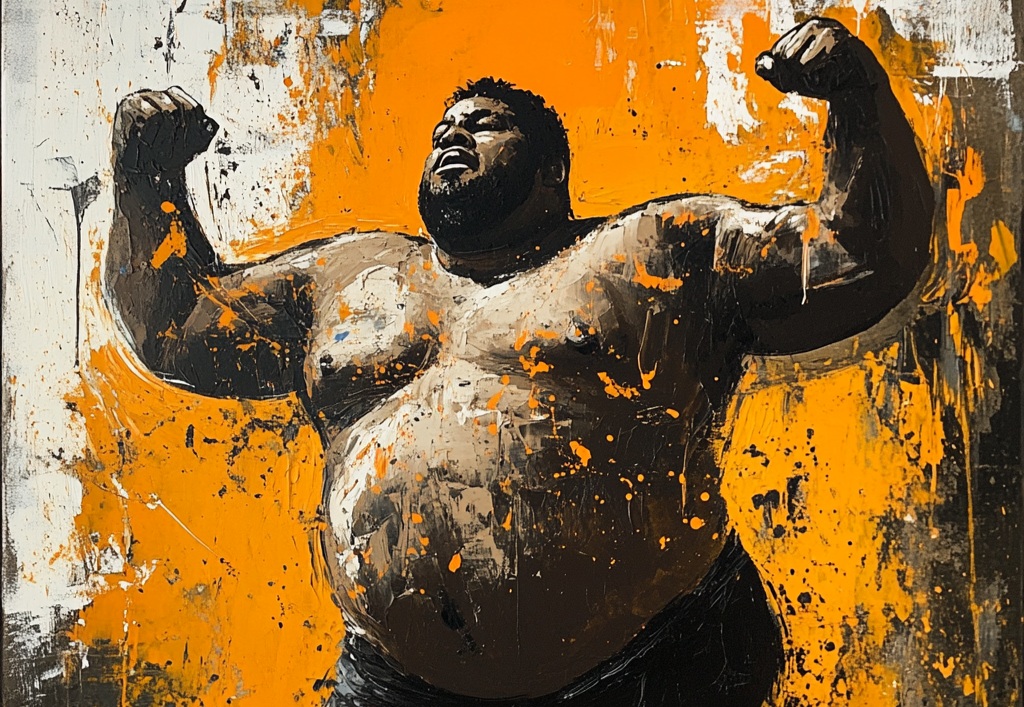
You’ve seen it a thousand times—“before” is tired, ashamed, and invisible. “After” is lean, polished, and finally happy. This message is everywhere: in fitness ads, magazine covers, transformation reels, and even subtle everyday conversations.
For big and tall men, this messaging is especially toxic. It implies that you are only worthy once you’ve lost weight, toned up, or shrunk yourself into something smaller and more “acceptable.”
But here’s the truth: You don’t have to shrink to be worthy. You are allowed to take up space—physically, emotionally, and socially—right now.
The Real Damage of the Before-and-After Trap
When society glorifies weight loss as the ultimate form of self-improvement, it:
Reinforces shame about your current body
Defines your worth by appearance instead of character or capability
Distracts you from building a life you love today
Limits confidence by putting happiness on hold “until” you hit a goal weight
This mindset robs people of joy in the present. It tells you to wait to show up fully in life—wait to wear what you want, date who you want, chase that career—until you’re thinner.
You’re Allowed to Be Enough Right Now
Let’s flip the script. You don’t need to “earn” self-respect, style, or success through weight loss.
You’re already:
Strong – Your body moves, supports, and protects you
Capable – You manage careers, families, relationships
Valuable – Your presence matters, and you bring something unique to every room you walk into
That doesn’t mean giving up on health or goals—but it means separating worth from weight.
Why Self-Advocacy Matters (Especially for Big & Tall Men)
If you’re a big and tall guy, you’ve probably experienced the frustration of being misunderstood, ignored, or outright dismissed in everyday situations. From doctors who blame everything on weight to clothing stores that don’t stock your size—it can feel like the world wasn’t built with you in mind.
But here’s the truth: you deserve comfort, respect, and real solutions. Self-advocacy isn’t about being confrontational—it’s about knowing your worth and communicating your needs clearly and confidently.
At the Doctor: You Deserve More Than “Lose Weight”
Common Issues:
Medical concerns are often dismissed as “just weight-related”
✅ Come prepared. Write down your symptoms, concerns, and questions ahead of time. ✅ Ask direct questions. (“What else could this be besides my weight?” or “Can we explore other possible causes?”) ✅ Request appropriate equipment. Don’t hesitate to ask for a larger cuff, a sturdier scale, or accessible seating. ✅ Switch providers if needed. Not all doctors are trained or willing to treat bigger bodies with dignity. You deserve someone who listens.
At Clothing Stores: You’re Not the Problem—The Inventory Is
Common Issues:
Limited sizes in-store
Store staff who offer unhelpful or awkward suggestions
Styles that don’t actually suit your frame
How to Advocate:
✅ Call ahead or check online. Ask if they carry extended sizes in-store, not just online. ✅ Know your measurements. This helps you navigate brands that size differently. ✅ Ask for a manager if needed. It’s okay to ask why inclusive sizing isn’t offered—or to request accommodations (like using a larger fitting room). ✅ Support brands that support you. Your dollars are your voice—spend them where your body is welcome.
Equipment not built for heavier weights or longer limbs
Feeling like you “don’t belong”
Stares, comments, or lack of privacy
How to Advocate:
✅ Visit during low-traffic hours to feel more comfortable while building confidence. ✅ Talk to trainers about modifying exercises for your body. ✅ Choose gyms with inclusive policies and equipment. Some even promote body-positive training. ✅ Remember: you have every right to be there. Your fitness matters—no matter your size or starting point.
Whether it’s a cramped airplane seat, a restaurant booth that doesn’t fit, or a theme park ride with size limits, it’s okay to speak up.
Tips:
Request aisle seats or extra room in advance when flying.
Politely ask for alternative seating in restaurants (e.g., table instead of booth).
Know size policies ahead of time for amusement parks or tours.
Be proactive, not apologetic. Your comfort is valid.
How to Build Confidence in Self-Advocacy
If you’ve been dismissed or shamed in the past, it can feel scary to speak up. Start small and build your confidence with these steps:
Practice scripts ahead of time. (“Excuse me, is there a larger option available?”)
Use “I” statements. (“I don’t feel comfortable in this seat—do you have another option?”)
Stay calm and firm. You’re not asking for special treatment—just basic respect.
Remember: You Belong. In that room. In that conversation. In that gym. Always.
You’re Allowed to Take Up Space
Being a big or tall man in a world designed for smaller bodies isn’t easy—but you don’t need to shrink yourself to fit in.
Self-advocacy is a skill. The more you use it, the stronger it gets. Whether you’re at the doctor’s office, the mall, or a restaurant, you have the right to speak up for your body, your health, and your comfort.
Why Working from Home Can Wreck Your Fitness (If You Let It)
Remote work has its perks—no commute, flexible schedule, and total control over your environment. But for big and tall men, it also brings a unique challenge: less daily movement and more time sitting in chairs that don’t fit right.
Add in the mental fatigue from back-to-back Zoom calls, and your fitness goals can quickly fall off the radar.
The good news? You don’t need a gym or a personal trainer. With just a little space and some smart strategy, you can stay fit and strong without leaving the house—and without punishing your joints or draining your energy.
Fitness for Big and Tall Men: Start with What Feels Good
Before we get into routines, let’s reframe the goal.
Fitness isn’t about getting shredded. It’s about improving your energy, reducing discomfort, and feeling good in your body—even if that body is 6’6″ and 300 lbs.
If you’ve ever tried to follow a YouTube workout and found yourself thinking “this isn’t made for me”—you’re not wrong. That’s why everything here is low-impact, joint-friendly, and designed for bigger frames.
Sitting all day is the enemy—especially for tall guys dealing with tight hips or big guys with back pain. Here’s how to break the cycle without overhauling your schedule:
5-Minute Fitness Breaks for Bigger Bodies:
March in place for 2–3 minutes between meetings
Chair squats: Stand up, sit down, repeat—2 sets of 10
Wall push-ups: Great for shoulders without stressing wrists
Standing toe touches (bent knees okay!) for spine mobility
Arm circles and neck rolls to release upper-body tension
No gym. No excuses. These moves add up over the week and can boost circulation, ease joint stiffness, and improve focus.
A Sample 15-Minute Workout for Big and Tall Men (No Equipment)
Here’s a realistic, scalable routine you can do at home—even in your work clothes.
🔁 Repeat 1–2x:
March in place or around the house – 3 minutes
Wall push-ups – 2 sets of 10
Chair-assisted squats – 2 sets of 8–10
Standing knee lifts – 10 per leg
Overhead reaches and side stretches – 1 minute
Deep breathing – 1 minute cool-down
This combo gets your blood flowing, strengthens key muscle groups, and avoids strain on knees, ankles, and wrists.
Work-from-Home Fitness Tools That Actually Work
Not every product is built for bigger bodies. These picks can help make your remote fitness journey smoother:
🧘 XL Yoga Mats – More space, more stability
🪑 Heavy-Duty Resistance Bands – Great for low-impact strength work
Mindset Over Metrics: You Don’t Have to Shrink to Succeed
The fitness world often tells big men they need to get smaller to be “healthy.” That’s garbage.
You can be big, tall, heavy—and still be strong, flexible, and confident.
Working from home gives you a rare opportunity: the ability to design your day around your body’s needs. Use it to create a lifestyle that supports your goals, not someone else’s ideal.
Final Tips for Staying Fit While Working from Home
Set phone or calendar reminders to stand or stretch
Keep a resistance band at your desk as a visual cue
Use breaks and transitions (like coffee refills) as movement triggers
Track wins like “less back pain” or “more energy” instead of just weight
In a world that often glorifies being small, lean, and sleek, it’s easy for bigger guys to feel like their size is more of a disadvantage than an asset. But here’s the truth: your size is a superpower—not a hindrance. Whether you’re tall, broad, or simply larger than the average guy, your body has strengths that others don’t. It’s time to embrace your stature and use it to your advantage, both physically and mentally.
This blog will help you understand how to shift your perspective, find confidence in your frame, and use your size as a tool to build the life you deserve.
1. Your Size Demands Attention — Use It Wisely
One of the first things people notice when you walk into a room is your size. And that’s not something to shrink away from. Whether you realize it or not, your presence already speaks volumes. This natural gravitas is something smaller individuals work hard to create, but you’ve got it effortlessly.
How to Harness It:
Posture: Stand tall and exude confidence. Your height gives you a commanding presence, so use it to your advantage. Maintain strong posture to show you’re comfortable in your skin.
Body Language: Big guys often have more expansive body language. Use it! Open gestures, a firm handshake, and eye contact are powerful tools that leave an impression of confidence and control.
2. Bigger Frames Are Stronger — Build on That Power
Your body naturally carries more muscle, especially in your chest, shoulders, and legs. This is a huge advantage, whether you’re lifting weights or taking on physically demanding tasks. Strength isn’t just physical—it also contributes to mental toughness.
How to Harness It:
Strength Training: Use your natural muscle-building advantage by incorporating strength training into your routine. Exercises like squats, deadlifts, and bench presses can take your workouts to the next level.
Endurance & Power: Building on your strength will improve not only your muscle tone but also your stamina and energy levels. This gives you a mental edge in tackling challenges, both in and out of the gym.
It’s scientifically proven that being taller or more physically imposing can offer a buffer when it comes to stress levels. Big and tall men often face fewer external challenges when navigating tight spaces or feeling overlooked—simply because their presence is commanding.
How to Harness It:
Physical Presence in Stressful Situations: Embrace your size in situations that require confidence, like public speaking, negotiating, or any scenario where being assertive is key.
Relaxation: Use your natural physicality to practice stress-relieving activities like stretching, yoga, or even heavy lifting. Your body’s built to take on more, and finding ways to relax it can help improve mental resilience.
4. Big Men Often Have Big Hearts: Empathy Is Your Superpower
There’s something magnetic about a big guy with a big heart. Your frame makes people take notice, but it’s your personality that leaves the lasting impression. Often, big and tall men are perceived as more approachable, especially when they balance their physical presence with warmth and empathy.
How to Harness It:
Kindness and Confidence Go Hand-in-Hand: Use your presence to stand out, but also use it to lift others up. Practice active listening and offer help where you can. Your genuine care makes you more relatable.
Leadership: Whether at work, in your community, or in personal relationships, this blend of confidence and empathy will inspire those around you. People are drawn to those who lead with both strength and kindness.
5. Challenge the Stereotypes: Redefine What Strength Looks Like
Society often tells us what it means to be “fit” or “strong”—and it typically doesn’t involve being big or broad. But strength is so much more than six-pack abs or a thin waistline. For big and tall men, strength comes in different forms—whether it’s physical, emotional, or mental.
How to Harness It:
Redefine Fitness: Strength isn’t limited to aesthetics. Embrace the form of fitness that works for you, whether it’s lifting, walking, swimming, or playing sports. Being strong means being healthy, confident, and capable.
Own Your Journey: Fitness isn’t about conforming to someone else’s idea of what’s “perfect.” It’s about being the best version of YOU. Whether you’re into heavy lifting or endurance training, your progress matters—and so does the confidence you gain from it.
Being a big and tall man comes with its challenges—but it also gives you a unique advantage. Your size is a gift. It allows you to stand out in ways others can’t, and with the right mindset, you can harness it to create the life you want.
By embracing your frame, using your strength, and challenging societal norms, you’ll find that your size isn’t a barrier—it’s your superpower.
For big and tall men, the fitness world can often feel unwelcoming. Standard equipment doesn’t fit. Clothes are too tight. Workouts feel like punishment. And worst of all, the narrative is often centered solely around weight loss—as if that’s the only goal that matters.
But what if we shifted the focus?
What if movement wasn’t about shrinking your body, but about supporting your mental health, building resilience, and improving how you feel—inside and out?
Let’s talk about why movement matters for big and tall men’s mental wellness and how to get started on your terms.
1. Movement Reduces Anxiety and Stress
Regular physical activity—whether it’s a walk, a lifting session, or stretching in your living room—releases endorphins, the brain’s natural feel-good chemicals. For big and tall men who carry stress in their backs, joints, and shoulders, this release can be both physical and emotional.
Quick Wins:
Go for a 15-minute walk after work.
Try deep breathing and shoulder rolls at your desk.
Do light stretching after a long commute or standing shift.
Movement doesn’t have to be intense. Consistency beats intensity every time.
Let’s be real—many big and tall men are used to being judged the moment they walk into a gym or fitness class. That judgment—real or perceived—can chip away at confidence. But here’s the truth: every time you show up for yourself physically, you rebuild a piece of that self-worth.
Why it works: Physical activity helps you reconnect with your body in a positive way. You start to see what your body can do, not just how it looks.
What to try:
Set performance goals (e.g., walking a mile without stopping or holding a plank for 30 seconds)
Track your progress (not your weight)
Find a movement style that makes you feel capable, not punished
3. Helps Manage Depression and Mood Swings
Movement stimulates brain regions that regulate mood. In fact, exercise has been shown to be as effective as medication for some forms of mild to moderate depression. This matters even more when you factor in how isolation, societal pressure, and body stigma uniquely affect big and tall men.
What’s the best form of movement? The one you’ll actually stick with. Try:
Dance (yes, really—nobody’s watching)
Swimming or water aerobics (low impact and freeing)
Hiking or walking in nature
The goal isn’t to “fix” your body—it’s to lift your mind.
Big and tall bodies often come with unique challenges when it comes to rest—back pain, overheating, or discomfort can impact sleep quality. Movement helps regulate your sleep cycle, reduce physical discomfort, and boost energy throughout the day.
Try this:
Gentle yoga or stretching before bed
Early morning movement to reset your circadian rhythm
Limit high-intensity workouts right before bedtime
Better sleep = better mood. And when you’re well-rested, everything else feels more manageable.
5. Builds Community and Connection
Fitness doesn’t have to be a solo act. Joining a movement-based group—whether online or in person—can combat loneliness, boost accountability, and help you find a tribe that celebrates your wins.
Look for:
Big and tall fitness forums or subreddits
Online programs with inclusive trainers
Local walking or rec sports groups
You deserve to feel like you belong. Movement is one way to reclaim that space.
You Deserve to Feel Good—Not Just Fit In
For big and tall men, movement is about more than just losing weight. It’s about mental clarity, confidence, relief, and connection. It’s one of the most powerful tools you have for feeling better—mentally, emotionally, and physically.
So find what works for you. Move at your own pace. And remember: your body isn’t a problem to be solved. It’s a vessel to be supported.
When it comes to fitness for big and tall men, mobility is often overlooked. However, maintaining flexibility and mobility is essential for improving overall fitness, reducing the risk of injury, and enhancing quality of life. Whether you’re lifting weights, running, or engaging in daily activities, good mobility ensures that your body moves efficiently and without discomfort.
In this post, we’ll explore why mobility training is crucial for big and tall men, and share effective stretching and flexibility exercises to help you move better, feel stronger, and stay injury-free.
1. Why Mobility Matters for Big and Tall Men
For big and tall men, mobility can be especially important due to the increased stress placed on joints and muscles. Poor flexibility and stiffness can limit your range of motion, leading to pain and discomfort, especially in areas like the lower back, hips, and knees.
Mobility exercises help improve joint health and muscle flexibility, ensuring that your body moves freely and efficiently. By incorporating mobility training into your fitness routine, you’ll:
Reduce muscle tightness and joint stiffness
Improve posture and alignment
Enhance athletic performance
Lower the risk of injury during physical activities
Increase flexibility, which can improve your workout performance
2. The Key Benefits of Mobility Training for Big and Tall Men
For big and tall men, mobility training offers several key benefits that can directly enhance your fitness and lifestyle:
Improved Joint Health: Stretching and mobility exercises promote fluid movement within your joints, which can help reduce pain and discomfort in weight-bearing areas such as the knees and hips.
Better Posture: Mobility exercises, especially for the spine and hips, can help improve posture by relieving tightness in the upper body and promoting better alignment.
Enhanced Strength Training: As flexibility increases, you’ll be able to achieve a fuller range of motion during strength training exercises, allowing for better muscle engagement and improved results.
Reduced Risk of Injury: Regular mobility exercises help prevent injuries by ensuring that your muscles and joints are well-prepared for physical activities, reducing the risk of strains and sprains.
3. Stretching and Flexibility Exercises for Big and Tall Men
Here are some mobility exercises specifically designed to help big and tall men enhance flexibility and joint health:
Hip Flexor Stretch Tight hip flexors can lead to lower back pain and poor posture. This stretch will help open up the hips and relieve tightness in the lower body.
How to do it: Step one foot forward into a lunge position. Lower the back knee to the ground and gently push your hips forward, feeling a stretch along the front of the hip. Hold for 20-30 seconds and repeat on the other side.
Cat-Cow Stretch This exercise promotes spinal flexibility, improving posture and relieving tension in the back.
How to do it: Start on all fours with your hands under your shoulders and knees under your hips. Inhale and arch your back, dropping your belly towards the floor (Cow), then exhale and round your back, tucking your chin to your chest (Cat). Repeat for 10-15 reps.
Standing Forward Fold This stretch targets the hamstrings, lower back, and calves. It’s excellent for big and tall men who spend a lot of time sitting or have tight hamstrings.
How to do it: Stand with feet hip-width apart, bend at the hips, and reach for your toes while keeping your knees slightly bent. Hold for 30 seconds, then slowly return to standing.
Thoracic Spine Rotation This exercise improves upper back mobility, which can help with posture and reduce stiffness in the shoulders.
How to do it: Sit on the floor or stand with feet hip-width apart. Place your hands behind your head and rotate your torso to one side, keeping your hips stable. Hold for 10 seconds, then rotate to the other side. Repeat 5-10 times per side.
Seated Hamstring Stretch This simple stretch targets the hamstrings, improving flexibility in the lower body and preventing tightness.
How to do it: Sit on the floor with one leg extended straight out and the other leg bent, foot towards your inner thigh. Reach toward the toes of your extended leg, feeling the stretch in your hamstring. Hold for 20-30 seconds and switch sides.
4. How Often Should Big and Tall Men Incorporate Mobility Exercises?
For big and tall men, consistency is key when it comes to mobility training. Aim to incorporate stretching and flexibility exercises into your routine at least 3-4 times a week. If you are recovering from an injury or have particularly tight muscles, you may benefit from adding daily mobility exercises.
Remember, mobility work doesn’t have to be time-consuming. Even spending 5-10 minutes after your workout or first thing in the morning can provide substantial benefits for your overall flexibility, joint health, and performance.
5. Tips for Staying Consistent with Mobility Training
Set a Routine: Consistency is crucial. Schedule time in your week for stretching and mobility exercises, and treat it as an important part of your fitness plan.
Listen to Your Body: Stretching should never feel painful. Focus on gradual progress and listen to your body’s signals to avoid over-stretching.
Combine with Strength Training: Mobility exercises can complement your strength training routine by helping you achieve a full range of motion, improving overall performance.
Make Mobility a Priority in Your Fitness Routine
For big and tall men, mobility training is not just an optional add-on—it’s an essential component of a well-rounded fitness plan. By improving flexibility and joint health, you’ll enhance your athletic performance, reduce injury risk, and enjoy a more comfortable, active lifestyle. Start incorporating stretching and mobility exercises today and experience the long-term benefits of a more flexible, stronger, and healthier body.
Self-love is a powerful tool for enhancing mental health and fostering a positive outlook on life. For big and tall men, cultivating this sense of self-love can be especially impactful, as societal pressures and stereotypes often create challenges that affect how we see ourselves. But embracing your body and learning to love it is key to building confidence, improving mental well-being, and living a fulfilling life.
In this post, we’ll explore why self-love is essential for big and tall men’s mental health and how to practice body positivity every day. Whether you’re navigating societal expectations, battling self-doubt, or simply looking for a boost of confidence, this guide is here to inspire you to love yourself unapologetically.
1. Challenging Societal Standards: Why Embracing Your Size Matters
Society often imposes unrealistic body standards, which can lead to negative self-image and mental health struggles, especially for big and tall men. Whether it’s the pressure to fit into certain clothing sizes, the portrayal of slim, toned bodies in media, or the teasing and bullying that some face, these challenges can make it hard to embrace who you are.
However, embracing your size means rejecting these limiting standards and recognizing your body as strong, unique, and worthy of love. By doing so, you empower yourself to break free from negativity and focus on the things that make you happy and confident.
Self-love directly impacts mental health by helping to reduce stress, anxiety, and feelings of inadequacy. When you accept and appreciate your body as it is, you reduce the pressure to constantly meet external expectations, which can alleviate mental health struggles like depression and anxiety.
For big and tall men, practicing self-love means acknowledging your worth beyond physical appearance. It’s about recognizing your talents, strengths, and unique qualities. With a healthier mental state, you’re better equipped to tackle life’s challenges and enjoy the relationships and opportunities that come your way.
3. How to Practice Self-Love for Big and Tall Men
Here are some practical steps you can take to build a stronger connection with yourself and boost your self-love:
Focus on Fitness, Not Size: Prioritize your health over fitting into a particular mold. Whether you’re into weightlifting, yoga, or cardio, staying active promotes mental well-being and self-esteem.
Wear What Makes You Feel Good: When shopping for clothes, focus on finding items that make you feel confident, not on the size tag. Many brands are now offering stylish options for big and tall men, making it easier to embrace fashion that suits your style.
Surround Yourself with Positivity: Build a support network of friends, mentors, and communities that encourage body positivity. Engage with content that promotes inclusivity and celebrates diverse body types.
Challenge Negative Self-Talk: Be aware of how you talk to yourself. Instead of focusing on perceived flaws, practice affirmations that remind you of your strengths, talents, and unique qualities.
Seeing big and tall men represented in media—whether in movies, advertisements, or social media—is crucial for fostering self-love. The more diverse body types we see in the media, the more we can shift society’s focus away from unrealistic beauty standards.
As a big and tall man, your presence in the world, whether through your career, hobbies, or interactions, can inspire others to embrace themselves too. Representation matters, and you can be a part of changing the narrative by owning your identity proudly.
5. Creating a Healthy Mindset for Self-Acceptance
Self-love is an ongoing journey, and it’s essential to keep reinforcing it in your daily life. Start by setting small goals for yourself, whether it’s engaging in a self-care routine, practicing gratitude, or seeking therapy or counseling for support.
Remember, the key to embracing your body is understanding that self-worth comes from within. By practicing self-love consistently, you’ll build a strong foundation for mental health, confidence, and happiness.
Embrace Who You Are
As a big and tall man, your body is a reflection of your unique strength, resilience, and character. Embracing it with love and care is not only essential for your mental health, but it also sets a positive example for others. Don’t let societal pressures define your worth. Instead, learn to love yourself, flaws and all, and live life with confidence and pride.
Finding the right shoes as a bigger guy isn’t just about style—it’s about protecting your knees, your back, and your progress.
When you’re carrying more weight, impact hits harder. Joints absorb more force. Cheap shoes break down faster. And if you’re doing real work—lifting, walking, running, or just trying to stay consistent—you need shoes that won’t quit after two weeks.
Most “best training shoes” lists don’t even consider bigger bodies. So we built one that does.
Before we jump into our top picks, here’s what actually matters in a training shoe for heavier lifters:
Cushion that doesn’t flatten out after a few sessions
Stability through the midsole and heel, especially during lifts or uneven surfaces
A wide enough fit—because narrow toe boxes are a no-go when your feet are putting in work
Durability: Shoes that actually last longer than your first month back in the gym
Whether you’re lifting heavy, walking for cardio, or just looking for everyday support, these options hold up under pressure—literally.
Our Top Picks: Best Shoes for Heavy Guys in 2025
Brooks Beast 20
A favorite for a reason. This shoe is built for max support, especially for guys who overpronate (your ankles roll inward). The cushioning is thick but responsive, and the wider build makes it feel stable even during long walks or light cardio.
Great for: Walking, steady-state cardio, daily wear
This one’s built for lifters. The Nano X4 has a sturdy base that makes it feel planted during squats and deadlifts, but it’s flexible enough for circuit training or quick transitions. If you lift heavy but still like to move, this is a solid pick.
Great for: Strength training, circuits, light conditioning
Best feature: Roomier toe box than most lifting shoes
This is a serious running shoe—but don’t let that scare you off. The Gel-Kayano is all about shock absorption, arch support, and heel stability. It’s a great pick for bigger guys doing light cardio or looking for something with all-day comfort.
Great for: Cardio, errands, being on your feet all day
This shoe gets joked on for being the “dad shoe,” but here’s the truth: dads know comfort. The Monarch has a thick sole, wide fit, and plenty of cushion. It’s not flashy, but it’s one of the most reliable budget options for heavier guys.
Great for: General training, walking, everyday errands
This shoe is for the guys who love barbell work. It has a low-to-the-ground feel that keeps you stable, especially during lifts. The sole is rigid in all the right places, and the outer shell is durable enough for serious training volume.
Great for: Deadlifts, squats, functional strength training
Ultra-minimal shoes: Not enough cushion or support
Narrow fits: Cause blisters, limit your balance
Lightweight foam soles: They flatten out way too fast for heavier lifters
If you’ve ever had your shoes feel “mushy” after two weeks—it’s not in your head. Most shoes just aren’t made for guys with real mass.
The Right Shoes Make the Work Feel Easier
If you’re doing the work—whether that’s walking more, hitting PRs, or just showing up—your shoes shouldn’t be the thing holding you back. The best shoes for bigger guys aren’t about hype. They’re about giving your body the base it needs to perform and recover better.
This list will keep evolving based on what real guys in our community are using. If you’ve got a go-to pair we missed, let us know—we’ll update it.
Updated May 7, 2025:Since its initial release, Fitocracy has seen several changes, and the fitness app landscape has evolved significantly. In this updated version of our review, we dive into what’s new with Fitocracy in 2025, including the app’s current features, its shift away from community engagement, and the rise of more inclusive fitness platforms. We also explore the growing demand for apps that cater to people of all body types and fitness levels, offering alternatives to Fitocracy that may better align with your goals for real progress, not pressure. Whether you’re looking for motivation through gamification or seeking a more supportive and body-positive environment, this guide will help you decide if Fitocracy is still worth it in 2025 or if there’s a better fit for your fitness journey.
If you’re a bigger guy trying to get healthier in 2025, you’re probably sick of apps and fitness communities that don’t actually get you. They push six-pack dreams, diet culture, and unrealistic expectations. So where does that leave platforms like Fitocracy, the once-popular app that gamified fitness?
Let’s break down whether Fitocracy is still worth your time in 2025—especially if you’re tired of being overlooked and just want real progress.
What Is Fitocracy? A Blast From the Past
Fitocracy launched over a decade ago as a social fitness app that Fitocracy was a pioneer when it launched over a decade ago. It was marketed as a social fitness app designed to gamify your workouts. Picture this: you log your exercise sessions, earn points, level up, and unlock achievements. Sounds fun, right? It was like turning your fitness routine into an RPG, but with dumbbells instead of dragons.
The app became a go-to for fitness enthusiasts who wanted to stay motivated and accountable. Fitocracy combined:
Workout tracking: Log your exercises, sets, and reps to keep tabs on your progress.
Community engagement: Connect with others through forums, challenges, and social encouragement.
Gamification: Get rewarded with points, badges, and levels to keep the motivation high.
At its peak, Fitocracy wasn’t just an app—it was a thriving community. People would cheer each other on, share tips, and celebrate milestones. But, as is the case with many apps, things started to slow down. The user base decreased, updates were few and far between, and many of the forums and social features lost their spark. So, what’s left in 2025?
The Evolution of Fitness Apps: How Fitocracy Fits Into the Bigger Picture
In the last decade, the landscape of fitness apps has evolved significantly. With the rise of health tracking, virtual coaching, and specialized communities, it’s essential to look at how Fitocracy compares to newer platforms. Apps like Peloton, Strava, and Fitbit have taken a more comprehensive approach by integrating live classes, social interaction, and community support. Fitocracy’s legacy—a focus on gamification and community-based progress tracking—pioneered an idea, but it hasn’t kept up with these evolving trends.
What Fitocracy Offers Today (And Where It Falls Short)
Today, Fitocracy still exists. You can still log workouts, join challenges, and message people. But let’s be honest—it feels like a gIn 2025, Fitocracy is still around, but it’s not the vibrant platform it once was. Yes, you can log your workouts, join a few challenges, and message other users, but if you’re looking for a truly engaging experience, it might feel like a bit of a ghost town. The core features haven’t evolved significantly, and many of the original users have moved on.
Pros:
Gamification still works for some: If you enjoy earning points and leveling up, Fitocracy’s gamified structure can still be motivating.
Workout tracking is decent: It still tracks your exercises and can help keep you on top of your workouts.
Niche coaching options: There are still some coaching options available, especially for those who enjoy the self-guided route.
Cons:
Outdated interface: The app feels like it’s stuck in the past, and the user experience doesn’t align with modern fitness apps.host town. The core features haven’t been updated significantly, and many of the original users have moved on.
Community vibe has almost vanished: The forums are nearly empty, and interactions with other users are rare.
Limited body-inclusive language and support: Fitocracy hasn’t evolved much in terms of inclusive language or beginner-friendly advice.
Lack of accountability and coaching: If you need constant support or personalized coaching, Fitocracy is not ideal.
Fitness Gamification: Does It Actually Work?
Gamification is at the heart of Fitocracy’s appeal, but does it really work? Research shows that gamifying fitness can help some people stay motivated, but others find it doesn’t lead to lasting habits. This section can explore the psychological aspect of gamification in fitness apps.
Discuss studies or opinions about how gamification works in health and fitness.
Mention apps that use gamification well and how it’s adapted to fit more modern needs.
Real Talk: Fitocracy vs Alternatives
Here’s how Fitocracy stacks up today against other options:
Feature
Fitocracy
Strong
MyFitnessPal
Community Support
❌ Declined
❌ None
⚠️ Generic
Gamification
✅ Yes
❌
❌
Progress Tracking
⚠️ Basic
✅ Advanced
✅ Decent
Beginner-Friendly
⚠️ Mid
✅
⚠️ Mid
Body-Inclusive
❌ No
❌ No
❌ No
Legend: ✅ = Strong | ⚠️ = Average | ❌ = Lacking
Community Support: While Fitocracy once thrived with social interaction, it now feels abandoned. Apps like MyFitnessPal offer a more active community, though still generic.
Gamification: Fitocracy still offers the gamification aspect, but MyFitnessPal and Strong focus more on straightforward fitness tracking.
Progress Tracking: Fitocracy’s tracking is basic, with MyFitnessPal offering more advanced analytics. Strong provides solid tracking for strength training.
Beginner-Friendly: Fitocracy and Strong cater well to intermediate users, while MyFitnessPal offers more beginner-friendly resources.
How Fitocracy Stacks Up in Terms of Fitness Goals: Weight Loss, Strength, and Overall Health
Everyone has different fitness goals—whether it’s weight loss, building strength, or improving cardiovascular health. In this section, you can go into detail about which types of goals Fitocracy supports and where it falls short.
For example:
Weight Loss: Fitocracy’s focus on tracking workouts is great for calories burned, but it doesn’t offer the advanced nutrition tracking that newer apps provide.
Strength Training: While Fitocracy offers some progress tracking, apps like Strong provide more targeted support for weightlifters, tracking sets, reps, and rest time more effectively.
So, Is Fitocracy Still Worth It?
If you’re a tech-savvy lifter who likes gamification and doesn’t If you’re tech-savvy and enjoy the gamified aspect of fitness, Fitocracy might still work for you. It can be a fun way to track workouts and level up, especially if you don’t need a community or personalized coaching.
But here’s the real question: If you’re looking for something more than just points and badges—something that helps you feel seen, supported, and genuinely progressing—then Fitocracy is probably not the app you need in 2025.
What to Look for in a Fitness App in 2025
If you’re done with the pressure, shame spirals, and one-size-fits-all advice, it’s time to find an app that truly understands you. You deserve a platform that:
Supports bigger bodies: Look for apps that promote body inclusivity and don’t push unrealistic goals.
Offers real accountability: You need support beyond a like or an upvote. Look for apps that offer personalized coaching, progress tracking, and clear steps.
Provides genuine progress: Fitness should be about real, measurable progress—not chasing unrealistic ideals. Find platforms that focus on what truly matters: your growth.
What Are the Best Alternatives to Fitocracy for Bigger Guys?
If you’re not sure if Fitocracy fits your needs in 2025, there are plenty of alternatives that cater to people looking for inclusivity, support, and realistic goals. Here’s a breakdown of some of the best fitness apps for bigger guys:
MyFitnessPal: A comprehensive calorie tracker with community support.
Strong: A great app for weight training, progress tracking, and beginners.
Nike Training Club: Offers a wide range of workouts, including body-positive, beginner-friendly programs.
JEFIT: A well-rounded app for strength training with extensive exercise libraries.
Frequently Asked Questions About Fitocracy and Fitness Apps
Another SEO-boosting section that adds value and relevance is an FAQ. People often search for specific questions, and addressing them directly in your post can help you rank for those queries. Some FAQ suggestions:
Is Fitocracy free? Fitocracy offers a basic version for free, but premium features require a subscription.
Can Fitocracy help me lose weight? Fitocracy can help you track workouts, but it doesn’t offer specialized features for weight loss like some other apps (e.g., nutrition tracking, meal planning).
Are there any body-positive fitness apps? Yes, there are several apps like Nike Training Club and JEFIT that offer inclusive workouts and community support for all body types.
Ready for Something That Actually Moves the Needle?
If you’re done with the shame spirals, the silent forums, and the one-size-fits-all advice, we’ve built something better.
The truth is, your fitness journey deserves a space that respects your body, your mindset, and your pace. Whether that’s with us or somewhere else, don’t settle for being overlooked. You deserve better.
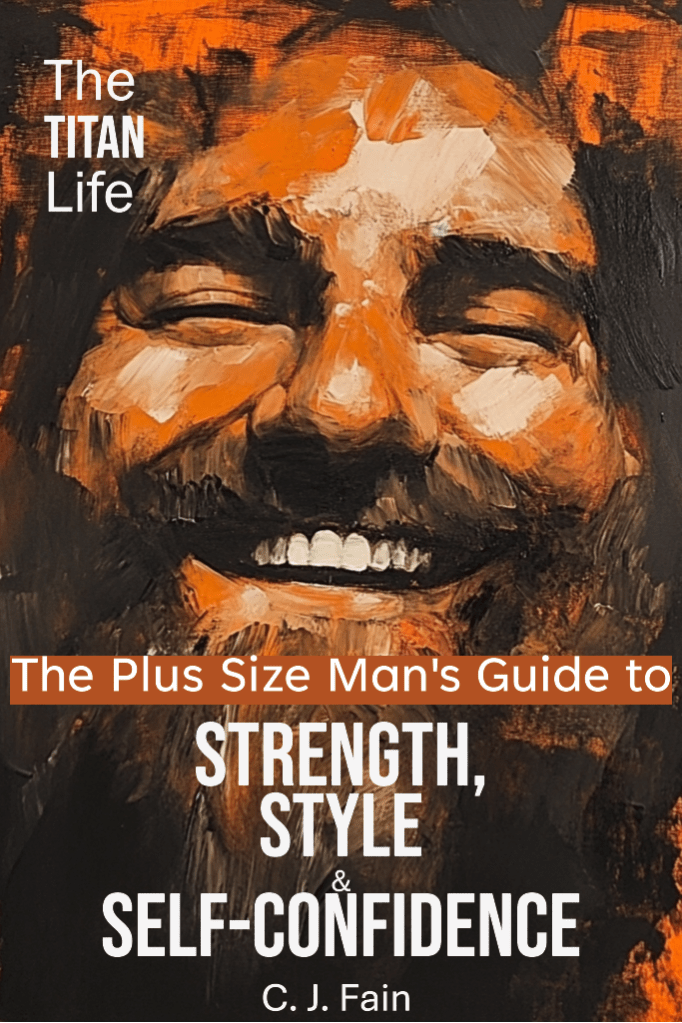
Introducing The Titan Life: The Plus Size Man’s Guide to Strength, Style, & Self-Confidence
We’re proud to announce the launch of The Titan Life, a new eBook created specifically for plus-size men who are ready to reclaim their strength, confidence, and style — without shrinking themselves to fit anyone else’s standards.
This isn’t your typical fitness guide. It’s a mindset shift. A performance plan. A confidence boost. A lifestyle.
Whether you’re just getting started or coming back after a break, this book meets you where you are — and helps you move forward with intention.
What’s Inside the Book
The Titan Life is packed with real, practical guidance for plus-size men who want to build a better relationship with fitness, nutrition, style, and self-respect. Inside, you’ll find:
Fitness routines tailored for bigger bodies
Joint-friendly workout modifications
Nutrition tips without the crash-diet nonsense
Style advice for confidence and comfort
Mental strategies for long-term motivation
A 30-day kickstart plan with printable tools
You’ll also hear from other plus-size men who are redefining what strength looks like — and how community support changes everything.
Get Chapter One for Free
To celebrate the launch, we’re offering Chapter One: “Building a Fitness Routine That Works for You” completely free.
In this chapter, you’ll learn:
Why most fitness plans fail plus-size men
How to start strong with bodyweight, pool, and resistance band workouts
There are endless fitness guides out there — but almost none written by and for men with bigger builds. This book was born from frustration with generic advice and unrealistic standards. It’s about giving men the tools to move, eat, and live in a way that works for them — no shrinking required.
It’s not about perfection. It’s about progress. Not about fitting in. About standing out.
Want the Full Book?
If you love Chapter One, the full eBook is available now. It’s over 9,500 words of no-nonsense support, strategies, and tools — plus worksheets, trackers, and a 30-day plan to help you take action.
Whether you’re showing up at the gym, walking the block, cooking a better meal, or just learning how to feel good in your skin, this guide is here to walk with you.