Tag: wellness

  • The Truth About the “Beach Body”: Redefining Summer Confidence for Plus Size Men

    The Truth About the “Beach Body”: Redefining Summer Confidence for Plus Size Men

    Breaking the Stereotype of the “Ideal Body”

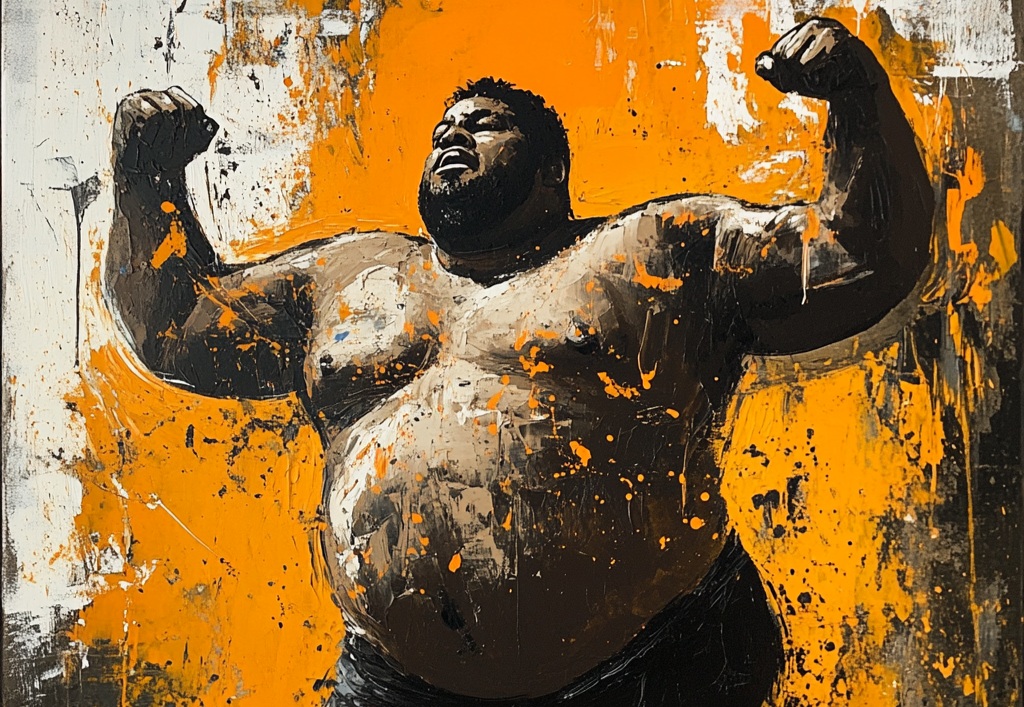
    Every summer, the pressure ramps up. Social media, ads, and fitness culture start pushing the same outdated message: get a “beach body” or stay covered. But for plus size men, it’s time to shift that narrative. A beach body isn’t defined by abs or a number on the scale. A beach body is any body — at the beach.

    This post challenges toxic standards and offers a fresh perspective on body confidence, specifically geared toward plus size men navigating the summer season.


    Why Summer Can Feel Especially Challenging

    Warmer weather usually means fewer layers, more social events, and pool or beach invites. For many plus size men, this can trigger self-consciousness or anxiety around body image. The pressure to hide, cover up, or skip events altogether is real — but it doesn’t have to be the norm.


    Related: Confidence in the Sun: How to Show Up Fully This Summer (Shirts Optional)


    Redefining Summer Confidence

    Confidence isn’t about looking a certain way — it’s about feeling secure in your own skin. Here are practical mindset shifts to build real confidence this season:

    1. Focus on Comfort, Not Comparison

    Stop comparing yourself to fitness influencers or mainstream ads. Wear what feels good and fits your body comfortably. Confidence begins with comfort.

    2. Own Your Space

    Take up space unapologetically — whether that’s sitting poolside, hitting the beach, or showing up to a BBQ. Everyone belongs, and no one has a monopoly on summer.

    3. Reframe the Mirror Talk

    Instead of criticizing perceived flaws, appreciate what your body does. Strength, resilience, movement — those are things worth celebrating.


    Related: Affirmations That Actually Work for Plus-Size Men on a Fitness Journey


    4. Choose People Who Lift You Up

    Surround yourself with friends or community members who celebrate all body types and understand what true confidence looks like. Energy matters.

    5. Dress for Empowerment

    Moisture-wicking shirts, comfortable shorts, and tailored swimwear designed for big and tall bodies can make a huge difference. When clothes fit well, confidence comes naturally.


    Building a Summer Routine That Supports Confidence

    Confidence also comes from consistency. Here’s how to build a summer rhythm that supports both physical and mental well-being:

    • Move in ways you enjoy – walking, swimming, lifting, or yoga.
    • Stay hydrated – feeling good often starts with basic wellness.
    • Practice mindfulness – daily affirmations, journaling, or unplugging from toxic content.

    Confidence Doesn’t Wait on a Six-Pack

    There’s no deadline for feeling good. Confidence is a mindset, not a body type. This summer, let go of unrealistic expectations and show up as you are — not just at the beach, but in every area of life.

  • Why Flexibility and Mobility Matter More Than You Think for Plus-Size Men

    Why Flexibility and Mobility Matter More Than You Think for Plus-Size Men

    When it comes to fitness goals, most people focus on lifting heavier weights, running faster, or dropping pounds. But for plus-size men, there’s a game-changing piece of the puzzle that often gets overlooked: flexibility and mobility.

    Building strength is important—but maintaining ease of movement, joint health, and injury prevention is just as crucial. Whether the goal is to perform better in workouts or simply feel better day-to-day, improving mobility can have a massive impact.


    What’s the Difference Between Flexibility and Mobility?

    Understanding the distinction can help tailor the right exercises for better results:

    • Flexibility is the ability of muscles to lengthen.
    • Mobility is how well a joint moves through its full range of motion.

    For example, being able to touch the toes involves flexibility in the hamstrings, while being able to squat low without pain requires good ankle, knee, and hip mobility.


    Related: How to Train With Joint Pain and Mobility Issues


    Why Flexibility and Mobility Matter for Bigger Bodies

    Plus-size men may experience increased pressure on joints and a higher risk of muscular imbalances due to carrying more weight. Incorporating flexibility and mobility training can:

    • Reduce joint pain, especially in the knees, hips, and lower back
    • Improve posture, which helps during strength training
    • Increase range of motion, allowing for better exercise form
    • Prevent injuries, by preparing the body for physical activity
    • Boost everyday performance, from walking to tying shoes comfortably

    National Institute on Aging: Three Types of Exercise Can Improve Your Health and Physical Ability


    5 Simple Flexibility and Mobility Moves to Start With

    These exercises are beginner-friendly and can be done at home or at the gym. Focus on slow, controlled movement and deep breathing.

    1. Cat-Cow Stretch (Spinal Mobility)

    Start on hands and knees. Arch the back up (like a cat) then slowly dip the belly and lift the chest (like a cow).
    Reps: 10–12
    Tip: Move with the breath to release tension in the spine.

    2. Hip Flexor Stretch (Hip Mobility)

    Kneel with one foot forward and gently push the hips forward while keeping the chest tall.
    Hold: 30 seconds each side
    Tip: Keep the back glute engaged to protect the lower back.

    3. Child’s Pose (Lower Back & Shoulder Flexibility)

    From hands and knees, sit the hips back toward the heels and stretch the arms forward.
    Hold: 30–60 seconds
    Tip: Use a cushion under the chest if needed for comfort.

    4. Standing Hamstring Stretch

    Place one heel on a low step, straighten the leg, and gently hinge forward from the hips.
    Hold: 20–30 seconds each leg
    Tip: Keep the spine long and avoid rounding the back.

    5. Ankle Circles (Ankle Mobility)

    Lift one foot slightly off the ground and slowly rotate the ankle in big circles.
    Reps: 10 each direction, each foot
    Tip: Do this seated or standing with support for balance.


    Related: Knee-Friendly Leg Day: Exercises That Spare the Joints but Build Mass


    How Often to Do Flexibility and Mobility Work

    For best results, aim for at least 10 minutes a day, or incorporate mobility work into warm-ups and cool-downs during workouts. The key is consistency—not intensity.


    Supportive Tools for Mobility Training

    Consider adding the following to your routine:

    • Foam rollers for myofascial release
    • Resistance bands for assisted stretches
    • Yoga blocks or bolsters for support
    • Comfortable workout clothing that allows free movement

    Move Better, Feel Better

    Improved flexibility and mobility don’t just help during workouts—they make everyday life easier. For plus-size men, a consistent mobility routine is one of the most powerful ways to build a stronger, pain-free body and create long-term progress.

  • Why It’s Never Too Late to Start Your Fitness Journey

    Why It’s Never Too Late to Start Your Fitness Journey

    Breaking the Myth of “Too Late”

    One of the biggest myths in the fitness world is that there’s an expiration date for getting started. For many, the fear of being “too old,” “too out of shape,” or “too behind” prevents meaningful progress. The truth is simple: it’s never too late to take that first step—no matter the age, weight, or experience level.

    Whether restarting after a break or beginning for the first time, this guide is designed to help plus-size men feel empowered, supported, and ready to take control of their fitness journey.


    Why Age or Size Shouldn’t Hold You Back

    Fitness isn’t reserved for the young or already fit. In fact, starting later in life often brings stronger focus, discipline, and motivation. Here’s why now is still the perfect time:

    • Improved Health at Any Age: Regular movement improves cardiovascular health, joint function, energy levels, and mental clarity—regardless of when you start.
    • Mental Health Benefits: Fitness routines reduce anxiety, build confidence, and release endorphins that improve mood and resilience.
    • Body Respect Over Perfection: Embracing fitness is about respecting the body—not conforming to unrealistic standards. Progress comes in many forms.

    Related: Embracing the Mirror: Body Positivity for Plus-Size Men


    Common Barriers (and How to Overcome Them)

    1. “I’m Too Old”
      → Start with low-impact workouts like walking, swimming, or resistance bands. Focus on longevity and mobility.
    2. “I Don’t Know Where to Begin”
      → Begin with basic, bodyweight movements. Focus on consistency, not intensity.
    3. “The Gym Intimidates Me”
      → Consider home workouts, online communities, or off-peak gym hours. The key is finding a space that feels safe.
    4. “I’ve Tried Before and Failed”
      → Reframe failure as feedback. This time, approach fitness with sustainability and mental health in mind.

    Related: Overcoming Gym Anxiety: How to Build Confidence in Any Fitness Space


    Small Steps That Make a Big Impact

    • Daily Walks: Just 15–20 minutes a day boosts cardiovascular health and creates momentum.
    • Stretching and Mobility: Gentle movements enhance flexibility and ease joint pain.
    • Nutrition Awareness: No need to overhaul overnight. Start with hydration and mindful eating.
    • Positive Mindset: Celebrate small wins. Progress is progress, no matter the pace.

    Related: The Power of Small Wins: Why Micro Goals Lead to Major Changes


    Realistic Expectations Lead to Long-Term Success

    Forget crash diets or intense 6-week boot camps. Sustainable change comes from:

    • Setting Short-Term, Achievable Goals
    • Tracking Progress Beyond the Scale (like energy or endurance)
    • Prioritizing Consistency Over Perfection

    CDC: Benefits of Physical Activity


    Every Day Is a New Chance to Begin

    There’s no perfect starting point—only the decision to begin. Fitness is not a race, and progress isn’t reserved for a specific age or body type. The journey starts with one step, one rep, one better choice. The Titan Life is about showing up for yourself, at any stage.

  • Morning Routines That Boost Confidence for Plus Size Men

    Morning Routines That Boost Confidence for Plus Size Men

    Why Morning Routines Matter for Confidence

    A strong morning routine sets the tone for the entire day. For plus size men, establishing empowering rituals can not only improve physical and mental health—but also enhance self-image and daily performance. Confidence doesn’t just appear; it is built through repeated actions that reinforce discipline, clarity, and momentum.


    Related: Building Unshakable Confidence in the Gym as a Bigger Guy


    1. Start With Hydration and a Cold Splash

    Waking up dehydrated can lead to sluggishness and low energy. Begin the day with 16–20 ounces of water to jumpstart the metabolism and flush out overnight toxins.

    Follow it with a cold water face rinse or quick cold shower. Cold exposure has been shown to reduce inflammation and elevate alertness—two things that immediately impact self-confidence.


    2. Affirmations and Visualization

    Confidence is built from belief—and belief is strengthened through intentional thought. Use 3–5 minutes each morning to repeat strong, specific affirmations tailored to self-worth, strength, and purpose. Visualize completing a workout, walking into a room with confidence, or achieving a long-term goal.

    Example Affirmations:

    • “Strength is earned every day.”
    • “Every action today brings me closer to my vision.”
    • “I am built for progress and power.”

    3. Gentle Movement to Wake Up the Body

    Mobility work or light stretching can reduce stiffness and promote circulation, especially important for plus size men working to stay joint-conscious. Include 5–10 minutes of dynamic movement like shoulder rolls, hip openers, ankle circles, and cat-cow stretches.

    This movement primes the body for the day and reinforces the connection between physical health and mindset.


    4. Fuel With a High-Protein Breakfast

    Skipping breakfast can lead to energy crashes and cravings. A high-protein meal stabilizes blood sugar and supports muscle recovery—two essentials for plus size men focusing on fitness and long-term transformation.

    Sample Options:

    • Eggs with avocado and turkey bacon
    • Protein smoothie with Greek yogurt and berries
    • Oats with protein powder and almond butter

    5. One Intentional Win Before the Day Begins

    Confidence grows through action. Before diving into work or the gym, accomplish one small but meaningful task—something that aligns with bigger goals. This could be reviewing a workout plan, prepping a healthy meal, journaling for 5 minutes, or making a to-do list.

    That early “win” builds momentum and reinforces self-trust.


    How This Routine Helps Plus Size Men Thrive

    Confidence is rooted in structure, energy, and purpose. By committing to a simple morning routine that supports both body and mind, plus size men build resilience, self-respect, and a sense of control over the day ahead.


    Related: How to Develop a Champion Mindset for Long-Term Success


    Control the Morning, Own the Day

    A solid morning routine isn’t about perfection—it’s about progress. With consistency, each step becomes a confidence anchor, turning the morning into a daily launchpad for personal power.

  • Overcoming Setbacks: How to Stay Motivated After a Fitness Injury

    Overcoming Setbacks: How to Stay Motivated After a Fitness Injury

    Injuries can feel like a major setback when pursuing fitness goals. Whether it’s a sprained ankle, a pulled muscle, or a more significant injury, getting back on track can be mentally and physically challenging. However, it’s crucial to remember that recovery is part of the journey.

    With the right mindset, tools, and strategies, it’s possible to stay motivated and return to your fitness routine stronger than ever. This guide explores how to overcome setbacks after a fitness injury and how to stay motivated throughout the healing process.


    Why Injuries Don’t Have to Derail Your Fitness Journey

    Fitness injuries, while frustrating, are a common part of training. However, it’s essential to shift the perspective from seeing an injury as a failure to recognizing it as an opportunity for recovery, growth, and a fresh approach to fitness. The key is not to focus on the injury itself, but on how recovery can be a catalyst for long-term success.


    Step 1: Acknowledge Your Feelings

    It’s completely normal to feel frustrated, disappointed, or even discouraged when an injury keeps you from your usual workout routine. Acknowledging these emotions rather than suppressing them is an important first step.

    It’s okay to grieve the temporary loss of progress, but keep in mind that this doesn’t define your long-term fitness journey.


    Related: How to Develop a Champion Mindset for Long-Term Success


    Step 2: Focus on Recovery, Not Just the Injury

    During your recovery, it’s important to avoid obsessing over what you can’t do. Instead, focus on what you can do. Working with a healthcare professional or a physical therapist can help you design a rehabilitation plan that targets your injury while maintaining strength and flexibility in other areas of your body.

    Even if you can’t perform your usual high-intensity exercises, there are often alternative workouts you can do to maintain muscle mass, flexibility, and cardiovascular health.


    Step 3: Set Realistic Short-Term Goals

    While it’s tempting to rush back into your regular routine as soon as you start feeling better, it’s essential to set small, realistic goals during your recovery. Gradual progression helps to prevent re-injury and allows for proper healing.

    Instead of focusing on lifting the same amount of weight or running the same distance, set goals that celebrate milestones in your recovery—whether that’s increasing mobility, range of motion, or even hitting a certain number of pain-free days.


    Step 4: Maintain a Positive Mindset

    The power of a positive mindset cannot be overstated when recovering from an injury. Focus on progress rather than perfection. Celebrate each day that you’re able to do something that moves you forward, no matter how small the achievement may seem.

    Stay patient and remind yourself that healing takes time, but the effort you put in will pay off in the long run.


    Step 5: Adapt Your Fitness Routine

    If you’re cleared for activity, consider adapting your fitness routine to avoid further strain on your injury. There are plenty of low-impact exercises that can help maintain cardiovascular fitness, such as swimming, cycling, or yoga. Strength training alternatives like bodyweight exercises or resistance bands can also offer a way to stay active without putting too much stress on the injured area.

    Consulting with a fitness coach or physical therapist to modify your workout routine is a great way to keep moving forward while prioritizing your recovery.


    Step 6: Get Support and Stay Accountable

    When you’re recovering from an injury, staying accountable to your fitness journey can be difficult. That’s where the support of others comes in.

    Whether it’s a workout buddy, a coach, or an online community, surrounding yourself with people who understand your goals can help you stay motivated. They can offer encouragement, provide tips for adapting workouts, and share their own stories of overcoming setbacks.


    Step 7: Remember, It’s a Marathon, Not a Sprint

    Rehabilitation and recovery are not quick fixes. Getting back to full strength takes time. Focus on the long-term picture and trust that with consistent effort and patience, you’ll return stronger than before.

    Celebrate the small wins and know that each day brings you one step closer to your ultimate goal.


    Related: From Day One to One Year: Progress, Not Perfection


    Embrace the Journey Back to Fitness

    Injury setbacks don’t have to mean the end of your fitness journey. With the right mindset, small adjustments, and realistic goals, it’s possible to stay motivated and return to your full potential. Focus on healing, and keep moving forward, no matter how small the steps may be.

    Your dedication to recovery will ultimately lead to stronger, more sustainable fitness habits for the future.

  • 7 Ways to Find Your Tribe: Building a Strong Fitness Community for Bigger Guys

    7 Ways to Find Your Tribe: Building a Strong Fitness Community for Bigger Guys

    Why a Fitness Community is Essential for Your Success

    Finding a supportive community is essential for any fitness journey, especially for bigger guys who may face unique challenges when starting or sticking with a workout routine. Having a tribe that understands your goals and encourages your growth can make all the difference in staying motivated and consistent. In this blog post, we’ll explore seven powerful ways to build a fitness community tailored to your needs and help you stay on track.


    Related: The Power of Accountability: How to Build a Supportive Fitness Community


    1. Join Online Fitness Communities for Plus-Size Men

    The internet is full of online communities where plus-size men can connect with like-minded individuals, share progress, and find support. Platforms like Reddit and Facebook host groups specifically for plus-size fitness enthusiasts. Simply search for terms like “plus-size fitness” or “big and tall workouts” to find a space where you feel comfortable sharing your fitness journey.

    2. Follow Influencers Who Relate to Your Journey

    Influencers can provide incredible motivation and advice. Following influencers who focus on fitness for bigger guys gives you access to tips, workout ideas, and inspiration. They can also offer relatable stories and even personal fitness challenges. Some great influencers to check out include Nick Pulos, a bodybuilder who is also a plus-size advocate, and Aaron Hall, who shares empowering fitness content for larger bodies.

    3. Join Fitness Classes Tailored for Plus-Size Individuals

    Some gyms or fitness studios offer classes specifically designed for bigger bodies. Look for low-impact cardio, strength training, and yoga classes that accommodate individuals of all sizes. You can also find local meetups or workout events catered to the plus-size community. Participating in these classes allows you to work alongside others who understand your needs, ensuring you feel supported during every workout.

    4. Attend Fitness Challenges or Group Workouts

    Fitness challenges and group workouts are a fun way to bring people together. Events like “Big Guys Bootcamps” or fitness charity events encourage friendly competition and camaraderie. Sign up for an event that welcomes all body types and fitness levels, where you can meet others who share your desire to get stronger and healthier.

    5. Create a Workout Group with Friends and Family

    One of the most effective ways to build a fitness community is to start small. Invite friends, family, or coworkers to join you in your fitness journey. Creating a workout group with those who already understand and support you can provide the motivation and encouragement needed to stay consistent. Plus, exercising with loved ones can be fun, making the whole experience more enjoyable.

    6. Engage in Social Media Fitness Communities

    Social media is another great tool to find your fitness tribe. Instagram, for example, has a wide range of #PlusSizeFitness hashtags that connect people all over the world. By interacting with posts and sharing your own journey, you can connect with others who inspire and motivate you. Don’t forget to engage in discussions, post your achievements, and follow other plus-size fitness accounts for ongoing inspiration.


    Related: The Best Plus-Size Workout Clothes for Comfort & Performance


    7. Find Support through Fitness Apps

    Fitness apps like MyFitnessPal, Fitbit, and Strava offer tracking and community features that allow you to connect with other users working toward similar goals. These apps often have social elements, enabling you to join groups, participate in fitness challenges, and cheer on others as you track your progress. The app community can be an additional layer of motivation and accountability as you work toward your fitness goals.

    Build Your Community Now

    Building a fitness community can be an exciting and rewarding part of your fitness journey. The support you receive from others can fuel your motivation and drive. Don’t wait to find your tribe—start reaching out to those who understand and share your goals today!

  • How to Improve Recovery and Reduce Soreness After Workouts

    How to Improve Recovery and Reduce Soreness After Workouts

    Why Recovery Matters for Bigger Bodies

    Training hard is essential, but recovery is just as important—especially for bigger bodies that may experience greater strain on joints and muscles. Proper recovery helps reduce soreness, prevent injuries, and improve long-term performance.

    The Science Behind Post-Workout Soreness

    Delayed Onset Muscle Soreness (DOMS) is common after intense workouts, especially when trying new exercises. This occurs due to microscopic muscle tears, which lead to inflammation and discomfort. While DOMS is a sign of muscle adaptation, prolonged soreness can hinder progress if not managed correctly.

    Best Recovery Strategies for Faster Muscle Repair

    1. Prioritize Post-Workout Nutrition

    Your body needs fuel to rebuild muscles and restore energy levels. Aim to eat within 30–60 minutes after your workout with:

    • Lean Protein (chicken, fish, eggs, or plant-based options) for muscle repair
    • Complex Carbs (brown rice, quinoa, oats) to replenish glycogen
    • Healthy Fats (avocados, nuts, olive oil) for overall recovery

    Related: The Ultimate Guide to Strength Training for Bigger Bodies


    2. Hydration: The Recovery Game-Changer

    Dehydration can worsen soreness and slow muscle repair. To stay hydrated:

    • Drink at least half your body weight in ounces of water daily.
    • Add electrolytes if sweating heavily.
    • Limit caffeinated and sugary drinks that can dehydrate you.

    3. Stretching and Mobility Work

    Incorporating stretching and mobility drills post-workout can reduce stiffness and improve flexibility. Try:

    • Dynamic stretching before workouts to warm up muscles.
    • Static stretching after workouts to prevent tightness.
    • Foam rolling to release muscle knots and improve circulation.

    Related: How to Train With Joint Pain and Mobility Issues


    4. Optimize Your Sleep for Muscle Recovery

    Muscle repair happens during deep sleep, making rest a non-negotiable part of your recovery plan. Improve sleep quality by:

    • Getting 7–9 hours of rest per night.
    • Maintaining a consistent sleep schedule.
    • Reducing screen time at least 30 minutes before bed.

    5. Use Active Recovery Days

    Skipping workouts completely can make soreness worse. Instead, opt for active recovery methods, such as:

    • Walking or light cycling to increase circulation.
    • Yoga or mobility drills to loosen tight muscles.
    • Swimming for a low-impact, full-body recovery session.

    6. The Role of Compression Gear and Massage

    Compression sleeves and massage tools can enhance recovery by improving circulation and reducing inflammation. Consider:

    • Compression leggings or sleeves for better blood flow.
    • Massage guns or foam rollers to relieve muscle knots.
    • Epsom salt baths to relax sore muscles.

    National Academy of Sports Medicine: Exploring the Science of Recovery


    Take Recovery as Seriously as Training

    Strength isn’t just about lifting heavier—it’s also about giving your body the tools it needs to recover. By prioritizing nutrition, hydration, mobility, sleep, and active recovery, you’ll improve performance, reduce soreness, and stay consistent in your fitness journey.

  • How to Train With Joint Pain and Mobility Issues

    How to Train With Joint Pain and Mobility Issues

    Post Updated on 04/06/2025:This post was updated to include in-depth instructions for performing joint-friendly exercises safely. Whether you’re new to fitness, managing arthritis, or recovering from injury, this guide now includes step-by-step tips to help you train smarter, stay active, and feel more confident in every movement.

    Understanding Joint Pain and Mobility Challenges

    Joint pain and mobility limitations can make exercise feel daunting, but they don’t have to stop your fitness journey. Whether you’re dealing with arthritis, old injuries, or general stiffness, modifying your training approach can help you stay active while avoiding further strain.

    By focusing on safe, low-impact movements and tuning into your body’s feedback, you can reduce pain, build strength, and improve mobility over time.


    Related: How to Maximize Your Workout Efficiency: Tips for Faster Results


    The Best Low-Impact Workouts for Joint Health

    Instead of high-impact exercises that stress your joints, opt for low-impact alternatives that still build strength and endurance. These exercises are easy on the joints and can be adjusted to your fitness level.

    1. Swimming & Water Aerobics

    The water’s buoyancy reduces strain while increasing resistance, making movement smoother and safer.

    How to do it safely:

    • Start with slow laps using a kickboard to support the upper body.
    • Join a beginner-friendly water aerobics class for guided movements.
    • Wear aqua shoes for added grip and support.

    Pro tip: Keep sessions short at first—15–20 minutes—and gradually build endurance.


    2. Cycling (Stationary or Outdoor)

    Cycling strengthens your legs and improves cardio without pounding your joints.

    How to do it safely:

    • Adjust the seat height so your knee is slightly bent at the bottom of the pedal stroke.
    • Start with low resistance and short sessions (10–15 minutes).
    • Keep a light grip on handlebars and maintain a steady pace.

    Caution: Avoid standing while pedaling if you have knee or hip sensitivity.


    Arthritis.org: Biking is Great for Your Joints


    3. Rowing Machines

    Rowing provides a full-body workout that targets legs, back, and arms with low impact.

    How to do it safely:

    • Keep your back straight and hinge from the hips, not the lower back.
    • Drive with your legs first, then pull the handle toward your lower ribs.
    • Maintain smooth, controlled strokes.

    Start slow—aim for 5-minute intervals with breaks in between until your body adjusts.


    4. Resistance Bands or Machine-Based Strength Training

    These options allow you to strengthen muscles without the instability of free weights.

    How to do it safely:

    • Choose bands with light to moderate resistance to start.
    • Perform controlled movements—no jerking or snapping.
    • Use machines with adjustable settings to guide your motion safely.

    Titan Tip: Great beginner moves included seated leg press, lat pulldown, and chest press.


    Strengthening Supporting Muscles for Joint Protection

    Building strong muscles around your joints gives them the support they need to function pain-free.

    Glutes & Hamstrings (For Knee Support)

    Try glute bridges:

    • Lie on your back, knees bent, feet flat.
    • Squeeze your glutes and lift your hips slowly.
    • Hold for 3 seconds, then lower with control.

    Repeat 10–12 times. Use a mat for comfort.


    Core & Lower Back (For Spinal Support)

    Try bird-dog:

    • Start on all fours, knees under hips, hands under shoulders.
    • Extend opposite arm and leg while keeping your core tight.
    • Hold for 3 seconds, return to start, switch sides.

    Titan Tip: Keep your spine neutral and avoid arching the back.


    Shoulders & Upper Back (For Posture & Balance)

    Try banded rows:

    • Attach a resistance band to a sturdy surface.
    • Sit or stand, holding both ends of the band.
    • Pull elbows straight back, squeezing shoulder blades together.

    Start with 2 sets of 10 reps. Move slowly to avoid jerky motion.


    Joint-Friendly Mobility Drills to Loosen Up and Prevent Pain

    Mobility work keeps your joints moving smoothly and reduces stiffness.

    Dynamic Stretching (Pre-Workout)

    Warm your joints up with gentle movements:

    • Leg swings: Stand near a wall for support, swing each leg forward and back.
    • Arm circles: Start small and gradually increase the circle.
    • Torso twists: Keep your hips stable, rotate your upper body left and right.

    Spend 5–7 minutes moving through these before workouts.


    Related: The Best Plus-Size Workout Clothes for Comfort & Performance


    Foam Rolling

    Foam rolling relieves tension in muscles and fascia.

    How to do it:

    • Use a soft or medium-density foam roller.
    • Gently roll over tight areas (quads, hamstrings, upper back).
    • Spend about 30–60 seconds per muscle group.

    Avoid rolling directly on joints or bones.


    Yoga or Tai Chi

    These practices promote controlled movement, breathwork, and balance.

    Beginner-friendly moves:

    • Child’s Pose: Gently stretches hips and lower back.
    • Cat-Cow Stretch: Warms up the spine and promotes flexibility.
    • Tai Chi “Wave Hands Like Clouds” move: Involves gentle, circular arm motions while shifting weight.

    Titan Tip:Try a 15-minute beginner routine on YouTube or via an arthritis-friendly app.


    When to Modify or Scale Back

    Pain is a message—not a challenge. Adjust your training if you notice:

    • Sharp or stabbing joint pain
    • Swelling that lasts into the next day
    • Unusual fatigue or weakness

    How to modify:

    • Shorten your workout
    • Decrease resistance or range of motion
    • Choose a seated or supported version of the exercise

    You’re not losing progress—you’re protecting your progress.


    Managing Arthritis While Staying Active

    Staying active with arthritis is one of the best things you can do to reduce inflammation, stiffness, and pain—but it has to be done intentionally.

    Best practices:

    • Prioritize joint-friendly strength work
    • Use heat before workouts (warm packs) and ice after if needed
    • Choose time of day when stiffness is lowest (often late morning)
    • Track flare-ups and rest when necessary

    Titan Tip: You may need to pause or adjust on tough days. That’s okay. It’s all part of the long game.


    Keep Moving, Stay Strong

    Training around joint pain isn’t just possible—it’s powerful. The key is to stay patient, stay consistent, and stay curious about what your body needs on any given day.

    You don’t have to chase perfection. Focus on building a routine that supports your body, fuels your energy, and keeps you coming back.

    Whether you stretch for 10 minutes or walk around the block, it counts. Keep showing up.

  • How to Build a Supportive Fitness Community as a Plus-Size Man

    How to Build a Supportive Fitness Community as a Plus-Size Man

    Why Community Matters in Your Fitness Journey

    Finding a supportive fitness community is crucial for motivation, consistency, and overall well-being. As a plus-size man, it can sometimes feel isolating to step into traditional fitness spaces, but surrounding yourself with the right people—both in-person and online—can make a huge difference in your progress and mindset.

    1. Join Local Fitness Groups & Classes

    One of the best ways to build a fitness community is by engaging with others in real-world settings. Consider these options:

    • Look for inclusive gyms: Some gyms actively promote body-positive fitness environments. Research gyms that offer beginner-friendly classes and diverse trainers.
    • Join group workout sessions: Boot camps, yoga classes, and strength training groups often have members at all fitness levels.
    • Find local meetups: Search platforms like Meetup or Facebook Events for fitness groups tailored to beginners or plus-size individuals.

    Related : Breaking the Stigma – Why Every Body is a Fit Body


    2. Finding Online Fitness Communities

    The internet provides a powerful way to connect with others who share similar goals. Here’s how you can find supportive fitness groups on different platforms:

    • Facebook Groups: Search for terms like “plus-size fitness support” or “body-positive workout community.” Look for active groups with engaged members.
    • Reddit Communities: Subreddits like r/bodypositivity and r/fitnessforbiggerpeople can be great spaces for advice and motivation.
    • Discord Servers: Some fitness influencers or brands host Discord communities for fitness discussions. Try searching fitness-related Discord directories.

    These online spaces can provide encouragement, workout tips, and accountability without the pressure of in-person gym settings.

    3. Partner Up: Find a Workout Buddy

    Having a workout partner helps with motivation and accountability. Consider:

    • Asking a friend to join you in your fitness journey.
    • Finding a gym partner through local fitness groups or online forums.
    • Using fitness apps that match you with workout partners based on location and goals.

    4. Follow Plus-Size Fitness Influencers for Motivation

    Following influencers who share similar experiences can provide inspiration, practical workout tips, and a sense of belonging. Here’s how they can help:

    • Guidance on workouts and techniques: Many influencers post instructional videos tailored to plus-size fitness.
    • Daily motivation: Seeing someone with a similar body type thrive in fitness can be empowering.
    • Community interaction: Engaging with their content and followers can help you build a network of like-minded individuals.

    To find these influencers:

    • Search fitness-related hashtags on Instagram (e.g., #PlusSizeFitness, #BigAndStrong, #BodyPositiveFitness).
    • Check out YouTube channels focused on plus-size strength training and endurance workouts.
    • Look for TikTok creators who share their fitness journeys with transparency and encouragement.

    Building a Supportive Fitness Network

    Surrounding yourself with a positive fitness community—whether in-person or online—will keep you motivated and focused on your goals. Whether you’re joining a local gym, finding online groups, or following plus-size fitness influencers, having a strong support system will help you stay consistent and confident in your journey.


    Related: The Ultimate Guide to Strength Training for Bigger Bodies


  • Breaking the Stigma – Why Every Body is a Fit Body

    Breaking the Stigma – Why Every Body is a Fit Body

    The world of fitness has often been dictated by one dominant narrative: the idea that only certain body types are deemed “fit.” This stigma, perpetuated by media, advertisements, and gym culture, can make plus-size men feel alienated or excluded from fitness spaces. However, every body is a fit body. Fitness isn’t about looking a certain way—it’s about feeling strong, healthy, and capable in your own skin. In this blog post, we’ll explore why every body can be a fit body and how breaking the stigma surrounding fitness can empower you to embark on your health journey without barriers.


    Understanding the Stigma Around Fitness and Body Types

    Fitness has often been associated with lean, toned bodies, with fitness magazines and gym advertisements reinforcing the idea that being fit means having a specific body type. This narrative has led many people—especially plus-size men—to feel that fitness isn’t for them.

    But the truth is that fitness is for everyone, no matter your size or shape. Fitness isn’t about conforming to a certain ideal; it’s about improving your own strength, endurance, and overall health. The first step to overcoming the stigma is recognizing that your fitness journey is unique, and it doesn’t need to fit anyone else’s mold.


    Read More: Why Strength Training is Perfect for Plus-Size Men


    Why Every Body is a Fit Body

    Fitness is a personal experience. It’s not about how you look, but about what you can do. Strength, mobility, and endurance are the pillars of fitness—and they can be built at any size. Let’s explore why every body can be a fit body.

    1. Strength Comes in All Sizes

    Strength isn’t reserved for the thin or the muscular. Whether you’re lifting weights, doing bodyweight exercises, or engaging in yoga, strength is relative—it’s about what your body can handle. Plus-size men often face the misconception that they aren’t strong enough for weightlifting or intense physical activity. However, strength training is incredibly beneficial and can be done by anyone, regardless of body size. The key is to start with exercises and weights that challenge you without pushing you too far.


    Today: A 4-Week Walking and Full-Body Strength Workout for Beginners


    2. Fitness is About Health, Not Aesthetics

    One of the biggest myths surrounding fitness is that it’s all about aesthetics—looking a certain way. In reality, fitness is a pathway to better health. Physical activity offers numerous health benefits, including improved heart health, reduced stress, better sleep, and a boost in mental well-being.

    For plus-size men, the health benefits of exercise are invaluable, especially in reducing the risks associated with conditions like diabetes, heart disease, and hypertension.


    Mayo Clinic: Exercise: 7 Benefits of Regular Physical Activity


    Also, don’t forget to check out our blog on the best workout clothes for comfort and performance—finding the right gear is essential to help you feel confident and comfortable while breaking the stigma: The Best Plus-Size Workout Clothes for Comfort & Performance

    3. Mobility and Flexibility Matter

    Being able to move freely, bend, stretch, and perform daily tasks is a crucial aspect of fitness. Mobility and flexibility are often overlooked, but they’re vital for maintaining independence as we age and for preventing injuries.

    Many plus-size men feel intimidated by high-impact exercises or stretching routines, but these movements are essential for improving overall quality of life. Yoga, for example, is a fantastic way to build flexibility and mobility—without needing to fit a specific body type.


    Yale Medicine: 5 Mobility Exercises to Prevent Running Injuries


    Breaking Free From the Pressure to Conform

    For many plus-size men, stepping into a gym or trying a new fitness routine can feel intimidating. Society often places a lot of pressure on people to look a certain way in order to be “fit,” but this is a harmful and unrealistic expectation. The key to overcoming this stigma is recognizing that fitness is not about conforming to someone else’s standard—it’s about personal progress and well-being.

    There’s no need to compare yourself to others. Start focusing on your own journey, your goals, and your health. Whether you’re lifting weights, running, or practicing yoga, the only person you need to compete with is yourself. Everyone’s fitness path looks different, and that’s okay. It’s time to shift the narrative and embrace that fitness is for every body.


    How to Embrace Fitness as a Plus-Size Man

    If you’re a plus-size man just starting your fitness journey, here are a few tips to help you build confidence and break through the stigma:

    1. Set Personal Goals – Focus on improving your own strength, endurance, and overall well-being. Set realistic, achievable goals that match your current fitness level.
    2. Choose Workouts You Enjoy – There’s no “one-size-fits-all” fitness routine. Try different activities, like swimming, cycling, or strength training, and find what you enjoy most.
    3. Focus on Consistency – Fitness is about consistency, not perfection. It’s okay to start slow, and it’s okay if progress feels slow. The most important thing is showing up for yourself.
    4. Build a Supportive Community – Surround yourself with people who motivate and support you. Whether online or in-person, a positive environment can make a huge difference in your journey.

    Embrace the Journey, No Matter Your Size

    The bottom line is this: fitness isn’t about how you look; it’s about how strong you feel, how healthy you are, and how confident you become in your own body. Breaking the stigma around body types in fitness is essential for creating a world where everyone can feel welcome to pursue their fitness goals—regardless of size.

    So, embrace your fitness journey today, and remember that every body is a fit body. Start with small steps, stay consistent, and most importantly, celebrate your progress.


    Your Fitness Journey Awaits

    Ready to start your fitness journey without any stigma holding you back? Check out Why Strength Training is Perfect for Plus-Size Men for more tips on strength training, finding the right workout clothes, and staying motivated as a plus-size man. You’ve got this!