When starting a fitness journey, especially as a plus-size man, choosing the right gym equipment can make or break your experience. Comfort, safety, and ease of use are non-negotiables when selecting the best gym equipment brands. Whether you’re building a home gym or just getting familiar with strength training and cardio, finding gear that fits your body and supports your goals is essential.
In this guide, we’ll break down the best gym equipment brands for plus-size beginners, with a focus on functionality, accessibility, and comfort.
Why Choosing the Right Equipment Matters for Plus-Size Men
Not all fitness gear is created equal. For plus-size men, equipment needs to be durable, supportive, and designed with weight capacity and ergonomic design in mind. The best gym equipment brands offer machines and accessories that make working out feel less intimidating and more empowering—especially for beginners who may be easing into new routines.
What to Look for in Gym Equipment for Bigger Bodies
Before diving into specific brands, here’s what you should prioritize:
High weight capacity (at least 300-400 lbs)
Wide seating and stable base design
Easy-to-read digital displays
Low-impact motion options (like recumbent bikes and resistance bands)
Adjustable settings for personalized comfort
Now, let’s look at the brands that check all these boxes.
1. Nautilus – Beginner-Friendly Machines with Bigger Bodies in Mind
Nautilus is known for its reliable, well-constructed gym equipment, especially for cardio and strength training. Their recumbent bikes and elliptical machines are top choices for plus-size beginners. With wide seats, easy step-through access, and smooth resistance options, Nautilus makes it easier to get started—without feeling overwhelmed.
2. Bowflex – Compact Home Gym Gear That Works for All Sizes
Bowflex is one of the best gym equipment brands for plus-size men who want a versatile, space-saving solution at home. The brand offers everything from adjustable dumbbells to all-in-one home gyms. Their designs emphasize smooth motion and adjustable resistance, making it easy for beginners to scale workouts to their fitness level.
3. Sole Fitness – Heavy-Duty Treadmills and Bikes for Heavier Users
Sole Fitness specializes in cardio equipment with high weight capacities and reinforced frames. Their treadmills and bikes are built to last and offer ample room for movement, making them ideal for plus-size users just getting started with walking, cycling, or interval workouts.
4. ProForm – Tech-Friendly and Comfortable for New Gym Goers
ProForm stands out with its interactive iFit technology and affordable pricing. Their elliptical machines and rowers offer solid support for plus-size users, with intuitive controls and generous sizing. This brand is perfect for beginners who want guidance and motivation built right into the equipment.
5. LifeSpan Fitness – Quiet, Supportive Options for Home Workouts
LifeSpan’s home gym solutions are great for those who prefer a low-noise, user-friendly setup. Their treadmills, bikes, and under-desk equipment cater to all body types with generous weight capacities and extra stability. It’s one of the best gym equipment brands for building a safe and accessible home workout zone.
Finding the Best Fit: Start With Comfort, Stay for Progress
Starting your fitness journey doesn’t mean jumping into complex routines or uncomfortable workouts. The right gear can make a world of difference in how you feel about exercise. With these best gym equipment brands for plus-size men, you’ll find beginner-friendly machines designed to support your body, boost your confidence, and help you build sustainable habits.
Why Weightlifting Is a Game-Changer for Plus-Size Men
If you’re a plus-size man and thinking about starting your fitness journey, weightlifting might just be your best move. Forget the myths—weightlifting isn’t just for bodybuilders or gym rats. It’s one of the most empowering and accessible ways to build strength, improve mobility, boost confidence, and burn fat effectively. And yes, it’s 100% for you.
In this guide, we’ll break down weightlifting for beginners, tailored specifically for plus-size men—no intimidation, no fluff, just real strategies to help you lift smart, feel strong, and stay motivated.
1. Start with a Plus-Size Friendly Mindset
Before you touch a dumbbell, understand this: fitness is not about shrinking yourself. It’s about building yourself up—stronger joints, a healthier heart, better sleep, and increased confidence. Weightlifting is your tool, not your punishment.
❌ Myth 1: “I need to lose weight before lifting.” ✅ Truth: Lifting helps with fat loss and body composition.
❌ Myth 2: “I’ll get bulky.” ✅ Truth: Strength training will help you tone and tighten, not balloon up overnight.
6. Stay Motivated: Fitness Is a Lifestyle, Not a Phase
Progress might be slow at first—and that’s okay. Celebrate small wins: completing a workout, lifting more than last week, feeling less winded. These moments matter.
Create a routine that supports sustainable results. Pair your workouts with healthy meals, quality sleep, and regular check-ins with yourself.
Your Fitness Journey Starts Here—And It Starts Strong
Starting a weightlifting routine as a plus-size beginner is a powerful act of self-care. You’re not just transforming your body—you’re reclaiming your strength, your energy, and your confidence.
So grab those weights, start where you are, and build your strength—rep by rep.
Updated May 7, 2025:Since its initial release, Fitocracy has seen several changes, and the fitness app landscape has evolved significantly. In this updated version of our review, we dive into what’s new with Fitocracy in 2025, including the app’s current features, its shift away from community engagement, and the rise of more inclusive fitness platforms. We also explore the growing demand for apps that cater to people of all body types and fitness levels, offering alternatives to Fitocracy that may better align with your goals for real progress, not pressure. Whether you’re looking for motivation through gamification or seeking a more supportive and body-positive environment, this guide will help you decide if Fitocracy is still worth it in 2025 or if there’s a better fit for your fitness journey.
If you’re a bigger guy trying to get healthier in 2025, you’re probably sick of apps and fitness communities that don’t actually get you. They push six-pack dreams, diet culture, and unrealistic expectations. So where does that leave platforms like Fitocracy, the once-popular app that gamified fitness?
Let’s break down whether Fitocracy is still worth your time in 2025—especially if you’re tired of being overlooked and just want real progress.
What Is Fitocracy? A Blast From the Past
Fitocracy launched over a decade ago as a social fitness app that Fitocracy was a pioneer when it launched over a decade ago. It was marketed as a social fitness app designed to gamify your workouts. Picture this: you log your exercise sessions, earn points, level up, and unlock achievements. Sounds fun, right? It was like turning your fitness routine into an RPG, but with dumbbells instead of dragons.
The app became a go-to for fitness enthusiasts who wanted to stay motivated and accountable. Fitocracy combined:
Workout tracking: Log your exercises, sets, and reps to keep tabs on your progress.
Community engagement: Connect with others through forums, challenges, and social encouragement.
Gamification: Get rewarded with points, badges, and levels to keep the motivation high.
At its peak, Fitocracy wasn’t just an app—it was a thriving community. People would cheer each other on, share tips, and celebrate milestones. But, as is the case with many apps, things started to slow down. The user base decreased, updates were few and far between, and many of the forums and social features lost their spark. So, what’s left in 2025?
The Evolution of Fitness Apps: How Fitocracy Fits Into the Bigger Picture
In the last decade, the landscape of fitness apps has evolved significantly. With the rise of health tracking, virtual coaching, and specialized communities, it’s essential to look at how Fitocracy compares to newer platforms. Apps like Peloton, Strava, and Fitbit have taken a more comprehensive approach by integrating live classes, social interaction, and community support. Fitocracy’s legacy—a focus on gamification and community-based progress tracking—pioneered an idea, but it hasn’t kept up with these evolving trends.
What Fitocracy Offers Today (And Where It Falls Short)
Today, Fitocracy still exists. You can still log workouts, join challenges, and message people. But let’s be honest—it feels like a gIn 2025, Fitocracy is still around, but it’s not the vibrant platform it once was. Yes, you can log your workouts, join a few challenges, and message other users, but if you’re looking for a truly engaging experience, it might feel like a bit of a ghost town. The core features haven’t evolved significantly, and many of the original users have moved on.
Pros:
Gamification still works for some: If you enjoy earning points and leveling up, Fitocracy’s gamified structure can still be motivating.
Workout tracking is decent: It still tracks your exercises and can help keep you on top of your workouts.
Niche coaching options: There are still some coaching options available, especially for those who enjoy the self-guided route.
Cons:
Outdated interface: The app feels like it’s stuck in the past, and the user experience doesn’t align with modern fitness apps.host town. The core features haven’t been updated significantly, and many of the original users have moved on.
Community vibe has almost vanished: The forums are nearly empty, and interactions with other users are rare.
Limited body-inclusive language and support: Fitocracy hasn’t evolved much in terms of inclusive language or beginner-friendly advice.
Lack of accountability and coaching: If you need constant support or personalized coaching, Fitocracy is not ideal.
Fitness Gamification: Does It Actually Work?
Gamification is at the heart of Fitocracy’s appeal, but does it really work? Research shows that gamifying fitness can help some people stay motivated, but others find it doesn’t lead to lasting habits. This section can explore the psychological aspect of gamification in fitness apps.
Discuss studies or opinions about how gamification works in health and fitness.
Mention apps that use gamification well and how it’s adapted to fit more modern needs.
Real Talk: Fitocracy vs Alternatives
Here’s how Fitocracy stacks up today against other options:
Feature
Fitocracy
Strong
MyFitnessPal
Community Support
❌ Declined
❌ None
⚠️ Generic
Gamification
✅ Yes
❌
❌
Progress Tracking
⚠️ Basic
✅ Advanced
✅ Decent
Beginner-Friendly
⚠️ Mid
✅
⚠️ Mid
Body-Inclusive
❌ No
❌ No
❌ No
Legend: ✅ = Strong | ⚠️ = Average | ❌ = Lacking
Community Support: While Fitocracy once thrived with social interaction, it now feels abandoned. Apps like MyFitnessPal offer a more active community, though still generic.
Gamification: Fitocracy still offers the gamification aspect, but MyFitnessPal and Strong focus more on straightforward fitness tracking.
Progress Tracking: Fitocracy’s tracking is basic, with MyFitnessPal offering more advanced analytics. Strong provides solid tracking for strength training.
Beginner-Friendly: Fitocracy and Strong cater well to intermediate users, while MyFitnessPal offers more beginner-friendly resources.
How Fitocracy Stacks Up in Terms of Fitness Goals: Weight Loss, Strength, and Overall Health
Everyone has different fitness goals—whether it’s weight loss, building strength, or improving cardiovascular health. In this section, you can go into detail about which types of goals Fitocracy supports and where it falls short.
For example:
Weight Loss: Fitocracy’s focus on tracking workouts is great for calories burned, but it doesn’t offer the advanced nutrition tracking that newer apps provide.
Strength Training: While Fitocracy offers some progress tracking, apps like Strong provide more targeted support for weightlifters, tracking sets, reps, and rest time more effectively.
So, Is Fitocracy Still Worth It?
If you’re a tech-savvy lifter who likes gamification and doesn’t If you’re tech-savvy and enjoy the gamified aspect of fitness, Fitocracy might still work for you. It can be a fun way to track workouts and level up, especially if you don’t need a community or personalized coaching.
But here’s the real question: If you’re looking for something more than just points and badges—something that helps you feel seen, supported, and genuinely progressing—then Fitocracy is probably not the app you need in 2025.
What to Look for in a Fitness App in 2025
If you’re done with the pressure, shame spirals, and one-size-fits-all advice, it’s time to find an app that truly understands you. You deserve a platform that:
Supports bigger bodies: Look for apps that promote body inclusivity and don’t push unrealistic goals.
Offers real accountability: You need support beyond a like or an upvote. Look for apps that offer personalized coaching, progress tracking, and clear steps.
Provides genuine progress: Fitness should be about real, measurable progress—not chasing unrealistic ideals. Find platforms that focus on what truly matters: your growth.
What Are the Best Alternatives to Fitocracy for Bigger Guys?
If you’re not sure if Fitocracy fits your needs in 2025, there are plenty of alternatives that cater to people looking for inclusivity, support, and realistic goals. Here’s a breakdown of some of the best fitness apps for bigger guys:
MyFitnessPal: A comprehensive calorie tracker with community support.
Strong: A great app for weight training, progress tracking, and beginners.
Nike Training Club: Offers a wide range of workouts, including body-positive, beginner-friendly programs.
JEFIT: A well-rounded app for strength training with extensive exercise libraries.
Frequently Asked Questions About Fitocracy and Fitness Apps
Another SEO-boosting section that adds value and relevance is an FAQ. People often search for specific questions, and addressing them directly in your post can help you rank for those queries. Some FAQ suggestions:
Is Fitocracy free? Fitocracy offers a basic version for free, but premium features require a subscription.
Can Fitocracy help me lose weight? Fitocracy can help you track workouts, but it doesn’t offer specialized features for weight loss like some other apps (e.g., nutrition tracking, meal planning).
Are there any body-positive fitness apps? Yes, there are several apps like Nike Training Club and JEFIT that offer inclusive workouts and community support for all body types.
Ready for Something That Actually Moves the Needle?
If you’re done with the shame spirals, the silent forums, and the one-size-fits-all advice, we’ve built something better.
The truth is, your fitness journey deserves a space that respects your body, your mindset, and your pace. Whether that’s with us or somewhere else, don’t settle for being overlooked. You deserve better.
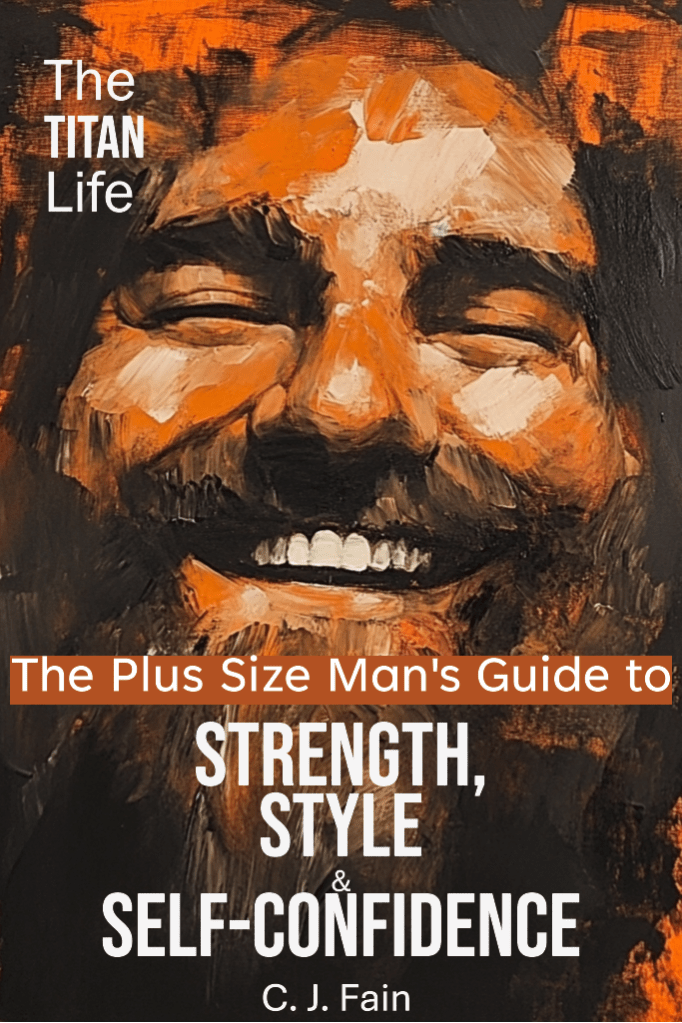
Introducing The Titan Life: The Plus Size Man’s Guide to Strength, Style, & Self-Confidence
We’re proud to announce the launch of The Titan Life, a new eBook created specifically for plus-size men who are ready to reclaim their strength, confidence, and style — without shrinking themselves to fit anyone else’s standards.
This isn’t your typical fitness guide. It’s a mindset shift. A performance plan. A confidence boost. A lifestyle.
Whether you’re just getting started or coming back after a break, this book meets you where you are — and helps you move forward with intention.
What’s Inside the Book
The Titan Life is packed with real, practical guidance for plus-size men who want to build a better relationship with fitness, nutrition, style, and self-respect. Inside, you’ll find:
Fitness routines tailored for bigger bodies
Joint-friendly workout modifications
Nutrition tips without the crash-diet nonsense
Style advice for confidence and comfort
Mental strategies for long-term motivation
A 30-day kickstart plan with printable tools
You’ll also hear from other plus-size men who are redefining what strength looks like — and how community support changes everything.
Get Chapter One for Free
To celebrate the launch, we’re offering Chapter One: “Building a Fitness Routine That Works for You” completely free.
In this chapter, you’ll learn:
Why most fitness plans fail plus-size men
How to start strong with bodyweight, pool, and resistance band workouts
There are endless fitness guides out there — but almost none written by and for men with bigger builds. This book was born from frustration with generic advice and unrealistic standards. It’s about giving men the tools to move, eat, and live in a way that works for them — no shrinking required.
It’s not about perfection. It’s about progress. Not about fitting in. About standing out.
Want the Full Book?
If you love Chapter One, the full eBook is available now. It’s over 9,500 words of no-nonsense support, strategies, and tools — plus worksheets, trackers, and a 30-day plan to help you take action.
Whether you’re showing up at the gym, walking the block, cooking a better meal, or just learning how to feel good in your skin, this guide is here to walk with you.
Resistance bands offer a joint-friendly, low-impact way to build strength and improve mobility. They’re portable, versatile, and scalable — making them perfect for plus-size men looking to get stronger without stressing the joints. Whether you’re new to fitness or getting back into a routine, band-based training helps develop muscle and coordination while reducing injury risk.
1. Banded Squats
What It Targets: Glutes, quads, hamstrings, and core stability How to Do It:
Stand on the middle of the resistance band with feet shoulder-width apart
Hold the handles or ends at shoulder height
Slowly lower into a squat, keeping your chest up and knees tracking outward
Press back up through your heels Reps: 3 sets of 10–12
Fitness Should Be for Every Body—Not Just One Body Type
Walking into a gym as a plus-size man can be intimidating. The loud clanking of weights, mirrors lining the walls, and rows of ultra-fit bodies can make even the most determined person hesitate. But here’s the truth: fitness isn’t exclusive. And you deserve a space where you feel empowered, not judged.
The good news? Inclusive fitness spaces are on the rise. Whether you’re just starting your journey or already on the grind, there are gyms, trainers, and communities built with your needs in mind.
In this post, we’re sharing where to find body-positive, plus-size-friendly fitness spaces that focus on support, strength, and sustainability—not shame.
Before we dive into where to look, let’s define what to look for:
Trainers who understand larger bodies and offer modifications without judgment
Equipment that accommodates all sizes comfortably and safely
Marketing that features diverse bodies, not just thin or shredded physiques
A culture of encouragement, not comparison
Focus on functionality and health, not just aesthetics
1. Local Gyms That Prioritize Inclusivity
Community-Based Fitness Centers
Check out YMCA locations or community rec centers. Many offer beginner-level classes and emphasize health at every size. Ask if they offer adaptive workouts or trainers with experience working with plus-size clients.
Women’s and Co-Ed Body Positive Gyms
While some are women-focused, many co-ed gyms are taking a body-positive approach. Look for phrases like:
“All bodies welcome”
“Size-inclusive training”
“Health at Every Size (HAES) certified”
2. Personal Trainers Who Specialize in Plus-Size Clients
Many personal trainers now specialize in adaptive fitness and body-positive coaching. You can find them by searching:
“Plus-size friendly personal trainer near me” “Body positive fitness coach” “HAES certified trainer + [your city]”
Look for Certifications Like:
NASM or ACE with additional training in adaptive fitness
Sometimes, it’s not about the location—it’s about the people. These online communities create spaces where encouragement and accountability are the norm.
4. What to Ask Before You Commit to a Gym or Trainer
Not sure if a space is right for you? Here are some questions to ask:
“Do you have experience training plus-size clients?”
“Are there modification options for joint support or mobility needs?”
“Is your equipment accessible for all sizes and fitness levels?”
“Can I try a session before committing?”
If they hesitate or dismiss your questions—that’s a red flag. Keep looking. You deserve better.
You Belong in the Gym. Period.
Fitness isn’t a look. It’s a lifestyle. Whether you’re training to walk up stairs without pain, play with your kids, or just feel stronger every day—your goals are valid, and your body is worthy of that effort right now.
Finding a space that sees your potential, not your weight, can be a game-changer. Don’t settle for less.
Breaking the Stereotypes: Fitness Is for Every Body
For too long, the fitness industry has pushed an unrealistic ideal — one that leaves many plus size men feeling left out. But times are changing. More and more men are stepping into the spotlight, owning their space in the gym, and building strong, supportive communities that say: “Fitness is for everyone.”
Whether you’re just starting your wellness journey or looking for fresh motivation, building and joining a like-minded fitness community can completely change your experience.
Why Community Support Matters for Plus Size Men
1. Encouragement Over Judgment Too many fitness spaces can feel intimidating. But in a body-positive fitness community, support replaces shame. Encouragement comes from people who understand your journey — not those who expect overnight transformations.
2. Realistic, Sustainable Progress No crash diets. No “summer shred in 7 days.” Just honest, steady progress. In these communities, it’s not about perfection — it’s about consistency, movement, and celebrating every win.
3. Shared Experience = Stronger Motivation It’s empowering to hear from someone who’s been where you are — who understands joint pain, limited mobility, or the fear of stepping into a gym. These shared stories create a safe space where vulnerability turns into strength.
2. Local Gyms with Inclusive Trainers Some gyms now market themselves as inclusive or body-positive. Look for those that highlight personal training tailored to individual ability, or offer small group classes with a welcoming vibe.
3. Specialized Fitness Apps and Platforms Apps like FitBod, Future, or even YouTube channels focused on beginner and plus size workouts can foster a sense of connection and progress — especially if paired with community features or comment sections.
Inspiring Plus Size Fitness Influencers to Follow
These creators are real, authentic, and redefining what fitness looks like:
Kelvin Davis (@notoriouslydapper): A pioneer in plus-size male fashion and body positivity, Kelvin mixes dapper style with powerful confidence-boosting messages. He’s been featured in GQ, Huffington Post, and Buzzfeed.
Steven Green (@theofficialsteveng): Known for his incredible fitness transformation, Steven promotes movement at every size and encourages men to embrace strength and growth, not just aesthetics.
Zach Miko (@zachmiko): Zach was the first plus-size male model signed to a major agency. He’s also a podcaster, actor, and fierce advocate for inclusive sizing in menswear.
How to Build Your Own Support System
1. Start Small — Even One Friend Helps Accountability doesn’t require a massive group. A friend who checks in or walks with you weekly can make a big impact.
2. Share Your Journey (If You’re Comfortable) Even simple posts like “First gym day in years” can spark engagement and help you connect with others doing the same.
3. Be a Voice for Others Once you find confidence in your space, offer encouragement to someone just starting out. That full-circle moment? That’s where the real inspiration happens.
Fitness doesn’t have to be a lonely grind. For plus size men, especially, the support of a like-minded community can make the difference between burning out and breaking through.
So whether you’re lifting, walking, swimming, or just starting to move again — remember: you’re not alone. The journey is better when we lift each other up.
Looking to shed fat and build strength without wrecking your knees? High-Intensity Interval Training (HIIT) doesn’t have to mean burpees and box jumps. If you’re a plus size man who wants to get results without joint pain, low-impact HIIT is the perfect solution. In this guide, we’ll break down everything you need to know — including the best exercises and how to do them safely.
Why Low-Impact HIIT Works for Plus Size Men
Low-impact HIIT delivers serious fat-burning potential with shorter, more manageable workouts. It alternates between bursts of effort and rest, keeping your heart rate high without putting too much stress on your joints.
You don’t need to punish your body to get fit. With these low-impact HIIT workouts, plus size men can lose fat, build strength, and feel more confident — all while keeping knees and joints safe. Start slow, stay consistent, and the results will follow.
Joint pain—especially in the knees—can make traditional workouts feel like a challenge. But building strength and improving overall fitness is still possible with the right exercises. This guide breaks down low-impact, knee-friendly full-body workouts that skip the squats and still deliver real results.
Why Avoid Squats?
Squats are a staple in many training plans, but they place significant stress on the knees. For individuals with knee issues or joint discomfort, repeated squatting can lead to inflammation, stiffness, and long-term damage. That doesn’t mean strength training is off the table—it just means adjusting the approach.
Best Full-Body Exercises That Don’t Strain the Knees
These exercises target major muscle groups while keeping pressure off sensitive joints. Use resistance bands, dumbbells, or bodyweight to increase the challenge as needed.
1. Glute Bridges
Targets: Glutes, hamstrings, core How to do it:
Lie flat on the floor with knees bent and feet flat.
Press through the heels to lift hips until your body forms a straight line from shoulders to knees.
Hold for 2 seconds, then lower slowly. Why it works: Builds lower body strength without bending the knees under load.
2. Seated Overhead Dumbbell Press
Targets: Shoulders, upper chest, triceps How to do it:
Sit on a bench or sturdy chair.
Hold dumbbells at shoulder height, palms facing forward.
Press upward until arms are fully extended, then lower slowly. Why it works: Strengthens the upper body while keeping knees relaxed and stationary.
Stand tall, grip handles, and pull back with elbows tucked.
Squeeze shoulder blades together, then release with control. Why it works: Improves posture and back strength with zero knee involvement.
4. Dead Bugs
Targets: Core, hip flexors, coordination How to do it:
Lie on your back with arms extended toward the ceiling and knees bent at 90°.
Slowly lower one arm and the opposite leg toward the floor while keeping the core tight.
Return to start and repeat on the other side. Why it works: Excellent core engagement with no weight-bearing on the knees.
5. Wall Push-Ups
Targets: Chest, triceps, shoulders How to do it:
Stand a few feet from a wall and place your hands against it at chest height.
Lower your body toward the wall, then push back. Why it works: A great push-up variation that supports joint health and builds upper body strength.
Titan Tips for Knee-Friendly Training
Warm up thoroughly with light cardio and mobility drills.
Use supportive footwear or exercise on padded flooring.
Avoid sudden pivots or high-impact movements.
Incorporate stretching and foam rolling to ease joint tension.
Listen to the body. Pain is a signal—not a challenge.
Keep Building Without the Burn
Joint pain doesn’t need to be a roadblock to fitness. With the right modifications, full-body strength and mobility can still be achieved—no squats required. Stick with low-impact exercises that challenge the muscles while protecting the knees, and progress will follow.
One of the biggest myths in the fitness world is that there’s an expiration date for getting started. For many, the fear of being “too old,” “too out of shape,” or “too behind” prevents meaningful progress. The truth is simple: it’s never too late to take that first step—no matter the age, weight, or experience level.
Whether restarting after a break or beginning for the first time, this guide is designed to help plus-size men feel empowered, supported, and ready to take control of their fitness journey.
Why Age or Size Shouldn’t Hold You Back
Fitness isn’t reserved for the young or already fit. In fact, starting later in life often brings stronger focus, discipline, and motivation. Here’s why now is still the perfect time:
Improved Health at Any Age: Regular movement improves cardiovascular health, joint function, energy levels, and mental clarity—regardless of when you start.
Mental Health Benefits: Fitness routines reduce anxiety, build confidence, and release endorphins that improve mood and resilience.
Body Respect Over Perfection: Embracing fitness is about respecting the body—not conforming to unrealistic standards. Progress comes in many forms.
There’s no perfect starting point—only the decision to begin. Fitness is not a race, and progress isn’t reserved for a specific age or body type. The journey starts with one step, one rep, one better choice. The Titan Life is about showing up for yourself, at any stage.