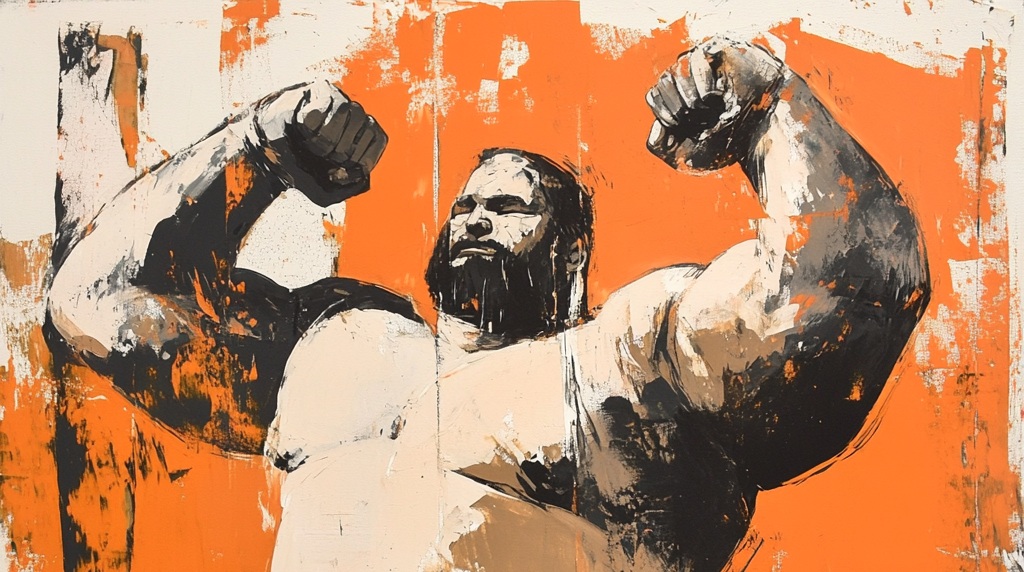
Why Recovery Matters for Bigger Bodies
Training hard is essential, but recovery is just as important—especially for bigger bodies that may experience greater strain on joints and muscles. Proper recovery helps reduce soreness, prevent injuries, and improve long-term performance.
The Science Behind Post-Workout Soreness
Delayed Onset Muscle Soreness (DOMS) is common after intense workouts, especially when trying new exercises. This occurs due to microscopic muscle tears, which lead to inflammation and discomfort. While DOMS is a sign of muscle adaptation, prolonged soreness can hinder progress if not managed correctly.
Best Recovery Strategies for Faster Muscle Repair
1. Prioritize Post-Workout Nutrition
Your body needs fuel to rebuild muscles and restore energy levels. Aim to eat within 30–60 minutes after your workout with:
- Lean Protein (chicken, fish, eggs, or plant-based options) for muscle repair
- Complex Carbs (brown rice, quinoa, oats) to replenish glycogen
- Healthy Fats (avocados, nuts, olive oil) for overall recovery
Related: The Ultimate Guide to Strength Training for Bigger Bodies
2. Hydration: The Recovery Game-Changer
Dehydration can worsen soreness and slow muscle repair. To stay hydrated:
- Drink at least half your body weight in ounces of water daily.
- Add electrolytes if sweating heavily.
- Limit caffeinated and sugary drinks that can dehydrate you.
3. Stretching and Mobility Work
Incorporating stretching and mobility drills post-workout can reduce stiffness and improve flexibility. Try:
- Dynamic stretching before workouts to warm up muscles.
- Static stretching after workouts to prevent tightness.
- Foam rolling to release muscle knots and improve circulation.
Related: How to Train With Joint Pain and Mobility Issues
4. Optimize Your Sleep for Muscle Recovery
Muscle repair happens during deep sleep, making rest a non-negotiable part of your recovery plan. Improve sleep quality by:
- Getting 7–9 hours of rest per night.
- Maintaining a consistent sleep schedule.
- Reducing screen time at least 30 minutes before bed.
5. Use Active Recovery Days
Skipping workouts completely can make soreness worse. Instead, opt for active recovery methods, such as:
- Walking or light cycling to increase circulation.
- Yoga or mobility drills to loosen tight muscles.
- Swimming for a low-impact, full-body recovery session.
6. The Role of Compression Gear and Massage
Compression sleeves and massage tools can enhance recovery by improving circulation and reducing inflammation. Consider:
- Compression leggings or sleeves for better blood flow.
- Massage guns or foam rollers to relieve muscle knots.
- Epsom salt baths to relax sore muscles.
National Academy of Sports Medicine: Exploring the Science of Recovery
Take Recovery as Seriously as Training
Strength isn’t just about lifting heavier—it’s also about giving your body the tools it needs to recover. By prioritizing nutrition, hydration, mobility, sleep, and active recovery, you’ll improve performance, reduce soreness, and stay consistent in your fitness journey.

Leave a reply to CrossFit and Sleep Apnea: What Big and Tall Athletes Should Know About Recovery and Oxygen – The Titan Life Cancel reply