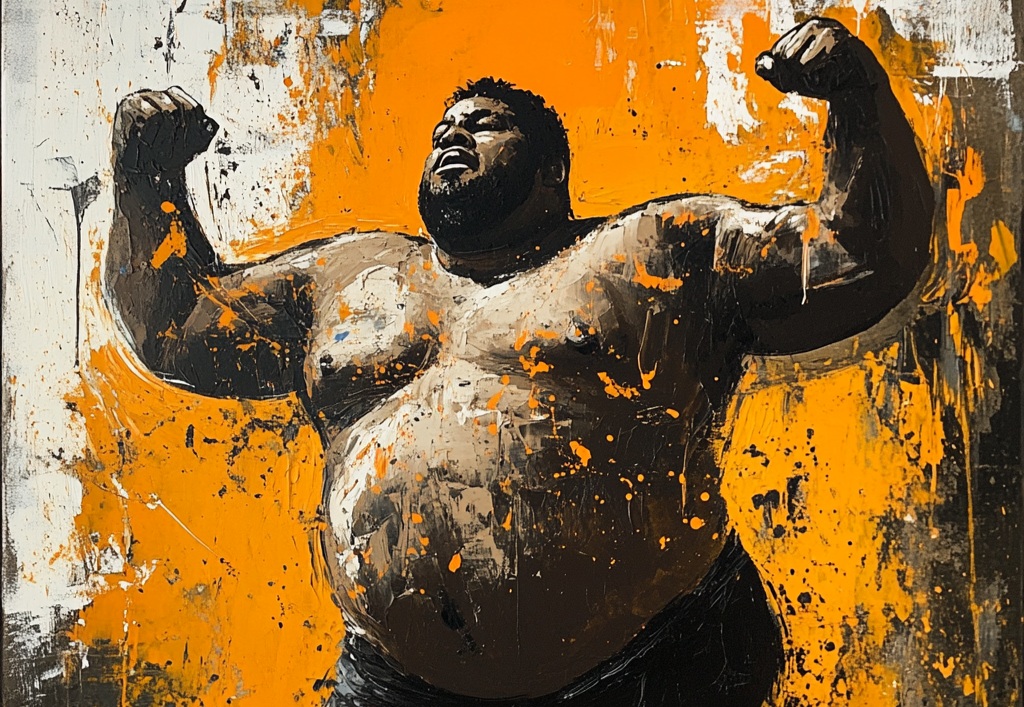
If you’re carrying extra weight, haven’t exercised in years, or feel like fitness isn’t made for people like you, you’re not alone—and you’re not out of options. Starting a workout routine when you’re out of shape requires more than willpower. It takes a plan, patience, and a clear understanding of where to begin without burning out or getting hurt.
Whether you’re 250+ pounds, have mobility issues, or just feel uncomfortable walking into a gym, this guide is for you.
Why Traditional Fitness Advice Fails People Who Are Out of Shape
Let’s be blunt: a lot of the fitness world isn’t built for bigger bodies or beginners. Workouts labeled as “beginner-friendly” often assume a baseline level of flexibility, stamina, or confidence that many people simply don’t have when they’re just getting started.
You don’t need to “fix” yourself before you can work out. You just need the right approach that meets you where you are—not where the industry thinks you should be.
Step 1: Build a Foundation with Functional Movement
Forget burpees. Forget running. When you’re out of shape, your first goal isn’t to torch calories—it’s to move in ways that restore strength, improve joint stability, and reduce injury risk.
Focus on these five movement patterns:
- Squat – Chair squats or supported box squats
- Hinge – Hip hinges and glute bridges to protect your lower back
- Push – Wall or incline push-ups to build upper body strength
- Pull – Resistance bands or TRX rows for posture and back support
- Carry – Farmer’s carries with manageable weights to build grip and core strength
Start with bodyweight or light resistance and prioritize control. Perform 1–2 sets of each, 2–3 times per week.
Related: Where Function Meets Fit: Best Plus-Size Clothing for Big Men Who Train
Step 2: Choose Cardio That Doesn’t Punish You
Long treadmill sessions and high-intensity boot camps aren’t the only way to improve heart health.
Low-impact cardio options for bigger bodies:
- Walking in intervals – Alternate slow and brisk paces
- Stationary bike – Supports your joints while elevating your heart rate
- Aquatic workouts – Resistance plus joint relief
- Seated cardio routines – Great if you have mobility or balance concerns
Start goal: 10–20 minutes, 3 times per week. Add time gradually as your stamina improves.
Step 3: Strength Train to Protect Joints and Burn Fat Efficiently
You don’t need to “lose weight before you lift.” Strength training helps with weight loss by increasing lean mass, boosting metabolism, and stabilizing joints.
Beginner strength routine for bigger bodies:
- Bodyweight squats to a box (3×8)
- Wall push-ups or counter push-ups (3×8)
- Dumbbell deadlifts with light weight (3×6–8)
- Seated shoulder presses (3×8)
- Step-ups on a low platform (2×5 per leg)
Rest: 45–60 seconds between sets. Focus on quality reps, not speed.
Related: How to Train With Joint Pain and Mobility Issues
Step 4: Mobility and Recovery Are Non-Negotiable
Mobility work isn’t just for athletes. If you’re out of shape, you likely have tight hips, ankles, and shoulders from sitting or inactivity—and that limits how well you can move and train.
Daily mobility work (10–15 mins):
- Cat-Cow and Child’s Pose for spinal mobility
- 90/90 hip switches for hip rotation
- Wall angels for shoulder mobility
- Ankle dorsiflexion drills to improve squats and walking gait
Pair this with foam rolling (especially for calves, quads, and upper back) and basic stretching to reduce soreness and improve movement quality.
Step 5: Fuel to Support Your Workouts—Not Punish Yourself
You don’t need to go keto, starve yourself, or drink detox teas. Focus on eating more whole foods, especially lean protein, vegetables, complex carbs, and healthy fats.
Nutrition tips for consistency:
- Eat enough to recover. Under-eating leads to fatigue and muscle loss.
- Track food—not to obsess, but to observe. Use it as data, not a morality score.
- Hydrate heavily. Especially in bigger bodies, dehydration can hit harder and slow progress.
If you’re unsure where to start, just build each meal around protein and fiber and work from there.
Related: Summer Nutrition Tips for Plus Size Men: Fueling Your Fitness Journey in the Heat
Step 6: Monitor Progress Beyond the Scale
The scale isn’t the enemy—but it’s not the whole story. You may gain muscle and lose inches, even if the number doesn’t drop fast.
Track these instead:
- Energy levels
- Strength gains (reps, sets, weight lifted)
- Endurance (can you walk farther or faster?)
- Mobility improvements (can you squat deeper or move with less pain?)
- How clothes fit
Pro tip: Take monthly photos and measurements around chest, waist, hips, arms, and thighs.
Step 7: Know When to Push—and When to Rest
Pushing through soreness, pain, or exhaustion isn’t heroic—it’s a fast track to injury and burnout.
Red light vs green light symptoms:
- Sore muscles? Green light.
- Joint pain, sharp discomfort, or dizziness? Red light—rest or modify.
- Mentally fried? Do mobility work or take a recovery walk.
Learn to distinguish discomfort that builds strength from pain that signals damage.
You’re Not Starting Late—You’re Starting Right
You’re not behind. You’re not broken. And you don’t need to be smaller to be worthy of health, movement, or strength.
Starting when you’re out of shape takes courage. But if you move with intention, eat to support—not punish—your body, and train consistently (not perfectly), you’ll be shocked at what your body can do over time.
Forget the before-and-after photos. Focus on becoming someone who moves well, feels strong, and shows up. That’s fitness that lasts.

Leave a comment