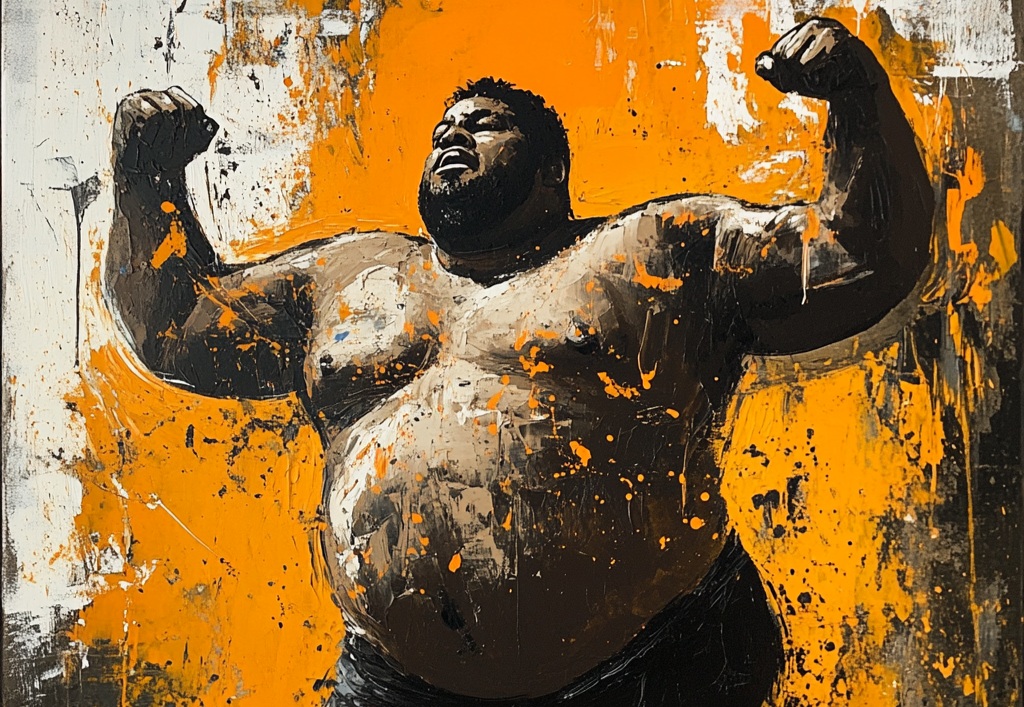
Push-ups are one of the most iconic exercises in fitness. They show up in gym classes, bootcamps, military training, and almost every “beginner workout” guide online. But here’s the truth: push-ups are not beginner-friendly for everyone.
If you’re carrying extra weight, dealing with joint limitations, or simply starting from scratch, push-ups can feel nearly impossible. And that’s okay. You don’t need to be able to do push-ups to build serious strength. Strength training is about progression, adaptation, and consistency — not about forcing your body into movements it’s not ready for.
This guide will show you how to start strength training when you can’t do push-ups (yet), while building the foundation to eventually crush them if you want to.
Why Push-Ups Feel Impossible (And Why That’s Okay)
Push-ups require you to lift 60–70% of your bodyweight using just your upper body. For someone at 300 pounds, that’s like bench pressing nearly 200 pounds from day one. Add in wrist strain, shoulder stability, and core engagement, and you’ve got a move that isn’t “easy” — it’s advanced.
The fitness industry often skips this reality, making many beginners feel discouraged. But here’s the good news: you can train the same muscles (chest, shoulders, triceps, core) with progressions and alternatives until you’re ready.
Related: How to Modify Classic Exercises for Big and Tall Bodies (Push-Ups, Squats, Planks & More)
Strength Training Alternatives to Push-Ups
When push-ups aren’t accessible yet, the goal is to strengthen the same muscle groups in safer, more manageable ways.
1. Wall Push-Ups
- Stand arm’s length from a wall and press against it like you would the floor.
- Adjust distance to make it easier or harder.
- Builds chest, triceps, and core strength without stressing joints.
2. Incline Push-Ups
- Use a sturdy bench, box, or even a kitchen counter.
- The higher the incline, the easier the push-up.
- Gradually lower your incline over time as strength improves.
3. Dumbbell Chest Press
- Lie on a bench (or the floor if that’s more comfortable).
- Press dumbbells straight up, then lower slowly.
- Great for building chest and triceps without supporting your entire bodyweight.
4. Seated Overhead Press
- Sit upright and press dumbbells overhead.
- Trains shoulders and triceps — both crucial for eventual push-up strength.
5. Plank Progressions
- Start with incline planks (hands on bench).
- Aim to hold for 20–30 seconds, gradually building endurance.
- Focuses on core and shoulder stability.
Building a Beginner Strength Training Plan (No Push-Ups Required)
Here’s a simple full-body beginner workout to build strength without push-ups:
Day 1 – Upper Body Focus
- Wall or incline push-ups: 3 sets of 8–12
- Dumbbell chest press: 3 sets of 8–12
- Seated overhead press: 3 sets of 8–12
- Band rows or dumbbell rows: 3 sets of 10
Day 2 – Lower Body Focus
- Bodyweight squats to a chair: 3 sets of 10
- Step-ups (low platform): 3 sets of 10 each leg
- Glute bridges: 3 sets of 12
- Calf raises: 3 sets of 15
Day 3 – Core & Stability
- Incline planks: 3 sets of 20–30 seconds
- Bird-dogs: 3 sets of 8 each side
- Side-lying clamshells (for hips): 3 sets of 12
- Farmer carries (with dumbbells): 3 sets of 20 steps
Do this 2–3 times per week, resting at least one day between workouts. Progress slowly, focusing on form over speed.
How to Progress Toward Push-Ups (If You Want To)
Not everyone needs to do push-ups — but if it’s a personal goal, here’s how to work toward it:
- Start with wall push-ups until they feel easy.
- Move to incline push-ups (bench, then lower surface).
- Add negatives: lower yourself slowly to the floor, then reset from knees.
- Try knee push-ups once you’re stronger.
- Attempt full push-ups when ready, even if it’s just one rep.
Progress may take weeks or months — but every rep you do in between builds strength and confidence.
Key Considerations for Bigger Bodies
- Joint safety: Protect wrists and shoulders by using neutral-grip dumbbells or push-up handles.
- Core support: Extra weight means extra demand on your core. Strengthen abs and lower back to prevent strain.
- Patience is progress: Strength training is about consistency. Even if push-ups aren’t in your routine yet, the work you’re doing is moving you forward.
Related: How to Train With Joint Pain and Mobility Issues
Starting Big Is Still Starting Strong
If you can’t do push-ups yet, you’re not behind — you’re on the path. Real strength training meets you where you are, not where the internet says you “should” be. By focusing on progressive alternatives, protecting your joints, and celebrating small wins, you’ll build lasting strength.
Push-ups may come later, or they may not matter at all. What matters is that you’ve started. And starting big is still starting strong.

Leave a comment