
Walking into a gym as a beginner can feel overwhelming, especially when every row of cardio machines promises to “burn fat fast” or “torch calories.” But here’s the truth: not every cardio machine is equally beginner-friendly — and for bigger bodies, some are more supportive than others.
If you’re overweight, obese, or simply new to fitness, choosing the right cardio machine can make the difference between staying consistent and giving up after a week. This guide breaks down the best cardio machines for overweight beginners, with pros, cons, and beginner-friendly workouts you can actually use.
What Overweight Beginners Should Look for in a Cardio Machine
Before we get into rankings, let’s set the criteria. A good cardio machine for bigger beginners should check these boxes:
- Joint-Friendly: Low-impact options that don’t pound knees, hips, or ankles.
- Weight Capacity: Machines vary — some treadmills support 300–350 lbs, while certain bikes and rowers can go 400+ lbs.
- Comfortable to Use: Wide seats, stable platforms, and accessible setups matter.
- Scalable Workouts: It should work for short, easy sessions now, and still challenge you months later.
Related: Knee-Friendly Leg Day: Exercises That Spare the Joints but Build Mass
The Best Cardio Machines for Overweight Beginners
1. Elliptical Trainer – Low-Impact and Full-Body
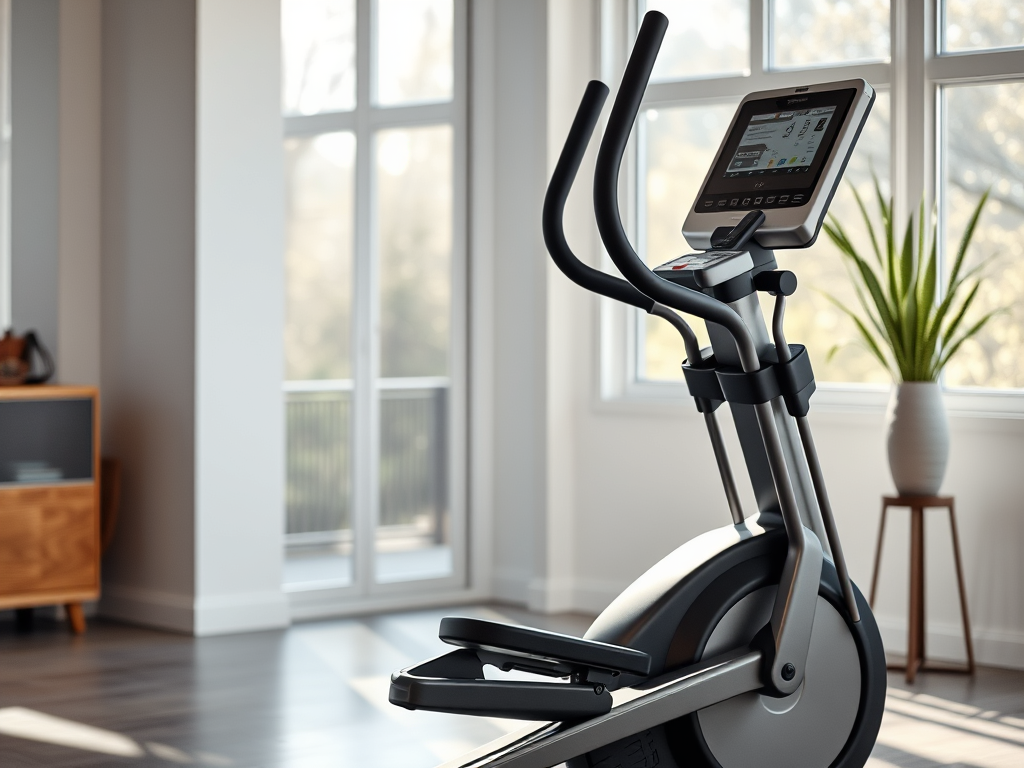
- Why It’s Great: The elliptical is one of the best low-impact cardio machines available. It mimics running without the pounding on joints, and most models support 300–400 lbs. Handles also add an upper-body component.
- Pros: Low joint stress, full-body workout, adjustable resistance.
- Cons: Balance can be tricky at first; taller/bigger men may find stride length too short on cheaper models.
- Beginner Workout: 10 minutes at a comfortable pace, alternating 1 minute of light resistance with 1 minute at slightly higher resistance.
2. Rowing Machine (Rower) – High Calorie Burn, Low Impact
- Why It’s Great: Rowing engages nearly every major muscle group: legs, back, arms, and core. It’s seated, making it joint-friendly, but demands proper form to protect the lower back.
- Pros: Full-body strength + cardio, high calorie burn, compact design.
- Cons: Form takes practice; some weight limits are capped at 300–350 lbs.
- Beginner Workout: 30 seconds rowing, 60 seconds rest — repeat 10 times. Focus on form: drive with legs, hinge at hips, then pull arms.

3. Treadmill (Walking, Not Running) – Accessible and Familiar
- Why It’s Great: Walking is natural, familiar, and easy to track. A treadmill makes it possible regardless of weather or terrain. Look for models with 350+ lb capacity and shock absorption.
- Pros: Accessible, simple to use, incline options boost calorie burn.
- Cons: Higher impact than elliptical/bike; running is not beginner-friendly at higher weights.
- Beginner Workout: 15 minutes of walking at 2–3 mph, with 1–2 minutes at a mild incline every 5 minutes.

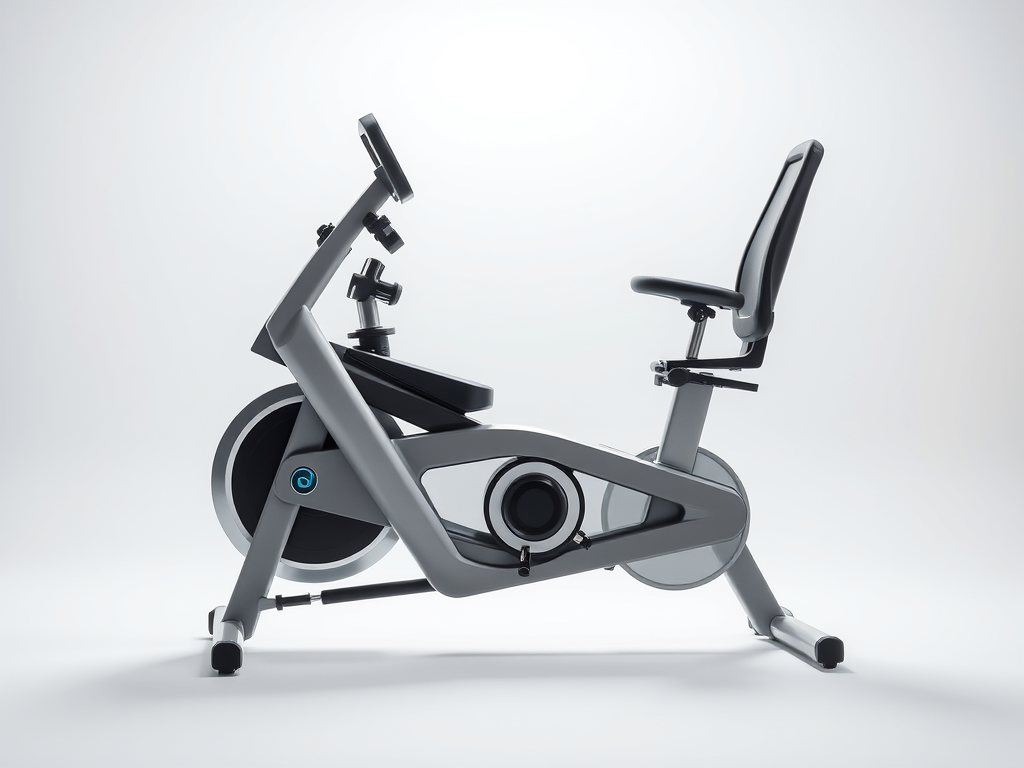
4. Recumbent Bike – Comfort First
- Why It’s Great: With its wide seat and reclined position, the recumbent bike is one of the most comfortable cardio machines. It’s excellent for beginners who struggle with joint pain or balance.
- Pros: Low joint stress, supportive seat, long sessions possible.
- Cons: Lower calorie burn than standing machines; less full-body engagement.
- Beginner Workout: 20 minutes of steady cycling, maintaining a pace where you can talk but not sing.
5. Stair Climber (Advanced Option) – Intense but Effective
- Why It’s Great: If you want maximum calorie burn in a short time, the stair climber delivers. However, it’s tough on joints and balance, so it’s best introduced later in your journey.
- Pros: High calorie burn, leg strength development.
- Cons: Not ideal for very overweight beginners; weight limits may vary.
- Beginner Workout: 5 minutes at the lowest setting, gradually building to 10–15 minutes.

Sample Weekly Beginner Cardio Plan
If you’re just starting out, aim for 3–4 sessions per week, 15–20 minutes each. Here’s a sample rotation:
- Day 1: Elliptical – 15 minutes alternating easy and moderate resistance.
- Day 2: Rest or light walking outdoors.
- Day 3: Rowing – intervals of 30 seconds on, 60 seconds off, 10 rounds.
- Day 4: Recumbent bike – 20 minutes steady pace.
- Day 5: Treadmill walk – 15 minutes with mild incline bursts.
Consistency matters more than intensity in the beginning. Over time, increase your sessions by 5 minutes or add intervals to boost your endurance.
Related: How to Build a Workout Plan That Works for Your Frame: A Big and Tall Man’s Guide
The Best Cardio Machine Is the One You’ll Actually Use
When you’re overweight and starting out, the “best” cardio machine isn’t about what burns the most calories — it’s the one you’ll keep coming back to. Whether it’s the joint-friendly elliptical, the accessible treadmill, or the comfort of the recumbent bike, consistency is what transforms health and fitness.
Start where you are, respect your body, and choose a machine that makes cardio feel doable, not punishing. Every step, pedal, or row is progress — and that’s what matters most.

Leave a reply to Best Cardiovascular Exercises for 2025: What Really Works for Health, Weight Loss, and Endurance – The Titan Life Cancel reply