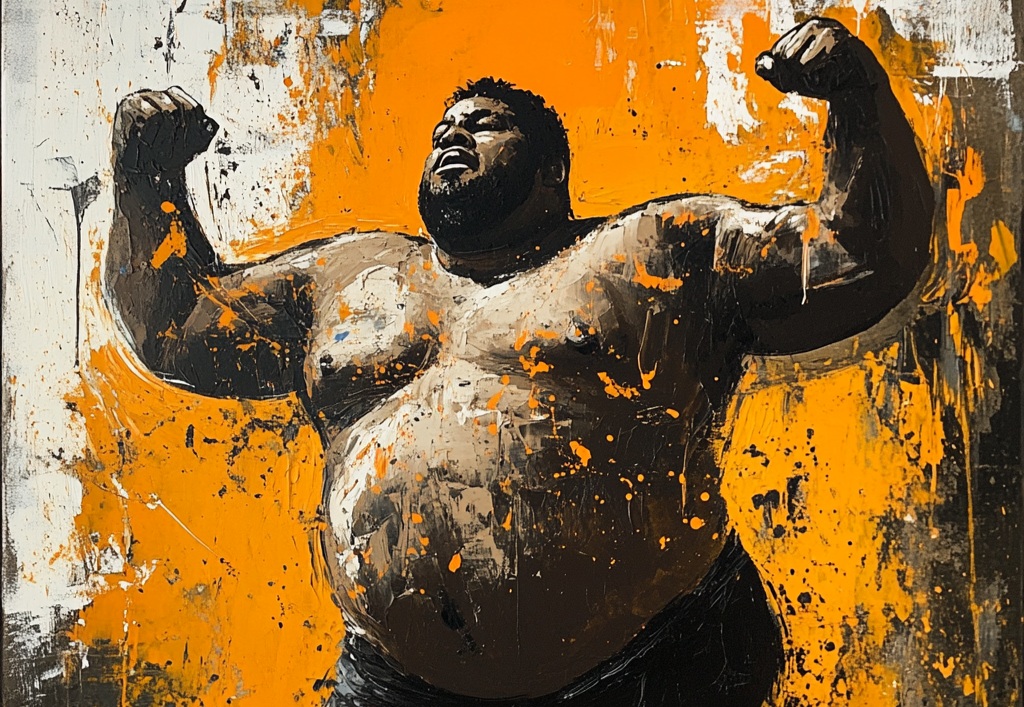
Cardio often gets all the attention in beginner weight loss guides. But strength training is actually the foundation for long-term success:
- Muscle is your calorie-burning engine. Every pound of muscle burns more calories, even at rest.
- Stronger muscles protect joints. When you’re heavier, knees and hips take a beating. Building muscle creates better shock absorption and stability.
- Strength fuels mobility. Daily movements — climbing stairs, standing from a chair, carrying groceries — become easier with resistance training.
- Confidence grows under the bar. Few feelings compare to moving weight you never thought possible.
For many overweight beginners, lifting weights also feels empowering. Unlike endless treadmill sessions, strength training offers tangible progress: heavier dumbbells, more reps, better form.
Key Safety Considerations for Big Lifters
1. Protect Your Joints
Carrying more weight naturally puts stress on joints. To stay safe:
- Choose low-impact exercises that don’t overload knees and ankles.
- Invest in supportive footwear with solid soles.
- Always warm up with 5–10 minutes of dynamic movement (arm circles, hip rotations, marching in place).
Related: How to Train With Joint Pain and Mobility Issues
2. Know Your Equipment
Not all gym equipment is built the same:
- Commercial gym gear usually supports 600–1,000 lbs (combined user + load).
- Home gym gear can be trickier. Look for heavy-duty benches and racks rated at 800+ lbs.
- Cardio equipment varies widely — always check the weight limit before stepping on.
Related: Best Cardio Machines for Overweight Beginners: Which One Should You Start With?
3. Focus on Form First
At higher weights, lifting with sloppy form increases risk. Start lighter, nail your technique, and let weight increases come later.
4. Machines Are Your Friend
Free weights are excellent long-term, but machines provide stability and confidence while you’re learning. Chest presses, leg presses, and seated rows are safe staples.
Best Strength Exercises for Beginners Over 300 Pounds
The goal is to strengthen major muscle groups without unnecessary strain.
Lower Body
- Leg Press: A controlled, joint-friendly alternative to barbell squats.
- Box Squats: Teaches squat mechanics safely. Use a bench as your depth guide.
- Glute Bridges: Builds hip and glute strength without standing load.
Related: Knee-Friendly Leg Day: Exercises That Spare the Joints but Build Mass
Upper Body
- Seated Chest Press: Works chest and triceps without needing push-ups.
- Seated Row: Builds back strength for posture and balance.
- Overhead Dumbbell Press (seated): Strengthens shoulders with core support.
Core & Stability
- Incline Planks (hands on a bench): Scales core work to your ability.
- Farmer’s Carries: Simple but effective — carry weights for distance.
- Bird Dogs: Great for spine health and balance.
A Safe Beginner Strength Training Routine
Here’s a 2-day weekly plan designed for overweight beginners. Add an extra day once it feels easy.
Day 1 (Push + Lower Focus)
- Warm-up: 5 minutes elliptical
- Leg Press – 3 sets of 10–12
- Seated Chest Press – 3 sets of 10–12
- Overhead Dumbbell Press – 3 sets of 8–10
- Incline Plank – 3×20–30 seconds
Day 2 (Pull + Lower Focus)
- Warm-up: 5 minutes rowing machine
- Box Squats – 3 sets of 8–10
- Seated Row – 3 sets of 10–12
- Glute Bridges – 3 sets of 12
- Farmer’s Carries – 3×20–30 steps
Progression: How to Get Stronger Safely
- Increase reps first. Go from 8 to 12 before raising weight.
- Use small jumps. Add 2.5–5 lbs instead of big jumps.
- Track everything. Keep a log of exercises, sets, reps, and weights.
- Respect recovery. Bigger lifters may need longer rest between sessions — and that’s fine.
Common Mistakes to Avoid
- Ego lifting: Chasing big numbers too soon leads to setbacks.
- Skipping warm-ups: Cold muscles under load = injury risk.
- Neglecting mobility: Stretch hips, ankles, and shoulders regularly.
- Forgetting nutrition: Fueling recovery with protein-rich meals is as important as the workout.
Recovery Tips for Bigger Lifters
- Sleep: Aim for 7–9 hours — growth hormone and muscle repair peak overnight.
- Hydration: Heavier bodies dehydrate faster. Drink water consistently through the day.
- Active recovery: Walking, swimming, or light cycling keeps blood flowing between workouts.
- Tools that help: Foam rollers, massage balls, and compression gear can ease soreness.
Starting Big Is Still Starting Strong
Being over 300 pounds doesn’t mean you can’t lift weights. It means you have a different starting line. By respecting your body, using joint-friendly movements, and building strength progressively, you can train safely and effectively.
Remember — every strong lifter once started as a beginner. The only difference is that you’re starting big. And that, in its own way, is a strength.

Leave a comment