Author: Admin

  • Layering for Big & Tall Men: How to Stay Warm Without Looking Bulky

    Layering for Big & Tall Men: How to Stay Warm Without Looking Bulky

    Why Layering Matters (Especially for Bigger Frames)

    Layering is more than a seasonal style trick. For big and tall men, it’s a way to balance warmth, proportion, and confidence in colder months. Done poorly, layering adds unnecessary width and bulk. Done well, it creates vertical lines, elongates your silhouette, and ensures you stay comfortable whether you’re outdoors in the cold or indoors with the heat blasting.

    Unlike leaner frames, larger builds require a more strategic approach: fabric weight, cut, and length matter more. The wrong hoodie under a jacket can turn into an unflattering block of fabric, while the right merino sweater under a tailored coat creates clean, sharp lines.


    The Three-Layer System: Tailored for Big & Tall Bodies

    The classic three-layer system—base, mid, outer—works universally, but bigger men need to think carefully about fit and proportion at each stage.

    1. Base Layer: Function Without Cling

    • Merino Wool: Naturally insulating, moisture-regulating, and odor-resistant. Its thin fibers mean warmth without bulk.
    • Performance Synthetics: Polyester blends (like Under Armour’s HeatGear) wick sweat effectively but look for cuts labeled “fitted” or “athletic” rather than “compression” to avoid overly tight lines.

    Titan Tip: Avoid heavy cotton undershirts that bunch or trap sweat. For tall men, prioritize longline base layers to prevent riding up.

    2. Mid Layer: Insulation That Flatters

    This is the layer that adds both warmth and style — and where most bulk happens.

    • Fine-Gauge Sweaters: Merino or cashmere crewnecks and v-necks add insulation without thickness.
    • Shirt Jackets (Shackets): Provide structure and warmth while still lying flat under a coat.
    • Fleece Mid-Layers: Choose smooth-faced technical fleece rather than thick, fluffy pile fleece that widens your frame.

    Titan Tip: Stick with single layers here — don’t stack hoodies under sweaters. A single, well-chosen insulating piece is enough.

    3. Outer Layer: Protection and Proportion

    Your outer layer sets the tone for the entire outfit.

    • Topcoats & Overcoats: Long vertical lines elongate the torso and balance proportions.
    • Technical Parkas: Look for adjustable waists and streamlined designs. Skip cropped puffers that stop at the waist.
    • Wool Pea Coats: Timeless, but single-breasted versions are more slimming than double-breasted cuts.

    Titan Tip: The hemline should ideally cover the seat. Shorter cuts often broaden the waist visually.


    The Science of Fabrics: Warmth Without Bulk

    Fabric choice is where you win or lose the layering battle:

    • Merino Wool: Traps heat in tiny air pockets without thickness. Ideal for base and mid-layers.
    • Down Alternatives (Primaloft, Thinsulate): Provide lightweight insulation without the puff of traditional down.
    • Wool Blends: Mix durability and warmth; avoid pure heavy wool for layering, which adds too much structure.
    • Stretch Fabrics: Elastane blends move with you and prevent seams from straining on larger frames.

    Related: 6 Hot Weather Layering Tips to Stay Cool, Protected, and Comfortable


    Tailoring and Fit: The Overlooked Secret

    Most layering mistakes aren’t about fabric, but fit. Off-the-rack garments rarely scale well for larger bodies, so simple alterations can transform your look:

    • Sleeve and Hem Adjustments: Prevent shirts from billowing and jackets from looking boxy.
    • Darts and Seams: Adding subtle shaping at the waist of a shirt or coat creates vertical lines.
    • Shoulder Fit: Always prioritize the shoulders — too wide makes you look slouched, too narrow makes layering impossible.

    Titan Tip: A $30 alteration often makes a $100 coat look like a $500 one.


    Layering in Practice: Three Outfit Formulas

    1. Casual Weekend
      • Base: Long-sleeve merino tee
      • Mid: Flannel overshirt
      • Outer: Streamlined parka with drawcord waist
      • Accessories: Wide wool scarf
    2. Smart Casual Workday
      • Base: Performance undershirt
      • Mid: Fine-gauge v-neck sweater
      • Outer: Wool topcoat
      • Accessories: Leather gloves, knit beanie
    3. Active Outdoors
      • Base: Synthetic moisture-wicking long sleeve
      • Mid: Smooth-faced fleece quarter-zip
      • Outer: Waterproof shell with taped seams
      • Accessories: Technical gloves, insulated hat

    Each balances warmth, proportion, and style.


    Related: The Ultimate Guide to Layering for Bigger Builds: Stay Comfortable, Look Sharp


    Accessories for Scale and Balance

    Big and tall men often overlook accessories, but they’re essential for proportional layering:

    • Scarves: Oversized or wide scarves work better than thin ones, which can look undersized.
    • Beanies and Hats: Stick to classic, full-coverage fits. Tiny caps make the head appear small against a large frame.
    • Gloves: Leather or insulated gloves in extended sizes prevent tightness and allow layering under coats.

    Common Layering Mistakes for Bigger Builds

    1. Stacking Hoodies and Bulky Sweaters Together → Creates a blocky look.
    2. Cropped Outerwear → Emphasizes width at the midsection.
    3. Heavy Cotton Layers → Retain sweat, add weight, and don’t insulate well.
    4. Ignoring Tailoring → Off-the-rack layering often looks sloppy without small adjustments.

    Layering as Style Strategy

    Layering isn’t just about staying warm — it’s about controlling proportion and silhouette. For big and tall men, the key lies in:

    • Lightweight, high-efficiency fabrics.
    • Long, vertical outerwear lines.
    • Smart tailoring to streamline bulk.
    • Accessories that balance proportions.

    Done right, layering makes you look intentional, stylish, and confident — not just bundled up. This winter, think beyond warmth: use layers as a tool to define your style.

  • Why Fitocracy’s Community Model Still Matters in 2025 Fitness Apps

    Why Fitocracy’s Community Model Still Matters in 2025 Fitness Apps

    More Than Points and Levels

    When people talk about Fitocracy, they often reduce it to its game mechanics—points, levels, and quests. But the real secret sauce wasn’t just gamification. It was community. Fitocracy created a sense of belonging that most modern apps still struggle to replicate. In 2025, when fitness apps dominate app stores and AI-driven programs promise personalization, it’s worth asking: why hasn’t any platform rebuilt the kind of community Fitocracy fostered? And why does that model still matter?


    The Early Days of Fitocracy: A Pioneer in Fitness Tech

    Launched in 2011, Fitocracy was more than another workout tracker. It combined two worlds: fitness logging and the social networks that were exploding at the time. The platform drew in gamers, beginners, and outsiders who didn’t feel at home in traditional gyms.

    Key innovations:

    • Gamified leveling system that turned workouts into achievements.
    • Quests and challenges that gave users structure and a sense of progression.
    • Community groups where people shared goals, struggles, and progress.

    At its peak, Fitocracy wasn’t just an app — it was a movement. Members logged workouts because they knew someone else would “prop” them, cheer them on, or share their own story.


    Related: Is Fitocracy Dead? The Real Story Behind the App’s Rise and Fall


    What Made the Community Special

    Most fitness apps have some kind of “social feature” today. But Fitocracy’s community stood out in several ways:

    1. Encouragement Over Comparison

    Unlike Instagram or TikTok fitness culture, Fitocracy wasn’t about showing off physiques. It was about showing up. A 10-minute walk could get the same kind of support as a heavy deadlift PR.

    2. Micro-Communities

    Groups like “Fitocrats Over 300 Pounds” or “Nerd Fitness” gave people spaces where they felt safe, understood, and supported. That kind of segmentation built real bonds.

    3. Peer Accountability

    Props and comments acted like mini dopamine boosts. Instead of a faceless algorithm reminding you to log in, people did.

    4. Shared Language and Identity

    Members identified as “Fitocrats.” It wasn’t just an app you used — it was an identity you claimed. That level of buy-in is rare in today’s app ecosystem.


    The Psychology Behind Community Fitness

    Research consistently shows that social support is one of the strongest predictors of long-term exercise adherence.

    • Accountability: When people know others are watching, they’re more likely to stick with habits.
    • Belonging: Fitness feels less like a punishment and more like a shared journey when you’re part of a group.
    • Validation: Achievements, no matter how small, feel more meaningful when celebrated by peers.

    Fitocracy understood these principles instinctively. Modern platforms, in contrast, often emphasize data, AI, and tracking — features that, while powerful, rarely replace human connection.


    Related: The Power of Accountability: How to Build a Supportive Fitness Community


    The Gap in Today’s Fitness Apps

    Fast-forward to 2025, and the fitness app market is saturated. Peloton, Strava, MyFitnessPal, Strong, Apple Fitness+ — they’re polished, data-driven, and feature-rich. But their “community” features often feel like afterthoughts:

    • Strava: Great for endurance athletes, but often intimidating to beginners.
    • Peloton: Focused more on instructor-led energy than peer-to-peer support.
    • Strong: A strong workout tracker, but its community feels thin compared to Fitocracy’s heyday.
    • MyFitnessPal: Massive, but its forums can be chaotic and unmoderated.

    What’s missing is the inclusive, gamified, and peer-driven accountability that Fitocracy nailed.


    Related: Fitocracy Alternatives in 2025: The Best Apps for Gamified Fitness


    Why This Matters Even More in 2025

    For many people — especially beginners, bigger bodies, or those intimidated by gym culture — a welcoming community is the difference between quitting and continuing.

    • Accessibility: A beginner logging knee push-ups should get as much encouragement as a veteran posting Olympic lifts.
    • Inclusivity: Communities need spaces where people of different body types, abilities, and goals feel represented.
    • Consistency: Apps that foster connection keep users longer, leading to better health outcomes.

    In an era when loneliness and burnout are at all-time highs, fitness communities can double as mental health support. That’s something tech-driven AI workouts can’t replicate.


    Lessons Modern Apps Should Learn from Fitocracy

    If today’s apps want to build lasting user bases, they should revisit Fitocracy’s playbook:

    1. Reward Effort, Not Just Output
      Progress logs should be celebrated no matter the numbers.
    2. Segment Communities
      Groups around shared identity, goals, or challenges make members feel seen.
    3. Make Social Native, Not Optional
      The app should nudge users toward interaction, not bury community in a sidebar.
    4. Foster Identity
      Give users a reason to say, “I’m not just using this app — I’m part of this movement.”

    The Future: Can Fitocracy’s Spirit Live On?

    Is Fitocracy itself dead? Maybe. But its influence still echoes. Any app that blends gamification, community, and inclusivity has the potential to carry the torch. Some of this spirit lives on in Discord servers, Reddit fitness subs, and boutique apps — but none have fully recaptured what made Fitocracy unique.

    Perhaps the real lesson is this: technology evolves, but humans don’t change as quickly. We still crave encouragement, belonging, and shared journeys. Fitocracy proved that when those needs are met, people don’t just work out — they thrive.


    Related: Is Fitocracy Dead? The Real Story Behind the App’s Rise and Fall


    Conclusion

    Fitocracy’s legacy isn’t its codebase or its gamified points system. It’s the model of a community-driven fitness experience where everyone, from a beginner to a powerlifter, felt celebrated. In 2025, when apps are smarter than ever but often lonelier than ever, that lesson is more relevant than ever.

    Until a platform truly reinvents what Fitocracy started, the fitness world will keep missing a piece of the puzzle: the power of community.

  • What Plus-Size Men Should Look for in a Personal Trainer

    What Plus-Size Men Should Look for in a Personal Trainer

    Finding a personal trainer can be overwhelming, especially if you’re a plus-size man who hasn’t always felt welcome in fitness spaces. Too often, trainers push unrealistic goals, ignore joint safety, or focus only on shrinking your body instead of helping you build strength and confidence.

    But the right trainer can make all the difference. They can teach you how to lift safely, build endurance without injury, and develop a healthier relationship with movement. The key is knowing what to look for — and what red flags to avoid.

    This guide breaks down the qualities, credentials, and questions that matter most when you’re searching for a personal trainer who understands bigger bodies.


    Why Having the Right Trainer Matters

    For plus-size men, the stakes are higher when choosing a coach:

    • Injury risk is real. Poorly scaled workouts can overload joints, especially knees and shoulders.
    • Confidence is fragile. A single negative experience can reinforce gym anxiety.
    • Goals are different. Many bigger men care more about strength, energy, or longevity than just dropping pounds.

    The right trainer respects where you are today, adapts programming to your needs, and supports you in building fitness on your own terms.


    Related: How to Set Realistic Fitness Goals and Stay Motivated Along the Way


    1. Look for Experience Training Bigger Bodies

    Not every trainer has worked with clients who weigh 250, 300, or 350+ pounds. This matters because your needs aren’t the same as those of a lean 20-year-old athlete.

    Signs of a trainer with relevant experience:

    • They can share examples of how they scaled exercises for clients with higher body weights.
    • They understand how to manage fatigue, modify movements, and monitor recovery.
    • They speak about progress in terms of strength, energy, and health markers — not just pounds lost.

    Questions to ask:

    • “Have you trained clients over 300 pounds before?”
    • “What adjustments do you typically make for bigger men?”

    2. They Emphasize Strength, Not Just Weight Loss

    For too long, the fitness industry has equated success with shrinking. But weight loss isn’t the only marker of progress — and often not the main goal.

    A good trainer should help you:

    • Build practical strength for everyday life.
    • Improve stamina and cardiovascular health.
    • Track progress in non-scale ways: more reps, heavier lifts, better balance.
    • Celebrate improvements in energy, confidence, and mobility.

    If a trainer can only talk about “burning fat” or “getting you ripped,” they may not be the right fit.


    3. Joint-Safe, Scalable Programming

    At higher weights, your trainer must prioritize joint protection. A thoughtful trainer will:

    • Choose low-impact cardio (rowers, ellipticals, recumbent bikes, incline walking).
    • Start with machine-based strength training before loading up free weights.
    • Avoid prescribing high-impact drills like jump squats, burpees, or sprint intervals on day one.
    • Teach proper warm-up and mobility work to reduce injury risk.

    Red flag: A trainer who insists on doing a “test workout” with intense burpees and sprints on your first day.


    Related: How to Train With Joint Pain and Mobility Issues


    4. They Understand the Mental Side of Fitness

    Bigger men often carry more than physical weight into the gym — they carry the weight of stigma, shame, or past bad experiences. A supportive trainer should:

    • Make you feel comfortable in your body today.
    • Offer encouragement without judgment.
    • Address gym anxiety and intimidation openly.
    • Create a welcoming training environment where questions are safe.

    Fitness is as much mental as it is physical. You need someone who supports both.


    5. Clear Communication and Personalization

    Cookie-cutter workout templates don’t work — especially not for bigger bodies. Your trainer should:

    • Take time to learn about your medical history, past injuries, and limitations.
    • Build workouts that fit your lifestyle, not just the one-hour session.
    • Adapt week to week based on how you’re progressing.

    Titan Tip: If every client you see your trainer working with is doing the exact same circuit, they may not offer true personalization.


    6. Credentials That Actually Mean Something

    Not all certifications carry equal weight. Some are earned in a weekend; others require deep study and continuing education.

    Look for trainers certified by:

    • NASM (National Academy of Sports Medicine)
    • ACE (American Council on Exercise)
    • NSCA (National Strength and Conditioning Association)
    • ACSM (American College of Sports Medicine)

    Also valuable: trainers with backgrounds in corrective exercise, mobility, or working with special populations.


    7. Practical Factors That Matter

    Beyond philosophy, don’t forget the basics:

    • Location: Is the gym accessible and comfortable?
    • Budget: Can you afford sessions long-term? (Some trainers offer group rates or virtual coaching.)
    • Schedule: Do their hours align with yours?
    • Comfort level: Do you feel respected in the space where they train clients?

    Interview Questions to Ask a Potential Trainer

    Bring this list with you when interviewing a trainer:

    1. Have you worked with plus-size clients before?
    2. How do you adjust workouts for joint safety?
    3. How do you track progress beyond weight loss?
    4. What’s your approach to nutrition — do you prescribe diets or just general guidance?
    5. How do you handle a client who feels anxious or overwhelmed in the gym?
    6. Can you show me examples of how you’ve scaled exercises for beginners?

    A good trainer will welcome these questions and answer confidently.


    Related: Nutrition for Plus Size Men: A Complete Guide to Fueling Strength, Performance, and Fat Loss


    Find a Partner, Not a Drill Sergeant

    For plus-size men, hiring a personal trainer isn’t just about workouts. It’s about finding someone who respects your body, protects your joints, and helps you unlock strength and confidence you didn’t know you had.

    The right trainer will push you — but safely. They’ll celebrate every win, whether it’s lifting heavier, walking farther, or simply showing up consistently. And most importantly, they’ll see you as a whole person, not just a number on a scale.

    With the right trainer, fitness stops being punishment and starts being empowerment. That’s the partnership worth investing in.

  • How to Do Planks at 300+ Pounds Without Shoulder Pain

    How to Do Planks at 300+ Pounds Without Shoulder Pain

    Planks are one of the most effective core exercises you can do. They build strength not just in the abs, but also in the lower back, hips, shoulders, and even glutes. A strong core means better posture, less back pain, and more stability for every movement you make.

    But if you weigh 300 pounds or more, the traditional floor plank can feel punishing — especially on your shoulders. Instead of feeling your abs working, you might end up with aching joints and frustration.

    The truth is, planks are not one-size-fits-all. With the right adjustments, they can become one of the safest and most empowering exercises for bigger bodies. This guide will show you exactly how to plank without shoulder pain, how to progress safely, and which alternatives are just as effective.


    Why Planks Can Hurt at Higher Weights

    At their core, planks are a bodyweight isometric exercise — meaning you hold a position without moving. But here’s what that means in real numbers:

    • In a standard push-up or plank position, you’re supporting 60–70% of your total body weight.
    • For someone at 300 pounds, that’s 180–210 pounds of load on your arms, shoulders, and core.

    That’s like walking into a gym on your first day and bench pressing two 45-lb plates on each side of the bar. No trainer would program that as a “warm-up.”

    Common reasons planks hurt at higher weights:

    • Shoulder overload – Smaller stabilizer muscles fatigue quickly, dumping stress into joints.
    • Core fatigue – If abs give out, your body sags and shoulders compensate.
    • Wrist strain – Straight-arm planks can irritate wrists and forearms.
    • Leverage challenges – Long torsos or larger midsections shift balance, making the hold harder.

    The key isn’t to avoid planks altogether — it’s to scale them intelligently.


    The Principles of Scaling Planks for Bigger Bodies

    Before we get into specific variations, here are principles that make planks safer:

    1. Reduce the load. Use inclines or knees on the ground to cut down how much body weight your shoulders support.
    2. Shorten the lever. The farther your arms are from your core, the harder the plank. Bringing knees or arms closer reduces strain.
    3. Shift focus. Core engagement (tight abs, glutes, and back) should take priority over holding a “perfect” pose for time.
    4. Work in sets. Multiple shorter holds are better than one painful long one.

    Plank Alternatives for Plus-Size Beginners

    1. Wall Plank (Entry Level)

    • Stand facing a wall, arms extended.
    • Lean forward slightly and brace your core as if holding a push-up.
    • Great starting point for absolute beginners.

    Benefits: Trains posture, core engagement, and shoulder alignment without joint strain.


    2. Incline Plank (Best First Step at the Gym)

    • Place hands or forearms on a sturdy bench, box, or rail.
    • Keep shoulders stacked over elbows/wrists.
    • The higher the surface, the easier it is.

    Why it works: Reduces bodyweight load while keeping the full-body engagement of a plank.


    3. Knee Plank (Modified Floor Version)

    • Start in push-up position, but rest knees on the ground.
    • Maintain a straight line from head to knees.

    Titan Tip: Pad under knees with a folded mat or towel for comfort.


    Related: Full-Body Workouts for Bad Knees: Stay Strong Without the Squats


    4. Quadruped Hover (Core Builder)

    • Start on all fours.
    • Lift knees 1–2 inches off the ground.
    • Hold for 5–15 seconds while bracing abs.

    Why it works: Less shoulder load, more core engagement.


    5. Loaded Carries (Standing Plank Alternative)

    • Hold dumbbells or kettlebells at your sides and walk slowly.
    • Keep core tight and posture upright.

    Think of it as a “plank on the move.” Builds grip, stability, and core endurance.


    How to Progress Toward Traditional Planks

    If your goal is eventually holding a floor plank, here’s a progression path:

    1. Wall plank → 30 seconds
    2. Incline plank on bench → 20 seconds
    3. Incline plank on lower surface → 15–20 seconds
    4. Knee plank → 15 seconds
    5. Full forearm plank → start with 5–10 seconds, build up gradually

    Related: Progressive Overload for Bigger Bodies: How to Continuously Build Strength Safely


    Programming Planks Into a Routine

    Here’s how to add planks to your weekly training:

    Beginner Core Circuit (2–3x per week)

    • Incline Plank – 3 sets of 15–20 seconds
    • Quadruped Hover – 3 sets of 10 seconds
    • Farmer’s Carries – 3×20 steps
    • Glute Bridges – 3×12

    Tips:

    • Rest 45–60 seconds between sets.
    • Focus on bracing abs, not “just surviving the time.”
    • Stop if you feel sharp pain in shoulders or wrists.

    Related: How to Start a Fitness Routine as a Plus-Size Man


    Shoulder Safety Checklist

    • Stack joints properly. Shoulders should be directly over elbows/wrists.
    • Engage lats. Pull shoulders down and back — don’t let them shrug up toward ears.
    • Use padding. Elbow or wrist support can reduce pressure.
    • Widen stance. Spreading feet apart distributes weight more evenly.
    • Listen to pain. Soreness in abs is good; sharp shoulder pain is not.

    Long-Term Benefits of Core Training at Higher Weights

    When scaled correctly, planks help you:

    • Reduce back pain by stabilizing the spine.
    • Improve posture for sitting, standing, and lifting.
    • Boost performance in squats, deadlifts, and everyday movements.
    • Increase calorie burn by engaging multiple muscle groups at once.

    Planks Are For You — Just Scaled Your Way

    At 300+ pounds, you don’t need to force your body into the same plank variation shown in fitness magazines. Planks are adaptable. By starting with inclines, using joint-friendly variations, and progressing at your pace, you can unlock all the core-strengthening benefits without painful shoulders holding you back.

    Remember: fitness is about finding what works for your body right now, not forcing yourself into someone else’s blueprint.


  • How to Lift Weights Safely at Over 300 Pounds: A Beginner’s Guide

    How to Lift Weights Safely at Over 300 Pounds: A Beginner’s Guide

    Cardio often gets all the attention in beginner weight loss guides. But strength training is actually the foundation for long-term success:

    • Muscle is your calorie-burning engine. Every pound of muscle burns more calories, even at rest.
    • Stronger muscles protect joints. When you’re heavier, knees and hips take a beating. Building muscle creates better shock absorption and stability.
    • Strength fuels mobility. Daily movements — climbing stairs, standing from a chair, carrying groceries — become easier with resistance training.
    • Confidence grows under the bar. Few feelings compare to moving weight you never thought possible.

    For many overweight beginners, lifting weights also feels empowering. Unlike endless treadmill sessions, strength training offers tangible progress: heavier dumbbells, more reps, better form.


    Key Safety Considerations for Big Lifters

    1. Protect Your Joints

    Carrying more weight naturally puts stress on joints. To stay safe:

    • Choose low-impact exercises that don’t overload knees and ankles.
    • Invest in supportive footwear with solid soles.
    • Always warm up with 5–10 minutes of dynamic movement (arm circles, hip rotations, marching in place).

    Related: How to Train With Joint Pain and Mobility Issues


    2. Know Your Equipment

    Not all gym equipment is built the same:

    • Commercial gym gear usually supports 600–1,000 lbs (combined user + load).
    • Home gym gear can be trickier. Look for heavy-duty benches and racks rated at 800+ lbs.
    • Cardio equipment varies widely — always check the weight limit before stepping on.

    Related: Best Cardio Machines for Overweight Beginners: Which One Should You Start With?


    3. Focus on Form First

    At higher weights, lifting with sloppy form increases risk. Start lighter, nail your technique, and let weight increases come later.

    4. Machines Are Your Friend

    Free weights are excellent long-term, but machines provide stability and confidence while you’re learning. Chest presses, leg presses, and seated rows are safe staples.


    Best Strength Exercises for Beginners Over 300 Pounds

    The goal is to strengthen major muscle groups without unnecessary strain.

    Lower Body

    • Leg Press: A controlled, joint-friendly alternative to barbell squats.
    • Box Squats: Teaches squat mechanics safely. Use a bench as your depth guide.
    • Glute Bridges: Builds hip and glute strength without standing load.

    Related: Knee-Friendly Leg Day: Exercises That Spare the Joints but Build Mass


    Upper Body

    • Seated Chest Press: Works chest and triceps without needing push-ups.
    • Seated Row: Builds back strength for posture and balance.
    • Overhead Dumbbell Press (seated): Strengthens shoulders with core support.

    Core & Stability

    • Incline Planks (hands on a bench): Scales core work to your ability.
    • Farmer’s Carries: Simple but effective — carry weights for distance.
    • Bird Dogs: Great for spine health and balance.

    A Safe Beginner Strength Training Routine

    Here’s a 2-day weekly plan designed for overweight beginners. Add an extra day once it feels easy.

    Day 1 (Push + Lower Focus)

    • Warm-up: 5 minutes elliptical
    • Leg Press – 3 sets of 10–12
    • Seated Chest Press – 3 sets of 10–12
    • Overhead Dumbbell Press – 3 sets of 8–10
    • Incline Plank – 3×20–30 seconds

    Day 2 (Pull + Lower Focus)

    • Warm-up: 5 minutes rowing machine
    • Box Squats – 3 sets of 8–10
    • Seated Row – 3 sets of 10–12
    • Glute Bridges – 3 sets of 12
    • Farmer’s Carries – 3×20–30 steps

    Progression: How to Get Stronger Safely

    1. Increase reps first. Go from 8 to 12 before raising weight.
    2. Use small jumps. Add 2.5–5 lbs instead of big jumps.
    3. Track everything. Keep a log of exercises, sets, reps, and weights.
    4. Respect recovery. Bigger lifters may need longer rest between sessions — and that’s fine.

    Common Mistakes to Avoid

    • Ego lifting: Chasing big numbers too soon leads to setbacks.
    • Skipping warm-ups: Cold muscles under load = injury risk.
    • Neglecting mobility: Stretch hips, ankles, and shoulders regularly.
    • Forgetting nutrition: Fueling recovery with protein-rich meals is as important as the workout.

    Recovery Tips for Bigger Lifters

    • Sleep: Aim for 7–9 hours — growth hormone and muscle repair peak overnight.
    • Hydration: Heavier bodies dehydrate faster. Drink water consistently through the day.
    • Active recovery: Walking, swimming, or light cycling keeps blood flowing between workouts.
    • Tools that help: Foam rollers, massage balls, and compression gear can ease soreness.

    Starting Big Is Still Starting Strong

    Being over 300 pounds doesn’t mean you can’t lift weights. It means you have a different starting line. By respecting your body, using joint-friendly movements, and building strength progressively, you can train safely and effectively.

    Remember — every strong lifter once started as a beginner. The only difference is that you’re starting big. And that, in its own way, is a strength.

  • Best Cardio Machines for Overweight Beginners: Which One Should You Start With?

    Best Cardio Machines for Overweight Beginners: Which One Should You Start With?

    Walking into a gym as a beginner can feel overwhelming, especially when every row of cardio machines promises to “burn fat fast” or “torch calories.” But here’s the truth: not every cardio machine is equally beginner-friendly — and for bigger bodies, some are more supportive than others.

    If you’re overweight, obese, or simply new to fitness, choosing the right cardio machine can make the difference between staying consistent and giving up after a week. This guide breaks down the best cardio machines for overweight beginners, with pros, cons, and beginner-friendly workouts you can actually use.


    What Overweight Beginners Should Look for in a Cardio Machine

    Before we get into rankings, let’s set the criteria. A good cardio machine for bigger beginners should check these boxes:

    • Joint-Friendly: Low-impact options that don’t pound knees, hips, or ankles.
    • Weight Capacity: Machines vary — some treadmills support 300–350 lbs, while certain bikes and rowers can go 400+ lbs.
    • Comfortable to Use: Wide seats, stable platforms, and accessible setups matter.
    • Scalable Workouts: It should work for short, easy sessions now, and still challenge you months later.

    Related: Knee-Friendly Leg Day: Exercises That Spare the Joints but Build Mass


    The Best Cardio Machines for Overweight Beginners

    1. Elliptical Trainer – Low-Impact and Full-Body

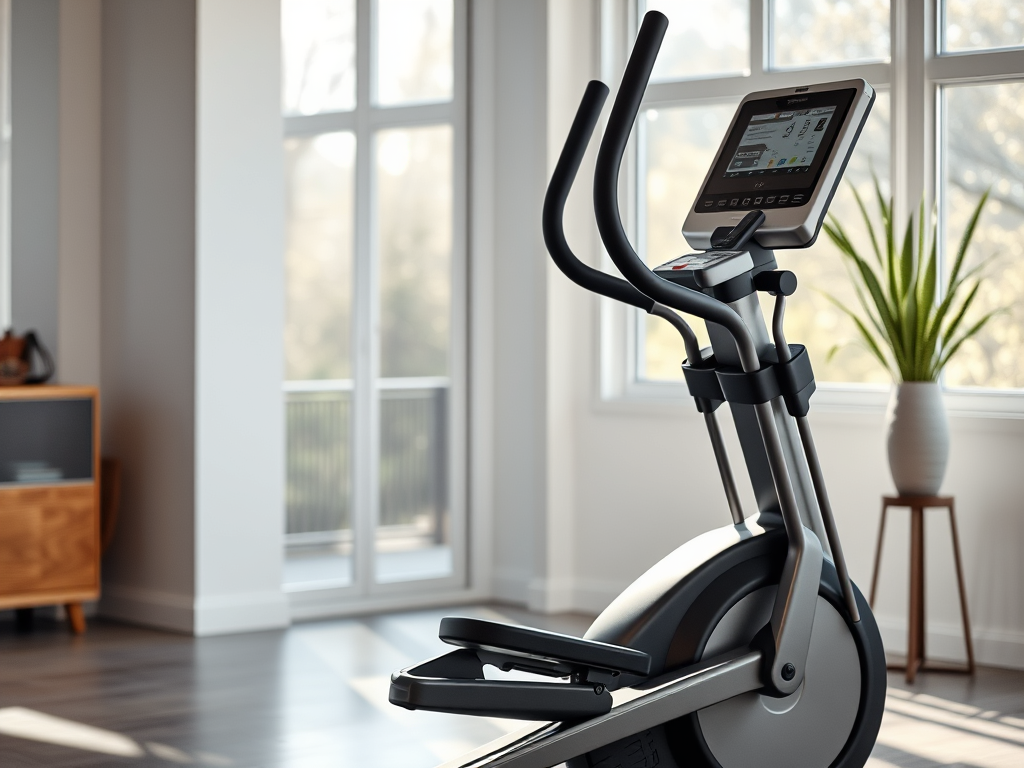
    • Why It’s Great: The elliptical is one of the best low-impact cardio machines available. It mimics running without the pounding on joints, and most models support 300–400 lbs. Handles also add an upper-body component.
    • Pros: Low joint stress, full-body workout, adjustable resistance.
    • Cons: Balance can be tricky at first; taller/bigger men may find stride length too short on cheaper models.
    • Beginner Workout: 10 minutes at a comfortable pace, alternating 1 minute of light resistance with 1 minute at slightly higher resistance.

    2. Rowing Machine (Rower) – High Calorie Burn, Low Impact

    • Why It’s Great: Rowing engages nearly every major muscle group: legs, back, arms, and core. It’s seated, making it joint-friendly, but demands proper form to protect the lower back.
    • Pros: Full-body strength + cardio, high calorie burn, compact design.
    • Cons: Form takes practice; some weight limits are capped at 300–350 lbs.
    • Beginner Workout: 30 seconds rowing, 60 seconds rest — repeat 10 times. Focus on form: drive with legs, hinge at hips, then pull arms.

    3. Treadmill (Walking, Not Running) – Accessible and Familiar

    • Why It’s Great: Walking is natural, familiar, and easy to track. A treadmill makes it possible regardless of weather or terrain. Look for models with 350+ lb capacity and shock absorption.
    • Pros: Accessible, simple to use, incline options boost calorie burn.
    • Cons: Higher impact than elliptical/bike; running is not beginner-friendly at higher weights.
    • Beginner Workout: 15 minutes of walking at 2–3 mph, with 1–2 minutes at a mild incline every 5 minutes.

    4. Recumbent Bike – Comfort First

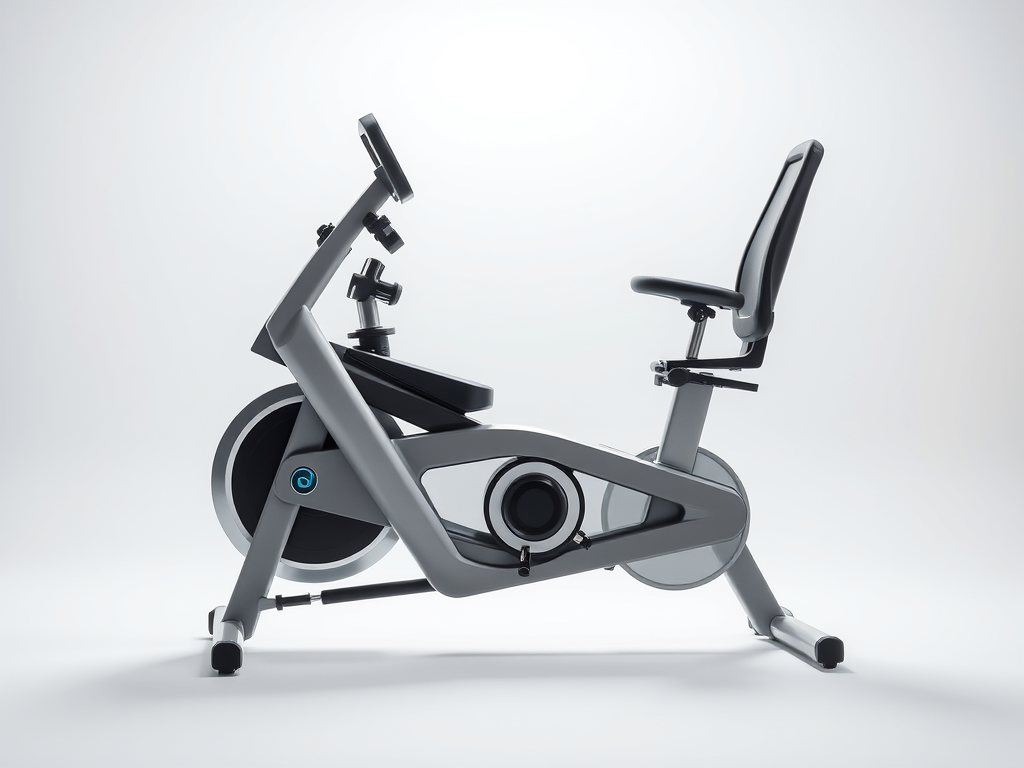
    • Why It’s Great: With its wide seat and reclined position, the recumbent bike is one of the most comfortable cardio machines. It’s excellent for beginners who struggle with joint pain or balance.
    • Pros: Low joint stress, supportive seat, long sessions possible.
    • Cons: Lower calorie burn than standing machines; less full-body engagement.
    • Beginner Workout: 20 minutes of steady cycling, maintaining a pace where you can talk but not sing.

    5. Stair Climber (Advanced Option) – Intense but Effective

    • Why It’s Great: If you want maximum calorie burn in a short time, the stair climber delivers. However, it’s tough on joints and balance, so it’s best introduced later in your journey.
    • Pros: High calorie burn, leg strength development.
    • Cons: Not ideal for very overweight beginners; weight limits may vary.
    • Beginner Workout: 5 minutes at the lowest setting, gradually building to 10–15 minutes.

    Sample Weekly Beginner Cardio Plan

    If you’re just starting out, aim for 3–4 sessions per week, 15–20 minutes each. Here’s a sample rotation:

    • Day 1: Elliptical – 15 minutes alternating easy and moderate resistance.
    • Day 2: Rest or light walking outdoors.
    • Day 3: Rowing – intervals of 30 seconds on, 60 seconds off, 10 rounds.
    • Day 4: Recumbent bike – 20 minutes steady pace.
    • Day 5: Treadmill walk – 15 minutes with mild incline bursts.

    Consistency matters more than intensity in the beginning. Over time, increase your sessions by 5 minutes or add intervals to boost your endurance.


    Related: How to Build a Workout Plan That Works for Your Frame: A Big and Tall Man’s Guide


    The Best Cardio Machine Is the One You’ll Actually Use

    When you’re overweight and starting out, the “best” cardio machine isn’t about what burns the most calories — it’s the one you’ll keep coming back to. Whether it’s the joint-friendly elliptical, the accessible treadmill, or the comfort of the recumbent bike, consistency is what transforms health and fitness.

    Start where you are, respect your body, and choose a machine that makes cardio feel doable, not punishing. Every step, pedal, or row is progress — and that’s what matters most.

  • Strength Training When You Can’t Do Push-Ups Yet: Starting Big

    Strength Training When You Can’t Do Push-Ups Yet: Starting Big

    Push-ups are one of the most iconic exercises in fitness. They show up in gym classes, bootcamps, military training, and almost every “beginner workout” guide online. But here’s the truth: push-ups are not beginner-friendly for everyone.

    If you’re carrying extra weight, dealing with joint limitations, or simply starting from scratch, push-ups can feel nearly impossible. And that’s okay. You don’t need to be able to do push-ups to build serious strength. Strength training is about progression, adaptation, and consistency — not about forcing your body into movements it’s not ready for.

    This guide will show you how to start strength training when you can’t do push-ups (yet), while building the foundation to eventually crush them if you want to.


    Why Push-Ups Feel Impossible (And Why That’s Okay)

    Push-ups require you to lift 60–70% of your bodyweight using just your upper body. For someone at 300 pounds, that’s like bench pressing nearly 200 pounds from day one. Add in wrist strain, shoulder stability, and core engagement, and you’ve got a move that isn’t “easy” — it’s advanced.

    The fitness industry often skips this reality, making many beginners feel discouraged. But here’s the good news: you can train the same muscles (chest, shoulders, triceps, core) with progressions and alternatives until you’re ready.


    Related: How to Modify Classic Exercises for Big and Tall Bodies (Push-Ups, Squats, Planks & More)


    Strength Training Alternatives to Push-Ups

    When push-ups aren’t accessible yet, the goal is to strengthen the same muscle groups in safer, more manageable ways.

    1. Wall Push-Ups

    • Stand arm’s length from a wall and press against it like you would the floor.
    • Adjust distance to make it easier or harder.
    • Builds chest, triceps, and core strength without stressing joints.

    2. Incline Push-Ups

    • Use a sturdy bench, box, or even a kitchen counter.
    • The higher the incline, the easier the push-up.
    • Gradually lower your incline over time as strength improves.

    3. Dumbbell Chest Press

    • Lie on a bench (or the floor if that’s more comfortable).
    • Press dumbbells straight up, then lower slowly.
    • Great for building chest and triceps without supporting your entire bodyweight.

    4. Seated Overhead Press

    • Sit upright and press dumbbells overhead.
    • Trains shoulders and triceps — both crucial for eventual push-up strength.

    5. Plank Progressions

    • Start with incline planks (hands on bench).
    • Aim to hold for 20–30 seconds, gradually building endurance.
    • Focuses on core and shoulder stability.

    Building a Beginner Strength Training Plan (No Push-Ups Required)

    Here’s a simple full-body beginner workout to build strength without push-ups:

    Day 1 – Upper Body Focus

    • Wall or incline push-ups: 3 sets of 8–12
    • Dumbbell chest press: 3 sets of 8–12
    • Seated overhead press: 3 sets of 8–12
    • Band rows or dumbbell rows: 3 sets of 10

    Day 2 – Lower Body Focus

    • Bodyweight squats to a chair: 3 sets of 10
    • Step-ups (low platform): 3 sets of 10 each leg
    • Glute bridges: 3 sets of 12
    • Calf raises: 3 sets of 15

    Day 3 – Core & Stability

    • Incline planks: 3 sets of 20–30 seconds
    • Bird-dogs: 3 sets of 8 each side
    • Side-lying clamshells (for hips): 3 sets of 12
    • Farmer carries (with dumbbells): 3 sets of 20 steps

    Do this 2–3 times per week, resting at least one day between workouts. Progress slowly, focusing on form over speed.


    How to Progress Toward Push-Ups (If You Want To)

    Not everyone needs to do push-ups — but if it’s a personal goal, here’s how to work toward it:

    1. Start with wall push-ups until they feel easy.
    2. Move to incline push-ups (bench, then lower surface).
    3. Add negatives: lower yourself slowly to the floor, then reset from knees.
    4. Try knee push-ups once you’re stronger.
    5. Attempt full push-ups when ready, even if it’s just one rep.

    Progress may take weeks or months — but every rep you do in between builds strength and confidence.


    Key Considerations for Bigger Bodies

    • Joint safety: Protect wrists and shoulders by using neutral-grip dumbbells or push-up handles.
    • Core support: Extra weight means extra demand on your core. Strengthen abs and lower back to prevent strain.
    • Patience is progress: Strength training is about consistency. Even if push-ups aren’t in your routine yet, the work you’re doing is moving you forward.

    Related: How to Train With Joint Pain and Mobility Issues


    Starting Big Is Still Starting Strong

    If you can’t do push-ups yet, you’re not behind — you’re on the path. Real strength training meets you where you are, not where the internet says you “should” be. By focusing on progressive alternatives, protecting your joints, and celebrating small wins, you’ll build lasting strength.

    Push-ups may come later, or they may not matter at all. What matters is that you’ve started. And starting big is still starting strong.

  • Stomach Fat Workouts: What Actually Works (and What Doesn’t)

    Stomach Fat Workouts: What Actually Works (and What Doesn’t)

    If you’ve searched for “stomach fat workout,” you’re not alone. Belly fat is one of the most common concerns for people beginning a fitness journey. Unfortunately, the internet is filled with myths: 100 crunches a day, “one weird trick,” or the idea that a single exercise will melt away fat.

    The truth? Spot reduction is a myth. You can’t burn fat from your stomach by doing ab exercises alone. But you can reduce overall body fat, strengthen your core, and build a fitter physique with the right combination of workouts, nutrition, and recovery. This guide explains what actually works — and what doesn’t.


    Why Belly Fat Is Stubborn

    Belly fat (especially visceral fat, the kind around your organs) tends to be more resistant to loss than fat in other areas. Here’s why:

    • Genetics: Your body decides where to lose fat first — and for many, the stomach is last.
    • Hormones: Stress-driven cortisol and poor sleep can make belly fat more persistent.
    • Lifestyle factors: Sedentary routines and processed diets promote storage around the midsection.

    Knowing this isn’t meant to discourage you — it’s meant to set realistic expectations. You can reduce stomach fat, but it requires a full-body approach.


    What Doesn’t Work for Stomach Fat

    • Crunch marathons: Strengthen abs but won’t burn the fat on top.
    • Spot reduction gadgets: Waist trimmers, “belly blasting” machines, and sweat belts don’t remove fat — they just cause temporary water loss.
    • Only doing cardio: Helpful, but without strength training, your metabolism won’t improve long term.

    Related: Low-Impact Cardio Workouts That Actually Burn Fat (Especially for Plus-Size Men)


    What Does Work for Stomach Fat

    1. Strength Training (2–4x per week)

    Lifting weights builds muscle, and muscle tissue burns more energy even at rest. Compound lifts also torch calories during and after workouts. Focus on:

    • Squats, lunges, and step-ups
    • Deadlifts and hip hinges
    • Bench press, push-ups, and overhead press
    • Pull-ups, rows, or lat pulldowns

    Titan Tip: Add weight or reps gradually. Even a 5-pound increase each week adds up.


    2. Cardio (3–5x per week)

    Cardio helps create the calorie deficit needed for fat loss. Mix steady-state with intervals:

    • Low-impact steady state: 30–45 minutes of brisk walking, swimming, cycling, or elliptical.
    • Intervals (HIIT): 30 seconds of effort (fast walk, row, cycle) + 1–2 minutes easy pace, repeated 8–10 times.

    Why both matter: Steady-state builds endurance and burns fat steadily, while intervals improve conditioning and boost metabolism after exercise.


    3. Core Training (2–3x per week)

    Core exercises won’t directly burn belly fat, but they’ll sculpt the muscles underneath and improve stability, posture, and strength.

    • Plank variations (front, side, shoulder tap)
    • Bird-dogs and dead bugs (great for beginners)
    • Russian twists, cable rotations, or medicine ball throws
    • Farmer’s carries for a functional challenge

    Titan Tip: Increase time under tension instead of just reps. A 60-second plank is tougher — and more effective — than 50 rushed crunches.


    Nutrition: The Real Key to Belly Fat Loss

    Even the best workout won’t reduce stomach fat if nutrition doesn’t align.

    • Calorie balance: You need a slight deficit (burning more than you eat), but not extreme starvation.
    • Protein focus: Aim for 25–30g of protein per meal to support muscle and recovery.
    • Fiber-rich foods: Vegetables, fruits, and whole grains help with satiety and gut health.
    • Cut liquid calories: Sugary drinks, alcohol, and “healthy” juices often stall fat loss.

    Titan Tip: Instead of overhauling your diet overnight, start by changing one habit — like replacing soda with water or adding protein at breakfast.


    Related: Summer Nutrition Tips for Plus Size Men: Fueling Your Fitness Journey in the Heat


    Recovery and Lifestyle Factors

    • Sleep 7–9 hours per night: Lack of sleep raises cortisol and increases belly fat storage.
    • Stress management: Meditation, journaling, or even walking outside lowers stress hormones.
    • Consistency: Sporadic workouts don’t deliver results. Three average weeks beat one “perfect” week followed by burnout.

    A 4-Week Stomach Fat Workout Plan

    Weeks 1–2

    • Day 1: Strength (squats, bench, rows, planks)
    • Day 2: 30-minute brisk walk
    • Day 3: Rest or light stretching
    • Day 4: Strength (deadlifts, push-ups, lat pulldowns, side planks)
    • Day 5: Interval cardio (8 rounds of 30-sec fast / 1-min slow cycling)
    • Day 6: Core circuit (plank, bird-dog, Russian twists) + light walk
    • Day 7: Rest

    Weeks 3–4

    • Increase cardio by 5 minutes each session.
    • Add 1 extra set to strength moves.
    • Progress planks to 45–60 seconds.

    This simple framework balances fat loss, strength, and core training without overwhelming beginners.


    Final Word

    The best “stomach fat workout” isn’t about blasting your abs for hours. It’s about combining strength training, cardio, core stability, nutrition, and recovery into a sustainable routine. That’s what reduces body fat overall — including the belly.

    Forget the quick fixes. Focus on consistent, balanced work, and your stomach fat will decrease as part of a stronger, healthier body transformation.

  • Cardio for Bigger Bodies: How to Build Endurance Without Burning Out

    Cardio for Bigger Bodies: How to Build Endurance Without Burning Out

    For many people starting their fitness journey in a bigger body, the idea of doing “cardio” can feel overwhelming. Running on a treadmill for an hour? Not realistic. Jumping into a high-intensity bootcamp? Likely a recipe for joint pain, exhaustion, or burnout.

    But cardio doesn’t have to mean punishment. Done the right way, it’s one of the most effective tools for building endurance, supporting weight management, and improving long-term health. The key is finding cardio that works with your body, not against it.

    This guide breaks down how bigger guys (and anyone carrying extra weight) can approach cardio with confidence, safety, and a plan that actually sticks.


    Why Cardio Can Feel Tougher in a Bigger Body

    1. Joint Stress
      Carrying more body weight means more load on knees, hips, and ankles during high-impact exercise.
    2. Overheating
      Bigger bodies generate and retain heat differently, making long cardio sessions uncomfortable in hot environments.
    3. Endurance Gaps
      If you’re starting from scratch, stamina takes time to build — and going “all in” too soon can set you back.
    4. Gym Intimidation
      Feeling out of place can make cardio machines or classes more stressful than they need to be.

    Understanding these challenges isn’t about excuses — it’s about setting the stage for smarter, sustainable training.


    Related: How to Train With Joint Pain and Mobility Issues


    Low-Impact Cardio Options That Actually Work

    The best cardio for bigger bodies minimizes joint strain while keeping your heart rate in the right zone. Here are some of the top choices:

    1. Walking (Incline or Outdoors)

    • Easy to start, requires no equipment.
    • Walking at an incline on a treadmill can raise heart rate without pounding joints.
    • Outdoors, choose softer surfaces like trails or tracks to reduce impact.

    2. Swimming or Pool Workouts

    • Provides resistance while supporting body weight.
    • Great for building endurance without stressing joints.
    • Even simple walking laps in the pool count as cardio.

    3. Stationary Bike (Recumbent or Upright)

    • Builds cardiovascular endurance and leg strength.
    • Recumbent bikes provide extra back support and comfort for larger bodies.

    4. Rowing Machine

    • Full-body, low-impact workout.
    • Scales to your fitness level — intensity is controlled by your effort, not speed alone.

    5. Elliptical Trainer

    • Simulates running but with a smooth, gliding motion that reduces joint stress.
    • Many machines allow you to adjust resistance for progressive overload.

    Titan Tip: Start with the cardio option you’re most likely to enjoy. Consistency beats intensity in the long run.


    Related: The Best Cardio Workouts for Bigger Bodies (That Won’t Destroy Your Joints)


    How to Build Endurance Without Burning Out

    Start with Manageable Sessions

    • Begin with 10–15 minutes of low-impact cardio, 3–4 times a week.
    • Gradually increase time by 2–3 minutes each week.

    Focus on Intensity Zones

    • Aim for a pace where you can talk but not sing — this is often called the “conversational zone.”
    • Avoid going “all out” in the early weeks; you’re building a base, not breaking records.

    Mix It Up

    • Rotate between walking, biking, and rowing to prevent overuse injuries.
    • Different modes of cardio keep workouts fresh and target different muscle groups.

    Listen to Your Body

    • Slight soreness is normal; sharp pain is not.
    • If your joints feel beat up, shift to lower-impact options or reduce frequency.

    Sample Beginner Cardio Progression

    Weeks 1–2:

    • 10 minutes walking (flat surface), 3x per week.

    Weeks 3–4:

    • 15 minutes total: 5 walking warm-up + 5 bike + 5 walk cool-down.

    Weeks 5–6:

    • 20 minutes: incline walking or elliptical, 3–4x per week.

    Weeks 7–8:

    • 25–30 minutes mixed cardio (bike, rower, or pool workouts).

    This steady build keeps you consistent while giving your body time to adapt.


    Mindset Matters: Cardio Isn’t Just About Weight Loss

    One of the biggest traps bigger guys fall into is treating cardio as a punishment for eating or as the only path to weight loss. That mindset leads straight to burnout.

    Instead, think of cardio as:

    • Energy training: You’ll notice you can do more in everyday life without getting winded.
    • Heart health investment: Cardio reduces blood pressure, improves cholesterol, and supports longevity.
    • Confidence booster: Each small increase in time or distance is proof of progress.

    Related: Low-Impact Cardio Workouts That Actually Burn Fat (Especially for Plus-Size Men)


    Final Word

    Cardio doesn’t have to mean running until you collapse or pushing through workouts that leave you sore for days. For bigger bodies, smart cardio is about low-impact movement, gradual progression, and consistency over intensity.

    Start where you are, choose the cardio option that feels best, and focus on building up week by week. Before long, you’ll notice not only endurance gains but also a confidence that carries over into every area of life.

  • How to Build Confidence in the Gym When You Feel Like Everyone’s Watching

    How to Build Confidence in the Gym When You Feel Like Everyone’s Watching

    Walking into a gym for the first time — or the first time in a while — can be intimidating. Maybe you’re worried everyone’s watching, or you don’t know what to do with the equipment, or you feel out of place among people who seem more experienced. The truth? Almost everyone has felt that way. Gym confidence isn’t something you’re born with — it’s something you build.

    This guide will show you how to overcome gym anxiety, build confidence step by step, and actually enjoy your workouts.


    Why the Gym Feels Intimidating

    1. Fear of judgment: Worrying others are watching your form, your body, or your pace.
    2. Unfamiliar environment: Machines, free weights, and routines can be confusing if you’re new.
    3. Comparison trap: It’s easy to feel “behind” when you see advanced lifters or super-fit athletes.
    4. Past experiences: A bad gym interaction can make you hesitant to return.

    The first step to building confidence is recognizing that these feelings are normal — and temporary.


    Step 1: Reframe Your Mindset

    • Everyone starts somewhere. Even the strongest lifter in the room had a day one.
    • Most people are focused on themselves. Studies show people in gyms spend far more time thinking about their own workout than looking at others.
    • Your progress is the only progress that matters. Track your growth against yourself, not strangers.

    Titan Tip: Instead of thinking “I don’t belong here,” reframe it as “I’m here to improve, just like everyone else.”


    Related: How to Develop a Champion Mindset for Long-Term Success


    Step 2: Have a Plan Before You Walk In

    Confidence comes from clarity. Wandering around without direction fuels anxiety.

    • Use beginner-friendly programs. Options like StrongLifts 5×5, push-pull splits, or even YouTube tutorials help you know what to do.
    • Write it down. A simple notebook or fitness app keeps you focused and reduces decision fatigue.
    • Start small. Choose 4–6 basic exercises you repeat consistently until you’re comfortable.

    Titan Tip: When you know your next move, you look (and feel) like you belong.


    Step 3: Master the Basics First

    Don’t worry about fancy exercises. Confidence grows fastest when you build competence in foundational movements:

    • Squats (bodyweight → goblet → barbell)
    • Push-ups or bench press
    • Rows or pull-downs
    • Deadlifts (lightweight at first)
    • Planks or core stability work

    These movements train most of your body, and once you’re comfortable with them, you’ll feel at home in almost any gym.


    Step 4: Use the Power of Small Wins

    Confidence is built in layers, just like muscle. Celebrate each step forward:

    • Showing up consistently.
    • Adding 5 pounds to a lift.
    • Jogging one minute longer than last week.
    • Finishing a full program cycle.

    Small wins stack, and over time they transform not just your body but your mindset.


    Related: The Power of Small Wins: Why Micro Goals Lead to Major Changes


    Step 5: Learn the Environment

    Part of gym intimidation is just not knowing the “rules of the room.”

    • Observe gym etiquette. Wipe down equipment, re-rack weights, don’t hog machines.
    • Find quiet hours. Early mornings, mid-afternoons, or late evenings are often less crowded.
    • Ask staff for help. That’s literally what they’re there for.

    The more familiar the space becomes, the less intimidating it feels.


    Step 6: Consider a Support System

    Confidence doesn’t have to be a solo project.

    • Workout buddy: Someone who makes you accountable and less self-conscious.
    • Personal trainer: Even a few sessions can teach form and build comfort.
    • Community: Online forums, fitness apps, or group classes create encouragement.

    When you know you’re not alone, the fear of being judged fades.


    Related: The Power of Accountability: How to Build a Supportive Fitness Community


    Step 7: Focus on Long-Term Growth

    Confidence doesn’t arrive overnight. It’s the result of repeatedly showing up, practicing, and proving to yourself that you can do it.

    • Aim for consistency over perfection.
    • Remember that confidence grows alongside strength and endurance.
    • Revisit your progress every few months — you’ll be surprised how far you’ve come.

    Final Word

    Confidence in the gym isn’t about looking a certain way or lifting the heaviest weights. It’s about showing up, learning, and building belief in yourself over time. Everyone feels uncertain at first — but with a plan, small wins, and consistency, the gym becomes less of a battlefield and more of a place you own.