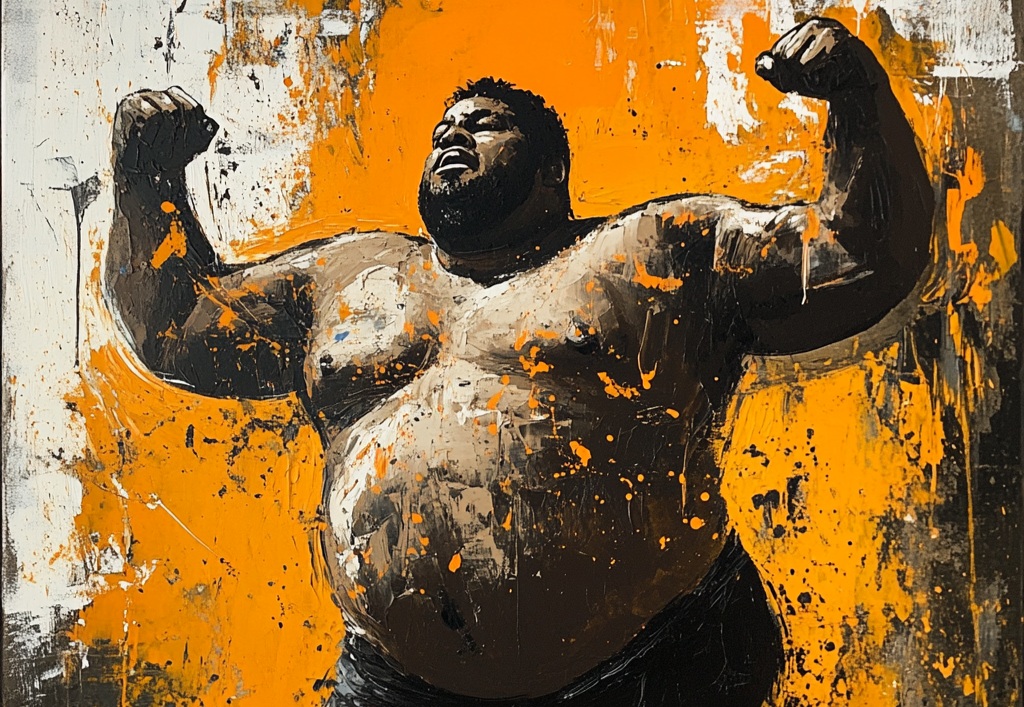
What Is Progressive Overload?
Progressive overload is the principle of gradually increasing the demands on your muscles to build strength, endurance, and size over time. For bigger bodies, applying this concept safely ensures consistent progress while minimizing injury risk.
Why Progressive Overload Matters for Bigger Bodies
If you’re a big and tall lifter or carry more body weight, your joints and muscles already handle additional resistance daily. This makes a structured approach to progressive overload even more essential to prevent overtraining and injuries.
Key Benefits:
- Builds muscle mass and strength efficiently
- Enhances mobility and joint support
- Reduces the risk of plateaus in your training
- Helps improve overall body composition
How to Apply Progressive Overload Safely
1. Increase Weight Gradually
Jumping into heavier weights too soon can strain joints and tendons. Aim for a 2.5–5% increase in weight every 1-2 weeks, depending on how your body responds.
2. Boost Reps or Sets Instead of Weight
If adding weight feels too demanding, increase repetitions or sets instead. This keeps your muscles challenged without risking injury. Example:
- Week 1: 3 sets of 8 reps at 200 lbs
- Week 2: 3 sets of 10 reps at 200 lbs
- Week 3: 4 sets of 8 reps at 200 lbs
Harvard Health: Push Past Your Resistance to Strength Training
3. Slow Down Your Reps (Time Under Tension)
Performing exercises with controlled movements increases muscle activation without needing heavier weights. Try slowing down the eccentric (lowering) phase of lifts for greater muscle stimulation.
4. Improve Range of Motion
For bigger lifters, mobility work is key. Gradually increasing your range of motion in movements like squats and deadlifts ensures steady progress while reducing stiffness and injury risk.
5. Increase Training Frequency
Adding an extra session per week for a muscle group can enhance strength gains. If you typically train legs once per week, increasing to twice per week with moderate volume can promote growth.
6. Use Resistance Bands or Machines for Joint Support
Free weights are great, but incorporating resistance bands or machines can help reduce joint stress while still applying progressive overload. This is especially useful for individuals with knee, hip, or shoulder concerns.
Recovery and Injury Prevention
Listen to Your Body
- If you experience joint pain rather than muscle fatigue, scale back.
- Prioritize proper warm-ups and cooldowns to maintain flexibility.
- Get adequate rest and sleep to support recovery.
Related: How to Train With Joint Pain and Mobility Issues
Keep Pushing, Stay Strong
By applying progressive overload in a structured and safe manner, bigger bodies can continue to build strength without unnecessary strain. The key is consistency, smart progression, and recovery. Stay patient, train smart, and watch your strength reach new heights.
Leave a Reply