If you’re a plus-size guy just getting started on your fitness journey, chances are you’ve Googled “best workout app for beginners” more than once—and probably landed on names like Fitocracy, Strong, and MyFitnessPal. But which one actually supports bigger bodies, real-world consistency, and sustainable progress?
This guide breaks it down—no fluff, no intimidation, just real talk—to help you figure out which fitness app fits your goals (and your body).
Fitocracy, Strong, and MyFitnessPal Overview
App
Best For
What It Lacks
Fitocracy
Gamified workouts + social encouragement
Outdated UI, low activity in 2025
Strong
Simple strength training logging
No real community or coaching
MyFitnessPal
Calorie tracking + food logging
Can trigger obsessive tracking for some
Fitocracy: The OG of Fitness Gamification
Once the king of turning workouts into a game, Fitocracy was all about points, badges, and social challenges. For plus-size beginners, the gamified experience could feel super rewarding—especially if you’re just trying to build a habit.
✅ What works for bigger guys:
Friendly, low-pressure leaderboard system
Encouragement from others who get it (if you can find them)
Challenges that reward consistency, not perfection
❌ Where it falls short in 2025:
Many communities are inactive or ghosted
The app hasn’t been meaningfully updated in years
Lack of structured guidance or progression for heavy lifters
Bottom line: Great if you love point systems and self-motivation—but the lack of updates and community might leave you feeling stuck.
Strong is like the no-BS gym buddy who just wants to log sets and move iron. It’s fast, reliable, and ultra-focused on strength training. If you’re a big guy who’s just starting to get into barbell work or machines, this might be the cleanest experience available.
✅ What works for bigger guys:
Tracks rest time, PRs, and progressive overload
Custom workout builder lets you create joint-friendly routines
Minimal design—no distractions
❌ Where it falls short:
No built-in coaching or guidance
No supportive community or accountability
Purely performance-focused, not holistic
Bottom line: Strong is perfect for tracking progress if you already know what you’re doing—or have a coach helping you behind the scenes.
When it comes to nutrition, MyFitnessPal is still one of the most well-known apps on the planet. It’s got a massive food database, barcode scanning, and calorie/macro tracking—but for bigger guys just starting out, it can feel… overwhelming.
✅ What works for bigger guys:
Easy food logging, including meals from restaurants
Syncs with tons of fitness wearables
Helps build awareness of portion sizes and patterns
❌ Where it falls short:
Can encourage obsessive logging or under-eating
Lacks context for strength goals vs. weight loss goals
Not tailored to plus-size bodies or strength-based progress
Bottom line: A powerful tool—if you use it with the right mindset. Otherwise, it can quickly turn into a mental trap.
If you’re a bigger beginner focused on building confidence, strength, and sustainable habits, here’s the real advice:
Choose Fitocracy if you’re motivated by badges and want a gamified start—but double-check if the community is still active in your niche.
Choose Strong if you’re lifting weights and want to keep it simple and track your numbers—just make sure you have guidance elsewhere.
Choose MyFitnessPal if you want help with nutrition awareness—but stay grounded in body-positivity and avoid hyper-focusing on calorie deficits.
You’re the Variable That Matters Most
Apps are tools—not magic wands. No app can guarantee transformation. What does move the needle is showing up, staying consistent, and building a mindset that supports your body at every stage.
Whether you use Fitocracy, Strong, MyFitnessPal—or none of the above—the key is to stay connected to your “why” and surround yourself with resources that actually serve your lifestyle.
Why Weightlifting Is a Game-Changer for Plus-Size Men
If you’re a plus-size man and thinking about starting your fitness journey, weightlifting might just be your best move. Forget the myths—weightlifting isn’t just for bodybuilders or gym rats. It’s one of the most empowering and accessible ways to build strength, improve mobility, boost confidence, and burn fat effectively. And yes, it’s 100% for you.
In this guide, we’ll break down weightlifting for beginners, tailored specifically for plus-size men—no intimidation, no fluff, just real strategies to help you lift smart, feel strong, and stay motivated.
1. Start with a Plus-Size Friendly Mindset
Before you touch a dumbbell, understand this: fitness is not about shrinking yourself. It’s about building yourself up—stronger joints, a healthier heart, better sleep, and increased confidence. Weightlifting is your tool, not your punishment.
❌ Myth 1: “I need to lose weight before lifting.” ✅ Truth: Lifting helps with fat loss and body composition.
❌ Myth 2: “I’ll get bulky.” ✅ Truth: Strength training will help you tone and tighten, not balloon up overnight.
6. Stay Motivated: Fitness Is a Lifestyle, Not a Phase
Progress might be slow at first—and that’s okay. Celebrate small wins: completing a workout, lifting more than last week, feeling less winded. These moments matter.
Create a routine that supports sustainable results. Pair your workouts with healthy meals, quality sleep, and regular check-ins with yourself.
Your Fitness Journey Starts Here—And It Starts Strong
Starting a weightlifting routine as a plus-size beginner is a powerful act of self-care. You’re not just transforming your body—you’re reclaiming your strength, your energy, and your confidence.
So grab those weights, start where you are, and build your strength—rep by rep.
Updated May 7, 2025:Since its initial release, Fitocracy has seen several changes, and the fitness app landscape has evolved significantly. In this updated version of our review, we dive into what’s new with Fitocracy in 2025, including the app’s current features, its shift away from community engagement, and the rise of more inclusive fitness platforms. We also explore the growing demand for apps that cater to people of all body types and fitness levels, offering alternatives to Fitocracy that may better align with your goals for real progress, not pressure. Whether you’re looking for motivation through gamification or seeking a more supportive and body-positive environment, this guide will help you decide if Fitocracy is still worth it in 2025 or if there’s a better fit for your fitness journey.
If you’re a bigger guy trying to get healthier in 2025, you’re probably sick of apps and fitness communities that don’t actually get you. They push six-pack dreams, diet culture, and unrealistic expectations. So where does that leave platforms like Fitocracy, the once-popular app that gamified fitness?
Let’s break down whether Fitocracy is still worth your time in 2025—especially if you’re tired of being overlooked and just want real progress.
What Is Fitocracy? A Blast From the Past
Fitocracy launched over a decade ago as a social fitness app that Fitocracy was a pioneer when it launched over a decade ago. It was marketed as a social fitness app designed to gamify your workouts. Picture this: you log your exercise sessions, earn points, level up, and unlock achievements. Sounds fun, right? It was like turning your fitness routine into an RPG, but with dumbbells instead of dragons.
The app became a go-to for fitness enthusiasts who wanted to stay motivated and accountable. Fitocracy combined:
Workout tracking: Log your exercises, sets, and reps to keep tabs on your progress.
Community engagement: Connect with others through forums, challenges, and social encouragement.
Gamification: Get rewarded with points, badges, and levels to keep the motivation high.
At its peak, Fitocracy wasn’t just an app—it was a thriving community. People would cheer each other on, share tips, and celebrate milestones. But, as is the case with many apps, things started to slow down. The user base decreased, updates were few and far between, and many of the forums and social features lost their spark. So, what’s left in 2025?
The Evolution of Fitness Apps: How Fitocracy Fits Into the Bigger Picture
In the last decade, the landscape of fitness apps has evolved significantly. With the rise of health tracking, virtual coaching, and specialized communities, it’s essential to look at how Fitocracy compares to newer platforms. Apps like Peloton, Strava, and Fitbit have taken a more comprehensive approach by integrating live classes, social interaction, and community support. Fitocracy’s legacy—a focus on gamification and community-based progress tracking—pioneered an idea, but it hasn’t kept up with these evolving trends.
What Fitocracy Offers Today (And Where It Falls Short)
Today, Fitocracy still exists. You can still log workouts, join challenges, and message people. But let’s be honest—it feels like a gIn 2025, Fitocracy is still around, but it’s not the vibrant platform it once was. Yes, you can log your workouts, join a few challenges, and message other users, but if you’re looking for a truly engaging experience, it might feel like a bit of a ghost town. The core features haven’t evolved significantly, and many of the original users have moved on.
Pros:
Gamification still works for some: If you enjoy earning points and leveling up, Fitocracy’s gamified structure can still be motivating.
Workout tracking is decent: It still tracks your exercises and can help keep you on top of your workouts.
Niche coaching options: There are still some coaching options available, especially for those who enjoy the self-guided route.
Cons:
Outdated interface: The app feels like it’s stuck in the past, and the user experience doesn’t align with modern fitness apps.host town. The core features haven’t been updated significantly, and many of the original users have moved on.
Community vibe has almost vanished: The forums are nearly empty, and interactions with other users are rare.
Limited body-inclusive language and support: Fitocracy hasn’t evolved much in terms of inclusive language or beginner-friendly advice.
Lack of accountability and coaching: If you need constant support or personalized coaching, Fitocracy is not ideal.
Fitness Gamification: Does It Actually Work?
Gamification is at the heart of Fitocracy’s appeal, but does it really work? Research shows that gamifying fitness can help some people stay motivated, but others find it doesn’t lead to lasting habits. This section can explore the psychological aspect of gamification in fitness apps.
Discuss studies or opinions about how gamification works in health and fitness.
Mention apps that use gamification well and how it’s adapted to fit more modern needs.
Real Talk: Fitocracy vs Alternatives
Here’s how Fitocracy stacks up today against other options:
Feature
Fitocracy
Strong
MyFitnessPal
Community Support
❌ Declined
❌ None
⚠️ Generic
Gamification
✅ Yes
❌
❌
Progress Tracking
⚠️ Basic
✅ Advanced
✅ Decent
Beginner-Friendly
⚠️ Mid
✅
⚠️ Mid
Body-Inclusive
❌ No
❌ No
❌ No
Legend: ✅ = Strong | ⚠️ = Average | ❌ = Lacking
Community Support: While Fitocracy once thrived with social interaction, it now feels abandoned. Apps like MyFitnessPal offer a more active community, though still generic.
Gamification: Fitocracy still offers the gamification aspect, but MyFitnessPal and Strong focus more on straightforward fitness tracking.
Progress Tracking: Fitocracy’s tracking is basic, with MyFitnessPal offering more advanced analytics. Strong provides solid tracking for strength training.
Beginner-Friendly: Fitocracy and Strong cater well to intermediate users, while MyFitnessPal offers more beginner-friendly resources.
How Fitocracy Stacks Up in Terms of Fitness Goals: Weight Loss, Strength, and Overall Health
Everyone has different fitness goals—whether it’s weight loss, building strength, or improving cardiovascular health. In this section, you can go into detail about which types of goals Fitocracy supports and where it falls short.
For example:
Weight Loss: Fitocracy’s focus on tracking workouts is great for calories burned, but it doesn’t offer the advanced nutrition tracking that newer apps provide.
Strength Training: While Fitocracy offers some progress tracking, apps like Strong provide more targeted support for weightlifters, tracking sets, reps, and rest time more effectively.
So, Is Fitocracy Still Worth It?
If you’re a tech-savvy lifter who likes gamification and doesn’t If you’re tech-savvy and enjoy the gamified aspect of fitness, Fitocracy might still work for you. It can be a fun way to track workouts and level up, especially if you don’t need a community or personalized coaching.
But here’s the real question: If you’re looking for something more than just points and badges—something that helps you feel seen, supported, and genuinely progressing—then Fitocracy is probably not the app you need in 2025.
What to Look for in a Fitness App in 2025
If you’re done with the pressure, shame spirals, and one-size-fits-all advice, it’s time to find an app that truly understands you. You deserve a platform that:
Supports bigger bodies: Look for apps that promote body inclusivity and don’t push unrealistic goals.
Offers real accountability: You need support beyond a like or an upvote. Look for apps that offer personalized coaching, progress tracking, and clear steps.
Provides genuine progress: Fitness should be about real, measurable progress—not chasing unrealistic ideals. Find platforms that focus on what truly matters: your growth.
What Are the Best Alternatives to Fitocracy for Bigger Guys?
If you’re not sure if Fitocracy fits your needs in 2025, there are plenty of alternatives that cater to people looking for inclusivity, support, and realistic goals. Here’s a breakdown of some of the best fitness apps for bigger guys:
MyFitnessPal: A comprehensive calorie tracker with community support.
Strong: A great app for weight training, progress tracking, and beginners.
Nike Training Club: Offers a wide range of workouts, including body-positive, beginner-friendly programs.
JEFIT: A well-rounded app for strength training with extensive exercise libraries.
Frequently Asked Questions About Fitocracy and Fitness Apps
Another SEO-boosting section that adds value and relevance is an FAQ. People often search for specific questions, and addressing them directly in your post can help you rank for those queries. Some FAQ suggestions:
Is Fitocracy free? Fitocracy offers a basic version for free, but premium features require a subscription.
Can Fitocracy help me lose weight? Fitocracy can help you track workouts, but it doesn’t offer specialized features for weight loss like some other apps (e.g., nutrition tracking, meal planning).
Are there any body-positive fitness apps? Yes, there are several apps like Nike Training Club and JEFIT that offer inclusive workouts and community support for all body types.
Ready for Something That Actually Moves the Needle?
If you’re done with the shame spirals, the silent forums, and the one-size-fits-all advice, we’ve built something better.
The truth is, your fitness journey deserves a space that respects your body, your mindset, and your pace. Whether that’s with us or somewhere else, don’t settle for being overlooked. You deserve better.
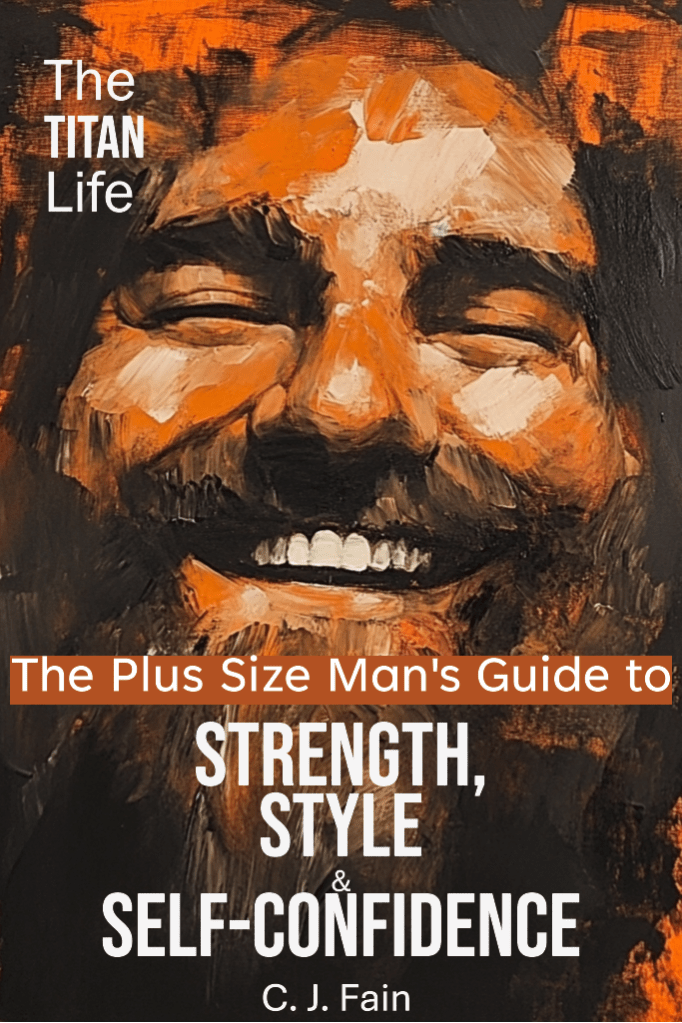
Introducing The Titan Life: The Plus Size Man’s Guide to Strength, Style, & Self-Confidence
We’re proud to announce the launch of The Titan Life, a new eBook created specifically for plus-size men who are ready to reclaim their strength, confidence, and style — without shrinking themselves to fit anyone else’s standards.
This isn’t your typical fitness guide. It’s a mindset shift. A performance plan. A confidence boost. A lifestyle.
Whether you’re just getting started or coming back after a break, this book meets you where you are — and helps you move forward with intention.
What’s Inside the Book
The Titan Life is packed with real, practical guidance for plus-size men who want to build a better relationship with fitness, nutrition, style, and self-respect. Inside, you’ll find:
Fitness routines tailored for bigger bodies
Joint-friendly workout modifications
Nutrition tips without the crash-diet nonsense
Style advice for confidence and comfort
Mental strategies for long-term motivation
A 30-day kickstart plan with printable tools
You’ll also hear from other plus-size men who are redefining what strength looks like — and how community support changes everything.
Get Chapter One for Free
To celebrate the launch, we’re offering Chapter One: “Building a Fitness Routine That Works for You” completely free.
In this chapter, you’ll learn:
Why most fitness plans fail plus-size men
How to start strong with bodyweight, pool, and resistance band workouts
There are endless fitness guides out there — but almost none written by and for men with bigger builds. This book was born from frustration with generic advice and unrealistic standards. It’s about giving men the tools to move, eat, and live in a way that works for them — no shrinking required.
It’s not about perfection. It’s about progress. Not about fitting in. About standing out.
Want the Full Book?
If you love Chapter One, the full eBook is available now. It’s over 9,500 words of no-nonsense support, strategies, and tools — plus worksheets, trackers, and a 30-day plan to help you take action.
Whether you’re showing up at the gym, walking the block, cooking a better meal, or just learning how to feel good in your skin, this guide is here to walk with you.
Resistance bands offer a joint-friendly, low-impact way to build strength and improve mobility. They’re portable, versatile, and scalable — making them perfect for plus-size men looking to get stronger without stressing the joints. Whether you’re new to fitness or getting back into a routine, band-based training helps develop muscle and coordination while reducing injury risk.
1. Banded Squats
What It Targets: Glutes, quads, hamstrings, and core stability How to Do It:
Stand on the middle of the resistance band with feet shoulder-width apart
Hold the handles or ends at shoulder height
Slowly lower into a squat, keeping your chest up and knees tracking outward
Press back up through your heels Reps: 3 sets of 10–12
Looking to shed fat and build strength without wrecking your knees? High-Intensity Interval Training (HIIT) doesn’t have to mean burpees and box jumps. If you’re a plus size man who wants to get results without joint pain, low-impact HIIT is the perfect solution. In this guide, we’ll break down everything you need to know — including the best exercises and how to do them safely.
Why Low-Impact HIIT Works for Plus Size Men
Low-impact HIIT delivers serious fat-burning potential with shorter, more manageable workouts. It alternates between bursts of effort and rest, keeping your heart rate high without putting too much stress on your joints.
You don’t need to punish your body to get fit. With these low-impact HIIT workouts, plus size men can lose fat, build strength, and feel more confident — all while keeping knees and joints safe. Start slow, stay consistent, and the results will follow.
When it comes to fitness goals, most people focus on lifting heavier weights, running faster, or dropping pounds. But for plus-size men, there’s a game-changing piece of the puzzle that often gets overlooked: flexibility and mobility.
Building strength is important—but maintaining ease of movement, joint health, and injury prevention is just as crucial. Whether the goal is to perform better in workouts or simply feel better day-to-day, improving mobility can have a massive impact.
What’s the Difference Between Flexibility and Mobility?
Understanding the distinction can help tailor the right exercises for better results:
Flexibility is the ability of muscles to lengthen.
Mobility is how well a joint moves through its full range of motion.
For example, being able to touch the toes involves flexibility in the hamstrings, while being able to squat low without pain requires good ankle, knee, and hip mobility.
Why Flexibility and Mobility Matter for Bigger Bodies
Plus-size men may experience increased pressure on joints and a higher risk of muscular imbalances due to carrying more weight. Incorporating flexibility and mobility training can:
Reduce joint pain, especially in the knees, hips, and lower back
Improve posture, which helps during strength training
Increase range of motion, allowing for better exercise form
Prevent injuries, by preparing the body for physical activity
Boost everyday performance, from walking to tying shoes comfortably
5 Simple Flexibility and Mobility Moves to Start With
These exercises are beginner-friendly and can be done at home or at the gym. Focus on slow, controlled movement and deep breathing.
1. Cat-Cow Stretch (Spinal Mobility)
Start on hands and knees. Arch the back up (like a cat) then slowly dip the belly and lift the chest (like a cow). Reps: 10–12 Tip: Move with the breath to release tension in the spine.
2. Hip Flexor Stretch (Hip Mobility)
Kneel with one foot forward and gently push the hips forward while keeping the chest tall. Hold: 30 seconds each side Tip: Keep the back glute engaged to protect the lower back.
3. Child’s Pose (Lower Back & Shoulder Flexibility)
From hands and knees, sit the hips back toward the heels and stretch the arms forward. Hold: 30–60 seconds Tip: Use a cushion under the chest if needed for comfort.
4. Standing Hamstring Stretch
Place one heel on a low step, straighten the leg, and gently hinge forward from the hips. Hold: 20–30 seconds each leg Tip: Keep the spine long and avoid rounding the back.
5. Ankle Circles (Ankle Mobility)
Lift one foot slightly off the ground and slowly rotate the ankle in big circles. Reps: 10 each direction, each foot Tip: Do this seated or standing with support for balance.
For best results, aim for at least 10 minutes a day, or incorporate mobility work into warm-ups and cool-downs during workouts. The key is consistency—not intensity.
Supportive Tools for Mobility Training
Consider adding the following to your routine:
Foam rollers for myofascial release
Resistance bands for assisted stretches
Yoga blocks or bolsters for support
Comfortable workout clothing that allows free movement
Move Better, Feel Better
Improved flexibility and mobility don’t just help during workouts—they make everyday life easier. For plus-size men, a consistent mobility routine is one of the most powerful ways to build a stronger, pain-free body and create long-term progress.
As the temperature rises and summer approaches, it’s the perfect time to focus on improving your nutrition and gearing up for outdoor activities. For plus-size men, the summer season offers a unique opportunity to reset, refocus, and fuel your body in ways that support both your fitness goals and overall health.
Nutrition plays a pivotal role in maintaining energy, supporting muscle growth, and aiding weight management, especially when temperatures soar. Whether you’re planning on taking your workouts outdoors, enjoying beach days, or simply focusing on feeling good in your own skin, these summer nutrition tips for plus-size men will help you stay hydrated, energized, and healthy all season long.
Why Nutrition Matters During the Summer
Summer brings a mix of outdoor activities, increased exercise routines, and warmer temperatures. For plus-size men, it’s essential to adjust your nutrition to account for heat, higher activity levels, and hydration needs. Eating the right foods will ensure you’re fueling your body properly, while keeping you cool, energized, and on track with your goals.
During the summer months, it’s not just about eating the right foods—it’s about staying hydrated, choosing lighter meals, and focusing on nutrient-dense foods that will keep you feeling energized during your workouts or outdoor adventures. Here’s how to make the most of summer nutrition.
Stay Hydrated with Water-Rich Foods As temperatures climb, staying hydrated becomes even more critical. Dehydration can leave you feeling sluggish, hinder workout performance, and even impact digestion. To keep your body cool and your energy high, incorporate hydrating foods into your diet, such as cucumbers, watermelon, and citrus fruits. These foods are not only packed with water, but they also provide essential vitamins and antioxidants that support your body in the heat. Hydrating Foods for Summer:
Watermelon
Cucumbers
Oranges and grapefruits
Strawberries
Celery
Tomatoes
Focus on Lean Protein to Fuel Outdoor Activities Summer is the perfect time to enjoy activities like hiking, swimming, and outdoor sports. Fueling your body with lean proteins ensures you have the strength and endurance for these activities. Plus, protein helps with muscle recovery, so you’re ready for your next adventure. Opt for lighter protein sources like grilled chicken, turkey, tofu, and fish, which are easy to prepare and great for your summer fitness goals. Lean Protein Sources for Summer:
Grilled chicken or turkey breast
Grilled fish (salmon, tuna, tilapia)
Plant-based protein (tofu, tempeh, lentils)
Eggs and egg whites
Greek yogurt
Load Up on Fiber for Satiety and Digestion Hot weather means lighter meals, but that doesn’t mean you should skimp on fiber. Fiber-rich foods help with digestion, maintain fullness, and support weight loss, all of which are important as you move through the summer months. Fruits, vegetables, legumes, and whole grains should make up the bulk of your meals. High-Fiber Foods to Enjoy This Summer:
Fresh greens (spinach, arugula, kale)
Berries (blueberries, blackberries, raspberries)
Summer squash and zucchini
Whole grains (quinoa, brown rice, oats)
Beans and legumes (chickpeas, black beans, lentils)
Enjoy Light, Low-Glycemic Carbs for Sustained Energy With more outdoor workouts and summer activities, it’s important to fuel your body with low-glycemic carbohydrates that provide long-lasting energy without spikes in blood sugar. Carbs like sweet potatoes, quinoa, and whole grains will keep you energized throughout the day, while avoiding the crash that comes from simple sugars and processed foods. Best Low-Glycemic Carbs for Plus Size Men:
Opt for Lighter, Grilled Meals Summer is the perfect time to take advantage of the grill. Grilled meals are typically lighter and healthier, as they require less oil and fat than traditional cooking methods. Grilling lean proteins like chicken, fish, or even vegetables adds a smoky flavor while keeping meals satisfying but light. You can pair grilled foods with fresh salads, veggie kabobs, and whole grains for balanced meals that won’t leave you feeling sluggish. Grilled Meal Ideas for Summer:
Grilled chicken or turkey breast with a side of quinoa and grilled vegetables
Grilled salmon with a fresh cucumber and tomato salad
Grilled veggie skewers with a side of whole wheat couscous
Grilled shrimp with a spinach and avocado salad
Practice Portion Control with Seasonal Produce Summer brings an abundance of fresh produce, making it easy to eat nutrient-dense meals without overloading on calories. Take advantage of seasonal fruits and vegetables, which can help you manage portion sizes while still giving you a variety of flavors and nutrients. Eating fresh salads with colorful vegetables, fruit smoothies, or homemade salsas will ensure you stay satisfied and nourished. Seasonal Produce to Incorporate:
Berries (blueberries, raspberries, strawberries)
Tomatoes, cucumbers, and bell peppers
Peaches, plums, and nectarines
Leafy greens (lettuce, spinach, arugula)
Fresh herbs (mint, basil, cilantro)
Enjoy Cool, Refreshing Snacks Summer is the season for enjoying cool, refreshing snacks. Swap heavy, high-calorie snacks for light, nutrient-dense options. Try fresh fruit popsicles, frozen yogurt, or veggie sticks with hummus for a satisfying treat. These options are hydrating, low in calories, and packed with vitamins and minerals. Healthy Summer Snack Ideas:
Frozen fruit popsicles made from blended berries and coconut water
Cucumber slices with a sprinkle of sea salt
Greek yogurt with honey and mixed berries
Carrot and celery sticks with hummus
Sliced watermelon with a dash of chili powder
Sample Summer Meal Plan for Plus Size Men
Breakfast:
Smoothie made with spinach, berries, Greek yogurt, and almond milk
1 slice of whole-grain toast with avocado
Lunch:
Grilled chicken salad with mixed greens, tomatoes, cucumbers, and olive oil dressing
A small serving of quinoa
Snack:
A handful of strawberries with a spoonful of peanut butter
Dinner:
Grilled salmon with roasted sweet potatoes and a side of grilled asparagus
Snack (Optional):
Fresh fruit popsicle or a small bowl of Greek yogurt
Summer is a great time to optimize your nutrition and fuel your body with fresh, hydrating, and energizing foods. By focusing on lean proteins, fiber-rich vegetables, whole grains, and hydration, you’ll support your fitness goals and feel your best all season long. Enjoy the summer months by making healthier food choices that will keep you active, confident, and ready to take on any adventure.
Joint pain—especially in the knees—can make traditional workouts feel like a challenge. But building strength and improving overall fitness is still possible with the right exercises. This guide breaks down low-impact, knee-friendly full-body workouts that skip the squats and still deliver real results.
Why Avoid Squats?
Squats are a staple in many training plans, but they place significant stress on the knees. For individuals with knee issues or joint discomfort, repeated squatting can lead to inflammation, stiffness, and long-term damage. That doesn’t mean strength training is off the table—it just means adjusting the approach.
Best Full-Body Exercises That Don’t Strain the Knees
These exercises target major muscle groups while keeping pressure off sensitive joints. Use resistance bands, dumbbells, or bodyweight to increase the challenge as needed.
1. Glute Bridges
Targets: Glutes, hamstrings, core How to do it:
Lie flat on the floor with knees bent and feet flat.
Press through the heels to lift hips until your body forms a straight line from shoulders to knees.
Hold for 2 seconds, then lower slowly. Why it works: Builds lower body strength without bending the knees under load.
2. Seated Overhead Dumbbell Press
Targets: Shoulders, upper chest, triceps How to do it:
Sit on a bench or sturdy chair.
Hold dumbbells at shoulder height, palms facing forward.
Press upward until arms are fully extended, then lower slowly. Why it works: Strengthens the upper body while keeping knees relaxed and stationary.
Stand tall, grip handles, and pull back with elbows tucked.
Squeeze shoulder blades together, then release with control. Why it works: Improves posture and back strength with zero knee involvement.
4. Dead Bugs
Targets: Core, hip flexors, coordination How to do it:
Lie on your back with arms extended toward the ceiling and knees bent at 90°.
Slowly lower one arm and the opposite leg toward the floor while keeping the core tight.
Return to start and repeat on the other side. Why it works: Excellent core engagement with no weight-bearing on the knees.
5. Wall Push-Ups
Targets: Chest, triceps, shoulders How to do it:
Stand a few feet from a wall and place your hands against it at chest height.
Lower your body toward the wall, then push back. Why it works: A great push-up variation that supports joint health and builds upper body strength.
Titan Tips for Knee-Friendly Training
Warm up thoroughly with light cardio and mobility drills.
Use supportive footwear or exercise on padded flooring.
Avoid sudden pivots or high-impact movements.
Incorporate stretching and foam rolling to ease joint tension.
Listen to the body. Pain is a signal—not a challenge.
Keep Building Without the Burn
Joint pain doesn’t need to be a roadblock to fitness. With the right modifications, full-body strength and mobility can still be achieved—no squats required. Stick with low-impact exercises that challenge the muscles while protecting the knees, and progress will follow.
Spring is the ideal time to begin building momentum toward summer fitness goals. Waiting until June can lead to rushed decisions, burnout, or unsustainable crash programs. Instead, a 60-day jumpstart offers a gradual, realistic approach that emphasizes movement, strength, and overall well-being — especially for plus-size men who want to feel confident and energized by the time summer rolls around.
This 60-day guide isn’t about achieving an unrealistic “beach body.” It’s about creating a foundation of strength, consistency, and confidence using accessible workouts tailored to larger frames. The focus is on low-impact movements that are joint-friendly, effective, and scalable — no gym membership required.
Weekly Format Overview
Days 1–4: Low-impact strength and cardio workouts
Day 5: Stretch and recovery
Day 6: Optional light activity (walk, swim, etc.)
Day 7: Full rest or active rest
Core Workouts Explained
Each of the following workouts will be used throughout the 60-day program on a rotating basis.
1. Chair Squats
Targets: Glutes, quads, hamstrings How to Do It:
Stand with feet shoulder-width apart in front of a sturdy chair.
Lower the hips back as if sitting, keeping knees behind the toes.
Lightly tap the chair with the glutes, then rise back up.
Start with: 3 sets of 10 reps
Why it works: Builds leg strength with joint-friendly support.
2. Wall Push-Ups
Targets: Chest, shoulders, triceps How to Do It:
Stand arm’s length from a wall.
Place palms on the wall at shoulder height.
Lower the body toward the wall, keeping elbows tucked slightly.
Push back to start position.
Start with: 3 sets of 12 reps
Why it works: Great for building upper body strength without stressing the joints.
3. Seated Overhead Press (With Dumbbells or Water Bottles)
Targets: Shoulders, upper back How to Do It:
Sit upright in a chair with weights in each hand.
Press both arms overhead without locking elbows.
Lower back down to shoulder height.
Start with: 3 sets of 8–10 reps
Why it works: Builds posture and shoulder stability, great for bigger frames.
4. Step-Ups (Low Step or Stair)
Targets: Legs, glutes, core How to Do It:
Use a low platform or bottom stair.
Step up with the right foot, then bring the left foot to meet it.
Step back down and repeat on the other side.
Start with: 2 sets of 8 reps per leg
Why it works: Strengthens lower body and improves balance.
5. March in Place (Cardio Finisher)
Targets: Cardio, hip mobility, endurance How to Do It:
March in place, raising knees to a comfortable height.
Swing arms naturally.
Keep breathing steady and maintain pace.
Start with: 2–3 rounds of 1-minute marching with 30 seconds rest
Why it works: Boosts heart rate safely for plus-size beginners.
Flexibility & Recovery Focus
Gentle Seated Stretch Routine
Neck rolls
Shoulder rolls
Seated forward fold
Ankle circles
Do for 5–10 minutes on rest days to improve recovery and prevent soreness.
Nutrition Tips for Plus-Size Men During This Plan
Focus on high-protein meals to support muscle repair.
Stay hydrated, especially during workouts.
Don’t skip meals — fuel the body to encourage sustainable fat loss.
This isn’t just about looking better for summer. It’s about feeling stronger, more confident, and more capable every day. The habits built now will extend into the warmer months — and beyond.
Build a Stronger Summer, Starting Today
This 60-day jumpstart proves that progress doesn’t require extremes — just commitment. Designed specifically with plus-size men in mind, it emphasizes safety, sustainability, and empowerment. Show up daily, move with purpose, and get stronger for the season ahead.