Tag: fitness

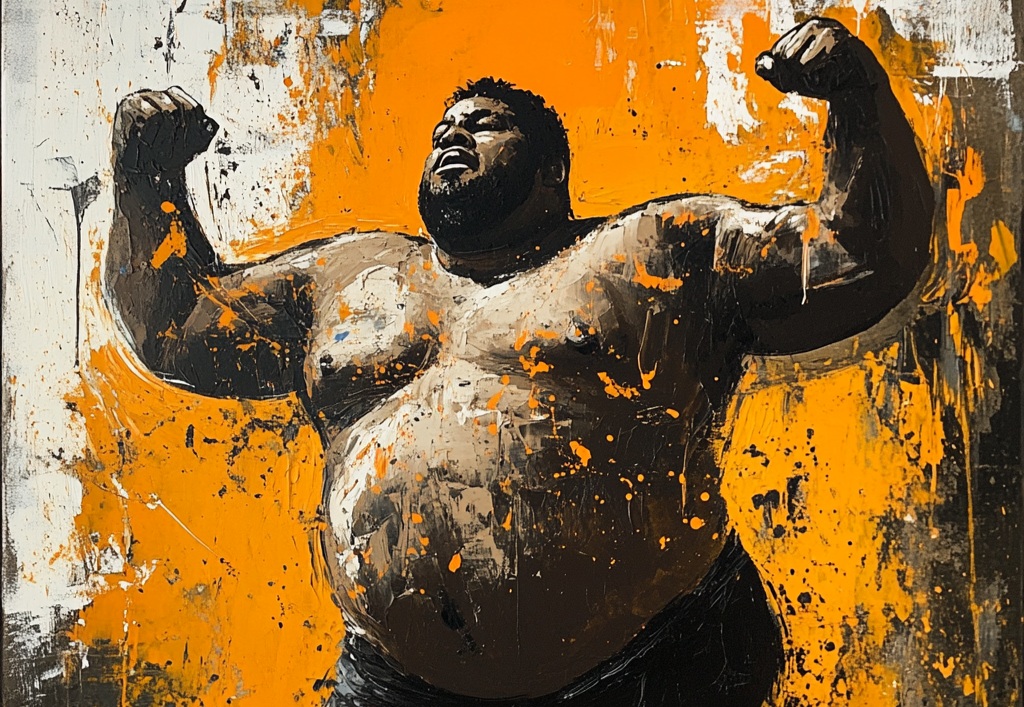
  • The Big Guy Advantage: Why Your Size Is a Superpower

    The Big Guy Advantage: Why Your Size Is a Superpower

    In a world that often glorifies being small, lean, and sleek, it’s easy for bigger guys to feel like their size is more of a disadvantage than an asset. But here’s the truth: your size is a superpower—not a hindrance. Whether you’re tall, broad, or simply larger than the average guy, your body has strengths that others don’t. It’s time to embrace your stature and use it to your advantage, both physically and mentally.

    This blog will help you understand how to shift your perspective, find confidence in your frame, and use your size as a tool to build the life you deserve.


    1. Your Size Demands Attention — Use It Wisely

    One of the first things people notice when you walk into a room is your size. And that’s not something to shrink away from. Whether you realize it or not, your presence already speaks volumes. This natural gravitas is something smaller individuals work hard to create, but you’ve got it effortlessly.

    How to Harness It:

    • Posture: Stand tall and exude confidence. Your height gives you a commanding presence, so use it to your advantage. Maintain strong posture to show you’re comfortable in your skin.
    • Body Language: Big guys often have more expansive body language. Use it! Open gestures, a firm handshake, and eye contact are powerful tools that leave an impression of confidence and control.

    2. Bigger Frames Are Stronger — Build on That Power

    Your body naturally carries more muscle, especially in your chest, shoulders, and legs. This is a huge advantage, whether you’re lifting weights or taking on physically demanding tasks. Strength isn’t just physical—it also contributes to mental toughness.

    How to Harness It:

    • Strength Training: Use your natural muscle-building advantage by incorporating strength training into your routine. Exercises like squats, deadlifts, and bench presses can take your workouts to the next level.
    • Endurance & Power: Building on your strength will improve not only your muscle tone but also your stamina and energy levels. This gives you a mental edge in tackling challenges, both in and out of the gym.

    Related: The Ultimate Guide to Strength Training for Bigger Bodies


    3. Your Size Is a Barrier to Stress

    It’s scientifically proven that being taller or more physically imposing can offer a buffer when it comes to stress levels. Big and tall men often face fewer external challenges when navigating tight spaces or feeling overlooked—simply because their presence is commanding.

    How to Harness It:

    • Physical Presence in Stressful Situations: Embrace your size in situations that require confidence, like public speaking, negotiating, or any scenario where being assertive is key.
    • Relaxation: Use your natural physicality to practice stress-relieving activities like stretching, yoga, or even heavy lifting. Your body’s built to take on more, and finding ways to relax it can help improve mental resilience.

    4. Big Men Often Have Big Hearts: Empathy Is Your Superpower

    There’s something magnetic about a big guy with a big heart. Your frame makes people take notice, but it’s your personality that leaves the lasting impression. Often, big and tall men are perceived as more approachable, especially when they balance their physical presence with warmth and empathy.

    How to Harness It:

    • Kindness and Confidence Go Hand-in-Hand: Use your presence to stand out, but also use it to lift others up. Practice active listening and offer help where you can. Your genuine care makes you more relatable.
    • Leadership: Whether at work, in your community, or in personal relationships, this blend of confidence and empathy will inspire those around you. People are drawn to those who lead with both strength and kindness.

    Related: The Power of Accountability: How to Build a Supportive Fitness Community


    5. Challenge the Stereotypes: Redefine What Strength Looks Like

    Society often tells us what it means to be “fit” or “strong”—and it typically doesn’t involve being big or broad. But strength is so much more than six-pack abs or a thin waistline. For big and tall men, strength comes in different forms—whether it’s physical, emotional, or mental.

    How to Harness It:

    • Redefine Fitness: Strength isn’t limited to aesthetics. Embrace the form of fitness that works for you, whether it’s lifting, walking, swimming, or playing sports. Being strong means being healthy, confident, and capable.
    • Own Your Journey: Fitness isn’t about conforming to someone else’s idea of what’s “perfect.” It’s about being the best version of YOU. Whether you’re into heavy lifting or endurance training, your progress matters—and so does the confidence you gain from it.

    Related: Why Representation Matters in Fitness: Breaking Stereotypes Together


    Size Isn’t Something to Shrink From

    Being a big and tall man comes with its challenges—but it also gives you a unique advantage. Your size is a gift. It allows you to stand out in ways others can’t, and with the right mindset, you can harness it to create the life you want.

    By embracing your frame, using your strength, and challenging societal norms, you’ll find that your size isn’t a barrier—it’s your superpower.
  • How to Start a Workout Routine When You’re Bigger Than Average

    How to Start a Workout Routine When You’re Bigger Than Average

    Starting a fitness journey when you’re a big and tall guy—or simply bigger than the “average” gym-goer—can feel overwhelming. Most workout advice is written for lean, athletic bodies, and it’s easy to feel like the gym isn’t built with you in mind. But here’s the truth: fitness is for every body, and that includes yours.

    Whether you’re looking to get stronger, move better, or improve your health, you don’t need to shrink to fit the industry—you just need a routine that respects where you’re starting and where you want to go.


    Healthline: How to Start Exercising: A Beginner’s Guide to Start Working Out


    1. Know Your Why: Set Goals That Actually Matter to You

    Before you pick up a dumbbell or step on a treadmill, ask yourself: Why am I doing this?

    Your goals should be personal and motivating. Forget unrealistic expectations—this is about feeling better in your body, improving energy, building strength, and showing up for yourself.

    Good starting goals might be:

    • Walk 3 times a week without knee pain
    • Build enough stamina to play with your kids
    • Improve blood pressure or joint mobility
    • Gain muscle, not just lose weight

    Related: How to Set Realistic Fitness Goals and Stay Motivated Along the Way


    2. Start with Low-Impact, High-Return Movements

    If you’re carrying more weight or have joint sensitivity, start with low-impact exercises that are still effective. These workouts will help you build endurance and confidence without punishing your body.

    Beginner-friendly options include:

    • Walking or incline treadmill (even 10–15 minutes is a win)
    • Resistance band training for shoulders, legs, and back
    • Bodyweight squats to a chair for strength and mobility
    • Water aerobics or swimming for cardio without joint stress
    • Stationary bike at low resistance

    You don’t have to “go hard”—you just have to go consistently.


    3. Strength Training = Your Best Friend

    For bigger guys, strength training is a major win. You likely already carry natural muscle—so building on that foundation helps burn fat, protect joints, and improve posture.

    You don’t need fancy machines or a gym membership to get started—just a few basic movements and proper form. Aim for 2–3 full-body strength sessions per week, resting a day in between.

    Beginner Strength Training Moves (and How to Do Them):


    1. Push-Ups (Wall or Knee-Modified)

    A foundational upper-body move that builds strength in your chest, shoulders, and triceps.

    • Wall Push-Up (easiest):
      Stand facing a wall, arms extended at shoulder height. Place your hands on the wall, shoulder-width apart. Bend your elbows to bring your chest toward the wall, then push back to start.
    • Knee Push-Up (intermediate):
      Start in a high plank position, then drop your knees to the ground. Keep a straight line from your head to your knees. Lower your chest to the floor by bending your elbows, then push back up.

    👉 Start with 2–3 sets of 8–10 reps.


    2. Seated Dumbbell Shoulder Press

    Builds shoulder and upper back strength without putting strain on your lower body.

    • Sit tall in a chair with back support.
    • Hold dumbbells (or household items like water bottles) at shoulder height with palms facing forward.
    • Press the weights upward until your arms are fully extended overhead.
    • Lower slowly back to shoulder height.

    👉 Start with 2–3 sets of 8–12 reps using light weight.


    3. Bodyweight Squats to a Chair

    This variation trains your legs while protecting your knees and ensuring balance.

    • Stand in front of a sturdy chair with your feet shoulder-width apart.
    • Push your hips back like you’re sitting down.
    • Lower yourself slowly until your butt touches the chair (or hovers just above it).
    • Press through your heels to return to standing.

    👉 Keep your chest up and knees in line with your toes.
    👉 Do 2–3 sets of 8–10 reps.


    4. Resistance Band Rows

    Great for posture, back strength, and improving shoulder stability.

    • Sit on the floor with your legs extended or sit in a chair with feet flat.
    • Loop a resistance band around your feet or a stable post.
    • Hold both ends of the band, keep your elbows close to your body.
    • Pull the band toward your torso, squeezing your shoulder blades together, then return to start.

    👉 Aim for 2–3 sets of 10–12 reps.


    5. Step-Ups onto a Low Platform

    Strengthens your glutes, hamstrings, and balance — easy to adjust to your level.

    • Use a step platform, staircase, or sturdy box around knee height or lower.
    • Step up with one foot, bringing the other to meet it.
    • Step back down and repeat with the other leg.

    👉 Start slow and use a wall or railing for balance.
    👉 2–3 sets of 6–8 reps per leg.

    4. Build a Routine That Works for Your Body (and Schedule)

    You don’t need to work out six days a week to see results. A good starter routine for big and tall men might look like:

    • 2 strength sessions
    • 2 cardio or movement days
    • 1 active recovery day (walking, stretching, yoga)

    Pro tips:

    • Warm up before every workout (5–10 minutes of gentle cardio or dynamic stretches)
    • Rest between sets to avoid burnout
    • Listen to your body—soreness is okay, sharp pain is not

    Related: How to Maximize Your Workout Efficiency: Tips for Faster Results


    5. Nutrition & Recovery Matter—Don’t Skip Them

    You can’t outwork poor recovery or under-fueling. Larger men often have higher caloric needs, especially when starting to move more.

    Focus on:

    • Protein-rich meals to support muscle growth
    • Hydration (especially if sweating more)
    • Stretching and sleep to reduce soreness and boost results

    And remember: you’re not dieting—you’re fueling a stronger version of yourself.


    Related: Summer Nutrition Tips for Plus Size Men: Fueling Your Fitness Journey in the Heat


    6. Mindset Over Perfection: Progress Over Pressure

    Let go of perfection. Some days you’ll crush your workout, and others you’ll barely get a warm-up in. That’s normal. What matters is consistency.

    If you’re new to fitness or coming back after a break, remind yourself:

    • You belong in every gym and workout space
    • Fitness doesn’t look one way
    • Your progress is worth celebrating—every rep, every step

    And if you need support, seek out fitness communities for big and tall men. You don’t have to do this alone.


    Just Start—Your Body Deserves It

    You don’t need to be in shape to start working out. You just need to start moving in a way that feels manageable, sustainable, and respectful of your body. You’re not here to fit someone else’s mold—you’re here to build a healthier version of you.

    One rep at a time. One walk at a time. One step closer to where you want to be.

  • Fitness Apps That Actually Support Big Bodies: Real Tools for Big and Tall Men

    Fitness Apps That Actually Support Big Bodies: Real Tools for Big and Tall Men

    Let’s be honest: most fitness apps aren’t designed with big and tall men in mind. From unrealistic avatars to rigid calorie goals and high-impact workouts, it’s easy to feel like these tools weren’t built for your body—or your life.

    But there are apps out there that do get it.

    Whether you’re looking for low-impact workouts, size-inclusive coaches, or progress tracking that focuses on health—not just weight loss—this list highlights fitness apps that actually support larger bodies.


    Related: Fitocracy and the Rise of Social Fitness Communities


    1. Fitbod – Strength Training for Real Bodies

    Best for: Custom strength plans that adapt to your ability and equipment

    Why it works for big guys:

    • Workouts adapt based on your goals, soreness, and strength level
    • You can exclude exercises that don’t feel good on your joints
    • No body shaming or “ideal weight” tracking—just progress over time

    Titan Tip: Focus on compound lifts and mobility drills. The app’s customization helps you avoid movements that may be tough for longer limbs or joint sensitivity.


    2. DDP Yoga – Low-Impact, High-Reward

    Best for: Gentle, scalable workouts that build strength and flexibility

    Why it works for big and tall men:

    • Built by former pro wrestler Diamond Dallas Page, who knows big bodies firsthand
    • All workouts are joint-friendly and focused on mobility, strength, and balance
    • Community-driven with success stories from men 300+ lbs

    This is one of the few fitness programs where big dudes are the norm, not the exception.


    3. FitOn – Free Workouts with Modifications

    Best for: Variety of workouts with size-inclusive trainers

    Why it works:

    • Free access to hundreds of workouts across yoga, strength, cardio, and stretch
    • Many routines include visible modifications for different fitness levels
    • Strong emphasis on mental health and realistic progress

    FitOn is great if you want to test out different types of movement before committing to one style.


    Related: Fitocracy vs Strong vs MyFitnessPal: Which App Is Best for Bigger Beginners in 2025?


    4. Nike Training Club – Surprisingly Inclusive

    Best for: Guided workouts from elite trainers—without the pressure

    Why it works for big guys:

    • Offers beginner-friendly programs and short sessions
    • Emphasizes athletic performance, not weight
    • Features diverse trainers, body types, and paces

    Titan Tip: Skip the more intense HIIT sets early on—look for mobility, strength fundamentals, or bodyweight workouts.


    5. Aaptiv – Audio-Based Coaching (No Judgment Zone)

    Best for: Movement without needing to watch a screen

    Why it supports big and tall men:

    • Audio cues let you focus on how you feel, not how you look
    • You can choose low-impact workouts like walking, elliptical, stretching, and strength
    • Great for outdoors or gym use without drawing attention

    Freedom to Move: This is perfect for guys who want structure but feel self-conscious following a video.


    6. Jefit – Track Your Strength Progress Without the Fluff

    Best for: Detailed progress tracking in the gym

    Why it works:

    • Lets you build your own workout routines, log sets, and track gains
    • Doesn’t push weight loss or aesthetics
    • Custom notes help you track modifications or equipment preferences (like using a trap bar instead of a straight bar)

    Big Frame Bonus: Ideal for guys who want to focus on getting stronger, not smaller.


    Bonus: MyFitnessPal – With Boundaries

    Best for: Food logging—but ONLY if it supports your mental health

    Caution: MyFitnessPal can be helpful for awareness around food and energy, but it’s not always body-positive. If you use it, set your goals manually and ignore the calorie deficit obsession.

    Use it your way: Focus on how food affects energy, sleep, and mood—not weight loss.


    The Best App Is the One That Supports YOU

    When you’re a big and tall man, fitness success starts with tools that meet you where you are—not where the mainstream expects you to be. These apps focus on function, confidence, and progress, not pressure or shame.

    Remember: your journey is your own. Whether you’re walking more, lifting smarter, or just moving for your mental health—you’re doing it right.

  • The Mental Health Benefits of Movement for Big and Tall Men

    The Mental Health Benefits of Movement for Big and Tall Men

    For big and tall men, the fitness world can often feel unwelcoming. Standard equipment doesn’t fit. Clothes are too tight. Workouts feel like punishment. And worst of all, the narrative is often centered solely around weight loss—as if that’s the only goal that matters.

    But what if we shifted the focus?

    What if movement wasn’t about shrinking your body, but about supporting your mental health, building resilience, and improving how you feel—inside and out?

    Let’s talk about why movement matters for big and tall men’s mental wellness and how to get started on your terms.


    1. Movement Reduces Anxiety and Stress

    Regular physical activity—whether it’s a walk, a lifting session, or stretching in your living room—releases endorphins, the brain’s natural feel-good chemicals. For big and tall men who carry stress in their backs, joints, and shoulders, this release can be both physical and emotional.

    Quick Wins:

    • Go for a 15-minute walk after work.
    • Try deep breathing and shoulder rolls at your desk.
    • Do light stretching after a long commute or standing shift.

    Movement doesn’t have to be intense. Consistency beats intensity every time.


    Related: Embracing Your Body: Why Self-Love is Essential for Big and Tall Men’s Mental Health


    2. Boosts Self-Esteem and Body Confidence

    Let’s be real—many big and tall men are used to being judged the moment they walk into a gym or fitness class. That judgment—real or perceived—can chip away at confidence. But here’s the truth: every time you show up for yourself physically, you rebuild a piece of that self-worth.

    Why it works: Physical activity helps you reconnect with your body in a positive way. You start to see what your body can do, not just how it looks.

    What to try:

    • Set performance goals (e.g., walking a mile without stopping or holding a plank for 30 seconds)
    • Track your progress (not your weight)
    • Find a movement style that makes you feel capable, not punished

    3. Helps Manage Depression and Mood Swings

    Movement stimulates brain regions that regulate mood. In fact, exercise has been shown to be as effective as medication for some forms of mild to moderate depression. This matters even more when you factor in how isolation, societal pressure, and body stigma uniquely affect big and tall men.

    What’s the best form of movement? The one you’ll actually stick with. Try:

    • Dance (yes, really—nobody’s watching)
    • Swimming or water aerobics (low impact and freeing)
    • Hiking or walking in nature

    The goal isn’t to “fix” your body—it’s to lift your mind.


    Mayo Clinic: Depression and Anxiety: Exercise Eases Symptoms


    4. Improves Sleep and Daily Energy

    Big and tall bodies often come with unique challenges when it comes to rest—back pain, overheating, or discomfort can impact sleep quality. Movement helps regulate your sleep cycle, reduce physical discomfort, and boost energy throughout the day.

    Try this:

    • Gentle yoga or stretching before bed
    • Early morning movement to reset your circadian rhythm
    • Limit high-intensity workouts right before bedtime

    Better sleep = better mood. And when you’re well-rested, everything else feels more manageable.


    5. Builds Community and Connection

    Fitness doesn’t have to be a solo act. Joining a movement-based group—whether online or in person—can combat loneliness, boost accountability, and help you find a tribe that celebrates your wins.

    Look for:

    • Big and tall fitness forums or subreddits
    • Online programs with inclusive trainers
    • Local walking or rec sports groups

    You deserve to feel like you belong. Movement is one way to reclaim that space.


    You Deserve to Feel Good—Not Just Fit In

    For big and tall men, movement is about more than just losing weight. It’s about mental clarity, confidence, relief, and connection. It’s one of the most powerful tools you have for feeling better—mentally, emotionally, and physically.

    So find what works for you. Move at your own pace. And remember: your body isn’t a problem to be solved. It’s a vessel to be supported.

  • How to Build a Workout Plan That Works for Your Frame: A Big and Tall Man’s Guide

    How to Build a Workout Plan That Works for Your Frame: A Big and Tall Man’s Guide

    When you’re a big and tall man, the typical “one-size-fits-all” workout advice doesn’t always apply. From longer limbs to larger builds, your body mechanics are different—and that means your fitness routine should be, too. Whether you’re just starting out or refining your training, this guide breaks down how to build a workout plan that’s safe, effective, and made for big and tall bodies.

    Why Big and Tall Men Need Customized Workout Plans

    If you’ve ever felt awkward doing standard exercises or noticed more joint strain than gains, you’re not alone. Taller men often face issues like:

    • Poor leverage in standard lifts (bench press, squats)
    • Higher center of gravity, affecting balance and coordination
    • Increased stress on knees, lower back, and shoulders

    Meanwhile, men with larger frames may struggle with:

    • Limited range of motion
    • Mobility challenges
    • Equipment not sized for bigger bodies

    That’s why having a workout plan tailored for your body type is key to staying motivated, avoiding injury, and actually seeing results.


    Related: How to Maximize Your Workout Efficiency: Tips for Faster Results


    Step 1: Focus on Functional Strength

    Big and tall men benefit most from compound movements that build strength across multiple joints and muscle groups. These include:

    • Deadlifts (trap bar is easier on the back)
    • Incline dumbbell presses (more comfortable than flat bench)
    • Seated rows and pull-downs (instead of pull-ups if needed)

    Titan Tip: Use longer warm-up sets to prep your joints and focus on perfecting form over lifting heavy.


    Step 2: Prioritize Mobility and Flexibility

    Your size means your joints work harder. Mobility is not optional—it’s essential.

    Incorporate:

    • Dynamic warm-ups (arm swings, leg swings, hip circles)
    • Foam rolling to reduce muscle tightness
    • Yoga or active stretching sessions 2–3x/week

    This improves posture, reduces pain, and enhances your range of motion in every lift.


    Related: How to Train With Joint Pain and Mobility Issues


    Step 3: Low-Impact Cardio That Respects Your Joints

    Skip the high-impact HIIT if your knees scream every time you jump.

    Try these instead:

    • Incline walking on a treadmill
    • Stationary cycling (recumbent bikes work well for longer legs)
    • Rowing machines with long rails
    • Swimming or aqua aerobics

    These keep your heart healthy without punishing your joints.


    Step 4: Don’t Neglect Core and Stability Work

    A strong core supports your spine and helps you stay balanced—especially important for tall guys.

    Add:

    For big and tall men, a strong core isn’t just about abs—it’s your foundation for balance, posture, and injury prevention. Because of longer limbs and a higher center of gravity, you’re more prone to back strain and instability if your core is weak.

    These four exercises are low-impact, joint-friendly, and scalable for larger frames:


    1. Bird Dogs

    How to Do It:

    • Start on all fours (hands under shoulders, knees under hips).
    • Extend your right arm and left leg at the same time, keeping your hips and shoulders square to the floor.
    • Pause briefly, then return to the starting position and switch sides.
    • Repeat for 8–12 reps per side.

    Why It Works:
    This move builds core stability, improves balance, and trains your posterior chain (glutes, lower back, and shoulders) without putting strain on your spine or knees. It’s a great low-impact option to reinforce control over your movements.


    2. Forearm Plank (Modified if Needed)

    How to Do It:

    • Lie face down, then lift yourself onto your forearms and toes, elbows under shoulders.
    • Keep your back flat, glutes tight, and hips level.
    • Hold for 20–60 seconds, keeping your neck neutral.

    Modifications:

    • Drop to your knees if you’re just starting out.
    • Elevate your hands on a bench if wrist or shoulder mobility is an issue.

    Why It Works:
    The plank strengthens the entire core—including deep stabilizer muscles. For taller guys, a strong plank improves posture and helps support the spine during lifting or everyday movement.


    3. Side Plank

    How to Do It:

    • Lie on one side with your legs straight and elbow under your shoulder.
    • Lift your hips off the ground, forming a straight line from head to feet.
    • Hold for 20–45 seconds per side.

    Modifications:

    • Drop the bottom knee to the ground for support.
    • Perform against a wall or elevated surface to reduce strain.

    Why It Works:
    Side planks target the obliques—muscles that stabilize your trunk side-to-side. This is especially helpful for big and tall men who might struggle with rotational control or lower back tension.


    4. Farmer’s Carries

    How to Do It:

    • Grab a pair of heavy dumbbells or kettlebells (aim for moderate to heavy weight).
    • Stand tall with shoulders back and walk in a straight line for 30–60 seconds.
    • Maintain a strong grip and avoid leaning side-to-side.

    Why It Works:
    This simple movement trains your grip, core, and posture all at once. It’s incredibly functional—mimicking real-world tasks—and reinforces full-body control, especially for men with longer limbs who tend to sway or slouch under load.

    Stability work helps you lift better, move better, and hurt less.


    Step 5: Structure Your Week for Recovery and Progress

    Your workout plan should be balanced—not extreme.

    Example schedule for beginners:

    • Monday: Strength Training (Upper Body)
    • Tuesday: Cardio + Core
    • Wednesday: Active Recovery or Mobility
    • Thursday: Strength Training (Lower Body)
    • Friday: Cardio + Core
    • Saturday: Light Activity or Stretching
    • Sunday: Rest

    Recovery is when the gains happen—respect it.


    Gear Tip: Invest in Fitness Equipment That Fits

    If you’re training at home, look for:

    • Extra-long yoga mats
    • Weight benches rated for higher capacity
    • Resistance bands with longer lengths
    • Adjustable dumbbells with extended grip space

    Your comfort level directly impacts your consistency.


    Your Size Is an Asset—Not a Limitation

    The fitness industry may not always reflect your body type, but that doesn’t mean you can’t thrive in it. By creating a workout plan designed for your big and tall frame, you’re setting yourself up for long-term success.

    Train smart, train proud—and own your space.

  • Weight Loss vs. Strength: Finding the Right Fitness Goal for Big and Tall Men

    Weight Loss vs. Strength: Finding the Right Fitness Goal for Big and Tall Men

    Why Fitness Goals Matter—Especially for Big and Tall Men

    Let’s face it—most mainstream fitness advice isn’t designed for big and tall men. Whether you’re 6’5” and solid or carrying extra weight, it’s easy to feel like your goals don’t fit the traditional mold. But here’s the truth: your size isn’t a problem—it’s a platform. The real challenge is choosing a goal that works with your body, not against it.

    So—should you focus on weight loss or strength building?

    Let’s break down the pros and cons of each, and how to find the best path for you.


    Related: How to Set Realistic Fitness Goals and Stay Motivated Along the Way


    Option 1: Weight Loss

    ✅ Pros:

    • May improve mobility, joint health, and cardiovascular endurance
    • Can reduce risk factors for conditions like sleep apnea or high blood pressure
    • May improve confidence in daily movement and clothing fit

    ❌ Watch Out For:

    • Rapid weight loss can lead to muscle loss, especially in bigger bodies
    • Many popular weight loss plans are under-calibrated for your actual caloric needs
    • “Smaller” doesn’t always mean “healthier” or “happier”

    Best For:

    • Men who feel limited by extra weight in daily activities or sports
    • Those with medical concerns related to body weight
    • Anyone looking to improve overall conditioning or endurance

    Option 2: Strength Building

    ✅ Pros:

    • Preserves (and increases) lean muscle mass
    • Boosts confidence and physical capability
    • Often improves body composition without focusing on the scale
    • Increases metabolic rate, making long-term fat loss easier

    ❌ Watch Out For:

    • May not result in dramatic scale changes early on
    • Requires commitment to proper form and recovery
    • Can become scale-obsessed if strength gains stall

    Best For:

    • Big guys who want to harness their size and feel powerful
    • Men with athletic goals or performance-driven mindsets
    • Anyone tired of diet culture and looking for sustainable progress

    Related: The Ultimate Guide to Strength Training for Bigger Bodies


    Mindset Check: It’s Not Either/Or

    Here’s the kicker: you don’t have to choose just one. Many big and tall men find success by blending strength training with fat loss strategies.

    The key is to reframe success:

    • ✅ Did your deadlift go up?
    • ✅ Do your joints feel better?
    • ✅ Is your stamina improving?
    • ✅ Do you feel more confident?

    These are all wins—even if the scale doesn’t move as much as you’d like.


    Practical Tips to Choose (and Stick With) Your Fitness Goal

    • Assess your motivation. Are you training for health, appearance, confidence, or performance? Your “why” will guide your plan.
    • Choose the right coach or program. Look for trainers who understand larger bodies and long limbs.
    • Track more than weight. Use measurements, strength gains, endurance, or even how your clothes fit.
    • Adjust as you go. Life changes, and so can your goals. Start with strength, shift to cutting later—or vice versa.

    Real Talk for Big and Tall Men

    You’re not broken. You don’t have to shrink to be strong or worthy. Fitness is a tool—not a punishment.

    Whether you choose to cut fat or build strength, the most powerful thing you can do is show up consistently and honor your body as it is today.

  • The Importance of Mobility: Stretching and Flexibility Tips for Big and Tall Men

    The Importance of Mobility: Stretching and Flexibility Tips for Big and Tall Men

    When it comes to fitness for big and tall men, mobility is often overlooked. However, maintaining flexibility and mobility is essential for improving overall fitness, reducing the risk of injury, and enhancing quality of life. Whether you’re lifting weights, running, or engaging in daily activities, good mobility ensures that your body moves efficiently and without discomfort.

    In this post, we’ll explore why mobility training is crucial for big and tall men, and share effective stretching and flexibility exercises to help you move better, feel stronger, and stay injury-free.

    1. Why Mobility Matters for Big and Tall Men

    For big and tall men, mobility can be especially important due to the increased stress placed on joints and muscles. Poor flexibility and stiffness can limit your range of motion, leading to pain and discomfort, especially in areas like the lower back, hips, and knees.

    Mobility exercises help improve joint health and muscle flexibility, ensuring that your body moves freely and efficiently. By incorporating mobility training into your fitness routine, you’ll:

    • Reduce muscle tightness and joint stiffness
    • Improve posture and alignment
    • Enhance athletic performance
    • Lower the risk of injury during physical activities
    • Increase flexibility, which can improve your workout performance

    Mayo Clinic: Stretching: Focus on Flexibility


    2. The Key Benefits of Mobility Training for Big and Tall Men

    For big and tall men, mobility training offers several key benefits that can directly enhance your fitness and lifestyle:

    • Improved Joint Health: Stretching and mobility exercises promote fluid movement within your joints, which can help reduce pain and discomfort in weight-bearing areas such as the knees and hips.
    • Better Posture: Mobility exercises, especially for the spine and hips, can help improve posture by relieving tightness in the upper body and promoting better alignment.
    • Enhanced Strength Training: As flexibility increases, you’ll be able to achieve a fuller range of motion during strength training exercises, allowing for better muscle engagement and improved results.
    • Reduced Risk of Injury: Regular mobility exercises help prevent injuries by ensuring that your muscles and joints are well-prepared for physical activities, reducing the risk of strains and sprains.

    3. Stretching and Flexibility Exercises for Big and Tall Men

    Here are some mobility exercises specifically designed to help big and tall men enhance flexibility and joint health:

    • Hip Flexor Stretch
      Tight hip flexors can lead to lower back pain and poor posture. This stretch will help open up the hips and relieve tightness in the lower body.
      • How to do it: Step one foot forward into a lunge position. Lower the back knee to the ground and gently push your hips forward, feeling a stretch along the front of the hip. Hold for 20-30 seconds and repeat on the other side.
    • Cat-Cow Stretch
      This exercise promotes spinal flexibility, improving posture and relieving tension in the back.
      • How to do it: Start on all fours with your hands under your shoulders and knees under your hips. Inhale and arch your back, dropping your belly towards the floor (Cow), then exhale and round your back, tucking your chin to your chest (Cat). Repeat for 10-15 reps.
    • Standing Forward Fold
      This stretch targets the hamstrings, lower back, and calves. It’s excellent for big and tall men who spend a lot of time sitting or have tight hamstrings.
      • How to do it: Stand with feet hip-width apart, bend at the hips, and reach for your toes while keeping your knees slightly bent. Hold for 30 seconds, then slowly return to standing.
    • Thoracic Spine Rotation
      This exercise improves upper back mobility, which can help with posture and reduce stiffness in the shoulders.
      • How to do it: Sit on the floor or stand with feet hip-width apart. Place your hands behind your head and rotate your torso to one side, keeping your hips stable. Hold for 10 seconds, then rotate to the other side. Repeat 5-10 times per side.
    • Seated Hamstring Stretch
      This simple stretch targets the hamstrings, improving flexibility in the lower body and preventing tightness.
      • How to do it: Sit on the floor with one leg extended straight out and the other leg bent, foot towards your inner thigh. Reach toward the toes of your extended leg, feeling the stretch in your hamstring. Hold for 20-30 seconds and switch sides.

    Related: Top 5 Weightlifting Techniques for Big and Tall Men: Maximize Your Muscle Gains


    4. How Often Should Big and Tall Men Incorporate Mobility Exercises?

    For big and tall men, consistency is key when it comes to mobility training. Aim to incorporate stretching and flexibility exercises into your routine at least 3-4 times a week. If you are recovering from an injury or have particularly tight muscles, you may benefit from adding daily mobility exercises.

    Remember, mobility work doesn’t have to be time-consuming. Even spending 5-10 minutes after your workout or first thing in the morning can provide substantial benefits for your overall flexibility, joint health, and performance.

    5. Tips for Staying Consistent with Mobility Training

    • Set a Routine: Consistency is crucial. Schedule time in your week for stretching and mobility exercises, and treat it as an important part of your fitness plan.
    • Listen to Your Body: Stretching should never feel painful. Focus on gradual progress and listen to your body’s signals to avoid over-stretching.
    • Combine with Strength Training: Mobility exercises can complement your strength training routine by helping you achieve a full range of motion, improving overall performance.

    Make Mobility a Priority in Your Fitness Routine

    For big and tall men, mobility training is not just an optional add-on—it’s an essential component of a well-rounded fitness plan. By improving flexibility and joint health, you’ll enhance your athletic performance, reduce injury risk, and enjoy a more comfortable, active lifestyle. Start incorporating stretching and mobility exercises today and experience the long-term benefits of a more flexible, stronger, and healthier body.

  • Top 5 Weightlifting Techniques for Big and Tall Men: Maximize Your Muscle Gains

    Top 5 Weightlifting Techniques for Big and Tall Men: Maximize Your Muscle Gains

    Weightlifting for Big and Tall Men

    As a big and tall man, starting or continuing your weightlifting journey can feel overwhelming. The gym environment, combined with the fear of injury or feeling out of place, often discourages many from reaching their full potential. But don’t let that stop you!

    Weightlifting is one of the most effective ways for big and tall men to increase strength, improve muscle tone, and build confidence. The key to achieving maximum muscle gains lies not just in lifting heavy weights but in using proper weightlifting techniques that prevent injury and optimize your performance.

    In this post, we’ll break down the top 5 weightlifting techniques every big guy should focus on to maximize muscle gains and ensure long-term fitness success.


    1. Focus on Proper Form and Posture

    Why It’s Important:
    Proper form is the foundation of effective weightlifting. Whether you’re lifting light or heavy weights, improper form can lead to muscle imbalances and increase the risk of injury—especially for big and tall men, whose bodies may have different leverage points compared to others.

    Key Tips for Correct Form:

    • Feet and Grip: Keep your feet flat on the ground and ensure your grip is firm, but not too tight. Adjust your stance according to your body type—bigger frames may benefit from a wider stance.
    • Back Position: Keep your spine neutral, avoiding excessive arching or rounding of your back, especially when lifting heavy.
    • Engage Core Muscles: Always tighten your core during lifts to protect your lower back.

    How This Technique Maximizes Gains:
    By focusing on proper form, you’ll engage the right muscles and reduce unnecessary strain on joints, improving both performance and safety during your lifts.


    2. Start With Compound Movements

    Why It’s Important:
    For big guys, compound movements—exercises that target multiple muscle groups—are essential for overall muscle development. They help build foundational strength while saving time by working several muscle groups at once.

    Top Compound Movements for Big and Tall Men:

    • Deadlifts: Great for building overall strength and targeting the hamstrings, glutes, back, and core.
    • Squats: A staple for leg development and core strength.
    • Bench Press: Excellent for developing chest, shoulders, and triceps strength.
    • Overhead Press: Builds shoulder and upper body strength.

    How This Technique Maximizes Gains:
    Compound lifts activate larger muscle groups and promote better coordination, leading to faster muscle growth and increased strength in your key lifts. They also enhance functional fitness, which is crucial for big guys looking to build strength and power.


    Related: Weightlifting for Beginners: A Plus-Size Man’s Guide to Getting Stronger, Safer


    3. Use a Controlled Tempo

    Why It’s Important:
    Many lifters rush through their sets, focusing on lifting the weight as quickly as possible. However, this approach can diminish muscle engagement and increase the risk of injury.

    How to Control Tempo:

    • Slow Down the Eccentric Phase: The eccentric phase is when you’re lowering the weight. Slow down this phase to increase time under tension, which helps stimulate muscle growth.
    • Pause at the Bottom: Pausing for a second at the lowest point of each rep, particularly during squats and bench presses, ensures that you’re fully engaging the muscle before moving upward.
    • Explode Up: On the concentric (lifting) phase, explode upward with power but maintain control.

    How This Technique Maximizes Gains:
    A controlled tempo increases muscle tension throughout the lift, which enhances muscle fiber recruitment and promotes faster growth. By focusing on technique, you also reduce the likelihood of injury, allowing you to lift heavier over time.


    4. Utilize Progressive Overload

    Why It’s Important:
    To continue seeing muscle gains, you must consistently challenge your muscles by increasing the weight or resistance over time. This principle is known as progressive overload.

    How to Implement Progressive Overload:

    • Gradually increase the weight you’re lifting. Start with small increments (e.g., 2.5–5 pounds) to avoid overwhelming your body.
    • Alternatively, increase reps or the number of sets.
    • You can also reduce rest time between sets to push your muscles harder.

    How This Technique Maximizes Gains:
    Progressive overload ensures that your muscles are always adapting to new challenges, leading to increased strength, size, and performance. By continually pushing your limits in a controlled way, you’re setting the stage for muscle growth.


    Related: Progressive Overload for Bigger Bodies: How to Continuously Build Strength Safely


    5. Prioritize Recovery and Rest

    Why It’s Important:
    Muscles grow during recovery, not during the workout itself. Especially for big and tall men, recovery becomes crucial because of the added strain that heavier body mass can place on muscles and joints.

    Key Recovery Tips:

    • Rest Between Sets: For strength training, rest 2-3 minutes between sets to allow muscles to recover. For hypertrophy (muscle growth), aim for 60–90 seconds of rest.
    • Sleep: Ensure you’re getting enough sleep (7-9 hours per night) to aid in muscle repair and growth.
    • Stretch and Foam Roll: Incorporate stretching and foam rolling to release tightness and improve mobility.

    How This Technique Maximizes Gains:
    Allowing adequate recovery time not only prevents overtraining but also helps muscles rebuild stronger and larger. Rest is just as important as the workout itself, so don’t overlook the power of proper recovery.


    Take Charge of Your Weightlifting Journey

    By implementing these five essential weightlifting techniques, big and tall men can maximize their muscle gains, improve strength, and reduce the risk of injury. Focus on perfecting your form, start with compound movements, use a controlled tempo, prioritize progressive overload, and give your body the recovery it needs.

    Remember, weightlifting is a journey—embrace the process, stay consistent, and watch your strength and muscle mass grow.

  • Chafing, Support Gear & Other Things Big Dudes Shouldn’t Have to Google

    Chafing, Support Gear & Other Things Big Dudes Shouldn’t Have to Google

    Let’s Talk About the Unspoken Stuff

    Look, we get it—working out as a big guy comes with unique challenges. And while fitness influencers are out here talking about macros and PRs, you’re over here googling “how to stop thighs from catching fire during cardio.”

    This post is your no-BS guide to the real-life, often-ignored issues plus-size men face when getting active. From chafing hacks to supportive gear that won’t cut off your circulation, we’ve got your back—and your thighs.


    Related: Knee-Friendly Leg Day: Exercises That Spare the Joints but Build Mass


    1. The Chafing Struggle Is Real—But Fixable

    If you’ve ever waddled out of a workout with inner thighs feeling like sandpaper, you’re not alone. Chafing is one of the most common and annoying issues for big and tall guys.

    Quick Fixes & Long-Term Solutions:

    • Anti-Chafe Creams: Try Body Glide or Gold Bond Friction Defense. They create a smooth, moisture-resistant barrier.
    • Compression Shorts: Wear under your workout shorts to prevent skin-on-skin contact. Look for long inseams and size-inclusive brands.
    • Moisture-Wicking Fabrics: Ditch cotton. Opt for breathable, synthetic blends that keep sweat away from the skin.

    Related: The Ultimate Guide to Moisture-Wicking Clothing: A Deep Dive for Plus-Size Men


    2. Supportive Underwear = Game Changer

    Standard underwear isn’t built for big movement or bigger bodies. When you’re lifting, squatting, or just sweating it out, supportive underwear can save the day.

    What to Look For:

    • Pouch support without tight constriction
    • Wide waistbands that don’t roll or dig in
    • Breathable mesh zones for airflow where you need it most

    Try brands like PSD, 2UNDR, or Tommy John (XXL+ sizes available).


    3. Compression Gear That Fits—And Works

    Compression is about more than squeezing into Spandex. The right plus-size compression gear can:

    • Improve circulation
    • Reduce post-workout soreness
    • Provide joint and muscle support

    Look for brands like:

    • Under Armour Big & Tall line
    • Nike Plus Size Training Gear
    • 2XU (offers extended sizing and targeted support)

    4. Footwear Built for Bigger Bodies

    Your knees and back aren’t just tired—they’re often overworked because of improper footwear. Heavyweight athletes need shoes that absorb impact and support larger frames.

    What to Look For:

    • Extra midsole cushioning
    • Wide toe boxes
    • High arch or flat-foot support (based on your gait)

    Top Picks:


    Related: Best Shoes for Bigger Guys (That Actually Support Your Weight)


    5. Hydration, Cooling & Other “Why Didn’t I Know That?” Tips

    • Cooling towels are your best friend for outdoor workouts
    • Always carry hydration packs or wide-mouth water bottles
    • Use deodorant on thighs or underarms to reduce friction
    • Keep extra socks in your gym bag—sweaty feet = blisters waiting to happen

    Your Body Deserves Comfort AND Performance

    Fitness should never feel like punishment—especially not because of gear that doesn’t work for you. The right tools, tips, and support make a world of difference.

    Big guys deserve function, comfort, and confidence in every single workout.

    Because let’s be real: you’ve got enough reps to push through. Your gear shouldn’t be another one.

  • What to Look for When Buying the Best Gym Clothes for Big Guys

    What to Look for When Buying the Best Gym Clothes for Big Guys

    When you’re a big guy hitting the gym, finding the right workout clothes can make or break your experience. Ill-fitting gear can distract you, limit your range of motion, and even discourage you from showing up. But the right gym wear? It can boost your confidence, keep you comfortable, and help you train without distractions. Let’s break down what to look for when choosing the best gym clothes for big guys.

    Prioritize Fit That Moves With You

    Comfort starts with fit. For plus-size men, that means steering clear of overly tight or baggy pieces. Look for athletic-cut shirts and tapered joggers that give you room in the chest, shoulders, thighs, and calves—but still offer a streamlined look.

    • Tops: Go for raglan sleeves or relaxed fits that won’t restrict shoulder movement.
    • Bottoms: Stretch-waist joggers or shorts with an adjustable drawstring give flexibility while staying secure during movement.
    • Layering: Consider longer-cut shirts or base layers that stay put when you move.

    Choose Moisture-Wicking and Breathable Fabrics

    Sweat happens—but it shouldn’t cling or weigh you down. The best gym clothes for big guys are made with moisture-wicking fabrics like polyester blends or performance cotton that help regulate body temperature and keep you dry.

    • Look for: Terms like “dry-fit,” “climate control,” or “performance fabric” on labels.
    • Avoid: Heavy cotton or stiff materials that trap heat and hold moisture.

    Related: Moisture-Wicking Clothes for Bigger Guys: Stay Dry, Cool, and Comfortable


    Supportive Waistbands and Reinforced Stitching

    Your gear should stay in place no matter how hard you push. That’s where reinforced stitching, flatlock seams, and non-roll waistbands come into play. These details aren’t just about durability—they’re about comfort and confidence.

    • Flat seams reduce chafing.
    • Elastic waistbands with compression panels offer support without digging in.
    • Gusseted crotch designs in shorts and pants reduce bunching and increase mobility.

    Focus on Function and Flexibility

    Big guys often need extra stretch and support in their activewear. Look for clothes with spandex or elastane blends to allow full range of motion—especially when lifting, squatting, or doing cardio.

    • Four-way stretch fabrics move with you, not against you.
    • Zippered pockets keep essentials secure during workouts.
    • Mesh panels add airflow where you need it most.

    Related: Best Plus Size Swimwear for Men: Comfort, Fit, and Confidence


    Style Matters Too

    You want to look good while you work hard—and you should. Fortunately, many athletic brands now offer plus-size gym clothes that are stylish, flattering, and functional. Stick to darker tones if you want a slimming effect, or go bold with vibrant colors and patterns that show personality.

    • Match your gear to your vibe—streetwear-inspired pieces are great for gym-to-street transitions.
    • Opt for clean lines and simple graphics for a modern, athletic look.

    Related: The Best Big and Tall Urban Clothing for Stylish, Comfortable Looks for Men


    Buy Once, Wear Often

    Invest in a few high-quality essentials—a couple of moisture-wicking tees, supportive shorts or joggers, and a durable hoodie or jacket for layering. When you focus on quality and fit over quantity, you’ll feel more comfortable, perform better, and build a wardrobe that supports your fitness journey long-term.

    Ready to gear up? Start with these tips and you’ll be one step closer to finding the best gym clothes for big guys that work just as hard as you do.