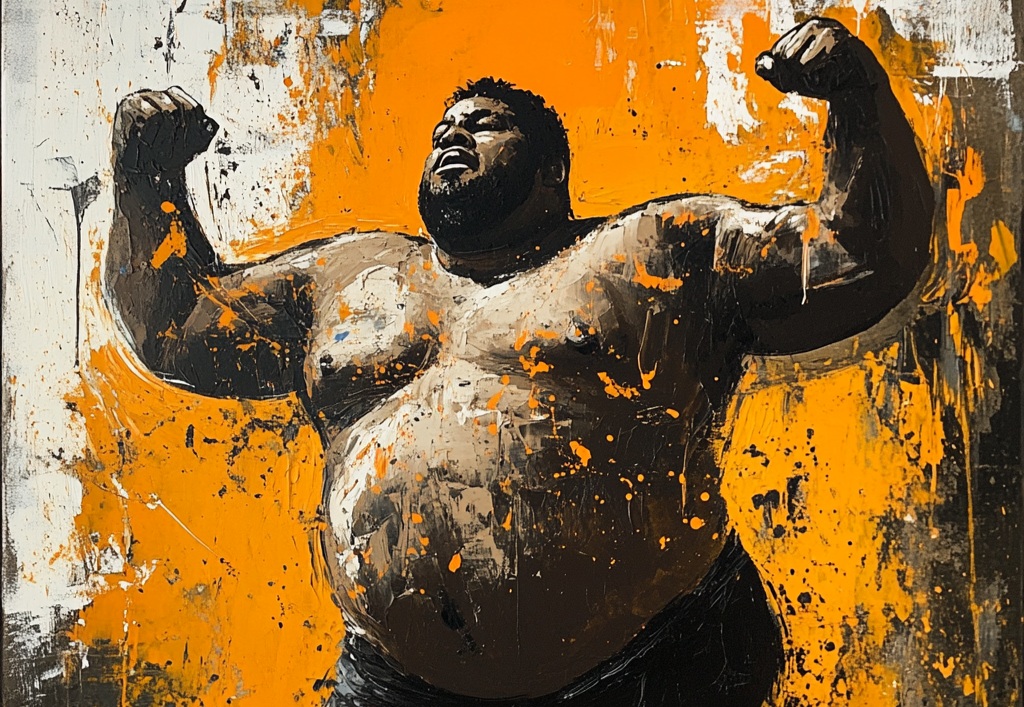
Progress isn’t always measured by the numbers on the scale. For plus-size men committed to a healthier lifestyle, it can be frustrating when the scale doesn’t seem to budge. However, the key to lasting success in any fitness journey is staying motivated even when immediate results are hard to see. This guide will help you stay focused and inspired when it feels like the scale isn’t reflecting your hard work.
Why the Scale Isn’t the Best Indicator of Success
It’s crucial to remember that the number on the scale only tells part of the story. Many factors contribute to how your body changes—muscle gain, water retention, hormonal fluctuations, and more. The scale doesn’t account for these changes. Here are some reasons why the scale might not move even though you’re making progress:
- Muscle Gain: Muscle weighs more than fat, so as you build muscle, you might not see a drastic weight change.
- Water Retention: Exercise, especially intense workouts, can cause temporary water retention, making it seem like you’re not losing weight.
- Hormonal Changes: Fluctuations in hormones can affect weight loss and retention, which can make the scale seem unresponsive.
- Plateaus: Weight loss is rarely linear. There will be periods when the body needs time to adjust before progressing further.
1. Focus on Non-Scale Victories (NSVs)
When the scale isn’t moving, it’s time to celebrate the victories that aren’t reflected by numbers. These non-scale victories (NSVs) are just as important for your motivation and can often be more significant than a number on a scale. Here are a few NSVs to look out for:
- Increased Energy: Feeling more energetic and motivated throughout the day is a great sign of overall health improvement.
- Improved Strength and Endurance: Whether you’re lifting heavier weights or feeling less winded during a workout, physical progress is happening.
- Better Sleep: Many people report better quality sleep as they become more active and focused on their fitness.
- Looser Clothes: While the scale may not show drastic changes, your clothes might fit more comfortably or start to feel looser.
Related: Overcoming Fitness Plateaus with the Help of Your Fitness Circle: How Support Drives Success
2. Set New, Achievable Goals
Instead of focusing solely on weight loss, set other types of fitness goals that can help you stay on track. Some examples include:
- Strength Goals: Aim to lift a specific weight or complete a certain number of push-ups or squats.
- Endurance Goals: Challenge yourself to run a specific distance or improve your cardio fitness.
- Body Measurements: Track changes in body measurements (waist, hips, chest) to monitor progress.
- Habit-Based Goals: Focus on habits like working out a certain number of days per week, meal prepping regularly, or getting more steps each day.
3. Track Progress in Different Ways
Your fitness journey is multifaceted, and progress can come in many forms. Instead of relying on the scale, try tracking other aspects of your health and fitness, such as:
- Workout Progress: Log your workouts to track your strength, endurance, and overall performance improvements.
- Fitness Apps: Use fitness apps to monitor your calorie intake, activity level, and overall health.
- Photographs: Take progress pictures regularly to see how your body is changing over time.
4. Connect with a Community
Having a support system can make a world of difference when you feel discouraged. Engage with a community of like-minded individuals who can offer encouragement and support. Whether through online forums, social media groups, or local fitness classes, finding people who understand your journey will provide inspiration and motivation to keep going.
5. Practice Self-Compassion
Your worth is not defined by the number on the scale. It’s important to be kind to yourself and recognize that progress takes time. Fitness journeys are rarely linear, and there will be ups and downs along the way. Remind yourself that every effort, no matter how small, is a step in the right direction.
Related: Why Failure Is Your Best Teacher (and How to Use It to Your Advantage)
6. Seek Professional Guidance
If you find yourself stuck, it may be helpful to work with a fitness coach or a nutritionist. These professionals can provide personalized advice based on your body type, goals, and any unique challenges you may face. They can help adjust your workout routine or nutrition plan to break through plateaus and help you get back on track.
7. Embrace the Journey, Not Just the Destination
Fitness isn’t just about reaching a specific weight or body type—it’s about developing habits that support long-term health and well-being. Focus on the process of getting stronger, feeling healthier, and building a better lifestyle rather than obsessing over what the scale says. The journey itself is just as important as the destination.
Stay the Course and Keep Moving Forward
When the scale isn’t moving, it’s easy to feel disheartened, but the key to lasting success is persistence. Focus on the non-scale victories, set new goals, and remember that progress is a journey, not a race. Keep your mindset strong, celebrate every small victory, and continue pushing forward. By staying committed, you’ll find yourself reaching new heights, even when the scale doesn’t reflect it right away.