Tag: weight-loss

  • Breaking the “Before and After” Trap: You Don’t Have to Shrink to Be Worthy

    Breaking the “Before and After” Trap: You Don’t Have to Shrink to Be Worthy

    The Problem with “Before and After” Culture

    You’ve seen it a thousand times—“before” is tired, ashamed, and invisible. “After” is lean, polished, and finally happy. This message is everywhere: in fitness ads, magazine covers, transformation reels, and even subtle everyday conversations.

    For big and tall men, this messaging is especially toxic. It implies that you are only worthy once you’ve lost weight, toned up, or shrunk yourself into something smaller and more “acceptable.”

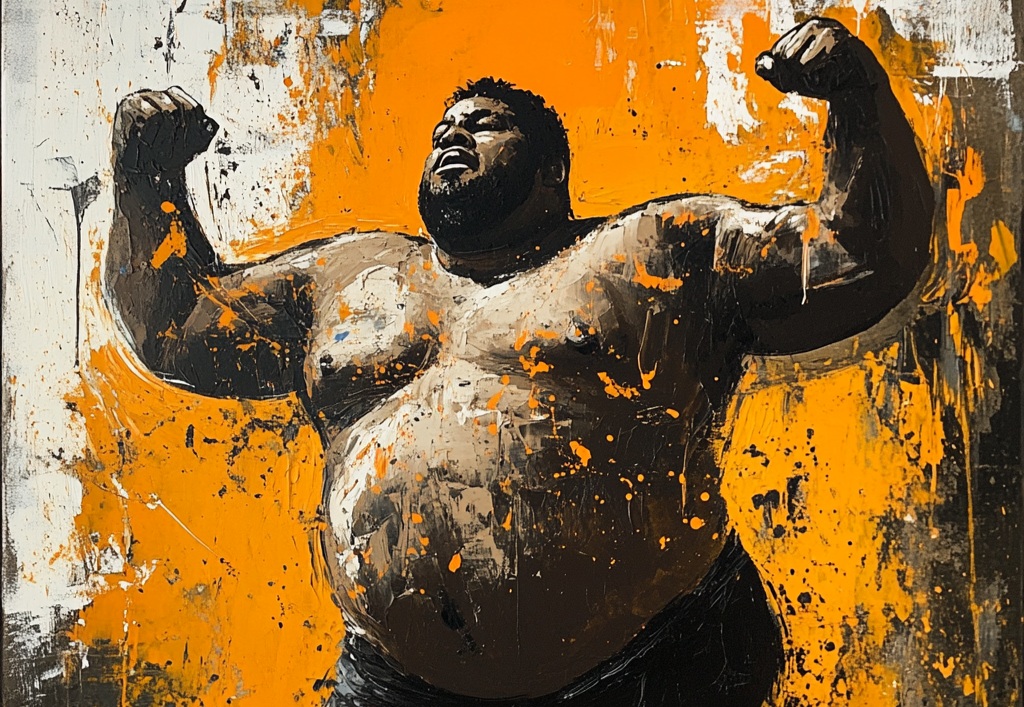
    But here’s the truth: You don’t have to shrink to be worthy. You are allowed to take up space—physically, emotionally, and socially—right now.


    The Real Damage of the Before-and-After Trap

    When society glorifies weight loss as the ultimate form of self-improvement, it:

    • Reinforces shame about your current body
    • Defines your worth by appearance instead of character or capability
    • Distracts you from building a life you love today
    • Limits confidence by putting happiness on hold “until” you hit a goal weight

    This mindset robs people of joy in the present. It tells you to wait to show up fully in life—wait to wear what you want, date who you want, chase that career—until you’re thinner.


    You’re Allowed to Be Enough Right Now

    Let’s flip the script. You don’t need to “earn” self-respect, style, or success through weight loss.

    You’re already:

    • Strong – Your body moves, supports, and protects you
    • Capable – You manage careers, families, relationships
    • Valuable – Your presence matters, and you bring something unique to every room you walk into

    That doesn’t mean giving up on health or goals—but it means separating worth from weight.


    Related: Affirms With Confidence: The Power of Positive Self-Talk


    Rewriting the Narrative: What Real Transformation Looks Like

    Let’s redefine transformation:

    Traditional TransformationEmpowered Transformation
    “Lose 50 pounds to feel confident”“Learn to dress well and speak up for yourself at any size”
    “Shrink to fit in”“Stand tall and take up space unapologetically”
    “Earn respect through weight loss”“Command respect by knowing your value”

    True transformation comes when you accept your body as it is and still decide to take care of it, speak kindly to it, and dress it with pride.


    Start Showing Up Fully—Today

    Here are 5 practical ways to break free from the before-and-after mindset:

    1. Buy clothes that fit now — Not “someday.” Dress your body with intention and pride.
    2. Move your body because you enjoy it — Not to punish yourself. Walk, lift, stretch—whatever feels good.
    3. Follow creators who represent your size and style — Unfollow anyone who makes you feel “less than.”
    4. Speak to yourself like you would a friend — “You look sharp,” “You crushed that meeting,” “You belong here.”
    5. Set goals unrelated to weight — Want more energy? Better mobility? More confidence on dates? Those matter more than the number on a scale.

    Related: Where to Shop: The Best Brands for Big and Tall Style in Summer 2025


    You’re Not a “Before”

    You are not a project. You’re not a failure waiting to become a success story. You’re already living one.

    So wear the outfit. Get in the photo. Speak up. Show up.
  • Fitness Apps That Actually Support Big Bodies: Real Tools for Big and Tall Men

    Fitness Apps That Actually Support Big Bodies: Real Tools for Big and Tall Men

    Let’s be honest: most fitness apps aren’t designed with big and tall men in mind. From unrealistic avatars to rigid calorie goals and high-impact workouts, it’s easy to feel like these tools weren’t built for your body—or your life.

    But there are apps out there that do get it.

    Whether you’re looking for low-impact workouts, size-inclusive coaches, or progress tracking that focuses on health—not just weight loss—this list highlights fitness apps that actually support larger bodies.


    Related: Fitocracy and the Rise of Social Fitness Communities


    1. Fitbod – Strength Training for Real Bodies

    Best for: Custom strength plans that adapt to your ability and equipment

    Why it works for big guys:

    • Workouts adapt based on your goals, soreness, and strength level
    • You can exclude exercises that don’t feel good on your joints
    • No body shaming or “ideal weight” tracking—just progress over time

    Titan Tip: Focus on compound lifts and mobility drills. The app’s customization helps you avoid movements that may be tough for longer limbs or joint sensitivity.


    2. DDP Yoga – Low-Impact, High-Reward

    Best for: Gentle, scalable workouts that build strength and flexibility

    Why it works for big and tall men:

    • Built by former pro wrestler Diamond Dallas Page, who knows big bodies firsthand
    • All workouts are joint-friendly and focused on mobility, strength, and balance
    • Community-driven with success stories from men 300+ lbs

    This is one of the few fitness programs where big dudes are the norm, not the exception.


    3. FitOn – Free Workouts with Modifications

    Best for: Variety of workouts with size-inclusive trainers

    Why it works:

    • Free access to hundreds of workouts across yoga, strength, cardio, and stretch
    • Many routines include visible modifications for different fitness levels
    • Strong emphasis on mental health and realistic progress

    FitOn is great if you want to test out different types of movement before committing to one style.


    Related: Fitocracy vs Strong vs MyFitnessPal: Which App Is Best for Bigger Beginners in 2025?


    4. Nike Training Club – Surprisingly Inclusive

    Best for: Guided workouts from elite trainers—without the pressure

    Why it works for big guys:

    • Offers beginner-friendly programs and short sessions
    • Emphasizes athletic performance, not weight
    • Features diverse trainers, body types, and paces

    Titan Tip: Skip the more intense HIIT sets early on—look for mobility, strength fundamentals, or bodyweight workouts.


    5. Aaptiv – Audio-Based Coaching (No Judgment Zone)

    Best for: Movement without needing to watch a screen

    Why it supports big and tall men:

    • Audio cues let you focus on how you feel, not how you look
    • You can choose low-impact workouts like walking, elliptical, stretching, and strength
    • Great for outdoors or gym use without drawing attention

    Freedom to Move: This is perfect for guys who want structure but feel self-conscious following a video.


    6. Jefit – Track Your Strength Progress Without the Fluff

    Best for: Detailed progress tracking in the gym

    Why it works:

    • Lets you build your own workout routines, log sets, and track gains
    • Doesn’t push weight loss or aesthetics
    • Custom notes help you track modifications or equipment preferences (like using a trap bar instead of a straight bar)

    Big Frame Bonus: Ideal for guys who want to focus on getting stronger, not smaller.


    Bonus: MyFitnessPal – With Boundaries

    Best for: Food logging—but ONLY if it supports your mental health

    Caution: MyFitnessPal can be helpful for awareness around food and energy, but it’s not always body-positive. If you use it, set your goals manually and ignore the calorie deficit obsession.

    Use it your way: Focus on how food affects energy, sleep, and mood—not weight loss.


    The Best App Is the One That Supports YOU

    When you’re a big and tall man, fitness success starts with tools that meet you where you are—not where the mainstream expects you to be. These apps focus on function, confidence, and progress, not pressure or shame.

    Remember: your journey is your own. Whether you’re walking more, lifting smarter, or just moving for your mental health—you’re doing it right.

  • Weight Loss vs. Strength: Finding the Right Fitness Goal for Big and Tall Men

    Weight Loss vs. Strength: Finding the Right Fitness Goal for Big and Tall Men

    Why Fitness Goals Matter—Especially for Big and Tall Men

    Let’s face it—most mainstream fitness advice isn’t designed for big and tall men. Whether you’re 6’5” and solid or carrying extra weight, it’s easy to feel like your goals don’t fit the traditional mold. But here’s the truth: your size isn’t a problem—it’s a platform. The real challenge is choosing a goal that works with your body, not against it.

    So—should you focus on weight loss or strength building?

    Let’s break down the pros and cons of each, and how to find the best path for you.


    Related: How to Set Realistic Fitness Goals and Stay Motivated Along the Way


    Option 1: Weight Loss

    ✅ Pros:

    • May improve mobility, joint health, and cardiovascular endurance
    • Can reduce risk factors for conditions like sleep apnea or high blood pressure
    • May improve confidence in daily movement and clothing fit

    ❌ Watch Out For:

    • Rapid weight loss can lead to muscle loss, especially in bigger bodies
    • Many popular weight loss plans are under-calibrated for your actual caloric needs
    • “Smaller” doesn’t always mean “healthier” or “happier”

    Best For:

    • Men who feel limited by extra weight in daily activities or sports
    • Those with medical concerns related to body weight
    • Anyone looking to improve overall conditioning or endurance

    Option 2: Strength Building

    ✅ Pros:

    • Preserves (and increases) lean muscle mass
    • Boosts confidence and physical capability
    • Often improves body composition without focusing on the scale
    • Increases metabolic rate, making long-term fat loss easier

    ❌ Watch Out For:

    • May not result in dramatic scale changes early on
    • Requires commitment to proper form and recovery
    • Can become scale-obsessed if strength gains stall

    Best For:

    • Big guys who want to harness their size and feel powerful
    • Men with athletic goals or performance-driven mindsets
    • Anyone tired of diet culture and looking for sustainable progress

    Related: The Ultimate Guide to Strength Training for Bigger Bodies


    Mindset Check: It’s Not Either/Or

    Here’s the kicker: you don’t have to choose just one. Many big and tall men find success by blending strength training with fat loss strategies.

    The key is to reframe success:

    • ✅ Did your deadlift go up?
    • ✅ Do your joints feel better?
    • ✅ Is your stamina improving?
    • ✅ Do you feel more confident?

    These are all wins—even if the scale doesn’t move as much as you’d like.


    Practical Tips to Choose (and Stick With) Your Fitness Goal

    • Assess your motivation. Are you training for health, appearance, confidence, or performance? Your “why” will guide your plan.
    • Choose the right coach or program. Look for trainers who understand larger bodies and long limbs.
    • Track more than weight. Use measurements, strength gains, endurance, or even how your clothes fit.
    • Adjust as you go. Life changes, and so can your goals. Start with strength, shift to cutting later—or vice versa.

    Real Talk for Big and Tall Men

    You’re not broken. You don’t have to shrink to be strong or worthy. Fitness is a tool—not a punishment.

    Whether you choose to cut fat or build strength, the most powerful thing you can do is show up consistently and honor your body as it is today.

  • Mastering the 30 30 3 Diet: A Simple Formula for Men Who Want Real Results

    Mastering the 30 30 3 Diet: A Simple Formula for Men Who Want Real Results

    If you’re tired of complicated diet plans with rules you can’t pronounce or follow, the 30 30 3 diet might be the straightforward reset you’ve been looking for. Built for simplicity and designed to jumpstart fat loss, boost energy, and improve overall health, this method has been gaining attention for its no-nonsense structure. Here’s what you need to know.

    What Is the 30 30 3 Diet?

    The name says it all: 30 grams of protein, within 30 minutes of waking up, followed by 30 minutes of low-intensity exercise. This isn’t a full meal plan—it’s a kickstart protocol you can plug into your existing diet or lifestyle, especially if you’re aiming to cut fat, maintain lean muscle, and feel more energized.

    It’s a strategy built for guys who want to look better, feel stronger, and still live their life.


    Related: Summer Nutrition Tips for Plus Size Men: Fueling Your Fitness Journey in the Heat


    Why It Works

    Protein to power up: Starting your day with 30 grams of protein supports muscle growth and helps control hunger throughout the day. For men, this is key to preserving lean mass while cutting fat. Think eggs, protein shakes, Greek yogurt, or lean meats.

    Fast and early: Eating soon after waking stabilizes blood sugar and signals your metabolism to fire up. You won’t just feel more alert—you’ll also reduce cravings later on.

    Low-intensity exercise: A 30-minute walk, light jog, or session on a bike isn’t about killing yourself at the gym. It’s about consistent movement that burns fat and helps regulate hormones, especially when done in a fasted state or right after your protein boost.


    Related: Knee-Friendly Leg Day: Exercises That Spare the Joints but Build Mass


    Benefits of the 30 30 3 Diet for Men

    • Fat loss without crash dieting
    • More consistent energy levels
    • Improved muscle retention
    • Better focus and mood
    • Easy to implement and sustain

    Whether you’re getting back on track or leveling up your current routine, this plan offers real-world benefits without the burnout.

    How to Get Started

    1. Get your protein game on point: Stock up on quick, high-protein options like protein powder, eggs, or turkey sausage.
    2. Plan your mornings: Set your alarm 30–45 minutes earlier. Build the habit of eating and moving before your workday starts.
    3. Keep it consistent: Aim to follow this plan at least 5 days a week. You’ll start seeing and feeling the difference within a couple of weeks.

    Who Is This Diet Best For?

    The 30 30 3 diet is ideal for men who want structure without obsessing over macros all day. Whether you’re a busy professional, weekend warrior, or someone just getting started on your fitness journey, this method offers a sustainable approach to body transformation.

    Invest in a Diet That Actually Works

    The 30 30 3 diet isn’t a magic pill—but it’s pretty damn close to a magic formula if you stick to it. It’s about building momentum, owning your mornings, and setting the tone for the rest of your day. For guys who want to see progress without flipping their whole life upside down, this is the play.


  • Fitocracy vs Strong vs MyFitnessPal: Which App Is Best for Bigger Beginners in 2025?

    Fitocracy vs Strong vs MyFitnessPal: Which App Is Best for Bigger Beginners in 2025?

    If you’re a plus-size guy just getting started on your fitness journey, chances are you’ve Googled “best workout app for beginners” more than once—and probably landed on names like Fitocracy, Strong, and MyFitnessPal. But which one actually supports bigger bodies, real-world consistency, and sustainable progress?

    This guide breaks it down—no fluff, no intimidation, just real talk—to help you figure out which fitness app fits your goals (and your body).

    Fitocracy, Strong, and MyFitnessPal Overview

    AppBest ForWhat It Lacks
    FitocracyGamified workouts + social encouragementOutdated UI, low activity in 2025
    StrongSimple strength training loggingNo real community or coaching
    MyFitnessPalCalorie tracking + food loggingCan trigger obsessive tracking for some

    Fitocracy: The OG of Fitness Gamification

    Once the king of turning workouts into a game, Fitocracy was all about points, badges, and social challenges. For plus-size beginners, the gamified experience could feel super rewarding—especially if you’re just trying to build a habit.

    What works for bigger guys:

    • Friendly, low-pressure leaderboard system
    • Encouragement from others who get it (if you can find them)
    • Challenges that reward consistency, not perfection

    Where it falls short in 2025:

    • Many communities are inactive or ghosted
    • The app hasn’t been meaningfully updated in years
    • Lack of structured guidance or progression for heavy lifters

    Bottom line: Great if you love point systems and self-motivation—but the lack of updates and community might leave you feeling stuck.


    Related: The Power of Accountability: How to Build a Supportive Fitness Community


    Strong: No-Nonsense Lifting Tracker

    Strong is like the no-BS gym buddy who just wants to log sets and move iron. It’s fast, reliable, and ultra-focused on strength training. If you’re a big guy who’s just starting to get into barbell work or machines, this might be the cleanest experience available.

    What works for bigger guys:

    • Tracks rest time, PRs, and progressive overload
    • Custom workout builder lets you create joint-friendly routines
    • Minimal design—no distractions

    Where it falls short:

    • No built-in coaching or guidance
    • No supportive community or accountability
    • Purely performance-focused, not holistic

    Bottom line: Strong is perfect for tracking progress if you already know what you’re doing—or have a coach helping you behind the scenes.


    Related: Progressive Overload for Bigger Bodies: How to Continuously Build Strength Safely


    MyFitnessPal: The Food-First Approach

    When it comes to nutrition, MyFitnessPal is still one of the most well-known apps on the planet. It’s got a massive food database, barcode scanning, and calorie/macro tracking—but for bigger guys just starting out, it can feel… overwhelming.

    What works for bigger guys:

    • Easy food logging, including meals from restaurants
    • Syncs with tons of fitness wearables
    • Helps build awareness of portion sizes and patterns

    Where it falls short:

    • Can encourage obsessive logging or under-eating
    • Lacks context for strength goals vs. weight loss goals
    • Not tailored to plus-size bodies or strength-based progress

    Bottom line: A powerful tool—if you use it with the right mindset. Otherwise, it can quickly turn into a mental trap.


    Related: Nutrition for Plus Size Men: A Complete Guide to Fueling Strength, Performance, and Fat Loss


    Which One’s Right for You?

    If you’re a bigger beginner focused on building confidence, strength, and sustainable habits, here’s the real advice:

    • Choose Fitocracy if you’re motivated by badges and want a gamified start—but double-check if the community is still active in your niche.
    • Choose Strong if you’re lifting weights and want to keep it simple and track your numbers—just make sure you have guidance elsewhere.
    • Choose MyFitnessPal if you want help with nutrition awareness—but stay grounded in body-positivity and avoid hyper-focusing on calorie deficits.

    You’re the Variable That Matters Most

    Apps are tools—not magic wands. No app can guarantee transformation. What does move the needle is showing up, staying consistent, and building a mindset that supports your body at every stage.

    Whether you use Fitocracy, Strong, MyFitnessPal—or none of the above—the key is to stay connected to your “why” and surround yourself with resources that actually serve your lifestyle.

  • Low-Impact HIIT Workouts for Plus Size Men: Burn Fat Without Hurting Your Joints

    Low-Impact HIIT Workouts for Plus Size Men: Burn Fat Without Hurting Your Joints

    Looking to shed fat and build strength without wrecking your knees? High-Intensity Interval Training (HIIT) doesn’t have to mean burpees and box jumps. If you’re a plus size man who wants to get results without joint pain, low-impact HIIT is the perfect solution. In this guide, we’ll break down everything you need to know — including the best exercises and how to do them safely.


    Why Low-Impact HIIT Works for Plus Size Men

    Low-impact HIIT delivers serious fat-burning potential with shorter, more manageable workouts. It alternates between bursts of effort and rest, keeping your heart rate high without putting too much stress on your joints.

    Benefits Include:

    • Fat loss and improved metabolism
    • Joint-friendly movement patterns
    • Increased stamina and endurance
    • Shorter workouts that fit into your schedule
    • Boosted confidence as you build consistency

    MayoClinic: Sprint, rest, repeat: Exploring the benefits of high-intensity interval training


    Key Tips Before You Start

    • Warm up for 5–10 minutes with light cardio (marching in place, arm swings, shoulder rolls).
    • Focus on form over speed.
    • Start with 30 seconds of effort, followed by 30–45 seconds of rest.
    • Always listen to your body — modify where needed.

    The Best Low-Impact HIIT Exercises for Plus Size Men

    1. Step Touch with Reach

    How to do it:

    • Step side to side, tapping one foot next to the other.
    • Add a reach with your arms overhead as you move.
    • Keep your knees soft and core engaged.

    Works: Legs, shoulders, core
    Low impact and easy to modify


    2. Chair Squats

    How to do it:

    • Stand in front of a sturdy chair.
    • Lower down until your glutes just touch the chair, then push back up.
    • Keep your knees aligned with your toes and chest upright.

    Works: Quads, glutes, core
    Great for knee support and control


    3. Standing Knee Raises

    How to do it:

    • March in place, lifting your knees toward your chest.
    • Engage your core and add a slight twist to target obliques.

    Works: Core, hip flexors
    Gentle but effective cardio


    4. Wall Push-Ups

    How to do it:

    • Stand about an arm’s length from a wall.
    • Place your palms on the wall, shoulder-width apart.
    • Lower your chest toward the wall, then push back to the starting position.

    Works: Chest, triceps, shoulders
    Perfect upper-body builder without joint stress


    5. Seated Punches

    How to do it:

    • Sit on a sturdy chair with your feet flat.
    • Punch forward one arm at a time, keeping your core tight.
    • Go for speed during the interval.

    Works: Shoulders, arms, core
    Great seated cardio option


    6. Side Leg Lifts

    How to do it:

    • Stand behind a chair for balance.
    • Lift one leg out to the side, then return.
    • Keep movements controlled and repeat on both sides.

    Works: Glutes, outer thighs, hips
    Strengthens stabilizing muscles


    7. Modified Mountain Climbers (Standing)

    How to do it:

    • Stand tall and bring one knee up toward your chest.
    • Switch sides quickly, like you’re jogging in place.
    • Add arm pumps for intensity.

    Works: Core, hips, legs
    Cardio without floor work


    8. Arm Circles and Raises

    How to do it:

    • Raise your arms to shoulder height.
    • Make small circles, then reverse.
    • Try front raises or side raises for variation.

    Works: Shoulders, upper back
    Burns without impact


    Related: How to Maximize Your Workout Efficiency: Tips for Faster Results


    Sample Low-Impact HIIT Workout (No Equipment Needed)

    ExerciseTime
    Step Touch with Reach30 sec on / 30 sec rest
    Chair Squats30 sec on / 30 sec rest
    Standing Knee Raises30 sec on / 30 sec rest
    Wall Push-Ups30 sec on / 30 sec rest
    Seated Punches30 sec on / 30 sec rest
    Side Leg Lifts30 sec on / 30 sec rest
    Repeat 2–3 rounds based on fitness level

    Tips to Stay Consistent

    • Start with 2–3 sessions per week
    • Celebrate non-scale victories (like moving easier or improving endurance)
    • Track your workouts to stay motivated
    • Mix it up to keep it fun and avoid burnout

    Related: The Power of Small Wins: Why Micro Goals Lead to Major Changes


    Build Strength, Burn Fat, Protect Your Joints

    You don’t need to punish your body to get fit. With these low-impact HIIT workouts, plus size men can lose fat, build strength, and feel more confident — all while keeping knees and joints safe. Start slow, stay consistent, and the results will follow.

  • Low-Impact Cardio Workouts That Actually Burn Fat (Especially for Plus-Size Men)

    Low-Impact Cardio Workouts That Actually Burn Fat (Especially for Plus-Size Men)

    Why Low-Impact Cardio Matters

    For plus-size men looking to burn fat, build endurance, and improve heart health, low-impact cardio is an effective and joint-friendly solution. These exercises reduce strain on the knees, ankles, and hips while still delivering serious calorie burn. This guide breaks down the top low-impact cardio workouts, how to perform them, and why they’re ideal for sustainable fat loss.

    Benefits of Low-Impact Cardio for Plus-Size Men

    • Protects joints while still promoting fat loss
    • Helps build cardiovascular endurance
    • Supports sustainable weight management
    • Ideal for beginners and those easing back into fitness
    • Encourages consistency without risk of burnout

    1. Walking (Treadmill or Outdoors)

    Why it works: Walking is one of the most accessible low-impact cardio exercises. It’s easy to scale up or down based on fitness level and can be done virtually anywhere.

    How to do it:

    • Start at a comfortable pace for 20–30 minutes
    • Gradually increase time or intensity by adding hills or intervals
    • Focus on good posture and consistent breathing

    Titan Tip: Using a treadmill allows you to control speed and incline without joint shock.


    Related: Knee-Friendly Leg Day: Exercises That Spare the Joints but Build Mass


    2. Elliptical Training

    Why it works: The elliptical provides a full-body, joint-friendly workout. It mimics running without the impact and includes upper-body engagement for added calorie burn.

    How to do it:

    • Step onto the machine and select a beginner-level resistance
    • Use both arms and legs for a total-body movement
    • Maintain a steady pace for 20–40 minutes depending on fitness level

    Titan Tip: Focus on keeping your feet flat and avoid leaning too heavily on the handles.


    3. Cycling (Stationary or Outdoor Bike)

    Why it works: Cycling is a great way to torch calories and build leg strength while seated, which eases pressure on the joints.

    How to do it:

    • Start with 10–15 minutes of light cycling
    • Aim for a cadence of 60–80 RPM
    • Increase resistance or time as your stamina improves

    Titan Tip: Stationary bikes allow you to train indoors regardless of weather and let you monitor progress in real-time.


    Related: Beginner-Friendly Workouts for Plus-Size Men: Starting Your Fitness Journey with Confidence


    4. Water Aerobics or Swimming

    Why it works: Water reduces the effect of gravity on the joints while adding resistance, making every movement count without stress on the body.

    How to do it:

    • Choose water-walking, basic swim strokes, or instructor-led aqua classes
    • Aim for 30-minute sessions, 2–3 times a week
    • Use pool noodles or water weights for added resistance if available

    Titan Tip: Swimming is also excellent for improving lung capacity and flexibility.


    5. Step Aerobics (Low Step)

    Why it works: Step aerobics can be modified for low-impact use while still delivering a great cardio burn. It also improves coordination and balance.

    How to do it:

    • Use a step platform no higher than 4–6 inches
    • Step up with one foot, then the other, and step back down
    • Keep movements controlled and knees soft
    • Perform in intervals: 1–2 minutes of stepping followed by 30 seconds of rest

    Titan Tip: Start slow and use a mirror if available to maintain good form.


    Burn Fat Without the Impact

    Low-impact cardio workouts provide a powerful and practical path to better fitness for plus-size men. Whether it’s walking, swimming, or cycling, consistency is key. By choosing exercises that are gentle on the joints yet tough on calories, long-term progress becomes sustainable—and injury-free.

  • How to Set Realistic Fitness Goals and Stay Motivated Along the Way

    How to Set Realistic Fitness Goals and Stay Motivated Along the Way

    Setting realistic fitness goals is crucial for success, especially for plus-size men beginning their fitness journeys. Whether aiming to lose weight, build muscle, or improve overall health, having clear, achievable goals can make a significant difference. This guide will help you set goals that are both realistic and motivating, along with tips to stay on track and achieve lasting results.


    Related: How to Stay Motivated When the Scale Isn’t Moving: A Guide for Plus-Size Men

    Why Realistic Fitness Goals Matter

    Realistic fitness goals are key to creating a sustainable workout routine. Unrealistic goals, like expecting to lose a large amount of weight in a short period, can lead to disappointment and burnout. Setting attainable fitness goals provides direction, helps track progress, and motivates continued effort.

    Achieving small, incremental goals keeps you motivated and reinforces the idea that progress takes time. For plus-size men, these goals may not only revolve around weight loss but also improving endurance, strength, and confidence.

    Step 1: Assess Your Current Fitness Level

    Before setting fitness goals, it’s important to understand your current fitness level. If you’re new to exercise or haven’t worked out in a while, starting slow and focusing on gradual improvement will make a huge difference.

    • Track your baseline metrics: Record your current weight, body measurements, stamina, and strength.
    • Test flexibility and mobility: See how far you can stretch or bend to assess your body’s flexibility.
    • Note energy levels: Pay attention to how you feel after a walk or workout—this will help you understand your starting point.

    Understanding where you are now will give you a better idea of what’s possible and allow you to set realistic fitness goals that are specific to your situation.

    Step 2: Define Your Fitness Goals

    Once you understand your fitness level, it’s time to define your fitness goals. These should be both realistic and specific. Break them down into short-term and long-term goals, making them measurable to track progress.

    Examples of Realistic Fitness Goals:

    • Short-Term Goals:
      • Walk 10,000 steps a day for the next two weeks.
      • Add 5 minutes to your workout time each week.
      • Do 3 sets of 10 squats by the end of the month.
    • Long-Term Goals:
      • Lose 10 pounds in 3 months through diet and exercise.
      • Build up to running a 5K within 6 months.
      • Increase overall strength (e.g., lifting heavier weights) by 20% in a year.

    Make sure your goals are S.M.A.R.T.:

    • Specific: Define exactly what you want to achieve.
    • Measurable: Track progress with numbers (e.g., weight lost, distance run).
    • Achievable: Ensure it’s within your current abilities and limitations.
    • Relevant: Align your goals with your broader fitness or health aspirations.
    • Time-Bound: Set deadlines for each goal to stay motivated.

    Related: How to Develop a Champion Mindset for Long-Term Success

    Step 3: Start Small and Build Gradually

    It’s essential to start with manageable goals and gradually increase the intensity or duration. If you’re new to exercise, this will prevent overwhelm and injuries, while helping you stay consistent.

    For example:

    • Start with low-impact activities like walking, cycling, or swimming.
    • Gradually add strength training with bodyweight exercises like squats, push-ups, or lunges.
    • Increase intensity as your body adapts, aiming to improve your performance weekly or monthly.

    By breaking down goals into smaller, digestible tasks, you’ll feel accomplished along the way and build momentum toward larger goals.

    Step 4: Track Your Progress

    Tracking your progress is essential to staying motivated and adjusting your goals as needed. Use a fitness journal, app, or spreadsheet to log your workouts, measurements, and achievements.

    • Record your workouts: Note the exercises, sets, reps, and weights lifted.
    • Track weight and measurements: While weight loss is a common goal, don’t forget to measure other markers like body fat percentage or muscle gain.
    • Celebrate small wins: Achieving small milestones, such as lifting heavier or running longer distances, will keep you motivated.

    Celebrating your progress boosts confidence and reinforces the importance of consistency and perseverance.

    Step 5: Stay Flexible and Adjust When Necessary

    It’s important to remember that life happens, and sometimes goals may need to be adjusted. Injuries, schedule changes, or life events can affect your progress, but this doesn’t mean failure. Stay flexible and reassess your goals when necessary.

    If a certain goal isn’t working out as planned, adjust it rather than giving up. For example, if you’re struggling to make time for workouts, aim for shorter but more frequent sessions, or modify your goal from weight loss to improving endurance.

    Step 6: Stay Consistent and Motivated

    Consistency is key to achieving long-term fitness goals. But staying motivated can be difficult, especially on days when progress feels slow. Here are some tips to stay consistent and motivated:

    • Find a workout buddy: Having a friend or fitness partner can keep you accountable.
    • Mix up your workouts: Try new exercises to keep things exciting and prevent boredom.
    • Join a fitness community: Connect with others online or at the gym who share similar goals and challenges.
    • Focus on the journey, not just the outcome: Celebrate non-scale victories, like increased energy, better mood, or improved sleep.

    Related: How to Maximize Your Workout Efficiency: Tips for Faster Results

    Realistic Fitness Goals Lead to Sustainable Results

    Setting realistic fitness goals and focusing on steady, incremental progress will lead to lasting results. For plus-size men, fitness is a personal journey that requires patience, consistency, and motivation. By defining specific, achievable goals and tracking progress, you can build a fitness routine that works for your body and your lifestyle.

  • How to Stay Motivated When the Scale Isn’t Moving: A Guide for Plus-Size Men

    How to Stay Motivated When the Scale Isn’t Moving: A Guide for Plus-Size Men

    Progress isn’t always measured by the numbers on the scale. For plus-size men committed to a healthier lifestyle, it can be frustrating when the scale doesn’t seem to budge. However, the key to lasting success in any fitness journey is staying motivated even when immediate results are hard to see. This guide will help you stay focused and inspired when it feels like the scale isn’t reflecting your hard work.

    Why the Scale Isn’t the Best Indicator of Success

    It’s crucial to remember that the number on the scale only tells part of the story. Many factors contribute to how your body changes—muscle gain, water retention, hormonal fluctuations, and more. The scale doesn’t account for these changes. Here are some reasons why the scale might not move even though you’re making progress:

    • Muscle Gain: Muscle weighs more than fat, so as you build muscle, you might not see a drastic weight change.
    • Water Retention: Exercise, especially intense workouts, can cause temporary water retention, making it seem like you’re not losing weight.
    • Hormonal Changes: Fluctuations in hormones can affect weight loss and retention, which can make the scale seem unresponsive.
    • Plateaus: Weight loss is rarely linear. There will be periods when the body needs time to adjust before progressing further.

    1. Focus on Non-Scale Victories (NSVs)

    When the scale isn’t moving, it’s time to celebrate the victories that aren’t reflected by numbers. These non-scale victories (NSVs) are just as important for your motivation and can often be more significant than a number on a scale. Here are a few NSVs to look out for:

    • Increased Energy: Feeling more energetic and motivated throughout the day is a great sign of overall health improvement.
    • Improved Strength and Endurance: Whether you’re lifting heavier weights or feeling less winded during a workout, physical progress is happening.
    • Better Sleep: Many people report better quality sleep as they become more active and focused on their fitness.
    • Looser Clothes: While the scale may not show drastic changes, your clothes might fit more comfortably or start to feel looser.

    Related: Overcoming Fitness Plateaus with the Help of Your Fitness Circle: How Support Drives Success

    2. Set New, Achievable Goals

    Instead of focusing solely on weight loss, set other types of fitness goals that can help you stay on track. Some examples include:

    • Strength Goals: Aim to lift a specific weight or complete a certain number of push-ups or squats.
    • Endurance Goals: Challenge yourself to run a specific distance or improve your cardio fitness.
    • Body Measurements: Track changes in body measurements (waist, hips, chest) to monitor progress.
    • Habit-Based Goals: Focus on habits like working out a certain number of days per week, meal prepping regularly, or getting more steps each day.

    3. Track Progress in Different Ways

    Your fitness journey is multifaceted, and progress can come in many forms. Instead of relying on the scale, try tracking other aspects of your health and fitness, such as:

    • Workout Progress: Log your workouts to track your strength, endurance, and overall performance improvements.
    • Fitness Apps: Use fitness apps to monitor your calorie intake, activity level, and overall health.
    • Photographs: Take progress pictures regularly to see how your body is changing over time.

    4. Connect with a Community

    Having a support system can make a world of difference when you feel discouraged. Engage with a community of like-minded individuals who can offer encouragement and support. Whether through online forums, social media groups, or local fitness classes, finding people who understand your journey will provide inspiration and motivation to keep going.

    5. Practice Self-Compassion

    Your worth is not defined by the number on the scale. It’s important to be kind to yourself and recognize that progress takes time. Fitness journeys are rarely linear, and there will be ups and downs along the way. Remind yourself that every effort, no matter how small, is a step in the right direction.


    Related: Why Failure Is Your Best Teacher (and How to Use It to Your Advantage)


    6. Seek Professional Guidance

    If you find yourself stuck, it may be helpful to work with a fitness coach or a nutritionist. These professionals can provide personalized advice based on your body type, goals, and any unique challenges you may face. They can help adjust your workout routine or nutrition plan to break through plateaus and help you get back on track.

    7. Embrace the Journey, Not Just the Destination

    Fitness isn’t just about reaching a specific weight or body type—it’s about developing habits that support long-term health and well-being. Focus on the process of getting stronger, feeling healthier, and building a better lifestyle rather than obsessing over what the scale says. The journey itself is just as important as the destination.


    Stay the Course and Keep Moving Forward

    When the scale isn’t moving, it’s easy to feel disheartened, but the key to lasting success is persistence. Focus on the non-scale victories, set new goals, and remember that progress is a journey, not a race. Keep your mindset strong, celebrate every small victory, and continue pushing forward. By staying committed, you’ll find yourself reaching new heights, even when the scale doesn’t reflect it right away.

  • Nutrition for Plus Size Men: A Complete Guide to Fueling Strength, Performance, and Fat Loss

    Nutrition for Plus Size Men: A Complete Guide to Fueling Strength, Performance, and Fat Loss

    Nutrition is one of the most powerful tools in achieving health, performance, and confidence—especially for plus size men. Whether the goal is fat loss, muscle retention, improved energy, or better overall health, making informed food choices can spark lasting results. This deep dive provides a science-backed, realistic approach to nutrition that supports the lifestyle of bigger bodies without extreme restriction or fad diets.


    Why Tailored Nutrition Matters for Plus Size Men

    Generic meal plans often fail to account for the unique needs of plus size individuals. Larger bodies typically have:

    • Higher calorie needs (even at rest)
    • Different macronutrient distribution requirements
    • A higher risk of inflammation, insulin resistance, and nutrient deficiencies

    A personalized nutrition strategy can:

    • Preserve lean muscle while reducing fat
    • Stabilize blood sugar and improve mood
    • Reduce joint stress and inflammation
    • Support long-term sustainable results

    National Institute of Health: Why is Healthy Weight Important?


    1. Understanding Caloric Needs

    Basal Metabolic Rate (BMR)

    BMR is the number of calories burned at rest. For plus size men, BMR is usually higher due to increased body mass. But the goal isn’t to starve the body—it’s to create a controlled deficit.

    How to Find Your Calorie Target

    Use the Mifflin-St Jeor formula or a reliable online TDEE calculator, and subtract 10–20% for fat loss. For maintenance or muscle gain, stay at or slightly above TDEE.

    Example: A 300 lb man with moderate activity might need:

    • Maintenance: 3,200–3,400 calories/day
    • Fat loss (modest deficit): 2,600–2,900 calories/day

    2. Macronutrients: What to Eat and How Much

    Protein: The Foundation

    • Why it matters: Supports muscle retention, appetite control, and recovery
    • Target: 0.7–1g per pound of lean body mass (not total body weight)
    • Sources: Chicken, turkey, Greek yogurt, eggs, tofu, lean beef, protein shakes

    Carbohydrates: Fuel the Engine

    • Why it matters: Provides energy for workouts and daily function
    • Target: Moderate intake based on activity (35–50% of total intake)
    • Sources: Brown rice, oats, sweet potatoes, fruit, beans, whole grains

    Fats: Hormonal Balance and Satiety

    • Why it matters: Supports hormones, brain health, and satiety
    • Target: 20–30% of total calories
    • Sources: Avocado, nuts, seeds, olive oil, fatty fish

    3. Sample Meal Plan for Plus Size Men (Approx. 2,800 Calories)

    Meal 1 – Breakfast

    • 4 scrambled eggs
    • 1 slice whole grain toast with avocado
    • 1 serving mixed berries
    • Black coffee or green tea

    Meal 2 – Lunch

    • Grilled chicken breast
    • 1 cup quinoa
    • Steamed broccoli with olive oil
    • Greek yogurt on the side

    Meal 3 – Snack

    • Protein shake with almond milk
    • 1 banana
    • Handful of almonds

    Meal 4 – Dinner

    • Baked salmon
    • 1 cup roasted sweet potatoes
    • Mixed greens with vinaigrette

    Meal 5 – Optional Snack

    • Cottage cheese with cinnamon
    • A few walnuts or dark chocolate square

    Mayo Clinic: Healthy Diets


    4. Hydration and Supplementation

    Water Intake

    • General target: Half body weight (lbs) in ounces per day
    • Example: A 280 lb man → ~140 oz daily

    Helpful Supplements

    (Not mandatory, but can fill gaps)

    • Protein powder: Supports intake on busy days
    • Omega-3: Reduces inflammation
    • Magnesium: Supports sleep and recovery
    • Creatine: Improves strength and muscle retention

    5. Nutrition Pitfalls to Avoid

    • Skipping meals: Leads to overeating later
    • Under-eating protein: Slows muscle preservation
    • Relying on processed foods: Increases inflammation
    • Extreme low-carb or crash diets: Not sustainable or necessary

    6. Eating for Performance and Confidence

    A focus on whole foods, realistic planning, and meal consistency leads to:

    • More energy in the gym
    • Improved sleep and digestion
    • Steady fat loss without muscle waste
    • Stronger confidence through better body awareness

    Sustainable Nutrition Builds a Stronger Body from the Inside Out

    Nutrition doesn’t have to be restrictive or complicated to be effective. For plus size men, the right approach is one that emphasizes nourishment over punishment. By focusing on high-protein meals, quality carbs, and healthy fats—paired with proper hydration and realistic goals—progress becomes inevitable.