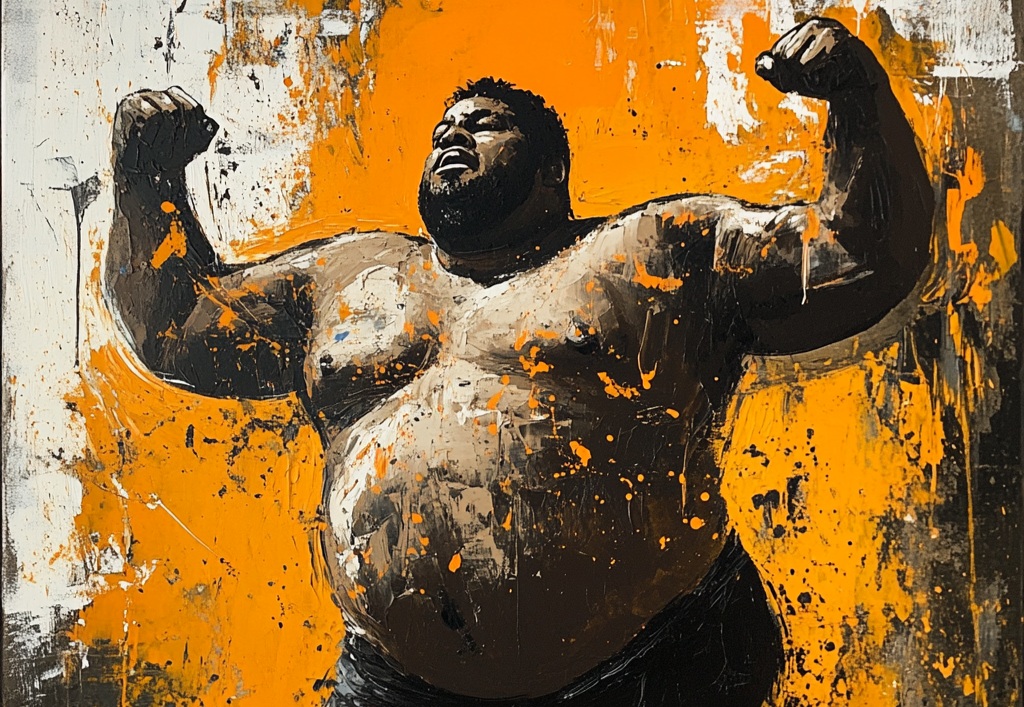
When you’re a big and tall man, the typical “one-size-fits-all” workout advice doesn’t always apply. From longer limbs to larger builds, your body mechanics are different—and that means your fitness routine should be, too. Whether you’re just starting out or refining your training, this guide breaks down how to build a workout plan that’s safe, effective, and made for big and tall bodies.
Why Big and Tall Men Need Customized Workout Plans
If you’ve ever felt awkward doing standard exercises or noticed more joint strain than gains, you’re not alone. Taller men often face issues like:
- Poor leverage in standard lifts (bench press, squats)
- Higher center of gravity, affecting balance and coordination
- Increased stress on knees, lower back, and shoulders
Meanwhile, men with larger frames may struggle with:
- Limited range of motion
- Mobility challenges
- Equipment not sized for bigger bodies
That’s why having a workout plan tailored for your body type is key to staying motivated, avoiding injury, and actually seeing results.
Related: How to Maximize Your Workout Efficiency: Tips for Faster Results
Step 1: Focus on Functional Strength
Big and tall men benefit most from compound movements that build strength across multiple joints and muscle groups. These include:
- Deadlifts (trap bar is easier on the back)
- Incline dumbbell presses (more comfortable than flat bench)
- Seated rows and pull-downs (instead of pull-ups if needed)
Titan Tip: Use longer warm-up sets to prep your joints and focus on perfecting form over lifting heavy.
Step 2: Prioritize Mobility and Flexibility
Your size means your joints work harder. Mobility is not optional—it’s essential.
Incorporate:
- Dynamic warm-ups (arm swings, leg swings, hip circles)
- Foam rolling to reduce muscle tightness
- Yoga or active stretching sessions 2–3x/week
This improves posture, reduces pain, and enhances your range of motion in every lift.
Related: How to Train With Joint Pain and Mobility Issues
Step 3: Low-Impact Cardio That Respects Your Joints
Skip the high-impact HIIT if your knees scream every time you jump.
Try these instead:
- Incline walking on a treadmill
- Stationary cycling (recumbent bikes work well for longer legs)
- Rowing machines with long rails
- Swimming or aqua aerobics
These keep your heart healthy without punishing your joints.
Step 4: Don’t Neglect Core and Stability Work
A strong core supports your spine and helps you stay balanced—especially important for tall guys.
Add:
For big and tall men, a strong core isn’t just about abs—it’s your foundation for balance, posture, and injury prevention. Because of longer limbs and a higher center of gravity, you’re more prone to back strain and instability if your core is weak.
These four exercises are low-impact, joint-friendly, and scalable for larger frames:
1. Bird Dogs
How to Do It:
- Start on all fours (hands under shoulders, knees under hips).
- Extend your right arm and left leg at the same time, keeping your hips and shoulders square to the floor.
- Pause briefly, then return to the starting position and switch sides.
- Repeat for 8–12 reps per side.
Why It Works:
This move builds core stability, improves balance, and trains your posterior chain (glutes, lower back, and shoulders) without putting strain on your spine or knees. It’s a great low-impact option to reinforce control over your movements.
2. Forearm Plank (Modified if Needed)
How to Do It:
- Lie face down, then lift yourself onto your forearms and toes, elbows under shoulders.
- Keep your back flat, glutes tight, and hips level.
- Hold for 20–60 seconds, keeping your neck neutral.
Modifications:
- Drop to your knees if you’re just starting out.
- Elevate your hands on a bench if wrist or shoulder mobility is an issue.
Why It Works:
The plank strengthens the entire core—including deep stabilizer muscles. For taller guys, a strong plank improves posture and helps support the spine during lifting or everyday movement.
3. Side Plank
How to Do It:
- Lie on one side with your legs straight and elbow under your shoulder.
- Lift your hips off the ground, forming a straight line from head to feet.
- Hold for 20–45 seconds per side.
Modifications:
- Drop the bottom knee to the ground for support.
- Perform against a wall or elevated surface to reduce strain.
Why It Works:
Side planks target the obliques—muscles that stabilize your trunk side-to-side. This is especially helpful for big and tall men who might struggle with rotational control or lower back tension.
4. Farmer’s Carries
How to Do It:
- Grab a pair of heavy dumbbells or kettlebells (aim for moderate to heavy weight).
- Stand tall with shoulders back and walk in a straight line for 30–60 seconds.
- Maintain a strong grip and avoid leaning side-to-side.
Why It Works:
This simple movement trains your grip, core, and posture all at once. It’s incredibly functional—mimicking real-world tasks—and reinforces full-body control, especially for men with longer limbs who tend to sway or slouch under load.
Stability work helps you lift better, move better, and hurt less.
Step 5: Structure Your Week for Recovery and Progress
Your workout plan should be balanced—not extreme.
Example schedule for beginners:
- Monday: Strength Training (Upper Body)
- Tuesday: Cardio + Core
- Wednesday: Active Recovery or Mobility
- Thursday: Strength Training (Lower Body)
- Friday: Cardio + Core
- Saturday: Light Activity or Stretching
- Sunday: Rest
Recovery is when the gains happen—respect it.
Gear Tip: Invest in Fitness Equipment That Fits
If you’re training at home, look for:
- Extra-long yoga mats
- Weight benches rated for higher capacity
- Resistance bands with longer lengths
- Adjustable dumbbells with extended grip space
Your comfort level directly impacts your consistency.
Your Size Is an Asset—Not a Limitation
The fitness industry may not always reflect your body type, but that doesn’t mean you can’t thrive in it. By creating a workout plan designed for your big and tall frame, you’re setting yourself up for long-term success.
Train smart, train proud—and own your space.

Leave a comment