Tag: health

  • A High-Protein Thanksgiving Slaw Recipe That’s Fresh, Light, and Holiday-Ready

    A High-Protein Thanksgiving Slaw Recipe That’s Fresh, Light, and Holiday-Ready

    If you want a side dish that isn’t heavy, creamy, or carb-loaded, this high-protein Thanksgiving slaw recipe is the perfect addition to your holiday table. It’s crisp, refreshing, nutrient-dense, and designed to complement all the classic dishes — without weighing you down.

    Unlike typical creamy slaws, this version uses a light dressing, crunchy seasonal ingredients, and an optional protein boost to help you stay fuller longer. Whether you’re trying to eat lighter during the holidays or simply want something refreshing between the stuffing and potatoes, this Thanksgiving slaw delivers big flavor with simple ingredients.


    Why This Thanksgiving Slaw Works

    • Light and refreshing: Cuts through heavier holiday food.
    • High in protein: Greek yogurt + seeds + optional shredded chicken or chickpeas.
    • Make-ahead friendly: Holds up well in the fridge.
    • Budget-friendly: Uses inexpensive fall ingredients (cabbage, apples, carrots).
    • Customizable: Easy to make dairy-free, vegan, or higher-protein.

    This is holiday food you can feel good about.


    Related: Nutrition for Plus Size Men: A Complete Guide to Fueling Strength, Performance, and Fat Loss


    High-Protein Thanksgiving Slaw Recipe

    Ingredients (Serves 6–8)

    For the slaw base:

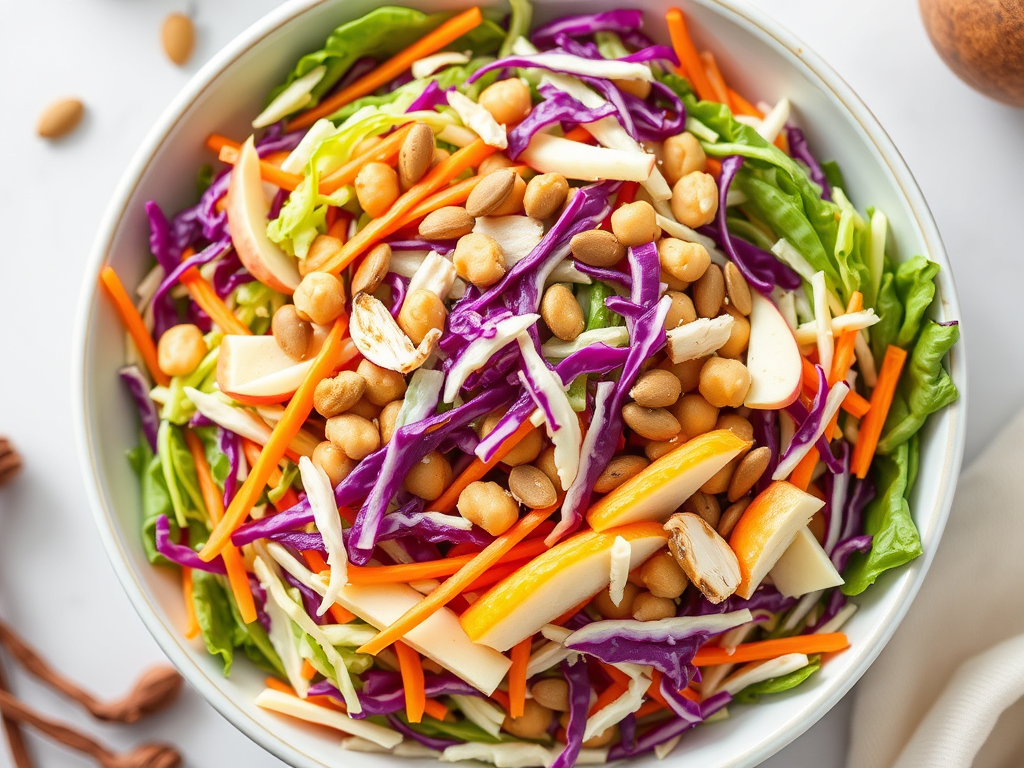
    • 4 cups shredded green cabbage
    • 2 cups shredded red cabbage
    • 1 large carrot, grated
    • 1 Honeycrisp or Fuji apple, finely sliced
    • ¼ cup dried cranberries (optional for sweetness)
    • ¼ cup roasted pumpkin seeds (pepitas)
    • ¼ cup sunflower seeds
    • ¼ cup thinly sliced red onion

    Optional high-protein add-ins (choose one):

    • 1 cup shredded cooked chicken breast
    • 1 cup chickpeas (rinsed and drained)
    • ¾ cup cottage cheese (folded in carefully)
    • ½ cup sliced almonds (for extra crunch instead of animal protein)

    For the high-protein dressing:

    • ¾ cup plain Greek yogurt (2% or 5% works best)
    • 2 tablespoons apple cider vinegar
    • 1 tablespoon Dijon mustard
    • 1 tablespoon honey or maple syrup
    • 1 tablespoon olive oil
    • 1 teaspoon celery salt
    • ½ teaspoon black pepper
    • Optional: 1 teaspoon poppy seeds

    Instructions

    1. Prepare the slaw base
      Add the green cabbage, red cabbage, carrots, apple, cranberries, pumpkin seeds, sunflower seeds, and red onion to a large bowl. Toss to combine.
    2. Make the dressing
      In a separate bowl, whisk together the Greek yogurt, apple cider vinegar, Dijon mustard, honey, olive oil, celery salt, and black pepper. If using poppy seeds, whisk them in as well.
    3. Combine
      Pour the dressing over the slaw mixture. Toss thoroughly until all ingredients are well coated.
    4. Add protein (optional)
      Gently fold in your protein of choice — chicken, chickpeas, cottage cheese, or almonds. Don’t overmix if you’re adding cottage cheese, as it can break down.
    5. Chill
      Cover and refrigerate for at least 30 minutes. The flavors meld and the cabbage softens slightly, but still stays crunchy.
    6. Serve
      Serve cold or slightly chilled alongside turkey, ham, or any holiday spread.

    Nutritional Benefits

    This Thanksgiving slaw is built to be nutrient-dense and fitness-friendly:

    • High protein from Greek yogurt and add-ins
    • Fiber-rich from cabbage, apples, and seeds
    • Healthy fats from pumpkin seeds, sunflower seeds, and olive oil
    • Lower calorie compared to traditional creamy holiday sides
    • Great for blood sugar control because cabbage and protein slow digestion

    It’s a dish that keeps you satisfied without sabotaging your goals.


    Related: Cold Weather Workouts for Plus-Size Men: How to Stay Active When It’s Freezing Outside


    Variations to Try

    1. Make It Dairy-Free

    Swap Greek yogurt for:

    • Dairy-free yogurt
    • Tahini
    • Vegan mayo

    2. Add More Crunch

    Try sliced pears, toasted pecans, or crispy Brussels sprout shavings.

    3. Make It Sweeter

    Mix in:

    • A handful of grapes
    • A splash of orange juice in the dressing
    • Additional dried cranberries

    4. Make It Spicy

    Add chopped jalapeño or cayenne to the dressing.


    Make-Ahead and Storage Tips

    • Best made 4–24 hours ahead.
    • Keep protein separate until serving if using chicken or cottage cheese.
    • Stores in the fridge for up to 3 days.
    • Stir before serving to redistribute dressing.
    • Avoid freezing — cabbage loses texture.

    Why This Slaw Beats the Usual Holiday Sides

    Traditional holiday sides are delicious, but they’re often:

    • heavy with butter
    • high in sugar
    • carb-dense
    • low in protein

    This slaw gives your plate balance, and for many people, that’s the difference between feeling good after a meal and going into hibernation. It’s also crowd-friendly — most people love a fresh alternative to the usual lineup.


    Final Thoughts

    This high-protein Thanksgiving slaw recipe is simple, refreshing, and genuinely satisfying. It fits perfectly with traditional holiday dishes while offering a lighter option that supports your fitness goals. Whether you’re cooking for family, hosting Friendsgiving, or just trying to stay on track during the season, this slaw adds color, crunch, and nutrition to your plate.

  • Cold Weather Workouts for Plus-Size Men: How to Stay Active When It’s Freezing Outside

    Cold Weather Workouts for Plus-Size Men: How to Stay Active When It’s Freezing Outside

    When the temperature drops and daylight fades early, most people slow down — and it’s understandable. But for plus-size men, staying active during the winter months isn’t just about weight management or appearance. It’s about mobility, cardiovascular health, mood stability, and maintaining hard-earned progress when motivation is lowest.

    Cold weather workouts require planning — not punishment. Whether you train outdoors, in a garage gym, or from home, this guide breaks down everything you need to know to stay consistent, safe, and confident when the weather turns against you.


    The Case for Winter Fitness: Why You Should Keep Moving

    Winter is notorious for slowing progress. Between holiday meals, darker evenings, and low energy levels, it’s easy to let routines slide. But the body pays a price for inactivity.

    For plus-size men, consistent exercise during cold months helps:

    • Maintain joint function: Colder air constricts muscles and can increase stiffness in knees, hips, and lower backs. Movement restores circulation and flexibility.
    • Boost cardiovascular health: Moderate exercise helps regulate blood pressure and supports heart efficiency — a key factor for larger bodies.
    • Regulate mood: Physical activity increases serotonin and endorphins, reducing symptoms of seasonal affective disorder (SAD).
    • Preserve muscle mass: When activity drops, muscle tone and metabolism decrease rapidly. Strength training and movement slow that decline.

    Skipping winter workouts doesn’t just pause progress — it sets you back physically and mentally. Staying consistent keeps momentum alive.


    Understanding Cold Weather Physiology for Larger Frames

    Cold air changes how your body performs. Muscles tighten faster, oxygen uptake is slower, and energy expenditure can actually increase as your body fights to stay warm.

    For plus-size men, these changes can amplify existing challenges:

    • Increased strain on joints: Extra body mass plus cold-induced stiffness can make mobility tougher.
    • Thermoregulation differences: Larger men retain heat longer, meaning overheating is a bigger risk even in freezing weather.
    • Respiratory strain: Cold, dry air can irritate airways, especially for those new to outdoor cardio.

    Knowing these differences helps you modify routines — not abandon them.


    Layering Like a Pro: The Science of Staying Warm (and Dry)

    Layering isn’t just about piling on clothing; it’s about temperature regulation and moisture control. Overheating leads to sweating, which chills you quickly once your body cools down.

    Here’s the ideal layering strategy for plus-size men:

    • Base Layer: Wear a sweat-wicking material such as merino wool or polyester. Avoid cotton at all costs — it traps moisture and increases chill risk.
    • Mid Layer: Add an insulating but breathable layer — lightweight fleece or softshell jackets work best.
    • Outer Layer: A waterproof or wind-resistant shell blocks the elements without restricting movement.
    • Accessories: A good beanie, touchscreen gloves, and breathable neck gaiter help maintain comfort.

    Titan Tip: Choose compression-style base layers designed for larger builds. They reduce chafing and increase blood flow, making workouts more comfortable.


    Related: Layering for Big & Tall Men: How to Stay Warm Without Looking Bulky


    Warming Up: Your Shield Against Injury

    Jumping into a cold-weather workout without a proper warm-up is a recipe for strains. Warm-ups increase blood flow, elevate core temperature, and prepare connective tissues for stress.

    Here’s an 8-minute dynamic warm-up tailored for larger builds:

    1. March in place – 60 seconds
    2. Arm circles and shoulder rolls – 90 seconds
    3. Torso twists – 60 seconds
    4. Bodyweight squats or modified lunges – 2 minutes
    5. Hip rotations and ankle rolls – 2 minutes
    6. High-knee march or light jog – 90 seconds

    You should feel slightly warm and loose, not fatigued, before starting your workout.


    Outdoor Training Options That Actually Work

    If you enjoy the outdoors, you don’t have to give it up in the cold. Just focus on low-impact, sustainable activities that won’t punish your joints.

    1. Brisk Walking or Hiking
    Walking in cold weather burns more calories due to thermogenesis — the body’s heat-production process. Add elevation or resistance (like hills or trekking poles) for intensity.

    2. Weighted Vest Walks
    This builds endurance while strengthening the lower body. Start light — 5–10% of your body weight is plenty.

    3. Resistance Band Circuits
    Bands are portable, joint-friendly, and perfect for outdoor circuits. Combine upper and lower movements (rows, presses, squats) for full-body conditioning.

    4. Sled or Tire Drags
    Perfect for driveways or small outdoor spaces. Mimics strongman-style training and builds real-world functional strength.

    Titan Tip: When training outdoors, avoid all-cotton socks and invest in moisture-wicking, thermal pairs. Foot comfort can make or break your session.


    Indoor Alternatives: Training Smarter When It’s Too Cold

    When frostbite warnings hit, bring the workout indoors. You can still maintain strength and cardiovascular fitness with minimal equipment.

    1. Rowing Machine
    A low-impact, full-body workout that improves endurance and posture. Ideal for men managing knee or back discomfort.

    2. Air Bike or Recumbent Bike
    Gentle on joints, but highly effective for fat-burning and conditioning.

    3. Bodyweight Strength Circuits
    Use squats, modified push-ups, and step-ups. Add resistance bands for progression.

    4. Free Weights or Kettlebells
    Focus on compound lifts: squats, presses, rows, and deadlifts. These support metabolism and total strength.

    Titan Tip: Track workouts with small, achievable goals — like total minutes of movement per week — to keep momentum strong through the season.


    Related: Best Cardio Machines for Overweight Beginners: Which One Should You Start With?


    Winter Nutrition and Hydration

    Cold weather reduces thirst cues, but hydration remains crucial for muscle recovery and joint function.

    • Drink water consistently — 2–3 liters daily is still the goal.
    • Eat protein-rich meals to preserve lean mass.
    • Include complex carbs (like oats, lentils, sweet potatoes) for energy in colder months.
    • Don’t neglect healthy fats — they support hormone balance and joint lubrication.

    Titan Tip: Soups and stews are excellent winter recovery meals — hydrating, nutrient-dense, and comforting.


    Mindset: The Real Secret to Consistency

    The hardest part of winter fitness isn’t the cold — it’s the mindset. Motivation fades when sunlight does. That’s why discipline and habit matter more than willpower.

    To stay consistent:

    • Schedule workouts like meetings — non-negotiable and time-bound.
    • Set process goals, not appearance goals. (Example: “Move four times this week.”)
    • Join online groups for accountability or start a 30-day winter challenge.
    • Reward yourself with progress, not perfection.

    Remember: you don’t have to crush every session — you just have to show up.


    Final Thoughts

    Winter training for plus-size men isn’t about grinding harder — it’s about adapting smarter. Dress for success, warm up properly, hydrate even when you don’t feel thirsty, and give yourself credit for consistency.

    Whether it’s a quick garage workout, a snowy park walk, or an early morning session before work, each step builds resilience — physical and mental.

    When spring returns, you won’t be starting over. You’ll be stronger, steadier, and ready to dominate the new season.

  • Best Cardiovascular Exercises for 2025: What Really Works for Health, Weight Loss, and Endurance

    Best Cardiovascular Exercises for 2025: What Really Works for Health, Weight Loss, and Endurance

    Why Cardio Still Reigns Supreme

    Cardiovascular exercise — or simply “cardio” — is the backbone of nearly every successful fitness program. Strength training gets a lot of attention these days (deservedly so), but cardio remains unmatched for improving heart health, endurance, fat loss, and overall longevity.

    Decades of research confirm that consistent cardiovascular exercise reduces the risk of heart disease, stroke, diabetes, and premature death. But beyond the science, cardio improves quality of life: climbing stairs without huffing, keeping up with your kids, or building the stamina to enjoy active hobbies.

    So, what are the best cardiovascular exercises in 2025? Let’s break it down.


    The Criteria: What Makes an Exercise “The Best”?

    Not all cardio is equal. To fairly rank options, we’ll evaluate exercises on four criteria:

    1. Accessibility: Can beginners or people with joint limitations do it?
    2. Calorie Burn: How efficient is it for fat loss and conditioning?
    3. Impact on Joints: Safe for long-term sustainability?
    4. Enjoyment Factor: If you don’t like it, you won’t stick with it.

    Related: The Best Cardio Workouts for Bigger Bodies (That Won’t Destroy Your Joints)


    The 10 Best Cardiovascular Exercises (Explained in Depth)

    1. Walking (The King of Sustainability)

    Why it works: Walking is low-impact, beginner-friendly, and sustainable at any age or body size. Studies show brisk walking for 150 minutes per week can reduce cardiovascular disease risk by up to 30%.

    • Calories burned: ~200–300/hour at a moderate pace.
    • Best for: Beginners, overweight individuals, or those recovering from injury.
    • Progression: Add distance, pace, or inclines (outdoor hills or treadmill settings).

    Titan Tip: Walking may not have the calorie burn of running, but its adherence rate is higher. People stick to walking more than almost any other cardio activity.


    2. Running and Jogging

    Why it works: Running is one of the most effective ways to improve VO₂ max (a measure of aerobic capacity) and burn calories quickly.

    • Calories burned: ~500–700/hour (jogging), ~700–1,000/hour (running).
    • Best for: Intermediate to advanced fitness levels with healthy joints.
    • Caution: High impact on knees, hips, and ankles.

    Titan Tip: Beginners can use interval methods like Couch to 5K, alternating walking and jogging to build endurance safely.


    3. Cycling (Stationary or Outdoor)

    Why it works: Cycling is low-impact, making it joint-friendly while still providing a major cardio and leg workout. Spin classes and stationary bikes offer controlled, measurable sessions.

    • Calories burned: ~400–600/hour moderate pace.
    • Best for: Overweight individuals or those who want joint-friendly cardio.
    • Progression: Increase resistance, add sprints, or tackle hills outdoors.

    Related: Best Cardio Machines for Overweight Beginners: Which One Should You Start With?


    4. Swimming (The Total-Body Workout)

    Why it works: Swimming uses every major muscle group while being zero-impact on the joints. It’s often recommended for obese individuals or those with arthritis.

    • Calories burned: ~500–700/hour moderate pace.
    • Best for: People with joint pain, or those looking for variety.
    • Extra benefit: Builds upper-body endurance, unlike many cardio options.

    5. Rowing

    Why it works: A rowing machine combines strength and cardio, engaging legs, core, back, and arms. It’s efficient for fat loss and conditioning.

    • Calories burned: ~600–800/hour.
    • Best for: Intermediate users seeking a total-body challenge.
    • Technique tip: Push with legs, hinge with hips, then pull with arms — not the other way around.

    6. High-Intensity Interval Training (HIIT)

    Why it works: Short bursts of maximum effort alternated with recovery periods improve conditioning and calorie burn in less time.

    • Calories burned: 400–600 in a 30-minute session.
    • Best for: Time-crunched individuals, fat loss.
    • Caution: Not suitable for absolute beginners or those with heart conditions without medical clearance.

    7. Jump Rope

    Why it works: Jump rope isn’t just for boxers — it’s one of the most calorie-dense workouts you can do.

    • Calories burned: ~600–900/hour.
    • Best for: Coordination, athletic conditioning, and short, high-intensity workouts.
    • Caution: High impact; not ideal for those with knee or ankle issues.

    8. Elliptical Training

    Why it works: Provides a running-like motion without impact stress. Handles allow for upper-body involvement.

    • Calories burned: ~400–600/hour.
    • Best for: Beginners, overweight individuals, joint-friendly cardio.
    • Extra benefit: Adjustable resistance for progression.

    9. Stair Climbing

    Why it works: Builds lower-body strength while driving cardiovascular effort. Great for calorie burn in short sessions.

    • Calories burned: ~500–700/hour.
    • Best for: Fat loss, leg endurance.
    • Options: Stair climber machine, stadium stairs, or flights at home.

    10. Dance Workouts (Zumba, Cardio Dance, TikTok Trends)

    Why it works: Cardio doesn’t have to feel like cardio. Dance-based workouts are engaging and sustainable.

    • Calories burned: ~300–500/hour depending on intensity.
    • Best for: People who struggle with traditional cardio but love movement.

    Special Considerations by Body Type

    • For Beginners / Overweight Individuals: Walking, cycling, swimming, elliptical.
    • For Bad Knees or Joints: Swimming, cycling, elliptical, rowing.
    • For Busy Schedules: HIIT, jump rope, stair climbing.
    • For All-Around Fitness: Rowing and swimming (strength + cardio combined).

    The Science of Cardio Intensity

    Understanding intensity makes cardio more effective:

    • Low-Intensity Steady State (LISS): Long sessions at 50–65% max heart rate. Best for fat burning and recovery.
    • Moderate-Intensity: 65–75% max heart rate. Great for health and endurance.
    • High-Intensity: 80–95% max heart rate. Best for VO₂ max improvement and calorie burn.

    Titan Tip: Use heart rate monitors or wearable fitness trackers to stay in the right zone.


    How Much Cardio Do You Really Need?

    • For Health: 150 minutes of moderate cardio OR 75 minutes of vigorous cardio per week (CDC/WHO guidelines).
    • For Weight Loss: 200–300 minutes per week for significant fat loss.
    • For Performance: Mix steady-state and HIIT for balanced conditioning.

    Sample Weekly Cardio Plan

    Beginner (3 Days/Week):

    • 30 min brisk walk
    • 20 min elliptical
    • 30 min swim

    Intermediate (4–5 Days/Week):

    • 2 x 40 min cycling sessions
    • 1 x 20 min HIIT
    • 1 x 30 min run

    Advanced (5–6 Days/Week):

    • 2 x HIIT sessions (rowing or bike)
    • 2 x long runs or swims
    • 1 x stair climb / functional circuit

    What’s Trending in 2025 Cardio?

    • Gamified Fitness: VR cycling and dance workouts (Zwift, FitXR).
    • Wearable Integration: Precision heart rate and recovery tracking.
    • Hybrid Classes: Strength + cardio blends dominating gyms.
    • Outdoor Revival: Walking and hiking seeing resurgence post-pandemic.

    Related: Fitocracy Alternatives in 2025: The Best Apps for Gamified Fitness


    The Best Cardio Is the One You’ll Do

    The “best cardiovascular exercise” depends on your goals, body type, and preferences. Running may burn the most calories, but if you hate it, it’s not the best choice for you. Walking, swimming, cycling, rowing, and HIIT are all powerful options — but the exercise you’ll stick to consistently will always deliver the best results.

    In 2025, the future of cardio is choice, variety, and personalization. Build your plan around the activities that keep you moving, and you’ll unlock not just fitness progress, but a healthier, longer life.

  • Why Fitocracy’s Community Model Still Matters in 2025 Fitness Apps

    Why Fitocracy’s Community Model Still Matters in 2025 Fitness Apps

    More Than Points and Levels

    When people talk about Fitocracy, they often reduce it to its game mechanics—points, levels, and quests. But the real secret sauce wasn’t just gamification. It was community. Fitocracy created a sense of belonging that most modern apps still struggle to replicate. In 2025, when fitness apps dominate app stores and AI-driven programs promise personalization, it’s worth asking: why hasn’t any platform rebuilt the kind of community Fitocracy fostered? And why does that model still matter?


    The Early Days of Fitocracy: A Pioneer in Fitness Tech

    Launched in 2011, Fitocracy was more than another workout tracker. It combined two worlds: fitness logging and the social networks that were exploding at the time. The platform drew in gamers, beginners, and outsiders who didn’t feel at home in traditional gyms.

    Key innovations:

    • Gamified leveling system that turned workouts into achievements.
    • Quests and challenges that gave users structure and a sense of progression.
    • Community groups where people shared goals, struggles, and progress.

    At its peak, Fitocracy wasn’t just an app — it was a movement. Members logged workouts because they knew someone else would “prop” them, cheer them on, or share their own story.


    Related: Is Fitocracy Dead? The Real Story Behind the App’s Rise and Fall


    What Made the Community Special

    Most fitness apps have some kind of “social feature” today. But Fitocracy’s community stood out in several ways:

    1. Encouragement Over Comparison

    Unlike Instagram or TikTok fitness culture, Fitocracy wasn’t about showing off physiques. It was about showing up. A 10-minute walk could get the same kind of support as a heavy deadlift PR.

    2. Micro-Communities

    Groups like “Fitocrats Over 300 Pounds” or “Nerd Fitness” gave people spaces where they felt safe, understood, and supported. That kind of segmentation built real bonds.

    3. Peer Accountability

    Props and comments acted like mini dopamine boosts. Instead of a faceless algorithm reminding you to log in, people did.

    4. Shared Language and Identity

    Members identified as “Fitocrats.” It wasn’t just an app you used — it was an identity you claimed. That level of buy-in is rare in today’s app ecosystem.


    The Psychology Behind Community Fitness

    Research consistently shows that social support is one of the strongest predictors of long-term exercise adherence.

    • Accountability: When people know others are watching, they’re more likely to stick with habits.
    • Belonging: Fitness feels less like a punishment and more like a shared journey when you’re part of a group.
    • Validation: Achievements, no matter how small, feel more meaningful when celebrated by peers.

    Fitocracy understood these principles instinctively. Modern platforms, in contrast, often emphasize data, AI, and tracking — features that, while powerful, rarely replace human connection.


    Related: The Power of Accountability: How to Build a Supportive Fitness Community


    The Gap in Today’s Fitness Apps

    Fast-forward to 2025, and the fitness app market is saturated. Peloton, Strava, MyFitnessPal, Strong, Apple Fitness+ — they’re polished, data-driven, and feature-rich. But their “community” features often feel like afterthoughts:

    • Strava: Great for endurance athletes, but often intimidating to beginners.
    • Peloton: Focused more on instructor-led energy than peer-to-peer support.
    • Strong: A strong workout tracker, but its community feels thin compared to Fitocracy’s heyday.
    • MyFitnessPal: Massive, but its forums can be chaotic and unmoderated.

    What’s missing is the inclusive, gamified, and peer-driven accountability that Fitocracy nailed.


    Related: Fitocracy Alternatives in 2025: The Best Apps for Gamified Fitness


    Why This Matters Even More in 2025

    For many people — especially beginners, bigger bodies, or those intimidated by gym culture — a welcoming community is the difference between quitting and continuing.

    • Accessibility: A beginner logging knee push-ups should get as much encouragement as a veteran posting Olympic lifts.
    • Inclusivity: Communities need spaces where people of different body types, abilities, and goals feel represented.
    • Consistency: Apps that foster connection keep users longer, leading to better health outcomes.

    In an era when loneliness and burnout are at all-time highs, fitness communities can double as mental health support. That’s something tech-driven AI workouts can’t replicate.


    Lessons Modern Apps Should Learn from Fitocracy

    If today’s apps want to build lasting user bases, they should revisit Fitocracy’s playbook:

    1. Reward Effort, Not Just Output
      Progress logs should be celebrated no matter the numbers.
    2. Segment Communities
      Groups around shared identity, goals, or challenges make members feel seen.
    3. Make Social Native, Not Optional
      The app should nudge users toward interaction, not bury community in a sidebar.
    4. Foster Identity
      Give users a reason to say, “I’m not just using this app — I’m part of this movement.”

    The Future: Can Fitocracy’s Spirit Live On?

    Is Fitocracy itself dead? Maybe. But its influence still echoes. Any app that blends gamification, community, and inclusivity has the potential to carry the torch. Some of this spirit lives on in Discord servers, Reddit fitness subs, and boutique apps — but none have fully recaptured what made Fitocracy unique.

    Perhaps the real lesson is this: technology evolves, but humans don’t change as quickly. We still crave encouragement, belonging, and shared journeys. Fitocracy proved that when those needs are met, people don’t just work out — they thrive.


    Related: Is Fitocracy Dead? The Real Story Behind the App’s Rise and Fall


    Conclusion

    Fitocracy’s legacy isn’t its codebase or its gamified points system. It’s the model of a community-driven fitness experience where everyone, from a beginner to a powerlifter, felt celebrated. In 2025, when apps are smarter than ever but often lonelier than ever, that lesson is more relevant than ever.

    Until a platform truly reinvents what Fitocracy started, the fitness world will keep missing a piece of the puzzle: the power of community.

  • What Plus-Size Men Should Look for in a Personal Trainer

    What Plus-Size Men Should Look for in a Personal Trainer

    Finding a personal trainer can be overwhelming, especially if you’re a plus-size man who hasn’t always felt welcome in fitness spaces. Too often, trainers push unrealistic goals, ignore joint safety, or focus only on shrinking your body instead of helping you build strength and confidence.

    But the right trainer can make all the difference. They can teach you how to lift safely, build endurance without injury, and develop a healthier relationship with movement. The key is knowing what to look for — and what red flags to avoid.

    This guide breaks down the qualities, credentials, and questions that matter most when you’re searching for a personal trainer who understands bigger bodies.


    Why Having the Right Trainer Matters

    For plus-size men, the stakes are higher when choosing a coach:

    • Injury risk is real. Poorly scaled workouts can overload joints, especially knees and shoulders.
    • Confidence is fragile. A single negative experience can reinforce gym anxiety.
    • Goals are different. Many bigger men care more about strength, energy, or longevity than just dropping pounds.

    The right trainer respects where you are today, adapts programming to your needs, and supports you in building fitness on your own terms.


    Related: How to Set Realistic Fitness Goals and Stay Motivated Along the Way


    1. Look for Experience Training Bigger Bodies

    Not every trainer has worked with clients who weigh 250, 300, or 350+ pounds. This matters because your needs aren’t the same as those of a lean 20-year-old athlete.

    Signs of a trainer with relevant experience:

    • They can share examples of how they scaled exercises for clients with higher body weights.
    • They understand how to manage fatigue, modify movements, and monitor recovery.
    • They speak about progress in terms of strength, energy, and health markers — not just pounds lost.

    Questions to ask:

    • “Have you trained clients over 300 pounds before?”
    • “What adjustments do you typically make for bigger men?”

    2. They Emphasize Strength, Not Just Weight Loss

    For too long, the fitness industry has equated success with shrinking. But weight loss isn’t the only marker of progress — and often not the main goal.

    A good trainer should help you:

    • Build practical strength for everyday life.
    • Improve stamina and cardiovascular health.
    • Track progress in non-scale ways: more reps, heavier lifts, better balance.
    • Celebrate improvements in energy, confidence, and mobility.

    If a trainer can only talk about “burning fat” or “getting you ripped,” they may not be the right fit.


    3. Joint-Safe, Scalable Programming

    At higher weights, your trainer must prioritize joint protection. A thoughtful trainer will:

    • Choose low-impact cardio (rowers, ellipticals, recumbent bikes, incline walking).
    • Start with machine-based strength training before loading up free weights.
    • Avoid prescribing high-impact drills like jump squats, burpees, or sprint intervals on day one.
    • Teach proper warm-up and mobility work to reduce injury risk.

    Red flag: A trainer who insists on doing a “test workout” with intense burpees and sprints on your first day.


    Related: How to Train With Joint Pain and Mobility Issues


    4. They Understand the Mental Side of Fitness

    Bigger men often carry more than physical weight into the gym — they carry the weight of stigma, shame, or past bad experiences. A supportive trainer should:

    • Make you feel comfortable in your body today.
    • Offer encouragement without judgment.
    • Address gym anxiety and intimidation openly.
    • Create a welcoming training environment where questions are safe.

    Fitness is as much mental as it is physical. You need someone who supports both.


    5. Clear Communication and Personalization

    Cookie-cutter workout templates don’t work — especially not for bigger bodies. Your trainer should:

    • Take time to learn about your medical history, past injuries, and limitations.
    • Build workouts that fit your lifestyle, not just the one-hour session.
    • Adapt week to week based on how you’re progressing.

    Titan Tip: If every client you see your trainer working with is doing the exact same circuit, they may not offer true personalization.


    6. Credentials That Actually Mean Something

    Not all certifications carry equal weight. Some are earned in a weekend; others require deep study and continuing education.

    Look for trainers certified by:

    • NASM (National Academy of Sports Medicine)
    • ACE (American Council on Exercise)
    • NSCA (National Strength and Conditioning Association)
    • ACSM (American College of Sports Medicine)

    Also valuable: trainers with backgrounds in corrective exercise, mobility, or working with special populations.


    7. Practical Factors That Matter

    Beyond philosophy, don’t forget the basics:

    • Location: Is the gym accessible and comfortable?
    • Budget: Can you afford sessions long-term? (Some trainers offer group rates or virtual coaching.)
    • Schedule: Do their hours align with yours?
    • Comfort level: Do you feel respected in the space where they train clients?

    Interview Questions to Ask a Potential Trainer

    Bring this list with you when interviewing a trainer:

    1. Have you worked with plus-size clients before?
    2. How do you adjust workouts for joint safety?
    3. How do you track progress beyond weight loss?
    4. What’s your approach to nutrition — do you prescribe diets or just general guidance?
    5. How do you handle a client who feels anxious or overwhelmed in the gym?
    6. Can you show me examples of how you’ve scaled exercises for beginners?

    A good trainer will welcome these questions and answer confidently.


    Related: Nutrition for Plus Size Men: A Complete Guide to Fueling Strength, Performance, and Fat Loss


    Find a Partner, Not a Drill Sergeant

    For plus-size men, hiring a personal trainer isn’t just about workouts. It’s about finding someone who respects your body, protects your joints, and helps you unlock strength and confidence you didn’t know you had.

    The right trainer will push you — but safely. They’ll celebrate every win, whether it’s lifting heavier, walking farther, or simply showing up consistently. And most importantly, they’ll see you as a whole person, not just a number on a scale.

    With the right trainer, fitness stops being punishment and starts being empowerment. That’s the partnership worth investing in.

  • How to Do Planks at 300+ Pounds Without Shoulder Pain

    How to Do Planks at 300+ Pounds Without Shoulder Pain

    Planks are one of the most effective core exercises you can do. They build strength not just in the abs, but also in the lower back, hips, shoulders, and even glutes. A strong core means better posture, less back pain, and more stability for every movement you make.

    But if you weigh 300 pounds or more, the traditional floor plank can feel punishing — especially on your shoulders. Instead of feeling your abs working, you might end up with aching joints and frustration.

    The truth is, planks are not one-size-fits-all. With the right adjustments, they can become one of the safest and most empowering exercises for bigger bodies. This guide will show you exactly how to plank without shoulder pain, how to progress safely, and which alternatives are just as effective.


    Why Planks Can Hurt at Higher Weights

    At their core, planks are a bodyweight isometric exercise — meaning you hold a position without moving. But here’s what that means in real numbers:

    • In a standard push-up or plank position, you’re supporting 60–70% of your total body weight.
    • For someone at 300 pounds, that’s 180–210 pounds of load on your arms, shoulders, and core.

    That’s like walking into a gym on your first day and bench pressing two 45-lb plates on each side of the bar. No trainer would program that as a “warm-up.”

    Common reasons planks hurt at higher weights:

    • Shoulder overload – Smaller stabilizer muscles fatigue quickly, dumping stress into joints.
    • Core fatigue – If abs give out, your body sags and shoulders compensate.
    • Wrist strain – Straight-arm planks can irritate wrists and forearms.
    • Leverage challenges – Long torsos or larger midsections shift balance, making the hold harder.

    The key isn’t to avoid planks altogether — it’s to scale them intelligently.


    The Principles of Scaling Planks for Bigger Bodies

    Before we get into specific variations, here are principles that make planks safer:

    1. Reduce the load. Use inclines or knees on the ground to cut down how much body weight your shoulders support.
    2. Shorten the lever. The farther your arms are from your core, the harder the plank. Bringing knees or arms closer reduces strain.
    3. Shift focus. Core engagement (tight abs, glutes, and back) should take priority over holding a “perfect” pose for time.
    4. Work in sets. Multiple shorter holds are better than one painful long one.

    Plank Alternatives for Plus-Size Beginners

    1. Wall Plank (Entry Level)

    • Stand facing a wall, arms extended.
    • Lean forward slightly and brace your core as if holding a push-up.
    • Great starting point for absolute beginners.

    Benefits: Trains posture, core engagement, and shoulder alignment without joint strain.


    2. Incline Plank (Best First Step at the Gym)

    • Place hands or forearms on a sturdy bench, box, or rail.
    • Keep shoulders stacked over elbows/wrists.
    • The higher the surface, the easier it is.

    Why it works: Reduces bodyweight load while keeping the full-body engagement of a plank.


    3. Knee Plank (Modified Floor Version)

    • Start in push-up position, but rest knees on the ground.
    • Maintain a straight line from head to knees.

    Titan Tip: Pad under knees with a folded mat or towel for comfort.


    Related: Full-Body Workouts for Bad Knees: Stay Strong Without the Squats


    4. Quadruped Hover (Core Builder)

    • Start on all fours.
    • Lift knees 1–2 inches off the ground.
    • Hold for 5–15 seconds while bracing abs.

    Why it works: Less shoulder load, more core engagement.


    5. Loaded Carries (Standing Plank Alternative)

    • Hold dumbbells or kettlebells at your sides and walk slowly.
    • Keep core tight and posture upright.

    Think of it as a “plank on the move.” Builds grip, stability, and core endurance.


    How to Progress Toward Traditional Planks

    If your goal is eventually holding a floor plank, here’s a progression path:

    1. Wall plank → 30 seconds
    2. Incline plank on bench → 20 seconds
    3. Incline plank on lower surface → 15–20 seconds
    4. Knee plank → 15 seconds
    5. Full forearm plank → start with 5–10 seconds, build up gradually

    Related: Progressive Overload for Bigger Bodies: How to Continuously Build Strength Safely


    Programming Planks Into a Routine

    Here’s how to add planks to your weekly training:

    Beginner Core Circuit (2–3x per week)

    • Incline Plank – 3 sets of 15–20 seconds
    • Quadruped Hover – 3 sets of 10 seconds
    • Farmer’s Carries – 3×20 steps
    • Glute Bridges – 3×12

    Tips:

    • Rest 45–60 seconds between sets.
    • Focus on bracing abs, not “just surviving the time.”
    • Stop if you feel sharp pain in shoulders or wrists.

    Related: How to Start a Fitness Routine as a Plus-Size Man


    Shoulder Safety Checklist

    • Stack joints properly. Shoulders should be directly over elbows/wrists.
    • Engage lats. Pull shoulders down and back — don’t let them shrug up toward ears.
    • Use padding. Elbow or wrist support can reduce pressure.
    • Widen stance. Spreading feet apart distributes weight more evenly.
    • Listen to pain. Soreness in abs is good; sharp shoulder pain is not.

    Long-Term Benefits of Core Training at Higher Weights

    When scaled correctly, planks help you:

    • Reduce back pain by stabilizing the spine.
    • Improve posture for sitting, standing, and lifting.
    • Boost performance in squats, deadlifts, and everyday movements.
    • Increase calorie burn by engaging multiple muscle groups at once.

    Planks Are For You — Just Scaled Your Way

    At 300+ pounds, you don’t need to force your body into the same plank variation shown in fitness magazines. Planks are adaptable. By starting with inclines, using joint-friendly variations, and progressing at your pace, you can unlock all the core-strengthening benefits without painful shoulders holding you back.

    Remember: fitness is about finding what works for your body right now, not forcing yourself into someone else’s blueprint.


  • How to Lift Weights Safely at Over 300 Pounds: A Beginner’s Guide

    How to Lift Weights Safely at Over 300 Pounds: A Beginner’s Guide

    Cardio often gets all the attention in beginner weight loss guides. But strength training is actually the foundation for long-term success:

    • Muscle is your calorie-burning engine. Every pound of muscle burns more calories, even at rest.
    • Stronger muscles protect joints. When you’re heavier, knees and hips take a beating. Building muscle creates better shock absorption and stability.
    • Strength fuels mobility. Daily movements — climbing stairs, standing from a chair, carrying groceries — become easier with resistance training.
    • Confidence grows under the bar. Few feelings compare to moving weight you never thought possible.

    For many overweight beginners, lifting weights also feels empowering. Unlike endless treadmill sessions, strength training offers tangible progress: heavier dumbbells, more reps, better form.


    Key Safety Considerations for Big Lifters

    1. Protect Your Joints

    Carrying more weight naturally puts stress on joints. To stay safe:

    • Choose low-impact exercises that don’t overload knees and ankles.
    • Invest in supportive footwear with solid soles.
    • Always warm up with 5–10 minutes of dynamic movement (arm circles, hip rotations, marching in place).

    Related: How to Train With Joint Pain and Mobility Issues


    2. Know Your Equipment

    Not all gym equipment is built the same:

    • Commercial gym gear usually supports 600–1,000 lbs (combined user + load).
    • Home gym gear can be trickier. Look for heavy-duty benches and racks rated at 800+ lbs.
    • Cardio equipment varies widely — always check the weight limit before stepping on.

    Related: Best Cardio Machines for Overweight Beginners: Which One Should You Start With?


    3. Focus on Form First

    At higher weights, lifting with sloppy form increases risk. Start lighter, nail your technique, and let weight increases come later.

    4. Machines Are Your Friend

    Free weights are excellent long-term, but machines provide stability and confidence while you’re learning. Chest presses, leg presses, and seated rows are safe staples.


    Best Strength Exercises for Beginners Over 300 Pounds

    The goal is to strengthen major muscle groups without unnecessary strain.

    Lower Body

    • Leg Press: A controlled, joint-friendly alternative to barbell squats.
    • Box Squats: Teaches squat mechanics safely. Use a bench as your depth guide.
    • Glute Bridges: Builds hip and glute strength without standing load.

    Related: Knee-Friendly Leg Day: Exercises That Spare the Joints but Build Mass


    Upper Body

    • Seated Chest Press: Works chest and triceps without needing push-ups.
    • Seated Row: Builds back strength for posture and balance.
    • Overhead Dumbbell Press (seated): Strengthens shoulders with core support.

    Core & Stability

    • Incline Planks (hands on a bench): Scales core work to your ability.
    • Farmer’s Carries: Simple but effective — carry weights for distance.
    • Bird Dogs: Great for spine health and balance.

    A Safe Beginner Strength Training Routine

    Here’s a 2-day weekly plan designed for overweight beginners. Add an extra day once it feels easy.

    Day 1 (Push + Lower Focus)

    • Warm-up: 5 minutes elliptical
    • Leg Press – 3 sets of 10–12
    • Seated Chest Press – 3 sets of 10–12
    • Overhead Dumbbell Press – 3 sets of 8–10
    • Incline Plank – 3×20–30 seconds

    Day 2 (Pull + Lower Focus)

    • Warm-up: 5 minutes rowing machine
    • Box Squats – 3 sets of 8–10
    • Seated Row – 3 sets of 10–12
    • Glute Bridges – 3 sets of 12
    • Farmer’s Carries – 3×20–30 steps

    Progression: How to Get Stronger Safely

    1. Increase reps first. Go from 8 to 12 before raising weight.
    2. Use small jumps. Add 2.5–5 lbs instead of big jumps.
    3. Track everything. Keep a log of exercises, sets, reps, and weights.
    4. Respect recovery. Bigger lifters may need longer rest between sessions — and that’s fine.

    Common Mistakes to Avoid

    • Ego lifting: Chasing big numbers too soon leads to setbacks.
    • Skipping warm-ups: Cold muscles under load = injury risk.
    • Neglecting mobility: Stretch hips, ankles, and shoulders regularly.
    • Forgetting nutrition: Fueling recovery with protein-rich meals is as important as the workout.

    Recovery Tips for Bigger Lifters

    • Sleep: Aim for 7–9 hours — growth hormone and muscle repair peak overnight.
    • Hydration: Heavier bodies dehydrate faster. Drink water consistently through the day.
    • Active recovery: Walking, swimming, or light cycling keeps blood flowing between workouts.
    • Tools that help: Foam rollers, massage balls, and compression gear can ease soreness.

    Starting Big Is Still Starting Strong

    Being over 300 pounds doesn’t mean you can’t lift weights. It means you have a different starting line. By respecting your body, using joint-friendly movements, and building strength progressively, you can train safely and effectively.

    Remember — every strong lifter once started as a beginner. The only difference is that you’re starting big. And that, in its own way, is a strength.

  • Best Cardio Machines for Overweight Beginners: Which One Should You Start With?

    Best Cardio Machines for Overweight Beginners: Which One Should You Start With?

    Walking into a gym as a beginner can feel overwhelming, especially when every row of cardio machines promises to “burn fat fast” or “torch calories.” But here’s the truth: not every cardio machine is equally beginner-friendly — and for bigger bodies, some are more supportive than others.

    If you’re overweight, obese, or simply new to fitness, choosing the right cardio machine can make the difference between staying consistent and giving up after a week. This guide breaks down the best cardio machines for overweight beginners, with pros, cons, and beginner-friendly workouts you can actually use.


    What Overweight Beginners Should Look for in a Cardio Machine

    Before we get into rankings, let’s set the criteria. A good cardio machine for bigger beginners should check these boxes:

    • Joint-Friendly: Low-impact options that don’t pound knees, hips, or ankles.
    • Weight Capacity: Machines vary — some treadmills support 300–350 lbs, while certain bikes and rowers can go 400+ lbs.
    • Comfortable to Use: Wide seats, stable platforms, and accessible setups matter.
    • Scalable Workouts: It should work for short, easy sessions now, and still challenge you months later.

    Related: Knee-Friendly Leg Day: Exercises That Spare the Joints but Build Mass


    The Best Cardio Machines for Overweight Beginners

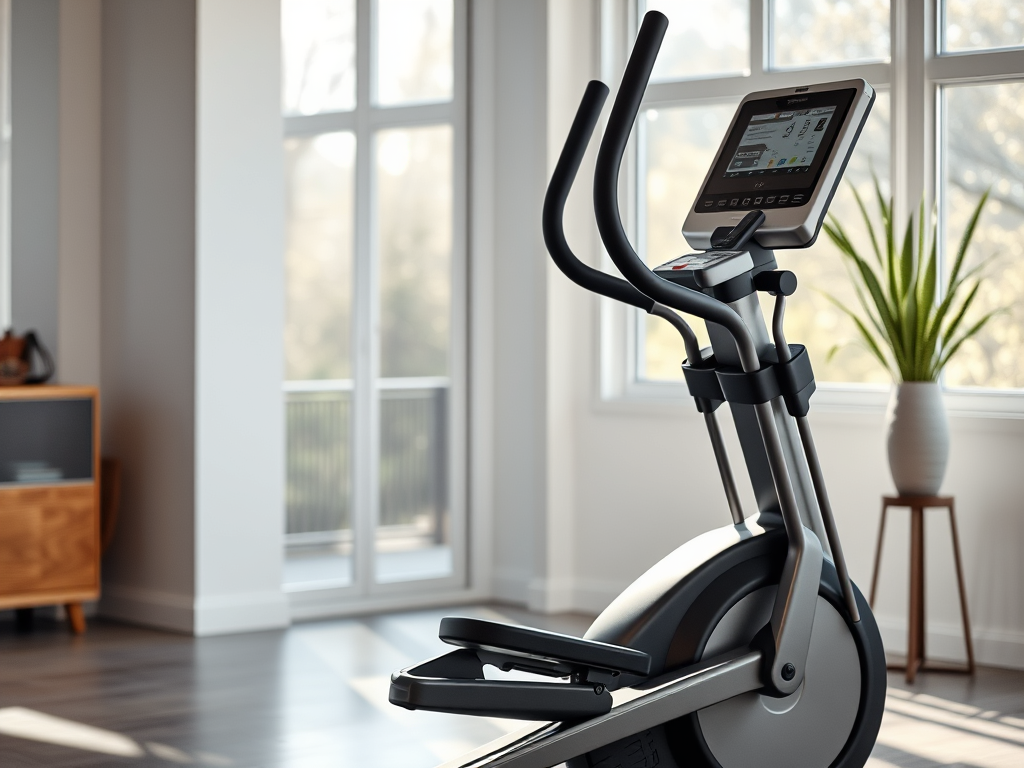
    1. Elliptical Trainer – Low-Impact and Full-Body

    • Why It’s Great: The elliptical is one of the best low-impact cardio machines available. It mimics running without the pounding on joints, and most models support 300–400 lbs. Handles also add an upper-body component.
    • Pros: Low joint stress, full-body workout, adjustable resistance.
    • Cons: Balance can be tricky at first; taller/bigger men may find stride length too short on cheaper models.
    • Beginner Workout: 10 minutes at a comfortable pace, alternating 1 minute of light resistance with 1 minute at slightly higher resistance.

    2. Rowing Machine (Rower) – High Calorie Burn, Low Impact

    • Why It’s Great: Rowing engages nearly every major muscle group: legs, back, arms, and core. It’s seated, making it joint-friendly, but demands proper form to protect the lower back.
    • Pros: Full-body strength + cardio, high calorie burn, compact design.
    • Cons: Form takes practice; some weight limits are capped at 300–350 lbs.
    • Beginner Workout: 30 seconds rowing, 60 seconds rest — repeat 10 times. Focus on form: drive with legs, hinge at hips, then pull arms.

    3. Treadmill (Walking, Not Running) – Accessible and Familiar

    • Why It’s Great: Walking is natural, familiar, and easy to track. A treadmill makes it possible regardless of weather or terrain. Look for models with 350+ lb capacity and shock absorption.
    • Pros: Accessible, simple to use, incline options boost calorie burn.
    • Cons: Higher impact than elliptical/bike; running is not beginner-friendly at higher weights.
    • Beginner Workout: 15 minutes of walking at 2–3 mph, with 1–2 minutes at a mild incline every 5 minutes.

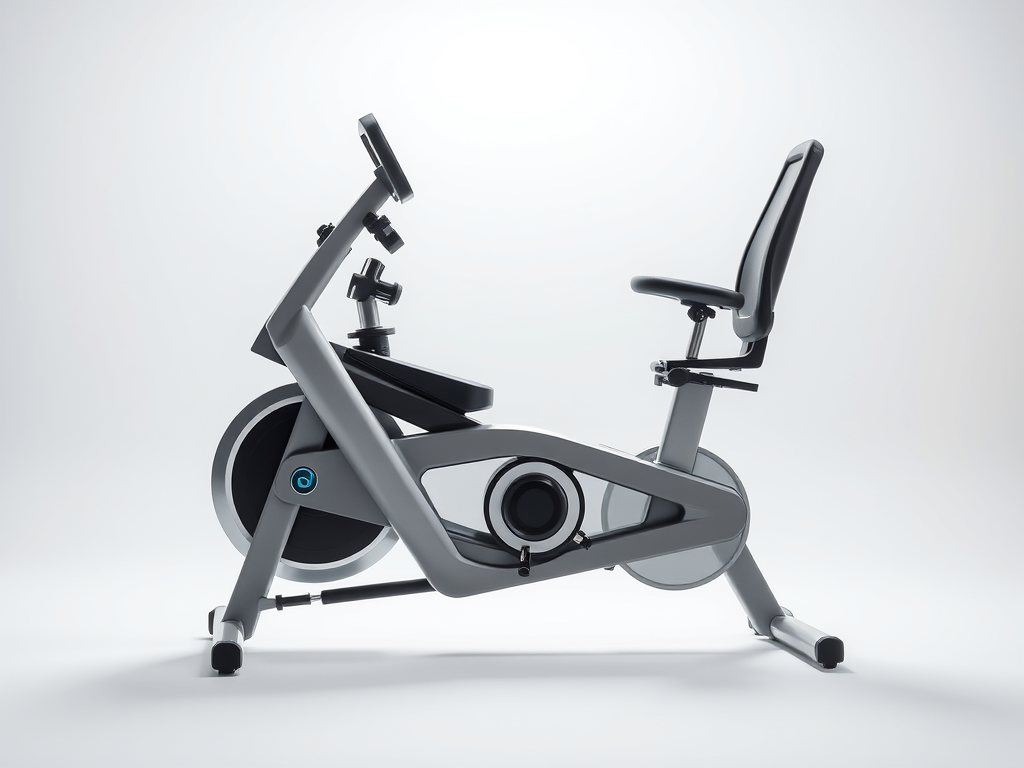
    4. Recumbent Bike – Comfort First

    • Why It’s Great: With its wide seat and reclined position, the recumbent bike is one of the most comfortable cardio machines. It’s excellent for beginners who struggle with joint pain or balance.
    • Pros: Low joint stress, supportive seat, long sessions possible.
    • Cons: Lower calorie burn than standing machines; less full-body engagement.
    • Beginner Workout: 20 minutes of steady cycling, maintaining a pace where you can talk but not sing.

    5. Stair Climber (Advanced Option) – Intense but Effective

    • Why It’s Great: If you want maximum calorie burn in a short time, the stair climber delivers. However, it’s tough on joints and balance, so it’s best introduced later in your journey.
    • Pros: High calorie burn, leg strength development.
    • Cons: Not ideal for very overweight beginners; weight limits may vary.
    • Beginner Workout: 5 minutes at the lowest setting, gradually building to 10–15 minutes.

    Sample Weekly Beginner Cardio Plan

    If you’re just starting out, aim for 3–4 sessions per week, 15–20 minutes each. Here’s a sample rotation:

    • Day 1: Elliptical – 15 minutes alternating easy and moderate resistance.
    • Day 2: Rest or light walking outdoors.
    • Day 3: Rowing – intervals of 30 seconds on, 60 seconds off, 10 rounds.
    • Day 4: Recumbent bike – 20 minutes steady pace.
    • Day 5: Treadmill walk – 15 minutes with mild incline bursts.

    Consistency matters more than intensity in the beginning. Over time, increase your sessions by 5 minutes or add intervals to boost your endurance.


    Related: How to Build a Workout Plan That Works for Your Frame: A Big and Tall Man’s Guide


    The Best Cardio Machine Is the One You’ll Actually Use

    When you’re overweight and starting out, the “best” cardio machine isn’t about what burns the most calories — it’s the one you’ll keep coming back to. Whether it’s the joint-friendly elliptical, the accessible treadmill, or the comfort of the recumbent bike, consistency is what transforms health and fitness.

    Start where you are, respect your body, and choose a machine that makes cardio feel doable, not punishing. Every step, pedal, or row is progress — and that’s what matters most.

  • Strength Training When You Can’t Do Push-Ups Yet: Starting Big

    Strength Training When You Can’t Do Push-Ups Yet: Starting Big

    Push-ups are one of the most iconic exercises in fitness. They show up in gym classes, bootcamps, military training, and almost every “beginner workout” guide online. But here’s the truth: push-ups are not beginner-friendly for everyone.

    If you’re carrying extra weight, dealing with joint limitations, or simply starting from scratch, push-ups can feel nearly impossible. And that’s okay. You don’t need to be able to do push-ups to build serious strength. Strength training is about progression, adaptation, and consistency — not about forcing your body into movements it’s not ready for.

    This guide will show you how to start strength training when you can’t do push-ups (yet), while building the foundation to eventually crush them if you want to.


    Why Push-Ups Feel Impossible (And Why That’s Okay)

    Push-ups require you to lift 60–70% of your bodyweight using just your upper body. For someone at 300 pounds, that’s like bench pressing nearly 200 pounds from day one. Add in wrist strain, shoulder stability, and core engagement, and you’ve got a move that isn’t “easy” — it’s advanced.

    The fitness industry often skips this reality, making many beginners feel discouraged. But here’s the good news: you can train the same muscles (chest, shoulders, triceps, core) with progressions and alternatives until you’re ready.


    Related: How to Modify Classic Exercises for Big and Tall Bodies (Push-Ups, Squats, Planks & More)


    Strength Training Alternatives to Push-Ups

    When push-ups aren’t accessible yet, the goal is to strengthen the same muscle groups in safer, more manageable ways.

    1. Wall Push-Ups

    • Stand arm’s length from a wall and press against it like you would the floor.
    • Adjust distance to make it easier or harder.
    • Builds chest, triceps, and core strength without stressing joints.

    2. Incline Push-Ups

    • Use a sturdy bench, box, or even a kitchen counter.
    • The higher the incline, the easier the push-up.
    • Gradually lower your incline over time as strength improves.

    3. Dumbbell Chest Press

    • Lie on a bench (or the floor if that’s more comfortable).
    • Press dumbbells straight up, then lower slowly.
    • Great for building chest and triceps without supporting your entire bodyweight.

    4. Seated Overhead Press

    • Sit upright and press dumbbells overhead.
    • Trains shoulders and triceps — both crucial for eventual push-up strength.

    5. Plank Progressions

    • Start with incline planks (hands on bench).
    • Aim to hold for 20–30 seconds, gradually building endurance.
    • Focuses on core and shoulder stability.

    Building a Beginner Strength Training Plan (No Push-Ups Required)

    Here’s a simple full-body beginner workout to build strength without push-ups:

    Day 1 – Upper Body Focus

    • Wall or incline push-ups: 3 sets of 8–12
    • Dumbbell chest press: 3 sets of 8–12
    • Seated overhead press: 3 sets of 8–12
    • Band rows or dumbbell rows: 3 sets of 10

    Day 2 – Lower Body Focus

    • Bodyweight squats to a chair: 3 sets of 10
    • Step-ups (low platform): 3 sets of 10 each leg
    • Glute bridges: 3 sets of 12
    • Calf raises: 3 sets of 15

    Day 3 – Core & Stability

    • Incline planks: 3 sets of 20–30 seconds
    • Bird-dogs: 3 sets of 8 each side
    • Side-lying clamshells (for hips): 3 sets of 12
    • Farmer carries (with dumbbells): 3 sets of 20 steps

    Do this 2–3 times per week, resting at least one day between workouts. Progress slowly, focusing on form over speed.


    How to Progress Toward Push-Ups (If You Want To)

    Not everyone needs to do push-ups — but if it’s a personal goal, here’s how to work toward it:

    1. Start with wall push-ups until they feel easy.
    2. Move to incline push-ups (bench, then lower surface).
    3. Add negatives: lower yourself slowly to the floor, then reset from knees.
    4. Try knee push-ups once you’re stronger.
    5. Attempt full push-ups when ready, even if it’s just one rep.

    Progress may take weeks or months — but every rep you do in between builds strength and confidence.


    Key Considerations for Bigger Bodies

    • Joint safety: Protect wrists and shoulders by using neutral-grip dumbbells or push-up handles.
    • Core support: Extra weight means extra demand on your core. Strengthen abs and lower back to prevent strain.
    • Patience is progress: Strength training is about consistency. Even if push-ups aren’t in your routine yet, the work you’re doing is moving you forward.

    Related: How to Train With Joint Pain and Mobility Issues


    Starting Big Is Still Starting Strong

    If you can’t do push-ups yet, you’re not behind — you’re on the path. Real strength training meets you where you are, not where the internet says you “should” be. By focusing on progressive alternatives, protecting your joints, and celebrating small wins, you’ll build lasting strength.

    Push-ups may come later, or they may not matter at all. What matters is that you’ve started. And starting big is still starting strong.

  • Stomach Fat Workouts: What Actually Works (and What Doesn’t)

    Stomach Fat Workouts: What Actually Works (and What Doesn’t)

    If you’ve searched for “stomach fat workout,” you’re not alone. Belly fat is one of the most common concerns for people beginning a fitness journey. Unfortunately, the internet is filled with myths: 100 crunches a day, “one weird trick,” or the idea that a single exercise will melt away fat.

    The truth? Spot reduction is a myth. You can’t burn fat from your stomach by doing ab exercises alone. But you can reduce overall body fat, strengthen your core, and build a fitter physique with the right combination of workouts, nutrition, and recovery. This guide explains what actually works — and what doesn’t.


    Why Belly Fat Is Stubborn

    Belly fat (especially visceral fat, the kind around your organs) tends to be more resistant to loss than fat in other areas. Here’s why:

    • Genetics: Your body decides where to lose fat first — and for many, the stomach is last.
    • Hormones: Stress-driven cortisol and poor sleep can make belly fat more persistent.
    • Lifestyle factors: Sedentary routines and processed diets promote storage around the midsection.

    Knowing this isn’t meant to discourage you — it’s meant to set realistic expectations. You can reduce stomach fat, but it requires a full-body approach.


    What Doesn’t Work for Stomach Fat

    • Crunch marathons: Strengthen abs but won’t burn the fat on top.
    • Spot reduction gadgets: Waist trimmers, “belly blasting” machines, and sweat belts don’t remove fat — they just cause temporary water loss.
    • Only doing cardio: Helpful, but without strength training, your metabolism won’t improve long term.

    Related: Low-Impact Cardio Workouts That Actually Burn Fat (Especially for Plus-Size Men)


    What Does Work for Stomach Fat

    1. Strength Training (2–4x per week)

    Lifting weights builds muscle, and muscle tissue burns more energy even at rest. Compound lifts also torch calories during and after workouts. Focus on:

    • Squats, lunges, and step-ups
    • Deadlifts and hip hinges
    • Bench press, push-ups, and overhead press
    • Pull-ups, rows, or lat pulldowns

    Titan Tip: Add weight or reps gradually. Even a 5-pound increase each week adds up.


    2. Cardio (3–5x per week)

    Cardio helps create the calorie deficit needed for fat loss. Mix steady-state with intervals:

    • Low-impact steady state: 30–45 minutes of brisk walking, swimming, cycling, or elliptical.
    • Intervals (HIIT): 30 seconds of effort (fast walk, row, cycle) + 1–2 minutes easy pace, repeated 8–10 times.

    Why both matter: Steady-state builds endurance and burns fat steadily, while intervals improve conditioning and boost metabolism after exercise.


    3. Core Training (2–3x per week)

    Core exercises won’t directly burn belly fat, but they’ll sculpt the muscles underneath and improve stability, posture, and strength.

    • Plank variations (front, side, shoulder tap)
    • Bird-dogs and dead bugs (great for beginners)
    • Russian twists, cable rotations, or medicine ball throws
    • Farmer’s carries for a functional challenge

    Titan Tip: Increase time under tension instead of just reps. A 60-second plank is tougher — and more effective — than 50 rushed crunches.


    Nutrition: The Real Key to Belly Fat Loss

    Even the best workout won’t reduce stomach fat if nutrition doesn’t align.

    • Calorie balance: You need a slight deficit (burning more than you eat), but not extreme starvation.
    • Protein focus: Aim for 25–30g of protein per meal to support muscle and recovery.
    • Fiber-rich foods: Vegetables, fruits, and whole grains help with satiety and gut health.
    • Cut liquid calories: Sugary drinks, alcohol, and “healthy” juices often stall fat loss.

    Titan Tip: Instead of overhauling your diet overnight, start by changing one habit — like replacing soda with water or adding protein at breakfast.


    Related: Summer Nutrition Tips for Plus Size Men: Fueling Your Fitness Journey in the Heat


    Recovery and Lifestyle Factors

    • Sleep 7–9 hours per night: Lack of sleep raises cortisol and increases belly fat storage.
    • Stress management: Meditation, journaling, or even walking outside lowers stress hormones.
    • Consistency: Sporadic workouts don’t deliver results. Three average weeks beat one “perfect” week followed by burnout.

    A 4-Week Stomach Fat Workout Plan

    Weeks 1–2

    • Day 1: Strength (squats, bench, rows, planks)
    • Day 2: 30-minute brisk walk
    • Day 3: Rest or light stretching
    • Day 4: Strength (deadlifts, push-ups, lat pulldowns, side planks)
    • Day 5: Interval cardio (8 rounds of 30-sec fast / 1-min slow cycling)
    • Day 6: Core circuit (plank, bird-dog, Russian twists) + light walk
    • Day 7: Rest

    Weeks 3–4

    • Increase cardio by 5 minutes each session.
    • Add 1 extra set to strength moves.
    • Progress planks to 45–60 seconds.

    This simple framework balances fat loss, strength, and core training without overwhelming beginners.


    Final Word

    The best “stomach fat workout” isn’t about blasting your abs for hours. It’s about combining strength training, cardio, core stability, nutrition, and recovery into a sustainable routine. That’s what reduces body fat overall — including the belly.

    Forget the quick fixes. Focus on consistent, balanced work, and your stomach fat will decrease as part of a stronger, healthier body transformation.