Tag: health

  • Weight Loss vs. Strength: Finding the Right Fitness Goal for Big and Tall Men

    Weight Loss vs. Strength: Finding the Right Fitness Goal for Big and Tall Men

    Why Fitness Goals Matter—Especially for Big and Tall Men

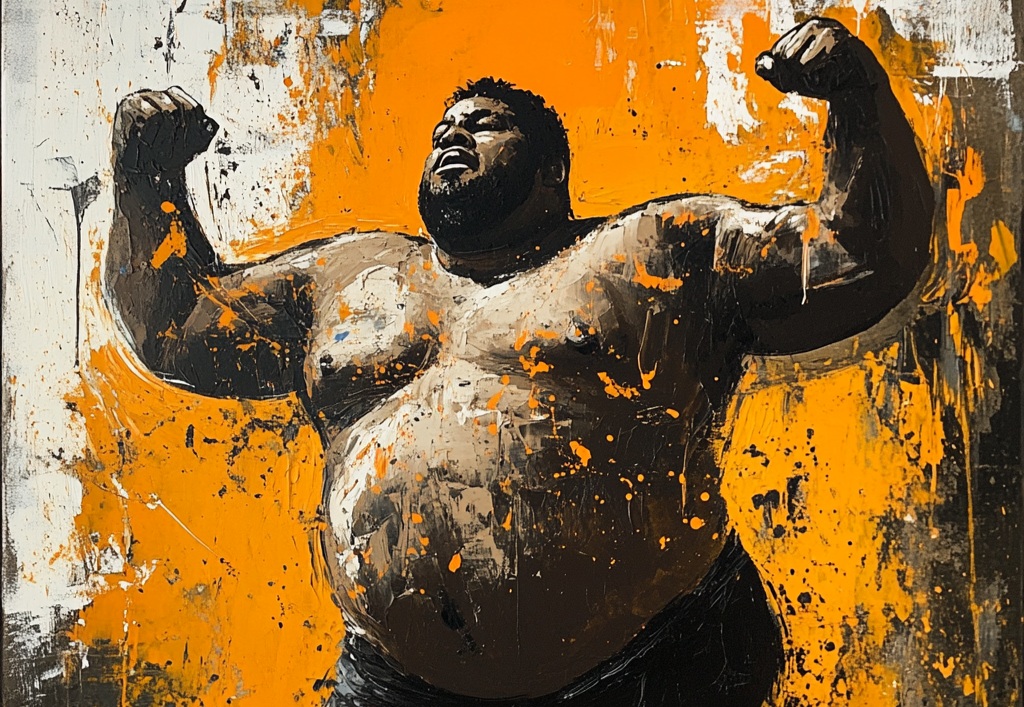
    Let’s face it—most mainstream fitness advice isn’t designed for big and tall men. Whether you’re 6’5” and solid or carrying extra weight, it’s easy to feel like your goals don’t fit the traditional mold. But here’s the truth: your size isn’t a problem—it’s a platform. The real challenge is choosing a goal that works with your body, not against it.

    So—should you focus on weight loss or strength building?

    Let’s break down the pros and cons of each, and how to find the best path for you.


    Related: How to Set Realistic Fitness Goals and Stay Motivated Along the Way


    Option 1: Weight Loss

    ✅ Pros:

    • May improve mobility, joint health, and cardiovascular endurance
    • Can reduce risk factors for conditions like sleep apnea or high blood pressure
    • May improve confidence in daily movement and clothing fit

    ❌ Watch Out For:

    • Rapid weight loss can lead to muscle loss, especially in bigger bodies
    • Many popular weight loss plans are under-calibrated for your actual caloric needs
    • “Smaller” doesn’t always mean “healthier” or “happier”

    Best For:

    • Men who feel limited by extra weight in daily activities or sports
    • Those with medical concerns related to body weight
    • Anyone looking to improve overall conditioning or endurance

    Option 2: Strength Building

    ✅ Pros:

    • Preserves (and increases) lean muscle mass
    • Boosts confidence and physical capability
    • Often improves body composition without focusing on the scale
    • Increases metabolic rate, making long-term fat loss easier

    ❌ Watch Out For:

    • May not result in dramatic scale changes early on
    • Requires commitment to proper form and recovery
    • Can become scale-obsessed if strength gains stall

    Best For:

    • Big guys who want to harness their size and feel powerful
    • Men with athletic goals or performance-driven mindsets
    • Anyone tired of diet culture and looking for sustainable progress

    Related: The Ultimate Guide to Strength Training for Bigger Bodies


    Mindset Check: It’s Not Either/Or

    Here’s the kicker: you don’t have to choose just one. Many big and tall men find success by blending strength training with fat loss strategies.

    The key is to reframe success:

    • ✅ Did your deadlift go up?
    • ✅ Do your joints feel better?
    • ✅ Is your stamina improving?
    • ✅ Do you feel more confident?

    These are all wins—even if the scale doesn’t move as much as you’d like.


    Practical Tips to Choose (and Stick With) Your Fitness Goal

    • Assess your motivation. Are you training for health, appearance, confidence, or performance? Your “why” will guide your plan.
    • Choose the right coach or program. Look for trainers who understand larger bodies and long limbs.
    • Track more than weight. Use measurements, strength gains, endurance, or even how your clothes fit.
    • Adjust as you go. Life changes, and so can your goals. Start with strength, shift to cutting later—or vice versa.

    Real Talk for Big and Tall Men

    You’re not broken. You don’t have to shrink to be strong or worthy. Fitness is a tool—not a punishment.

    Whether you choose to cut fat or build strength, the most powerful thing you can do is show up consistently and honor your body as it is today.

  • The Importance of Mobility: Stretching and Flexibility Tips for Big and Tall Men

    The Importance of Mobility: Stretching and Flexibility Tips for Big and Tall Men

    When it comes to fitness for big and tall men, mobility is often overlooked. However, maintaining flexibility and mobility is essential for improving overall fitness, reducing the risk of injury, and enhancing quality of life. Whether you’re lifting weights, running, or engaging in daily activities, good mobility ensures that your body moves efficiently and without discomfort.

    In this post, we’ll explore why mobility training is crucial for big and tall men, and share effective stretching and flexibility exercises to help you move better, feel stronger, and stay injury-free.

    1. Why Mobility Matters for Big and Tall Men

    For big and tall men, mobility can be especially important due to the increased stress placed on joints and muscles. Poor flexibility and stiffness can limit your range of motion, leading to pain and discomfort, especially in areas like the lower back, hips, and knees.

    Mobility exercises help improve joint health and muscle flexibility, ensuring that your body moves freely and efficiently. By incorporating mobility training into your fitness routine, you’ll:

    • Reduce muscle tightness and joint stiffness
    • Improve posture and alignment
    • Enhance athletic performance
    • Lower the risk of injury during physical activities
    • Increase flexibility, which can improve your workout performance

    Mayo Clinic: Stretching: Focus on Flexibility


    2. The Key Benefits of Mobility Training for Big and Tall Men

    For big and tall men, mobility training offers several key benefits that can directly enhance your fitness and lifestyle:

    • Improved Joint Health: Stretching and mobility exercises promote fluid movement within your joints, which can help reduce pain and discomfort in weight-bearing areas such as the knees and hips.
    • Better Posture: Mobility exercises, especially for the spine and hips, can help improve posture by relieving tightness in the upper body and promoting better alignment.
    • Enhanced Strength Training: As flexibility increases, you’ll be able to achieve a fuller range of motion during strength training exercises, allowing for better muscle engagement and improved results.
    • Reduced Risk of Injury: Regular mobility exercises help prevent injuries by ensuring that your muscles and joints are well-prepared for physical activities, reducing the risk of strains and sprains.

    3. Stretching and Flexibility Exercises for Big and Tall Men

    Here are some mobility exercises specifically designed to help big and tall men enhance flexibility and joint health:

    • Hip Flexor Stretch
      Tight hip flexors can lead to lower back pain and poor posture. This stretch will help open up the hips and relieve tightness in the lower body.
      • How to do it: Step one foot forward into a lunge position. Lower the back knee to the ground and gently push your hips forward, feeling a stretch along the front of the hip. Hold for 20-30 seconds and repeat on the other side.
    • Cat-Cow Stretch
      This exercise promotes spinal flexibility, improving posture and relieving tension in the back.
      • How to do it: Start on all fours with your hands under your shoulders and knees under your hips. Inhale and arch your back, dropping your belly towards the floor (Cow), then exhale and round your back, tucking your chin to your chest (Cat). Repeat for 10-15 reps.
    • Standing Forward Fold
      This stretch targets the hamstrings, lower back, and calves. It’s excellent for big and tall men who spend a lot of time sitting or have tight hamstrings.
      • How to do it: Stand with feet hip-width apart, bend at the hips, and reach for your toes while keeping your knees slightly bent. Hold for 30 seconds, then slowly return to standing.
    • Thoracic Spine Rotation
      This exercise improves upper back mobility, which can help with posture and reduce stiffness in the shoulders.
      • How to do it: Sit on the floor or stand with feet hip-width apart. Place your hands behind your head and rotate your torso to one side, keeping your hips stable. Hold for 10 seconds, then rotate to the other side. Repeat 5-10 times per side.
    • Seated Hamstring Stretch
      This simple stretch targets the hamstrings, improving flexibility in the lower body and preventing tightness.
      • How to do it: Sit on the floor with one leg extended straight out and the other leg bent, foot towards your inner thigh. Reach toward the toes of your extended leg, feeling the stretch in your hamstring. Hold for 20-30 seconds and switch sides.

    Related: Top 5 Weightlifting Techniques for Big and Tall Men: Maximize Your Muscle Gains


    4. How Often Should Big and Tall Men Incorporate Mobility Exercises?

    For big and tall men, consistency is key when it comes to mobility training. Aim to incorporate stretching and flexibility exercises into your routine at least 3-4 times a week. If you are recovering from an injury or have particularly tight muscles, you may benefit from adding daily mobility exercises.

    Remember, mobility work doesn’t have to be time-consuming. Even spending 5-10 minutes after your workout or first thing in the morning can provide substantial benefits for your overall flexibility, joint health, and performance.

    5. Tips for Staying Consistent with Mobility Training

    • Set a Routine: Consistency is crucial. Schedule time in your week for stretching and mobility exercises, and treat it as an important part of your fitness plan.
    • Listen to Your Body: Stretching should never feel painful. Focus on gradual progress and listen to your body’s signals to avoid over-stretching.
    • Combine with Strength Training: Mobility exercises can complement your strength training routine by helping you achieve a full range of motion, improving overall performance.

    Make Mobility a Priority in Your Fitness Routine

    For big and tall men, mobility training is not just an optional add-on—it’s an essential component of a well-rounded fitness plan. By improving flexibility and joint health, you’ll enhance your athletic performance, reduce injury risk, and enjoy a more comfortable, active lifestyle. Start incorporating stretching and mobility exercises today and experience the long-term benefits of a more flexible, stronger, and healthier body.

  • Embracing Your Body: Why Self-Love is Essential for Big and Tall Men’s Mental Health

    Embracing Your Body: Why Self-Love is Essential for Big and Tall Men’s Mental Health

    Self-love is a powerful tool for enhancing mental health and fostering a positive outlook on life. For big and tall men, cultivating this sense of self-love can be especially impactful, as societal pressures and stereotypes often create challenges that affect how we see ourselves. But embracing your body and learning to love it is key to building confidence, improving mental well-being, and living a fulfilling life.

    In this post, we’ll explore why self-love is essential for big and tall men’s mental health and how to practice body positivity every day. Whether you’re navigating societal expectations, battling self-doubt, or simply looking for a boost of confidence, this guide is here to inspire you to love yourself unapologetically.

    1. Challenging Societal Standards: Why Embracing Your Size Matters

    Society often imposes unrealistic body standards, which can lead to negative self-image and mental health struggles, especially for big and tall men. Whether it’s the pressure to fit into certain clothing sizes, the portrayal of slim, toned bodies in media, or the teasing and bullying that some face, these challenges can make it hard to embrace who you are.

    However, embracing your size means rejecting these limiting standards and recognizing your body as strong, unique, and worthy of love. By doing so, you empower yourself to break free from negativity and focus on the things that make you happy and confident.


    Related: Embracing the Mirror: Body Positivity for Plus-Size Men


    2. The Link Between Self-Love and Mental Health

    Self-love directly impacts mental health by helping to reduce stress, anxiety, and feelings of inadequacy. When you accept and appreciate your body as it is, you reduce the pressure to constantly meet external expectations, which can alleviate mental health struggles like depression and anxiety.

    For big and tall men, practicing self-love means acknowledging your worth beyond physical appearance. It’s about recognizing your talents, strengths, and unique qualities. With a healthier mental state, you’re better equipped to tackle life’s challenges and enjoy the relationships and opportunities that come your way.

    3. How to Practice Self-Love for Big and Tall Men

    Here are some practical steps you can take to build a stronger connection with yourself and boost your self-love:

    • Focus on Fitness, Not Size: Prioritize your health over fitting into a particular mold. Whether you’re into weightlifting, yoga, or cardio, staying active promotes mental well-being and self-esteem.
    • Wear What Makes You Feel Good: When shopping for clothes, focus on finding items that make you feel confident, not on the size tag. Many brands are now offering stylish options for big and tall men, making it easier to embrace fashion that suits your style.
    • Surround Yourself with Positivity: Build a support network of friends, mentors, and communities that encourage body positivity. Engage with content that promotes inclusivity and celebrates diverse body types.
    • Challenge Negative Self-Talk: Be aware of how you talk to yourself. Instead of focusing on perceived flaws, practice affirmations that remind you of your strengths, talents, and unique qualities.

    Related: Affirms With Confidence: The Power of Positive Self-Talk


    4. The Power of Representation in Media

    Seeing big and tall men represented in media—whether in movies, advertisements, or social media—is crucial for fostering self-love. The more diverse body types we see in the media, the more we can shift society’s focus away from unrealistic beauty standards.

    As a big and tall man, your presence in the world, whether through your career, hobbies, or interactions, can inspire others to embrace themselves too. Representation matters, and you can be a part of changing the narrative by owning your identity proudly.

    5. Creating a Healthy Mindset for Self-Acceptance

    Self-love is an ongoing journey, and it’s essential to keep reinforcing it in your daily life. Start by setting small goals for yourself, whether it’s engaging in a self-care routine, practicing gratitude, or seeking therapy or counseling for support.

    Remember, the key to embracing your body is understanding that self-worth comes from within. By practicing self-love consistently, you’ll build a strong foundation for mental health, confidence, and happiness.

    Embrace Who You Are

    As a big and tall man, your body is a reflection of your unique strength, resilience, and character. Embracing it with love and care is not only essential for your mental health, but it also sets a positive example for others. Don’t let societal pressures define your worth. Instead, learn to love yourself, flaws and all, and live life with confidence and pride.

  • Top 5 Weightlifting Techniques for Big and Tall Men: Maximize Your Muscle Gains

    Top 5 Weightlifting Techniques for Big and Tall Men: Maximize Your Muscle Gains

    Weightlifting for Big and Tall Men

    As a big and tall man, starting or continuing your weightlifting journey can feel overwhelming. The gym environment, combined with the fear of injury or feeling out of place, often discourages many from reaching their full potential. But don’t let that stop you!

    Weightlifting is one of the most effective ways for big and tall men to increase strength, improve muscle tone, and build confidence. The key to achieving maximum muscle gains lies not just in lifting heavy weights but in using proper weightlifting techniques that prevent injury and optimize your performance.

    In this post, we’ll break down the top 5 weightlifting techniques every big guy should focus on to maximize muscle gains and ensure long-term fitness success.


    1. Focus on Proper Form and Posture

    Why It’s Important:
    Proper form is the foundation of effective weightlifting. Whether you’re lifting light or heavy weights, improper form can lead to muscle imbalances and increase the risk of injury—especially for big and tall men, whose bodies may have different leverage points compared to others.

    Key Tips for Correct Form:

    • Feet and Grip: Keep your feet flat on the ground and ensure your grip is firm, but not too tight. Adjust your stance according to your body type—bigger frames may benefit from a wider stance.
    • Back Position: Keep your spine neutral, avoiding excessive arching or rounding of your back, especially when lifting heavy.
    • Engage Core Muscles: Always tighten your core during lifts to protect your lower back.

    How This Technique Maximizes Gains:
    By focusing on proper form, you’ll engage the right muscles and reduce unnecessary strain on joints, improving both performance and safety during your lifts.


    2. Start With Compound Movements

    Why It’s Important:
    For big guys, compound movements—exercises that target multiple muscle groups—are essential for overall muscle development. They help build foundational strength while saving time by working several muscle groups at once.

    Top Compound Movements for Big and Tall Men:

    • Deadlifts: Great for building overall strength and targeting the hamstrings, glutes, back, and core.
    • Squats: A staple for leg development and core strength.
    • Bench Press: Excellent for developing chest, shoulders, and triceps strength.
    • Overhead Press: Builds shoulder and upper body strength.

    How This Technique Maximizes Gains:
    Compound lifts activate larger muscle groups and promote better coordination, leading to faster muscle growth and increased strength in your key lifts. They also enhance functional fitness, which is crucial for big guys looking to build strength and power.


    Related: Weightlifting for Beginners: A Plus-Size Man’s Guide to Getting Stronger, Safer


    3. Use a Controlled Tempo

    Why It’s Important:
    Many lifters rush through their sets, focusing on lifting the weight as quickly as possible. However, this approach can diminish muscle engagement and increase the risk of injury.

    How to Control Tempo:

    • Slow Down the Eccentric Phase: The eccentric phase is when you’re lowering the weight. Slow down this phase to increase time under tension, which helps stimulate muscle growth.
    • Pause at the Bottom: Pausing for a second at the lowest point of each rep, particularly during squats and bench presses, ensures that you’re fully engaging the muscle before moving upward.
    • Explode Up: On the concentric (lifting) phase, explode upward with power but maintain control.

    How This Technique Maximizes Gains:
    A controlled tempo increases muscle tension throughout the lift, which enhances muscle fiber recruitment and promotes faster growth. By focusing on technique, you also reduce the likelihood of injury, allowing you to lift heavier over time.


    4. Utilize Progressive Overload

    Why It’s Important:
    To continue seeing muscle gains, you must consistently challenge your muscles by increasing the weight or resistance over time. This principle is known as progressive overload.

    How to Implement Progressive Overload:

    • Gradually increase the weight you’re lifting. Start with small increments (e.g., 2.5–5 pounds) to avoid overwhelming your body.
    • Alternatively, increase reps or the number of sets.
    • You can also reduce rest time between sets to push your muscles harder.

    How This Technique Maximizes Gains:
    Progressive overload ensures that your muscles are always adapting to new challenges, leading to increased strength, size, and performance. By continually pushing your limits in a controlled way, you’re setting the stage for muscle growth.


    Related: Progressive Overload for Bigger Bodies: How to Continuously Build Strength Safely


    5. Prioritize Recovery and Rest

    Why It’s Important:
    Muscles grow during recovery, not during the workout itself. Especially for big and tall men, recovery becomes crucial because of the added strain that heavier body mass can place on muscles and joints.

    Key Recovery Tips:

    • Rest Between Sets: For strength training, rest 2-3 minutes between sets to allow muscles to recover. For hypertrophy (muscle growth), aim for 60–90 seconds of rest.
    • Sleep: Ensure you’re getting enough sleep (7-9 hours per night) to aid in muscle repair and growth.
    • Stretch and Foam Roll: Incorporate stretching and foam rolling to release tightness and improve mobility.

    How This Technique Maximizes Gains:
    Allowing adequate recovery time not only prevents overtraining but also helps muscles rebuild stronger and larger. Rest is just as important as the workout itself, so don’t overlook the power of proper recovery.


    Take Charge of Your Weightlifting Journey

    By implementing these five essential weightlifting techniques, big and tall men can maximize their muscle gains, improve strength, and reduce the risk of injury. Focus on perfecting your form, start with compound movements, use a controlled tempo, prioritize progressive overload, and give your body the recovery it needs.

    Remember, weightlifting is a journey—embrace the process, stay consistent, and watch your strength and muscle mass grow.

  • Chafing, Support Gear & Other Things Big Dudes Shouldn’t Have to Google

    Chafing, Support Gear & Other Things Big Dudes Shouldn’t Have to Google

    Let’s Talk About the Unspoken Stuff

    Look, we get it—working out as a big guy comes with unique challenges. And while fitness influencers are out here talking about macros and PRs, you’re over here googling “how to stop thighs from catching fire during cardio.”

    This post is your no-BS guide to the real-life, often-ignored issues plus-size men face when getting active. From chafing hacks to supportive gear that won’t cut off your circulation, we’ve got your back—and your thighs.


    Related: Knee-Friendly Leg Day: Exercises That Spare the Joints but Build Mass


    1. The Chafing Struggle Is Real—But Fixable

    If you’ve ever waddled out of a workout with inner thighs feeling like sandpaper, you’re not alone. Chafing is one of the most common and annoying issues for big and tall guys.

    Quick Fixes & Long-Term Solutions:

    • Anti-Chafe Creams: Try Body Glide or Gold Bond Friction Defense. They create a smooth, moisture-resistant barrier.
    • Compression Shorts: Wear under your workout shorts to prevent skin-on-skin contact. Look for long inseams and size-inclusive brands.
    • Moisture-Wicking Fabrics: Ditch cotton. Opt for breathable, synthetic blends that keep sweat away from the skin.

    Related: The Ultimate Guide to Moisture-Wicking Clothing: A Deep Dive for Plus-Size Men


    2. Supportive Underwear = Game Changer

    Standard underwear isn’t built for big movement or bigger bodies. When you’re lifting, squatting, or just sweating it out, supportive underwear can save the day.

    What to Look For:

    • Pouch support without tight constriction
    • Wide waistbands that don’t roll or dig in
    • Breathable mesh zones for airflow where you need it most

    Try brands like PSD, 2UNDR, or Tommy John (XXL+ sizes available).


    3. Compression Gear That Fits—And Works

    Compression is about more than squeezing into Spandex. The right plus-size compression gear can:

    • Improve circulation
    • Reduce post-workout soreness
    • Provide joint and muscle support

    Look for brands like:

    • Under Armour Big & Tall line
    • Nike Plus Size Training Gear
    • 2XU (offers extended sizing and targeted support)

    4. Footwear Built for Bigger Bodies

    Your knees and back aren’t just tired—they’re often overworked because of improper footwear. Heavyweight athletes need shoes that absorb impact and support larger frames.

    What to Look For:

    • Extra midsole cushioning
    • Wide toe boxes
    • High arch or flat-foot support (based on your gait)

    Top Picks:


    Related: Best Shoes for Bigger Guys (That Actually Support Your Weight)


    5. Hydration, Cooling & Other “Why Didn’t I Know That?” Tips

    • Cooling towels are your best friend for outdoor workouts
    • Always carry hydration packs or wide-mouth water bottles
    • Use deodorant on thighs or underarms to reduce friction
    • Keep extra socks in your gym bag—sweaty feet = blisters waiting to happen

    Your Body Deserves Comfort AND Performance

    Fitness should never feel like punishment—especially not because of gear that doesn’t work for you. The right tools, tips, and support make a world of difference.

    Big guys deserve function, comfort, and confidence in every single workout.

    Because let’s be real: you’ve got enough reps to push through. Your gear shouldn’t be another one.

  • Allyship 101: How to Support Fellow Big and Tall Men in Everyday Life

    Allyship 101: How to Support Fellow Big and Tall Men in Everyday Life

    Why Allyship Matters in the Big and Tall Men’s Community

    In a world where representation still leans heavily toward a single body type, big and tall men often find themselves on the sidelines—overlooked, misunderstood, or simply ignored. That’s why allyship within the plus-size men’s community is not just important—it’s powerful.

    Whether you’re a big guy supporting another brother, a straight-sized friend, or an ally who wants to do better, your role matters. Showing up with empathy, awareness, and action can shift the culture in big ways.


    Related: The Power of Accountability: How to Build a Supportive Fitness Community


    1. Normalize Big Bodies in Conversations

    Too often, discussions around men’s health, style, or performance come with subtle jabs about weight or appearance. Stop the stigma by:

    • Speaking positively about your own body and others’
    • Challenging fatphobic comments or “jokes”
    • Redirecting conversations away from unsolicited advice

    2. Celebrate Wins Loudly—Not Quietly

    When a big guy starts a fitness journey, nails a look, or lands a major opportunity, don’t whisper encouragement—amplify it.

    • Share his content
    • Comment with genuine hype
    • Invite him into conversations where his voice matters

    Every boost helps fight the invisibility many plus-size men feel.


    3. Support Inclusive Brands & Content Creators

    Put your money (and clicks) where your values are. Follow and support brands that cater to big and tall fashion, creators who speak on plus-size lifestyle, and blogs (like this one!) that celebrate size diversity.

    A few ways to do that:

    • Buy from size-inclusive clothing lines
    • Share blog posts and YouTube videos by big creators
    • Leave reviews mentioning inclusive fit or representation

    Related: Top 7 Brands That Nail Plus Size Men’s Suits (Without Compromise)


    4. Be Mindful of Fitness & Health Talk

    Fitness doesn’t always equal thinness, and thinness doesn’t always mean health. When talking wellness, avoid assuming goals like weight loss. Instead:

    • Ask open-ended questions
    • Respect each individual’s journey
    • Celebrate strength, energy, and consistency—not appearance

    5. Create Safe, Shame-Free Spaces

    Whether it’s in the gym, the group chat, or the office, think about how your environment feels to the men around you.

    • Do they feel seen?
    • Can they speak freely without ridicule?
    • Are their needs (physically and emotionally) considered?

    If not, be the one to change the tone. Big men deserve safe spaces too.


    6. Speak Up—Even When It’s Uncomfortable

    Sometimes allyship means checking a friend, co-worker, or even family member when they cross a line. It’s not about calling out for clout—it’s about calling in with care and honesty.

    Speak up:

    • When someone mocks a big guy’s appearance
    • When a brand excludes sizes in a campaign
    • When assumptions are made about ability or laziness

    Real Allyship Is Ongoing

    Supporting plus-size and big and tall men goes beyond a single act—it’s a mindset shift. It’s about creating a world where every man, regardless of size, feels valued, heard, and included.

    Let’s keep building each other up. Let’s be louder, prouder, and more present.

    Because allyship for big men isn’t a trend—it’s a necessity.


    NC State University: What is a Safe Space?

  • What to Look for When Buying the Best Gym Clothes for Big Guys

    What to Look for When Buying the Best Gym Clothes for Big Guys

    When you’re a big guy hitting the gym, finding the right workout clothes can make or break your experience. Ill-fitting gear can distract you, limit your range of motion, and even discourage you from showing up. But the right gym wear? It can boost your confidence, keep you comfortable, and help you train without distractions. Let’s break down what to look for when choosing the best gym clothes for big guys.

    Prioritize Fit That Moves With You

    Comfort starts with fit. For plus-size men, that means steering clear of overly tight or baggy pieces. Look for athletic-cut shirts and tapered joggers that give you room in the chest, shoulders, thighs, and calves—but still offer a streamlined look.

    • Tops: Go for raglan sleeves or relaxed fits that won’t restrict shoulder movement.
    • Bottoms: Stretch-waist joggers or shorts with an adjustable drawstring give flexibility while staying secure during movement.
    • Layering: Consider longer-cut shirts or base layers that stay put when you move.

    Choose Moisture-Wicking and Breathable Fabrics

    Sweat happens—but it shouldn’t cling or weigh you down. The best gym clothes for big guys are made with moisture-wicking fabrics like polyester blends or performance cotton that help regulate body temperature and keep you dry.

    • Look for: Terms like “dry-fit,” “climate control,” or “performance fabric” on labels.
    • Avoid: Heavy cotton or stiff materials that trap heat and hold moisture.

    Related: Moisture-Wicking Clothes for Bigger Guys: Stay Dry, Cool, and Comfortable


    Supportive Waistbands and Reinforced Stitching

    Your gear should stay in place no matter how hard you push. That’s where reinforced stitching, flatlock seams, and non-roll waistbands come into play. These details aren’t just about durability—they’re about comfort and confidence.

    • Flat seams reduce chafing.
    • Elastic waistbands with compression panels offer support without digging in.
    • Gusseted crotch designs in shorts and pants reduce bunching and increase mobility.

    Focus on Function and Flexibility

    Big guys often need extra stretch and support in their activewear. Look for clothes with spandex or elastane blends to allow full range of motion—especially when lifting, squatting, or doing cardio.

    • Four-way stretch fabrics move with you, not against you.
    • Zippered pockets keep essentials secure during workouts.
    • Mesh panels add airflow where you need it most.

    Related: Best Plus Size Swimwear for Men: Comfort, Fit, and Confidence


    Style Matters Too

    You want to look good while you work hard—and you should. Fortunately, many athletic brands now offer plus-size gym clothes that are stylish, flattering, and functional. Stick to darker tones if you want a slimming effect, or go bold with vibrant colors and patterns that show personality.

    • Match your gear to your vibe—streetwear-inspired pieces are great for gym-to-street transitions.
    • Opt for clean lines and simple graphics for a modern, athletic look.

    Related: The Best Big and Tall Urban Clothing for Stylish, Comfortable Looks for Men


    Buy Once, Wear Often

    Invest in a few high-quality essentials—a couple of moisture-wicking tees, supportive shorts or joggers, and a durable hoodie or jacket for layering. When you focus on quality and fit over quantity, you’ll feel more comfortable, perform better, and build a wardrobe that supports your fitness journey long-term.

    Ready to gear up? Start with these tips and you’ll be one step closer to finding the best gym clothes for big guys that work just as hard as you do.

  • Fitocracy and the Rise of Social Fitness Communities

    Fitocracy and the Rise of Social Fitness Communities

    When it comes to getting fit and staying motivated, having a solid community can make all the difference. Long before social fitness was mainstream, Fitocracy helped pioneer the concept of combining social networking with fitness tracking. It wasn’t just about reps and sets—it was about support, encouragement, and a sense of belonging.

    Here’s how Fitocracy became a foundational force in social fitness communities, and why it still matters today.

    The Origin of Fitocracy

    Founded in 2010 by Brian Wang and Dick Talens, both self-described fitness nerds, Fitocracy was born from a simple idea: make fitness more fun and engaging by using the same game mechanics that keep people hooked on video games.

    The platform allowed users to log workouts, earn points, and level up their fitness journeys—all while connecting with like-minded individuals. This was a huge shift from traditional gym apps and paved the way for a new era of fitness accountability.


    Related: Is Fitocracy Still Worth It in 2025? Real Talk for Bigger Guys Who Want Progress, Not Pressure


    Gamification Meets Community

    What truly set Fitocracy apart was its integration of gamification and a tight-knit, supportive social network. Users didn’t just track workouts—they joined groups, accepted challenges, and cheered each other on. The sense of camaraderie and community encouraged consistency, especially for those who didn’t feel comfortable in gym environments.

    Whether you were a beginner or an athlete, Fitocracy gave you a space to grow with others on similar paths.

    Support for All Fitness Levels

    Fitocracy’s forums and groups became safe spaces for people of all sizes, backgrounds, and fitness levels. This was especially meaningful for men who didn’t identify with typical gym culture. Instead of being judged, users found support, advice, and celebration of their progress—no matter how small.

    It became more than just an app; it became a community of transformation.


    Related: Strong Together: How Plus Size Men Are Redefining Fitness Through Community Support


    How Fitocracy Holds Up Today

    While newer apps have entered the scene, Fitocracy remains a nostalgic and powerful tool for many fitness-minded individuals. Though it no longer has the mainstream spotlight, its core features—progress tracking, gamification, and community-driven encouragement—still resonate.

    Many of its longtime users continue to advocate for the app, not just because it tracks gains, but because it helped them feel seen and motivated.

    The Legacy of Fitocracy in the Social Fitness Space

    Fitocracy inspired a wave of similar apps—from Strava to MyFitnessPal—proving that social connection is just as important as physical effort in the fitness journey. Its legacy lives on in how we now approach online fitness: with community at the core.

    Why Fitocracy Still Matters

    • Accountability through community
    • Gamified progress tracking
    • Beginner-friendly atmosphere
    • No-pressure social support
    • Motivational challenges and quests

    Whether you’re just starting out or looking for a new way to stay inspired, revisiting or discovering Fitocracy could be the game-changer your fitness journey needs.


    Related: The Power of Accountability: How to Build a Supportive Fitness Community


    Rediscover the Power of Social Fitness

    In a world full of solo workout routines and disconnected fitness apps, Fitocracy’s approach is a refreshing reminder that fitness is better together. If you’re tired of going it alone, or if you want a fitness experience that feels more like fun and less like work, it might be time to give Fitocracy a shot.

    Let community power your comeback.

  • Why Fitocracy Is the Best Fitness App for Gamers Who Want to Get in Shape

    Why Fitocracy Is the Best Fitness App for Gamers Who Want to Get in Shape

    If you’re a gamer who’s more comfortable grinding levels in a virtual world than grinding reps at the gym, there’s an app made just for you—Fitocracy. Designed to combine the thrill of leveling up with real-life fitness goals, Fitocracy has become a go-to for gamers who want to get in shape without losing the sense of progress and achievement they love.

    Here’s why Fitocracy stands out and how it turns fitness into a game you’ll actually want to play.

    Gamified Fitness That Feels Like an RPG

    At its core, Fitocracy is built like a role-playing game. Every time you log a workout, you gain experience points (XP). Complete a set of push-ups? You earn XP. Conquer a tough run? More XP. As you accumulate points, you level up—just like in your favorite RPG.

    This approach taps into a gamer’s natural love for progression, challenges, and achievements. You’re not just exercising—you’re questing, leveling, and building a stronger version of yourself.

    Quests, Badges, and Achievements

    Fitocracy isn’t just about logging workouts. It’s filled with quests and badges designed to keep you motivated. Think of them as side missions that reward consistency and effort. For example, complete a week of full-body workouts and you might unlock a new badge.

    These rewards don’t just keep the experience fresh—they help you build positive habits through short-term goals, much like dailies in a video game.


    Related: The Power of Small Wins: Why Micro Goals Lead to Major Changes


    A Supportive Community That Speaks Your Language

    One of Fitocracy’s biggest draws is its community. It’s filled with people who understand what it’s like to be a beginner, to struggle with motivation, or to be more at home with a controller than a kettlebell. You’ll find groups based around fandoms, fitness levels, and specific goals—meaning you’re never grinding alone.

    This social aspect is what makes Fitocracy feel more like a multiplayer game than a solo grind.


    Related: The Power of Accountability: How to Build a Supportive Fitness Community


    Built-In Coaching Options for When You Want to Get Serious

    For gamers who want to step it up, Fitocracy offers personal coaching through its premium features. You can get custom workout plans, nutritional guidance, and daily accountability from certified trainers. It’s like having a party healer or tank by your side—except this time, they’re helping you hit your personal bests.

    Even better, many of these trainers have experience working with beginners or people who are just getting back into fitness, making it approachable and stress-free.

    Why Fitocracy Works for Gamers

    • Progress tracking feels like leveling up a character.
    • Daily quests and challenges turn workouts into missions.
    • Badges and achievements provide that dopamine hit every gamer loves.
    • Community support offers camaraderie, just like a guild.
    • Coaching options give you access to your own personal guide or mentor.

    Turning Real Life Into Your Greatest Game

    If you’ve ever wished the gym felt more like a boss battle—or if you just want a fitness app that actually makes you excited to move—Fitocracy is a game-changer. It’s more than a tracker. It’s a mindset shift that turns working out into something fun, addictive, and fulfilling.

    So if you’re ready to level up IRL, download Fitocracy and start your fitness quest today.

  • The Best Gym Equipment Brands for Plus-Size Men: Easy-to-Use Picks for Beginners

    The Best Gym Equipment Brands for Plus-Size Men: Easy-to-Use Picks for Beginners

    When starting a fitness journey, especially as a plus-size man, choosing the right gym equipment can make or break your experience. Comfort, safety, and ease of use are non-negotiables when selecting the best gym equipment brands. Whether you’re building a home gym or just getting familiar with strength training and cardio, finding gear that fits your body and supports your goals is essential.

    In this guide, we’ll break down the best gym equipment brands for plus-size beginners, with a focus on functionality, accessibility, and comfort.

    Why Choosing the Right Equipment Matters for Plus-Size Men

    Not all fitness gear is created equal. For plus-size men, equipment needs to be durable, supportive, and designed with weight capacity and ergonomic design in mind. The best gym equipment brands offer machines and accessories that make working out feel less intimidating and more empowering—especially for beginners who may be easing into new routines.


    Related: Top Resistance Band Exercises for Plus-Size Strength and Mobility


    What to Look for in Gym Equipment for Bigger Bodies

    Before diving into specific brands, here’s what you should prioritize:

    • High weight capacity (at least 300-400 lbs)
    • Wide seating and stable base design
    • Easy-to-read digital displays
    • Low-impact motion options (like recumbent bikes and resistance bands)
    • Adjustable settings for personalized comfort

    Now, let’s look at the brands that check all these boxes.


    1. Nautilus – Beginner-Friendly Machines with Bigger Bodies in Mind

    Nautilus is known for its reliable, well-constructed gym equipment, especially for cardio and strength training. Their recumbent bikes and elliptical machines are top choices for plus-size beginners. With wide seats, easy step-through access, and smooth resistance options, Nautilus makes it easier to get started—without feeling overwhelmed.

    Top Picks:


    2. Bowflex – Compact Home Gym Gear That Works for All Sizes

    Bowflex is one of the best gym equipment brands for plus-size men who want a versatile, space-saving solution at home. The brand offers everything from adjustable dumbbells to all-in-one home gyms. Their designs emphasize smooth motion and adjustable resistance, making it easy for beginners to scale workouts to their fitness level.

    Top Picks:


    3. Sole Fitness – Heavy-Duty Treadmills and Bikes for Heavier Users

    Sole Fitness specializes in cardio equipment with high weight capacities and reinforced frames. Their treadmills and bikes are built to last and offer ample room for movement, making them ideal for plus-size users just getting started with walking, cycling, or interval workouts.

    Top Picks:


    4. ProForm – Tech-Friendly and Comfortable for New Gym Goers

    ProForm stands out with its interactive iFit technology and affordable pricing. Their elliptical machines and rowers offer solid support for plus-size users, with intuitive controls and generous sizing. This brand is perfect for beginners who want guidance and motivation built right into the equipment.

    Top Picks:


    5. LifeSpan Fitness – Quiet, Supportive Options for Home Workouts

    LifeSpan’s home gym solutions are great for those who prefer a low-noise, user-friendly setup. Their treadmills, bikes, and under-desk equipment cater to all body types with generous weight capacities and extra stability. It’s one of the best gym equipment brands for building a safe and accessible home workout zone.

    Top Picks:


    Bonus: Don’t Forget Accessories for Plus-Size Support

    In addition to machines, it’s important to invest in fitness accessories that offer support and comfort:

    • Wider yoga mats and non-slip surfaces
    • Heavy-duty resistance bands
    • Adjustable kettlebells with ergonomic handles
    • Ankle or wrist weights for low-impact workouts

    Related: Weightlifting for Beginners: A Plus-Size Man’s Guide to Getting Stronger, Safer


    Finding the Best Fit: Start With Comfort, Stay for Progress

    Starting your fitness journey doesn’t mean jumping into complex routines or uncomfortable workouts. The right gear can make a world of difference in how you feel about exercise. With these best gym equipment brands for plus-size men, you’ll find beginner-friendly machines designed to support your body, boost your confidence, and help you build sustainable habits.

    When your equipment fits, the motivation follows.