If you’re tired of complicated diet plans with rules you can’t pronounce or follow, the 30 30 3 diet might be the straightforward reset you’ve been looking for. Built for simplicity and designed to jumpstart fat loss, boost energy, and improve overall health, this method has been gaining attention for its no-nonsense structure. Here’s what you need to know.
What Is the 30 30 3 Diet?
The name says it all: 30 grams of protein, within 30 minutes of waking up, followed by 30 minutes of low-intensity exercise. This isn’t a full meal plan—it’s a kickstart protocol you can plug into your existing diet or lifestyle, especially if you’re aiming to cut fat, maintain lean muscle, and feel more energized.
It’s a strategy built for guys who want to look better, feel stronger, and still live their life.
Protein to power up: Starting your day with 30 grams of protein supports muscle growth and helps control hunger throughout the day. For men, this is key to preserving lean mass while cutting fat. Think eggs, protein shakes, Greek yogurt, or lean meats.
Fast and early: Eating soon after waking stabilizes blood sugar and signals your metabolism to fire up. You won’t just feel more alert—you’ll also reduce cravings later on.
Low-intensity exercise: A 30-minute walk, light jog, or session on a bike isn’t about killing yourself at the gym. It’s about consistent movement that burns fat and helps regulate hormones, especially when done in a fasted state or right after your protein boost.
Whether you’re getting back on track or leveling up your current routine, this plan offers real-world benefits without the burnout.
How to Get Started
Get your protein game on point: Stock up on quick, high-protein options like protein powder, eggs, or turkey sausage.
Plan your mornings: Set your alarm 30–45 minutes earlier. Build the habit of eating and moving before your workday starts.
Keep it consistent: Aim to follow this plan at least 5 days a week. You’ll start seeing and feeling the difference within a couple of weeks.
Who Is This Diet Best For?
The 30 30 3 diet is ideal for men who want structure without obsessing over macros all day. Whether you’re a busy professional, weekend warrior, or someone just getting started on your fitness journey, this method offers a sustainable approach to body transformation.
Invest in a Diet That Actually Works
The 30 30 3 diet isn’t a magic pill—but it’s pretty damn close to a magic formula if you stick to it. It’s about building momentum, owning your mornings, and setting the tone for the rest of your day. For guys who want to see progress without flipping their whole life upside down, this is the play.
Athleisure isn’t just about fashion—it’s about function, flexibility, and feeling confident in your body. For plus-size men, finding gear that actually fits can be the difference between dreading the gym and showing up with pride. In 2025, the market is finally catching up. From extended sizing to real representation, the best athleisure brands for big guys are designing gear that’s durable, stylish, and made for movement.
If you’re searching for the best athleisure for plus-size men, this guide has you covered—literally.
Best for: Sustainability + everyday wear Girlfriend Collective is known for inclusive sizing and recycled materials, but don’t sleep on their men’s line. Their tees, joggers, and hoodies come in extended sizes and are designed to move with you, not cling or sag. ✅ Soft stretch, squat-proof, size up to 3XL
2. GYMSHARK (Up to 4XL in select styles)
Best for: Gym-to-street looks GYMSHARK’s “Big & Tall” options are finally stepping up. Their Power and Legacy collections now include more inclusive sizing, and their aesthetic is perfect for those wanting a clean, athletic fit. ✅ Supportive fabrics, no bunching, real lifters’ fit
3. Barbell Apparel (Up to 3XL, athletic cut)
Best for: Guys with bigger thighs Made for muscular and broader builds, Barbell Apparel’s joggers, tees, and shorts won’t pinch at the waist or restrict your movement. Their stretch denim is a game-changer, too. ✅ Flex-engineered fit, built for gym bodies
4. Under Armour (Up to 5XL)
Best for: Classic athletic feel A staple for big and tall men who want reliable compression, breathability, and long-lasting gear. Their HeatGear and Tech lines are still top-tier for guys who sweat hard and train harder. ✅ Sweat-wicking, available in big & tall across most categories
5. Ten Thousand (Up to 3XL)
Best for: Minimalist, performance-first design If you’re all about functional training, Ten Thousand offers clean, tailored fits that work just as well for a garage workout as they do for a grocery run. Their Interval Short is a favorite among lifters and CrossFitters alike. ✅ Streamlined design, heavy-duty fabrics
6. ASRV (Select styles to XXL, athletic taper)
Best for: Street-style hybrid fits ASRV blends techwear with gym-ready function. While their sizing runs smaller, they’re expanding collections with more plus-size-friendly cuts that cater to broader shoulders and thick legs. ✅ Compression + streetwear look = win
7. Duluth Trading Co. (Up to 5XL)
Best for: Durability + comfort They’re not a “hype” brand, but Duluth’s performance line offers sweat-fighting, movement-ready pieces built for real men who live and move in their gear—not just pose in it. ✅ Tough-as-nails gear, great for heavy use
What to Look for in Athleisure as a Bigger Guy
When shopping for plus-size athleisure, prioritize:
Stretch + Recovery: Look for fabrics with 4-way stretch that won’t lose shape.
Breathability: Mesh panels, moisture-wicking, and ventilation zones.
Longer lengths: Tops that don’t ride up, shorts that don’t bunch.
Tapered without tight: Pants that fit the waist but don’t squeeze the thighs.
Representation: Brands that show big guys in their marketing = green flag.
The best athleisure brands for plus-size men in 2025 aren’t just checking the sizing box—they’re building real performance gear that fits, flatters, and empowers. Whether you’re hitting the weights, running errands, or just chilling with confidence, the right outfit can change your whole mindset.
If you’re a plus-size guy just getting started on your fitness journey, chances are you’ve Googled “best workout app for beginners” more than once—and probably landed on names like Fitocracy, Strong, and MyFitnessPal. But which one actually supports bigger bodies, real-world consistency, and sustainable progress?
This guide breaks it down—no fluff, no intimidation, just real talk—to help you figure out which fitness app fits your goals (and your body).
Fitocracy, Strong, and MyFitnessPal Overview
App
Best For
What It Lacks
Fitocracy
Gamified workouts + social encouragement
Outdated UI, low activity in 2025
Strong
Simple strength training logging
No real community or coaching
MyFitnessPal
Calorie tracking + food logging
Can trigger obsessive tracking for some
Fitocracy: The OG of Fitness Gamification
Once the king of turning workouts into a game, Fitocracy was all about points, badges, and social challenges. For plus-size beginners, the gamified experience could feel super rewarding—especially if you’re just trying to build a habit.
✅ What works for bigger guys:
Friendly, low-pressure leaderboard system
Encouragement from others who get it (if you can find them)
Challenges that reward consistency, not perfection
❌ Where it falls short in 2025:
Many communities are inactive or ghosted
The app hasn’t been meaningfully updated in years
Lack of structured guidance or progression for heavy lifters
Bottom line: Great if you love point systems and self-motivation—but the lack of updates and community might leave you feeling stuck.
Strong is like the no-BS gym buddy who just wants to log sets and move iron. It’s fast, reliable, and ultra-focused on strength training. If you’re a big guy who’s just starting to get into barbell work or machines, this might be the cleanest experience available.
✅ What works for bigger guys:
Tracks rest time, PRs, and progressive overload
Custom workout builder lets you create joint-friendly routines
Minimal design—no distractions
❌ Where it falls short:
No built-in coaching or guidance
No supportive community or accountability
Purely performance-focused, not holistic
Bottom line: Strong is perfect for tracking progress if you already know what you’re doing—or have a coach helping you behind the scenes.
When it comes to nutrition, MyFitnessPal is still one of the most well-known apps on the planet. It’s got a massive food database, barcode scanning, and calorie/macro tracking—but for bigger guys just starting out, it can feel… overwhelming.
✅ What works for bigger guys:
Easy food logging, including meals from restaurants
Syncs with tons of fitness wearables
Helps build awareness of portion sizes and patterns
❌ Where it falls short:
Can encourage obsessive logging or under-eating
Lacks context for strength goals vs. weight loss goals
Not tailored to plus-size bodies or strength-based progress
Bottom line: A powerful tool—if you use it with the right mindset. Otherwise, it can quickly turn into a mental trap.
If you’re a bigger beginner focused on building confidence, strength, and sustainable habits, here’s the real advice:
Choose Fitocracy if you’re motivated by badges and want a gamified start—but double-check if the community is still active in your niche.
Choose Strong if you’re lifting weights and want to keep it simple and track your numbers—just make sure you have guidance elsewhere.
Choose MyFitnessPal if you want help with nutrition awareness—but stay grounded in body-positivity and avoid hyper-focusing on calorie deficits.
You’re the Variable That Matters Most
Apps are tools—not magic wands. No app can guarantee transformation. What does move the needle is showing up, staying consistent, and building a mindset that supports your body at every stage.
Whether you use Fitocracy, Strong, MyFitnessPal—or none of the above—the key is to stay connected to your “why” and surround yourself with resources that actually serve your lifestyle.
Why Weightlifting Is a Game-Changer for Plus-Size Men
If you’re a plus-size man and thinking about starting your fitness journey, weightlifting might just be your best move. Forget the myths—weightlifting isn’t just for bodybuilders or gym rats. It’s one of the most empowering and accessible ways to build strength, improve mobility, boost confidence, and burn fat effectively. And yes, it’s 100% for you.
In this guide, we’ll break down weightlifting for beginners, tailored specifically for plus-size men—no intimidation, no fluff, just real strategies to help you lift smart, feel strong, and stay motivated.
1. Start with a Plus-Size Friendly Mindset
Before you touch a dumbbell, understand this: fitness is not about shrinking yourself. It’s about building yourself up—stronger joints, a healthier heart, better sleep, and increased confidence. Weightlifting is your tool, not your punishment.
❌ Myth 1: “I need to lose weight before lifting.” ✅ Truth: Lifting helps with fat loss and body composition.
❌ Myth 2: “I’ll get bulky.” ✅ Truth: Strength training will help you tone and tighten, not balloon up overnight.
6. Stay Motivated: Fitness Is a Lifestyle, Not a Phase
Progress might be slow at first—and that’s okay. Celebrate small wins: completing a workout, lifting more than last week, feeling less winded. These moments matter.
Create a routine that supports sustainable results. Pair your workouts with healthy meals, quality sleep, and regular check-ins with yourself.
Your Fitness Journey Starts Here—And It Starts Strong
Starting a weightlifting routine as a plus-size beginner is a powerful act of self-care. You’re not just transforming your body—you’re reclaiming your strength, your energy, and your confidence.
So grab those weights, start where you are, and build your strength—rep by rep.
Finding the right shoes as a bigger guy isn’t just about style—it’s about protecting your knees, your back, and your progress.
When you’re carrying more weight, impact hits harder. Joints absorb more force. Cheap shoes break down faster. And if you’re doing real work—lifting, walking, running, or just trying to stay consistent—you need shoes that won’t quit after two weeks.
Most “best training shoes” lists don’t even consider bigger bodies. So we built one that does.
Before we jump into our top picks, here’s what actually matters in a training shoe for heavier lifters:
Cushion that doesn’t flatten out after a few sessions
Stability through the midsole and heel, especially during lifts or uneven surfaces
A wide enough fit—because narrow toe boxes are a no-go when your feet are putting in work
Durability: Shoes that actually last longer than your first month back in the gym
Whether you’re lifting heavy, walking for cardio, or just looking for everyday support, these options hold up under pressure—literally.
Our Top Picks: Best Shoes for Heavy Guys in 2025
Brooks Beast 20
A favorite for a reason. This shoe is built for max support, especially for guys who overpronate (your ankles roll inward). The cushioning is thick but responsive, and the wider build makes it feel stable even during long walks or light cardio.
Great for: Walking, steady-state cardio, daily wear
This one’s built for lifters. The Nano X4 has a sturdy base that makes it feel planted during squats and deadlifts, but it’s flexible enough for circuit training or quick transitions. If you lift heavy but still like to move, this is a solid pick.
Great for: Strength training, circuits, light conditioning
Best feature: Roomier toe box than most lifting shoes
This is a serious running shoe—but don’t let that scare you off. The Gel-Kayano is all about shock absorption, arch support, and heel stability. It’s a great pick for bigger guys doing light cardio or looking for something with all-day comfort.
Great for: Cardio, errands, being on your feet all day
This shoe gets joked on for being the “dad shoe,” but here’s the truth: dads know comfort. The Monarch has a thick sole, wide fit, and plenty of cushion. It’s not flashy, but it’s one of the most reliable budget options for heavier guys.
Great for: General training, walking, everyday errands
This shoe is for the guys who love barbell work. It has a low-to-the-ground feel that keeps you stable, especially during lifts. The sole is rigid in all the right places, and the outer shell is durable enough for serious training volume.
Great for: Deadlifts, squats, functional strength training
Ultra-minimal shoes: Not enough cushion or support
Narrow fits: Cause blisters, limit your balance
Lightweight foam soles: They flatten out way too fast for heavier lifters
If you’ve ever had your shoes feel “mushy” after two weeks—it’s not in your head. Most shoes just aren’t made for guys with real mass.
The Right Shoes Make the Work Feel Easier
If you’re doing the work—whether that’s walking more, hitting PRs, or just showing up—your shoes shouldn’t be the thing holding you back. The best shoes for bigger guys aren’t about hype. They’re about giving your body the base it needs to perform and recover better.
This list will keep evolving based on what real guys in our community are using. If you’ve got a go-to pair we missed, let us know—we’ll update it.
Updated May 7, 2025:Since its initial release, Fitocracy has seen several changes, and the fitness app landscape has evolved significantly. In this updated version of our review, we dive into what’s new with Fitocracy in 2025, including the app’s current features, its shift away from community engagement, and the rise of more inclusive fitness platforms. We also explore the growing demand for apps that cater to people of all body types and fitness levels, offering alternatives to Fitocracy that may better align with your goals for real progress, not pressure. Whether you’re looking for motivation through gamification or seeking a more supportive and body-positive environment, this guide will help you decide if Fitocracy is still worth it in 2025 or if there’s a better fit for your fitness journey.
If you’re a bigger guy trying to get healthier in 2025, you’re probably sick of apps and fitness communities that don’t actually get you. They push six-pack dreams, diet culture, and unrealistic expectations. So where does that leave platforms like Fitocracy, the once-popular app that gamified fitness?
Let’s break down whether Fitocracy is still worth your time in 2025—especially if you’re tired of being overlooked and just want real progress.
What Is Fitocracy? A Blast From the Past
Fitocracy launched over a decade ago as a social fitness app that Fitocracy was a pioneer when it launched over a decade ago. It was marketed as a social fitness app designed to gamify your workouts. Picture this: you log your exercise sessions, earn points, level up, and unlock achievements. Sounds fun, right? It was like turning your fitness routine into an RPG, but with dumbbells instead of dragons.
The app became a go-to for fitness enthusiasts who wanted to stay motivated and accountable. Fitocracy combined:
Workout tracking: Log your exercises, sets, and reps to keep tabs on your progress.
Community engagement: Connect with others through forums, challenges, and social encouragement.
Gamification: Get rewarded with points, badges, and levels to keep the motivation high.
At its peak, Fitocracy wasn’t just an app—it was a thriving community. People would cheer each other on, share tips, and celebrate milestones. But, as is the case with many apps, things started to slow down. The user base decreased, updates were few and far between, and many of the forums and social features lost their spark. So, what’s left in 2025?
The Evolution of Fitness Apps: How Fitocracy Fits Into the Bigger Picture
In the last decade, the landscape of fitness apps has evolved significantly. With the rise of health tracking, virtual coaching, and specialized communities, it’s essential to look at how Fitocracy compares to newer platforms. Apps like Peloton, Strava, and Fitbit have taken a more comprehensive approach by integrating live classes, social interaction, and community support. Fitocracy’s legacy—a focus on gamification and community-based progress tracking—pioneered an idea, but it hasn’t kept up with these evolving trends.
What Fitocracy Offers Today (And Where It Falls Short)
Today, Fitocracy still exists. You can still log workouts, join challenges, and message people. But let’s be honest—it feels like a gIn 2025, Fitocracy is still around, but it’s not the vibrant platform it once was. Yes, you can log your workouts, join a few challenges, and message other users, but if you’re looking for a truly engaging experience, it might feel like a bit of a ghost town. The core features haven’t evolved significantly, and many of the original users have moved on.
Pros:
Gamification still works for some: If you enjoy earning points and leveling up, Fitocracy’s gamified structure can still be motivating.
Workout tracking is decent: It still tracks your exercises and can help keep you on top of your workouts.
Niche coaching options: There are still some coaching options available, especially for those who enjoy the self-guided route.
Cons:
Outdated interface: The app feels like it’s stuck in the past, and the user experience doesn’t align with modern fitness apps.host town. The core features haven’t been updated significantly, and many of the original users have moved on.
Community vibe has almost vanished: The forums are nearly empty, and interactions with other users are rare.
Limited body-inclusive language and support: Fitocracy hasn’t evolved much in terms of inclusive language or beginner-friendly advice.
Lack of accountability and coaching: If you need constant support or personalized coaching, Fitocracy is not ideal.
Fitness Gamification: Does It Actually Work?
Gamification is at the heart of Fitocracy’s appeal, but does it really work? Research shows that gamifying fitness can help some people stay motivated, but others find it doesn’t lead to lasting habits. This section can explore the psychological aspect of gamification in fitness apps.
Discuss studies or opinions about how gamification works in health and fitness.
Mention apps that use gamification well and how it’s adapted to fit more modern needs.
Real Talk: Fitocracy vs Alternatives
Here’s how Fitocracy stacks up today against other options:
Feature
Fitocracy
Strong
MyFitnessPal
Community Support
❌ Declined
❌ None
⚠️ Generic
Gamification
✅ Yes
❌
❌
Progress Tracking
⚠️ Basic
✅ Advanced
✅ Decent
Beginner-Friendly
⚠️ Mid
✅
⚠️ Mid
Body-Inclusive
❌ No
❌ No
❌ No
Legend: ✅ = Strong | ⚠️ = Average | ❌ = Lacking
Community Support: While Fitocracy once thrived with social interaction, it now feels abandoned. Apps like MyFitnessPal offer a more active community, though still generic.
Gamification: Fitocracy still offers the gamification aspect, but MyFitnessPal and Strong focus more on straightforward fitness tracking.
Progress Tracking: Fitocracy’s tracking is basic, with MyFitnessPal offering more advanced analytics. Strong provides solid tracking for strength training.
Beginner-Friendly: Fitocracy and Strong cater well to intermediate users, while MyFitnessPal offers more beginner-friendly resources.
How Fitocracy Stacks Up in Terms of Fitness Goals: Weight Loss, Strength, and Overall Health
Everyone has different fitness goals—whether it’s weight loss, building strength, or improving cardiovascular health. In this section, you can go into detail about which types of goals Fitocracy supports and where it falls short.
For example:
Weight Loss: Fitocracy’s focus on tracking workouts is great for calories burned, but it doesn’t offer the advanced nutrition tracking that newer apps provide.
Strength Training: While Fitocracy offers some progress tracking, apps like Strong provide more targeted support for weightlifters, tracking sets, reps, and rest time more effectively.
So, Is Fitocracy Still Worth It?
If you’re a tech-savvy lifter who likes gamification and doesn’t If you’re tech-savvy and enjoy the gamified aspect of fitness, Fitocracy might still work for you. It can be a fun way to track workouts and level up, especially if you don’t need a community or personalized coaching.
But here’s the real question: If you’re looking for something more than just points and badges—something that helps you feel seen, supported, and genuinely progressing—then Fitocracy is probably not the app you need in 2025.
What to Look for in a Fitness App in 2025
If you’re done with the pressure, shame spirals, and one-size-fits-all advice, it’s time to find an app that truly understands you. You deserve a platform that:
Supports bigger bodies: Look for apps that promote body inclusivity and don’t push unrealistic goals.
Offers real accountability: You need support beyond a like or an upvote. Look for apps that offer personalized coaching, progress tracking, and clear steps.
Provides genuine progress: Fitness should be about real, measurable progress—not chasing unrealistic ideals. Find platforms that focus on what truly matters: your growth.
What Are the Best Alternatives to Fitocracy for Bigger Guys?
If you’re not sure if Fitocracy fits your needs in 2025, there are plenty of alternatives that cater to people looking for inclusivity, support, and realistic goals. Here’s a breakdown of some of the best fitness apps for bigger guys:
MyFitnessPal: A comprehensive calorie tracker with community support.
Strong: A great app for weight training, progress tracking, and beginners.
Nike Training Club: Offers a wide range of workouts, including body-positive, beginner-friendly programs.
JEFIT: A well-rounded app for strength training with extensive exercise libraries.
Frequently Asked Questions About Fitocracy and Fitness Apps
Another SEO-boosting section that adds value and relevance is an FAQ. People often search for specific questions, and addressing them directly in your post can help you rank for those queries. Some FAQ suggestions:
Is Fitocracy free? Fitocracy offers a basic version for free, but premium features require a subscription.
Can Fitocracy help me lose weight? Fitocracy can help you track workouts, but it doesn’t offer specialized features for weight loss like some other apps (e.g., nutrition tracking, meal planning).
Are there any body-positive fitness apps? Yes, there are several apps like Nike Training Club and JEFIT that offer inclusive workouts and community support for all body types.
Ready for Something That Actually Moves the Needle?
If you’re done with the shame spirals, the silent forums, and the one-size-fits-all advice, we’ve built something better.
The truth is, your fitness journey deserves a space that respects your body, your mindset, and your pace. Whether that’s with us or somewhere else, don’t settle for being overlooked. You deserve better.
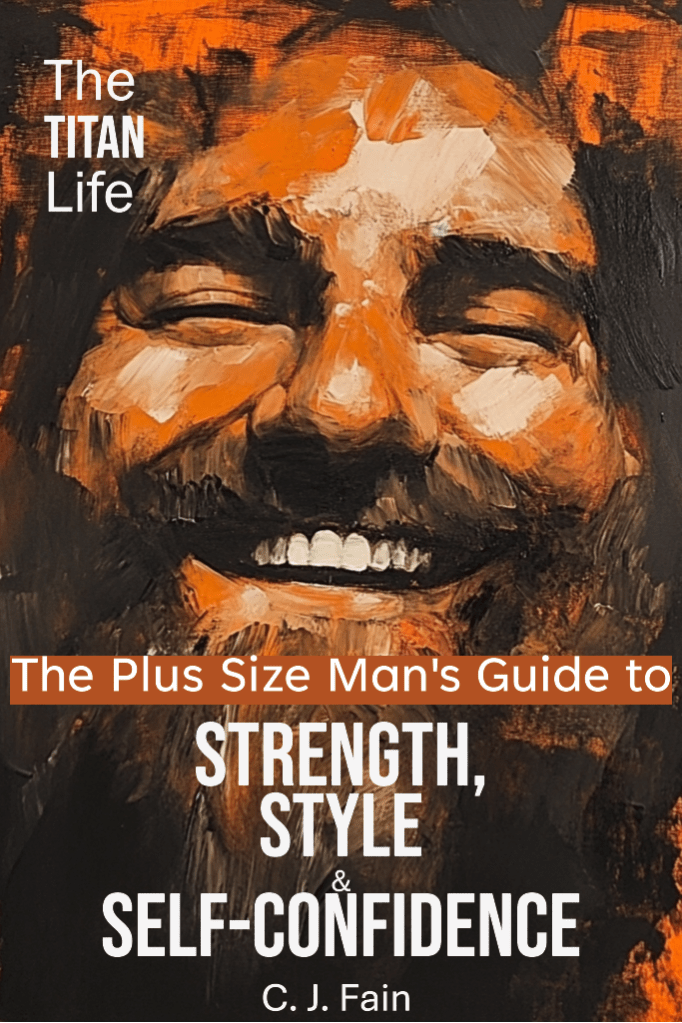
Introducing The Titan Life: The Plus Size Man’s Guide to Strength, Style, & Self-Confidence
We’re proud to announce the launch of The Titan Life, a new eBook created specifically for plus-size men who are ready to reclaim their strength, confidence, and style — without shrinking themselves to fit anyone else’s standards.
This isn’t your typical fitness guide. It’s a mindset shift. A performance plan. A confidence boost. A lifestyle.
Whether you’re just getting started or coming back after a break, this book meets you where you are — and helps you move forward with intention.
What’s Inside the Book
The Titan Life is packed with real, practical guidance for plus-size men who want to build a better relationship with fitness, nutrition, style, and self-respect. Inside, you’ll find:
Fitness routines tailored for bigger bodies
Joint-friendly workout modifications
Nutrition tips without the crash-diet nonsense
Style advice for confidence and comfort
Mental strategies for long-term motivation
A 30-day kickstart plan with printable tools
You’ll also hear from other plus-size men who are redefining what strength looks like — and how community support changes everything.
Get Chapter One for Free
To celebrate the launch, we’re offering Chapter One: “Building a Fitness Routine That Works for You” completely free.
In this chapter, you’ll learn:
Why most fitness plans fail plus-size men
How to start strong with bodyweight, pool, and resistance band workouts
There are endless fitness guides out there — but almost none written by and for men with bigger builds. This book was born from frustration with generic advice and unrealistic standards. It’s about giving men the tools to move, eat, and live in a way that works for them — no shrinking required.
It’s not about perfection. It’s about progress. Not about fitting in. About standing out.
Want the Full Book?
If you love Chapter One, the full eBook is available now. It’s over 9,500 words of no-nonsense support, strategies, and tools — plus worksheets, trackers, and a 30-day plan to help you take action.
Whether you’re showing up at the gym, walking the block, cooking a better meal, or just learning how to feel good in your skin, this guide is here to walk with you.
Resistance bands offer a joint-friendly, low-impact way to build strength and improve mobility. They’re portable, versatile, and scalable — making them perfect for plus-size men looking to get stronger without stressing the joints. Whether you’re new to fitness or getting back into a routine, band-based training helps develop muscle and coordination while reducing injury risk.
1. Banded Squats
What It Targets: Glutes, quads, hamstrings, and core stability How to Do It:
Stand on the middle of the resistance band with feet shoulder-width apart
Hold the handles or ends at shoulder height
Slowly lower into a squat, keeping your chest up and knees tracking outward
Press back up through your heels Reps: 3 sets of 10–12
Fitness Should Be for Every Body—Not Just One Body Type
Walking into a gym as a plus-size man can be intimidating. The loud clanking of weights, mirrors lining the walls, and rows of ultra-fit bodies can make even the most determined person hesitate. But here’s the truth: fitness isn’t exclusive. And you deserve a space where you feel empowered, not judged.
The good news? Inclusive fitness spaces are on the rise. Whether you’re just starting your journey or already on the grind, there are gyms, trainers, and communities built with your needs in mind.
In this post, we’re sharing where to find body-positive, plus-size-friendly fitness spaces that focus on support, strength, and sustainability—not shame.
Before we dive into where to look, let’s define what to look for:
Trainers who understand larger bodies and offer modifications without judgment
Equipment that accommodates all sizes comfortably and safely
Marketing that features diverse bodies, not just thin or shredded physiques
A culture of encouragement, not comparison
Focus on functionality and health, not just aesthetics
1. Local Gyms That Prioritize Inclusivity
Community-Based Fitness Centers
Check out YMCA locations or community rec centers. Many offer beginner-level classes and emphasize health at every size. Ask if they offer adaptive workouts or trainers with experience working with plus-size clients.
Women’s and Co-Ed Body Positive Gyms
While some are women-focused, many co-ed gyms are taking a body-positive approach. Look for phrases like:
“All bodies welcome”
“Size-inclusive training”
“Health at Every Size (HAES) certified”
2. Personal Trainers Who Specialize in Plus-Size Clients
Many personal trainers now specialize in adaptive fitness and body-positive coaching. You can find them by searching:
“Plus-size friendly personal trainer near me” “Body positive fitness coach” “HAES certified trainer + [your city]”
Look for Certifications Like:
NASM or ACE with additional training in adaptive fitness
Sometimes, it’s not about the location—it’s about the people. These online communities create spaces where encouragement and accountability are the norm.
4. What to Ask Before You Commit to a Gym or Trainer
Not sure if a space is right for you? Here are some questions to ask:
“Do you have experience training plus-size clients?”
“Are there modification options for joint support or mobility needs?”
“Is your equipment accessible for all sizes and fitness levels?”
“Can I try a session before committing?”
If they hesitate or dismiss your questions—that’s a red flag. Keep looking. You deserve better.
You Belong in the Gym. Period.
Fitness isn’t a look. It’s a lifestyle. Whether you’re training to walk up stairs without pain, play with your kids, or just feel stronger every day—your goals are valid, and your body is worthy of that effort right now.
Finding a space that sees your potential, not your weight, can be a game-changer. Don’t settle for less.
Breaking the Stereotypes: Fitness Is for Every Body
For too long, the fitness industry has pushed an unrealistic ideal — one that leaves many plus size men feeling left out. But times are changing. More and more men are stepping into the spotlight, owning their space in the gym, and building strong, supportive communities that say: “Fitness is for everyone.”
Whether you’re just starting your wellness journey or looking for fresh motivation, building and joining a like-minded fitness community can completely change your experience.
Why Community Support Matters for Plus Size Men
1. Encouragement Over Judgment Too many fitness spaces can feel intimidating. But in a body-positive fitness community, support replaces shame. Encouragement comes from people who understand your journey — not those who expect overnight transformations.
2. Realistic, Sustainable Progress No crash diets. No “summer shred in 7 days.” Just honest, steady progress. In these communities, it’s not about perfection — it’s about consistency, movement, and celebrating every win.
3. Shared Experience = Stronger Motivation It’s empowering to hear from someone who’s been where you are — who understands joint pain, limited mobility, or the fear of stepping into a gym. These shared stories create a safe space where vulnerability turns into strength.
2. Local Gyms with Inclusive Trainers Some gyms now market themselves as inclusive or body-positive. Look for those that highlight personal training tailored to individual ability, or offer small group classes with a welcoming vibe.
3. Specialized Fitness Apps and Platforms Apps like FitBod, Future, or even YouTube channels focused on beginner and plus size workouts can foster a sense of connection and progress — especially if paired with community features or comment sections.
Inspiring Plus Size Fitness Influencers to Follow
These creators are real, authentic, and redefining what fitness looks like:
Kelvin Davis (@notoriouslydapper): A pioneer in plus-size male fashion and body positivity, Kelvin mixes dapper style with powerful confidence-boosting messages. He’s been featured in GQ, Huffington Post, and Buzzfeed.
Steven Green (@theofficialsteveng): Known for his incredible fitness transformation, Steven promotes movement at every size and encourages men to embrace strength and growth, not just aesthetics.
Zach Miko (@zachmiko): Zach was the first plus-size male model signed to a major agency. He’s also a podcaster, actor, and fierce advocate for inclusive sizing in menswear.
How to Build Your Own Support System
1. Start Small — Even One Friend Helps Accountability doesn’t require a massive group. A friend who checks in or walks with you weekly can make a big impact.
2. Share Your Journey (If You’re Comfortable) Even simple posts like “First gym day in years” can spark engagement and help you connect with others doing the same.
3. Be a Voice for Others Once you find confidence in your space, offer encouragement to someone just starting out. That full-circle moment? That’s where the real inspiration happens.
Fitness doesn’t have to be a lonely grind. For plus size men, especially, the support of a like-minded community can make the difference between burning out and breaking through.
So whether you’re lifting, walking, swimming, or just starting to move again — remember: you’re not alone. The journey is better when we lift each other up.