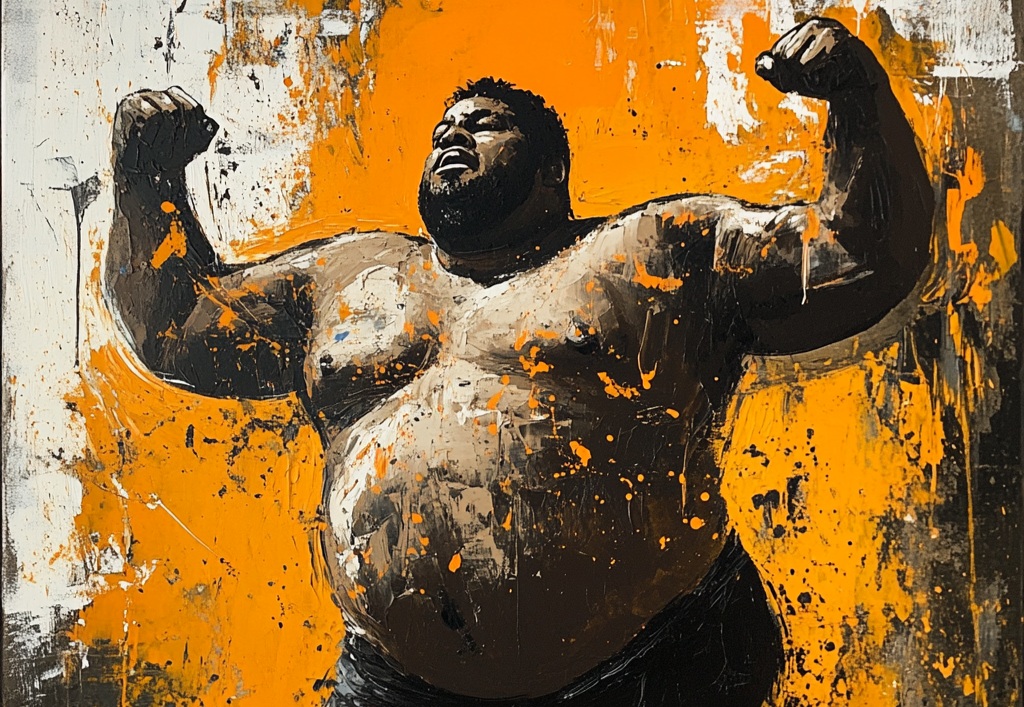
Starting a fitness journey when you’re a big and tall guy—or simply bigger than the “average” gym-goer—can feel overwhelming. Most workout advice is written for lean, athletic bodies, and it’s easy to feel like the gym isn’t built with you in mind. But here’s the truth: fitness is for every body, and that includes yours.
Whether you’re looking to get stronger, move better, or improve your health, you don’t need to shrink to fit the industry—you just need a routine that respects where you’re starting and where you want to go.
Healthline: How to Start Exercising: A Beginner’s Guide to Start Working Out
1. Know Your Why: Set Goals That Actually Matter to You
Before you pick up a dumbbell or step on a treadmill, ask yourself: Why am I doing this?
Your goals should be personal and motivating. Forget unrealistic expectations—this is about feeling better in your body, improving energy, building strength, and showing up for yourself.
Good starting goals might be:
- Walk 3 times a week without knee pain
- Build enough stamina to play with your kids
- Improve blood pressure or joint mobility
- Gain muscle, not just lose weight
Related: How to Set Realistic Fitness Goals and Stay Motivated Along the Way
2. Start with Low-Impact, High-Return Movements
If you’re carrying more weight or have joint sensitivity, start with low-impact exercises that are still effective. These workouts will help you build endurance and confidence without punishing your body.
Beginner-friendly options include:
- Walking or incline treadmill (even 10–15 minutes is a win)
- Resistance band training for shoulders, legs, and back
- Bodyweight squats to a chair for strength and mobility
- Water aerobics or swimming for cardio without joint stress
- Stationary bike at low resistance
You don’t have to “go hard”—you just have to go consistently.
3. Strength Training = Your Best Friend
For bigger guys, strength training is a major win. You likely already carry natural muscle—so building on that foundation helps burn fat, protect joints, and improve posture.
You don’t need fancy machines or a gym membership to get started—just a few basic movements and proper form. Aim for 2–3 full-body strength sessions per week, resting a day in between.
Beginner Strength Training Moves (and How to Do Them):
1. Push-Ups (Wall or Knee-Modified)
A foundational upper-body move that builds strength in your chest, shoulders, and triceps.
- Wall Push-Up (easiest):
Stand facing a wall, arms extended at shoulder height. Place your hands on the wall, shoulder-width apart. Bend your elbows to bring your chest toward the wall, then push back to start. - Knee Push-Up (intermediate):
Start in a high plank position, then drop your knees to the ground. Keep a straight line from your head to your knees. Lower your chest to the floor by bending your elbows, then push back up.
👉 Start with 2–3 sets of 8–10 reps.
2. Seated Dumbbell Shoulder Press
Builds shoulder and upper back strength without putting strain on your lower body.
- Sit tall in a chair with back support.
- Hold dumbbells (or household items like water bottles) at shoulder height with palms facing forward.
- Press the weights upward until your arms are fully extended overhead.
- Lower slowly back to shoulder height.
👉 Start with 2–3 sets of 8–12 reps using light weight.
3. Bodyweight Squats to a Chair
This variation trains your legs while protecting your knees and ensuring balance.
- Stand in front of a sturdy chair with your feet shoulder-width apart.
- Push your hips back like you’re sitting down.
- Lower yourself slowly until your butt touches the chair (or hovers just above it).
- Press through your heels to return to standing.
👉 Keep your chest up and knees in line with your toes.
👉 Do 2–3 sets of 8–10 reps.
4. Resistance Band Rows
Great for posture, back strength, and improving shoulder stability.
- Sit on the floor with your legs extended or sit in a chair with feet flat.
- Loop a resistance band around your feet or a stable post.
- Hold both ends of the band, keep your elbows close to your body.
- Pull the band toward your torso, squeezing your shoulder blades together, then return to start.
👉 Aim for 2–3 sets of 10–12 reps.
5. Step-Ups onto a Low Platform
Strengthens your glutes, hamstrings, and balance — easy to adjust to your level.
- Use a step platform, staircase, or sturdy box around knee height or lower.
- Step up with one foot, bringing the other to meet it.
- Step back down and repeat with the other leg.
👉 Start slow and use a wall or railing for balance.
👉 2–3 sets of 6–8 reps per leg.
4. Build a Routine That Works for Your Body (and Schedule)
You don’t need to work out six days a week to see results. A good starter routine for big and tall men might look like:
- 2 strength sessions
- 2 cardio or movement days
- 1 active recovery day (walking, stretching, yoga)
Pro tips:
- Warm up before every workout (5–10 minutes of gentle cardio or dynamic stretches)
- Rest between sets to avoid burnout
- Listen to your body—soreness is okay, sharp pain is not
Related: How to Maximize Your Workout Efficiency: Tips for Faster Results
5. Nutrition & Recovery Matter—Don’t Skip Them
You can’t outwork poor recovery or under-fueling. Larger men often have higher caloric needs, especially when starting to move more.
Focus on:
- Protein-rich meals to support muscle growth
- Hydration (especially if sweating more)
- Stretching and sleep to reduce soreness and boost results
And remember: you’re not dieting—you’re fueling a stronger version of yourself.
Related: Summer Nutrition Tips for Plus Size Men: Fueling Your Fitness Journey in the Heat
6. Mindset Over Perfection: Progress Over Pressure
Let go of perfection. Some days you’ll crush your workout, and others you’ll barely get a warm-up in. That’s normal. What matters is consistency.
If you’re new to fitness or coming back after a break, remind yourself:
- You belong in every gym and workout space
- Fitness doesn’t look one way
- Your progress is worth celebrating—every rep, every step
And if you need support, seek out fitness communities for big and tall men. You don’t have to do this alone.
Just Start—Your Body Deserves It
You don’t need to be in shape to start working out. You just need to start moving in a way that feels manageable, sustainable, and respectful of your body. You’re not here to fit someone else’s mold—you’re here to build a healthier version of you.
One rep at a time. One walk at a time. One step closer to where you want to be.
